


See all results for ""

 Anytime
 Tiếng ViệtEnglish
 日本語
日本語 한국어
한국어 简体中文
简体中文 Français
 Deutsch
 Español
 Italiano
 Русский


 Login for Corporates
Hue travel guide: Complete independent travel experience in the ancient capital

Hue is a land deeply marked by Vietnam’s history and culture, having served as the capital of the Nguyen Dynasty for more than a century. The city is famous for its royal heritage sites, ancient mausoleums, sacred pagodas, and the poetic Perfume River. More than that, Hue also captivates visitors with its distinctive cuisine and the slow, tranquil rhythm of life typical of Central Vietnam. Below is a detailed guide to help you explore Hue independently, from transportation options and standout attractions to dining tips and a suitable itinerary.
1. The Best Time of Year to Visit Hue
Hue has the typical Central Vietnam climate, with distinct dry and rainy seasons. The most popular time for travelers to visit Hue is usually from March to August, when the weather is relatively stable, rainfall is low, and conditions are favorable for outdoor sightseeing. During this period, the city becomes lush and green, and heritage sites such as the Imperial City, the Nguyen Dynasty tombs, and ancient pagodas are all ideal for exploring and photography.
In addition, if you want to experience the distinctive cultural atmosphere of the dreamy ancient capital, you can visit Hue during festival season. Major cultural events such as Hue Festival are often held in spring or early summer, offering a wide range of artistic activities, traditional performances, and unique cultural programs. When combined with heritage tours, local cuisine, and a stroll along the Perfume River, a trip to Hue becomes even more fulfilling.
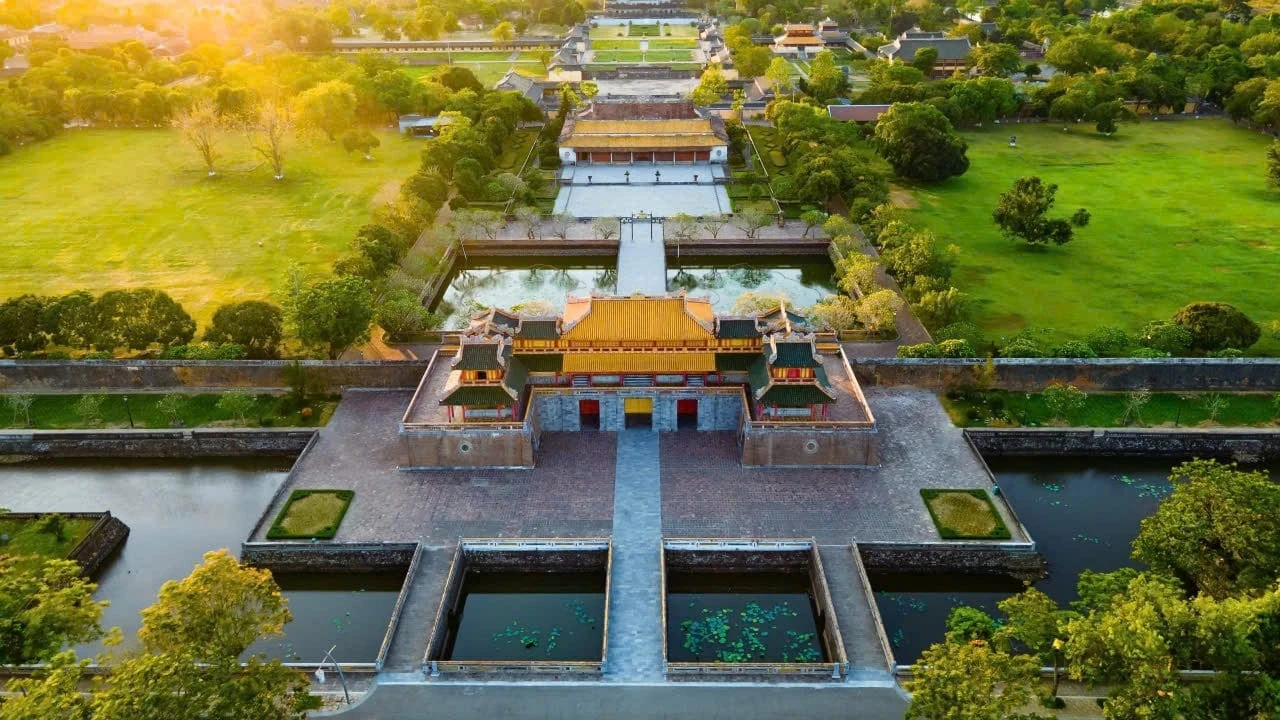
The scenery of Hue City with its distinctive ancient architecture
2. How to Get to Hue and Travel Around the City
Hue is located in Central Vietnam and has a fairly convenient transportation system. Travelers can choose from various means of transport to reach the city and move between attractions.
2.1. Flights, trains, and coaches to Hue
Flying is the fastest way to get to Hue, with Phu Bai Airport as the destination. From there, travelers can take a taxi or a shuttle service for about 15 km to the city center. Travel time from the airport to the Perfume River area is usually around 25–30 minutes.
Besides flying, trains are also a popular option for travelers who want to enjoy the beautiful routes through Central Vietnam. Hue Railway Station is quite close to the city center, making it convenient to continue on to hotels or attractions.
Long-distance coaches also operate many routes to Hue from Hanoi, Da Nang, or Ho Chi Minh City. This option is suitable for budget-conscious trips and offers multiple departure times.

Ways to travel to Hue, such as by plane, train, or coach
2.2. Renting motorbikes, taxis, and cyclo rides in the city center
After arriving in Hue, travelers can choose from various ways to visit attractions around the city. Renting a motorbike is the most common option because it offers flexibility in time and itinerary. Rental prices usually range from 120,000 to 150,000 VND per day.
Taxis and ride-hailing services are also widely available in Hue, making them suitable for groups or families. In addition, taking a cyclo ride around the city center and riverside streets along the Perfume River offers a charming way to experience the leisurely pace of the former imperial capital.
Overall, renting a motorbike remains the most convenient option because attractions in Hue are often several kilometers apart and the roads are relatively easy to navigate. This means of transport allows travelers to stop flexibly for photos or to explore local eateries along the way. Meanwhile, taxis are more suitable during hot or rainy weather, while cyclos are ideal for short rides in the city center to enjoy Hue’s signature slow-paced atmosphere.
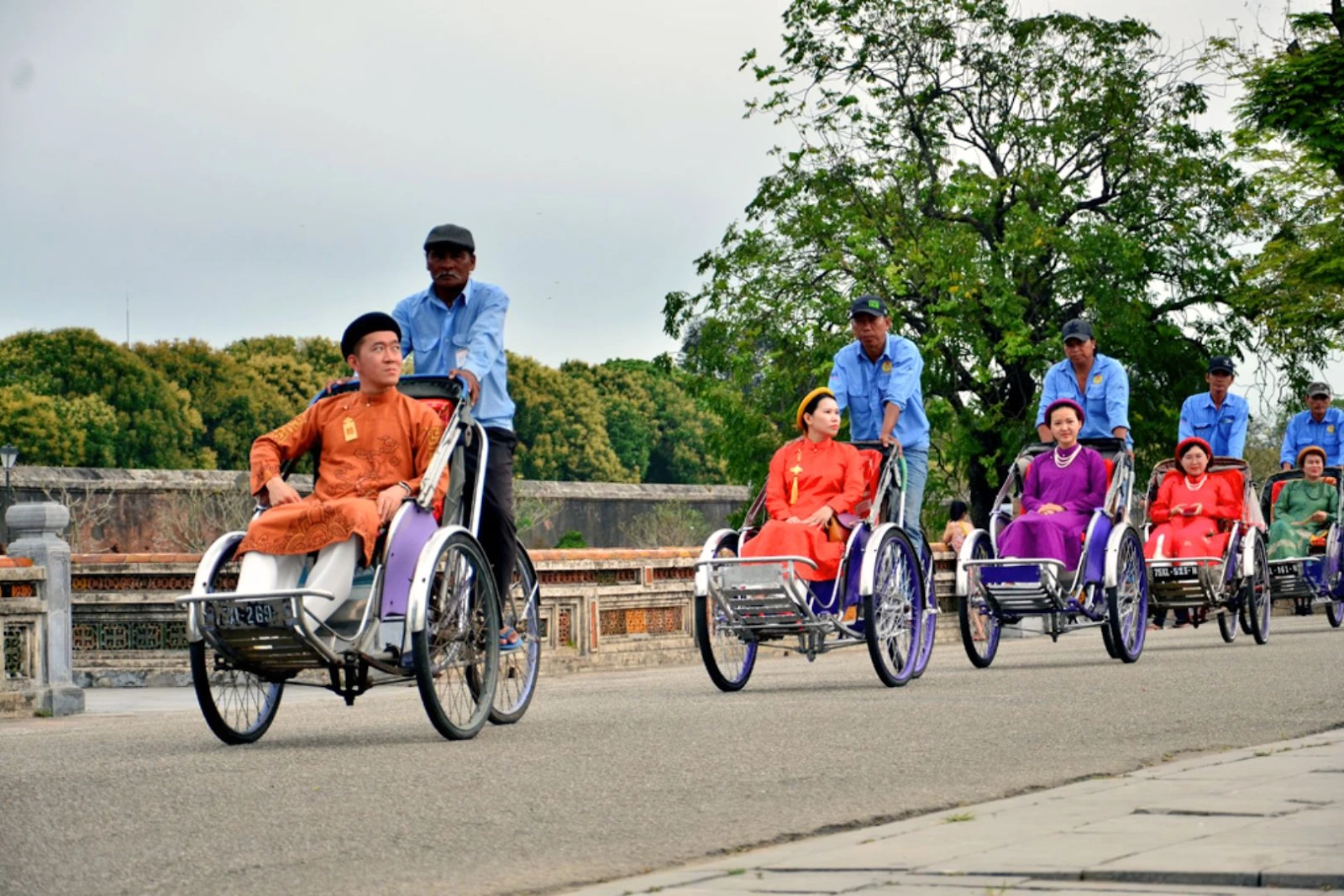
Experiencing Hue cyclo rides - a cultural charm of the ancient capital
3. Top Must-Visit Attractions in Hue
3.1. Hue Imperial City – A World Cultural Heritage Site
Hue Imperial City is the most important historical complex in the city and has been recognized by UNESCO as a World Cultural Heritage Site. It was once the center of power of the Nguyen Dynasty, with an extensive system of palaces, gates, and ceremonial areas built on a grand scale.
Inside the Imperial City are many remarkable structures such as Ngo Mon Gate, Thai Hoa Palace, the Purple Forbidden City, and other ancient royal buildings. While visiting this area, travelers can learn about Nguyen Dynasty history, court architecture, and the royal lifestyle of the past.
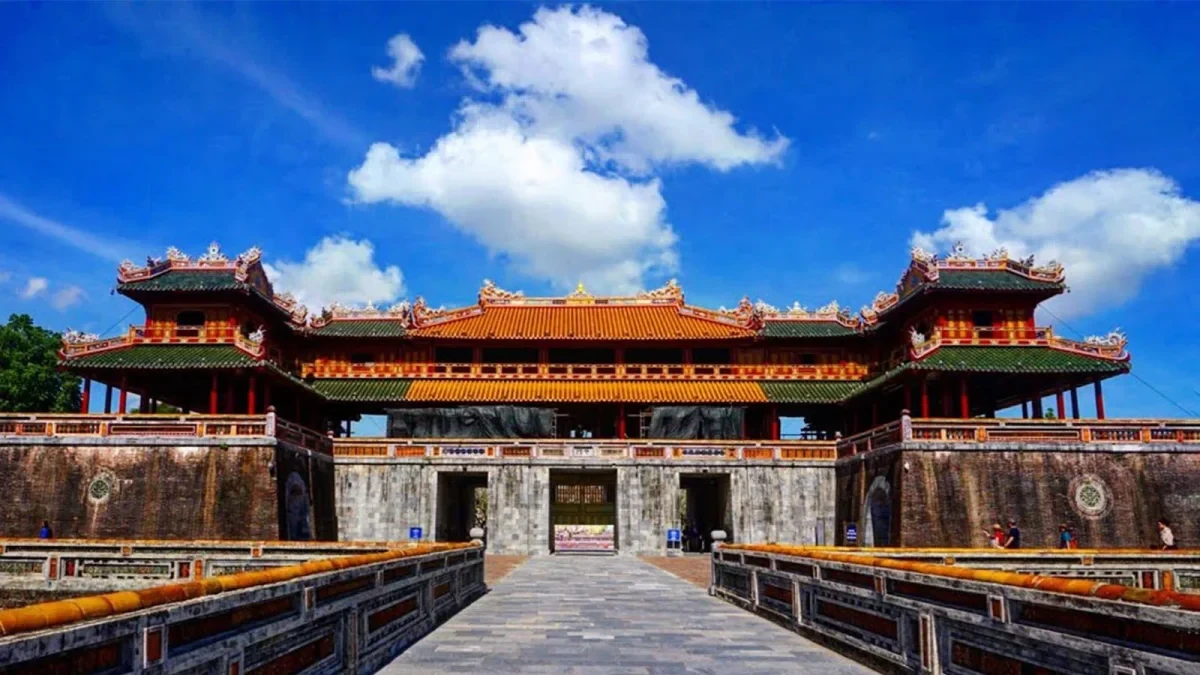
Hue Imperial City is a famous historical heritage complex of the ancient capital
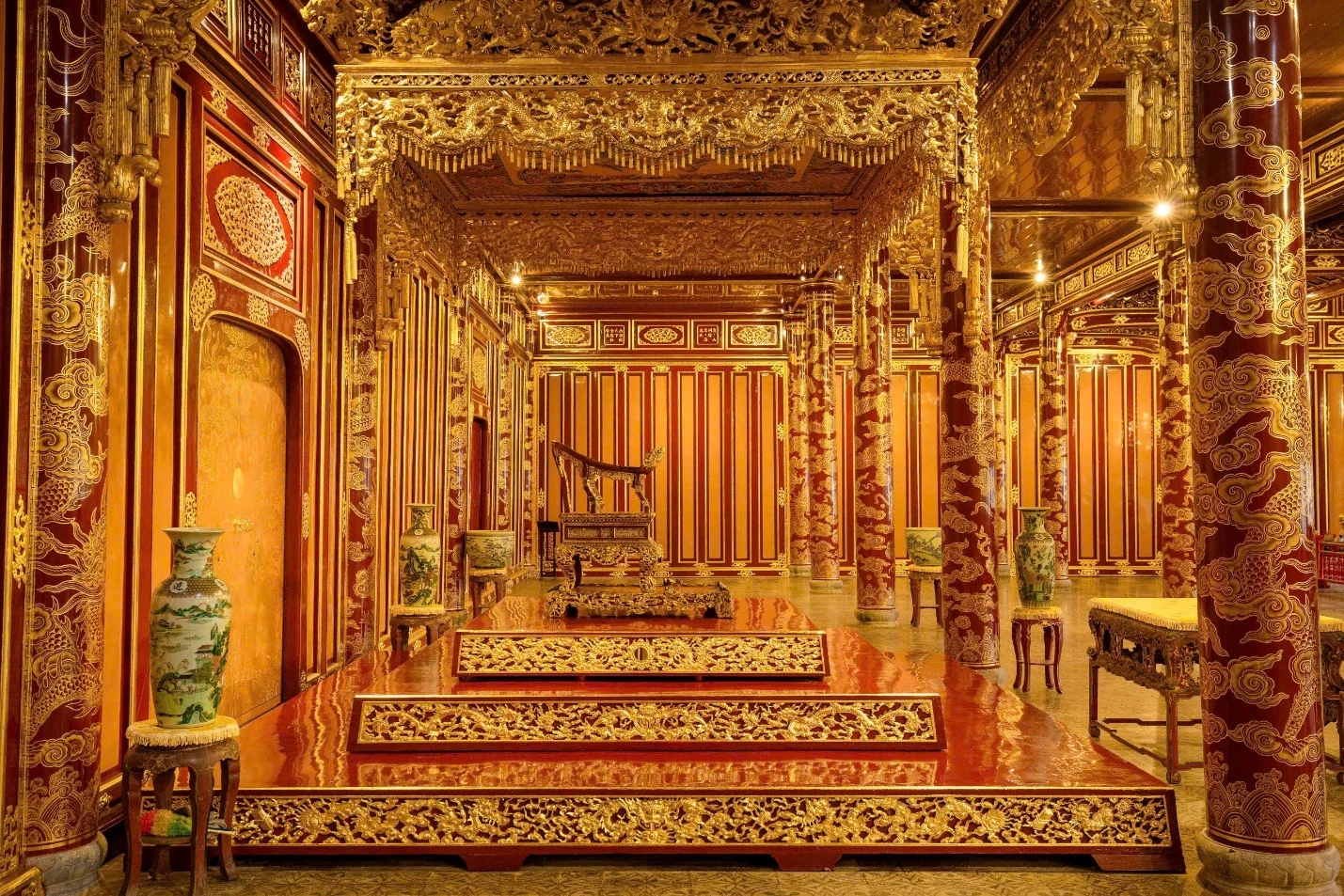
Discover the unique architecture of Thai Hoa Palace
3.2. The Nguyen Dynasty Tombs: Minh Mang, Khai Dinh, and Tu Duc
The tomb system of the Nguyen emperors is one of the most iconic attractions in Hue tourism. Each tomb was built in a distinct architectural style and set amid expansive natural surroundings.
Minh Mang Tomb stands out for its harmonious symmetrical layout, lakes, and cool pine forest. Khai Dinh Tomb impresses visitors with an architectural style that blends Eastern and Western influences, featuring many elaborate decorative details. Meanwhile, Tu Duc Tomb was built amid lakes and pine forests, creating a peaceful setting.
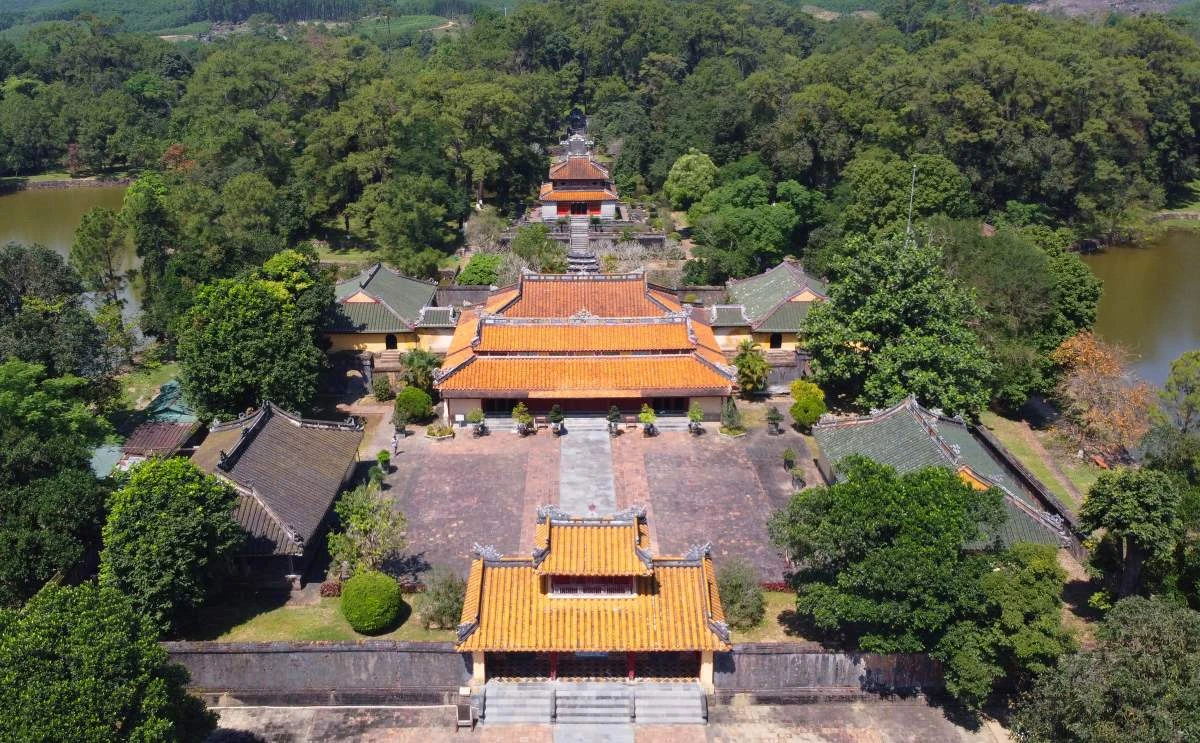
The distinctive symmetrical architecture of Minh Mang Tomb
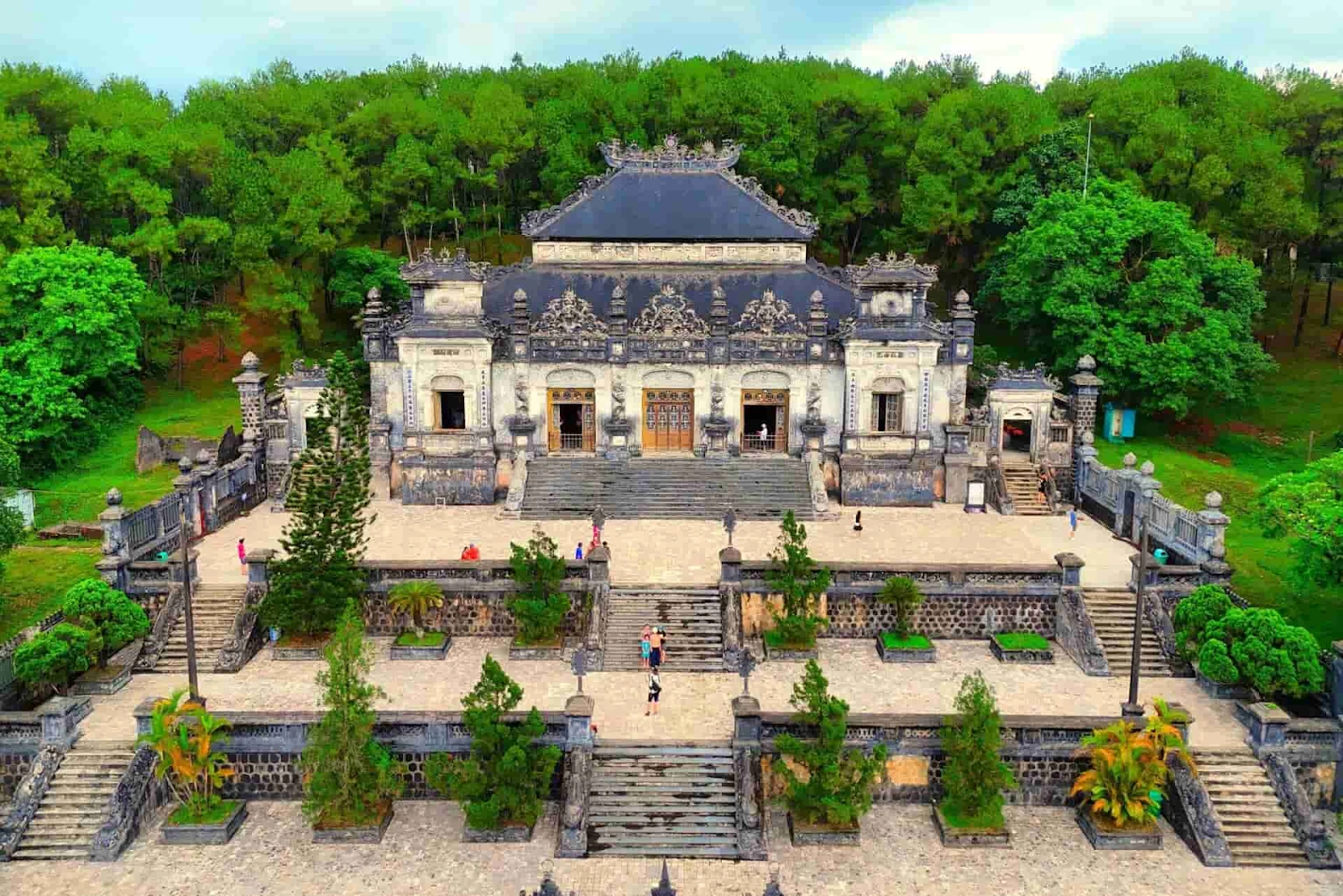
The unique architecture of Khai Dinh Tomb
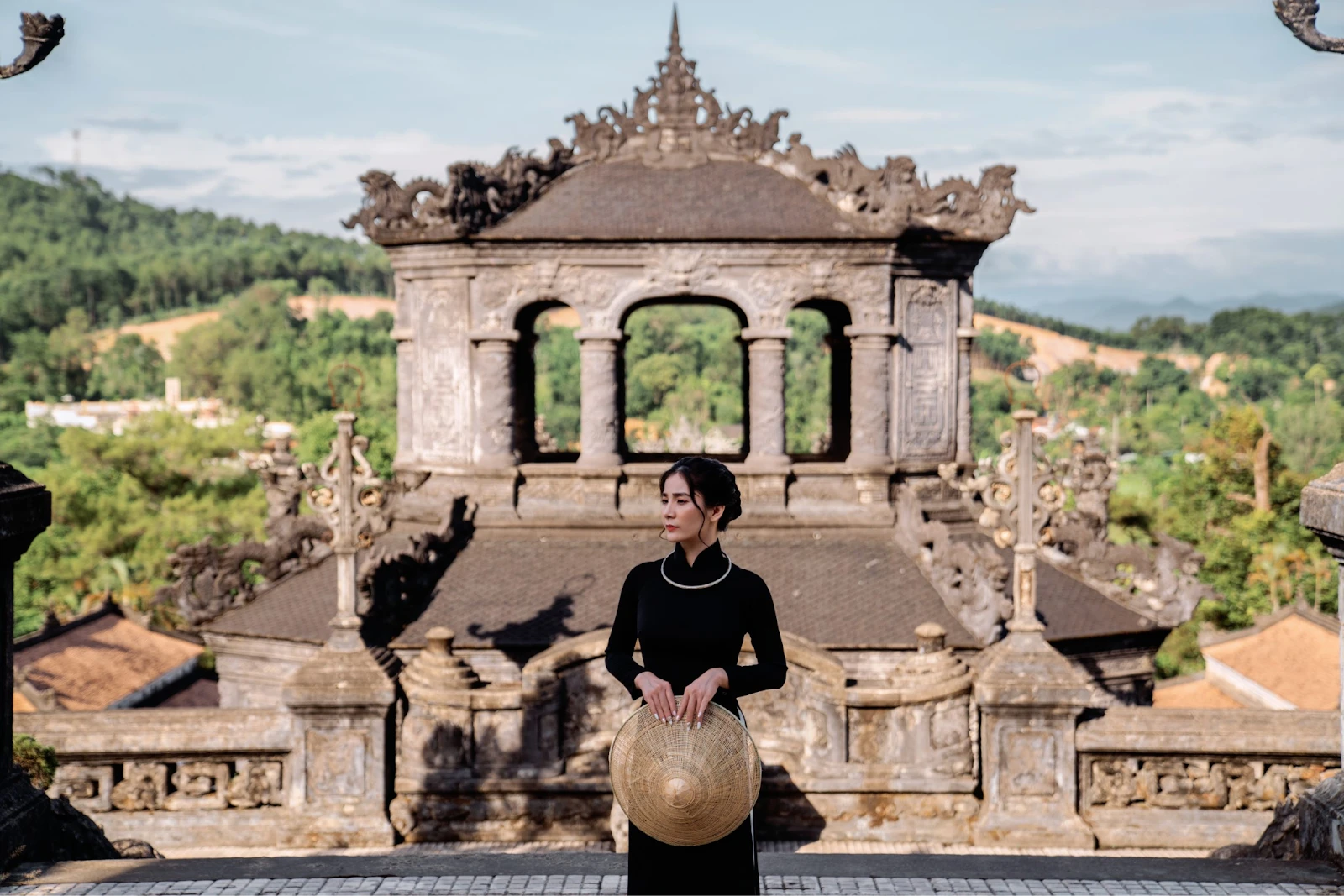
Check in at Khai Dinh Tomb in traditional Vietnamese ao dai
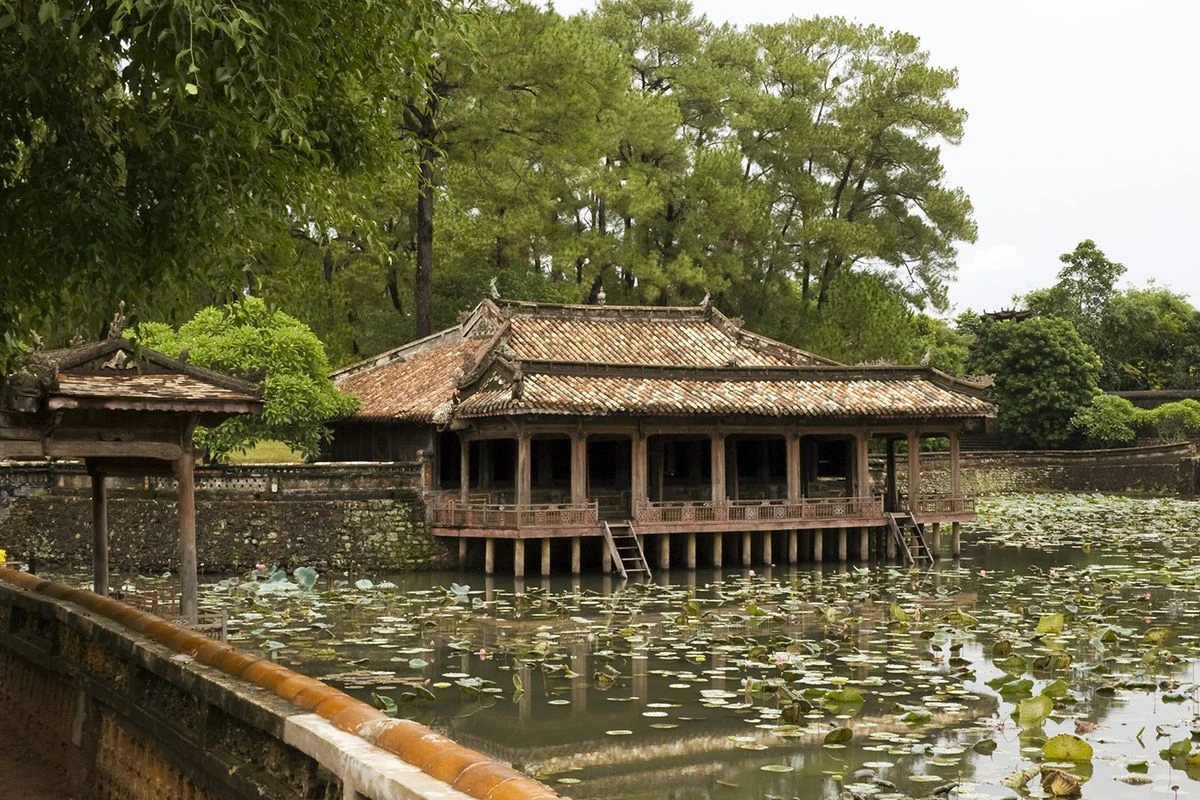
The ancient ambiance of Tu Duc Tomb
3.3. Thien Mu Pagoda and sacred ancient temples
Thien Mu Pagoda is one of the most famous ancient pagodas in Hue and is considered a religious symbol of the city. The pagoda stands on Ha Khe Hill by the Perfume River, offering a serene and solemn setting.
The pagoda’s highlight is the seven-story Phuoc Duyen Tower, built in the 19th century. From the temple grounds, visitors can enjoy views of the winding Perfume River and the surrounding green gardens. The contemplative atmosphere of Thien Mu Pagoda is also often mentioned in poetry about Hue, evoking images of temple bells echoing softly over the river and the slow-paced lifestyle characteristic of the ancient capital. This scenery makes it a familiar stop for many travelers visiting Hue.
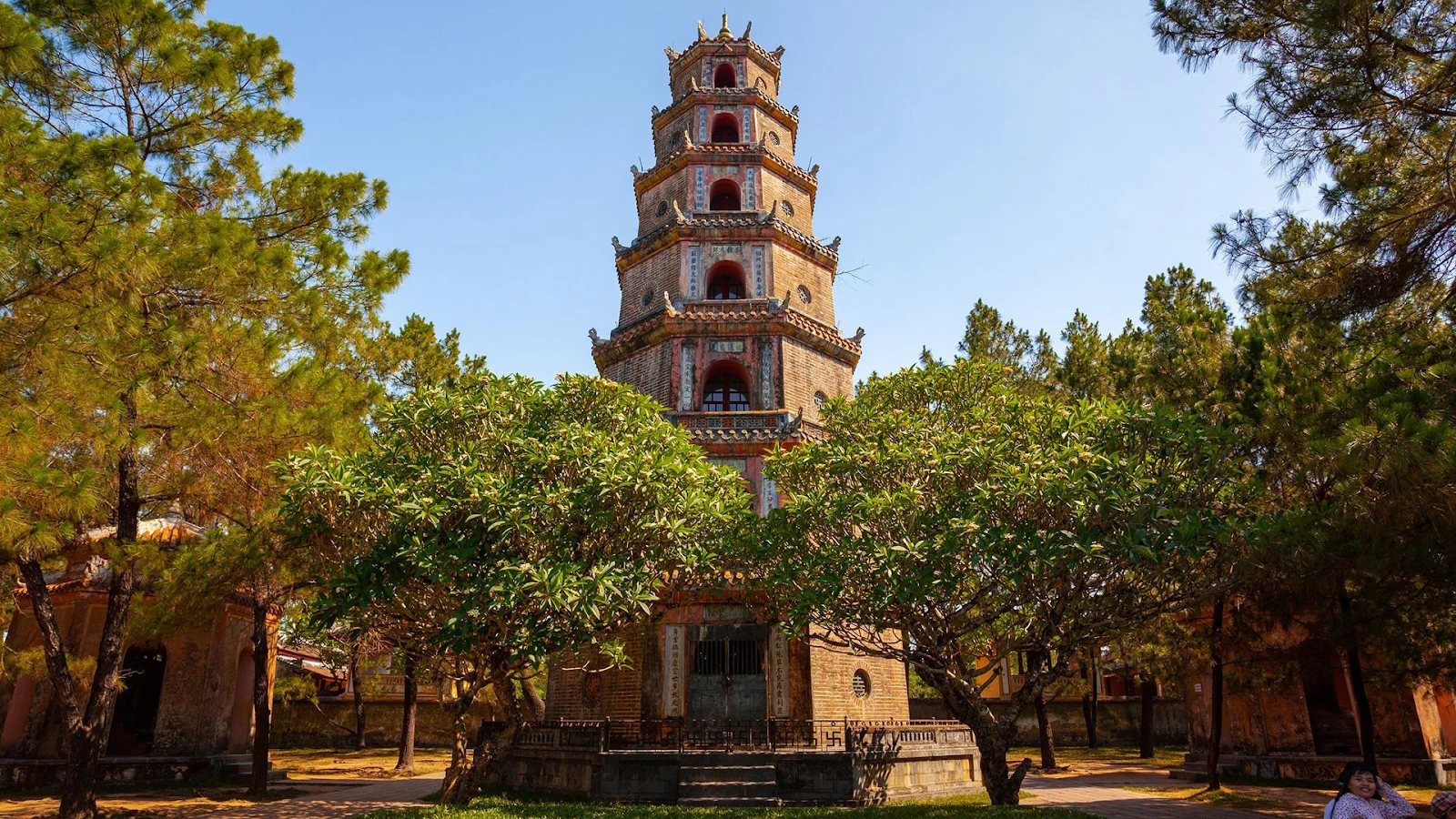
Thien Mu Pagoda is a sacred cultural symbol of the ancient capital
3.4. Perfume River and Truong Tien Bridge – Poetic Symbols of Hue
Perfume River is a famous river closely tied to the history and cultural life of Hue. When joining a boat trip on the Perfume River, travelers can fully appreciate the poetic beauty of the river flowing through the heart of the city, lined with green trees, ancient architectural works, and many riverside stops.
Crossing the Perfume River is Truong Tien Bridge, the famous steel bridge built during the French colonial period. The bridge is not only an important traffic route but also a familiar icon of Hue. In the evening, this area is often illuminated in colorful lights, creating an impressive scene when viewed from both riverbanks during a Perfume River sightseeing trip.
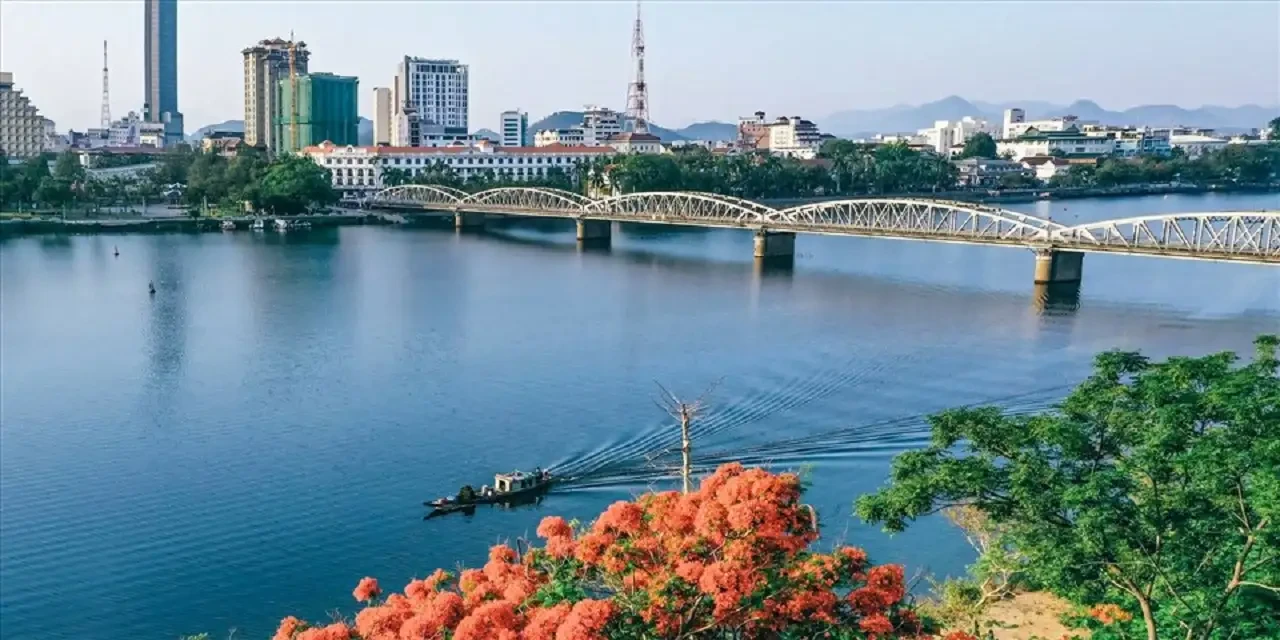
The poetic beauty of Hue’s Perfume River
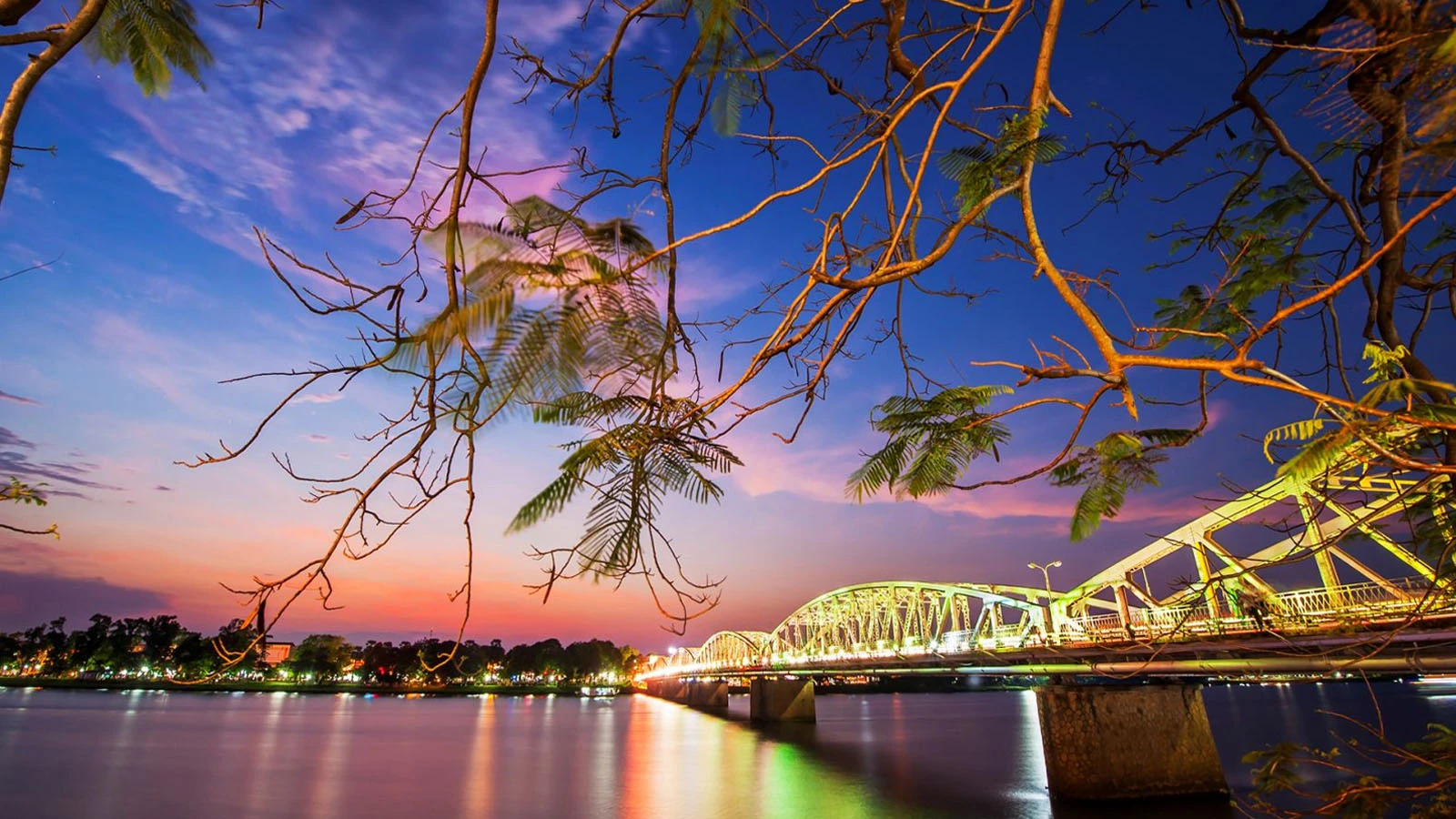
Truong Tien Bridge is a symbol of Hue City
3.5. Thuy Xuan Incense Village – A Vibrant Check-in Spot
Thuy Xuan Incense Village is a long-established traditional craft village specializing in incense production in Hue. Bundles of incense in various colors are arranged in large clusters, creating an eye-catching scene that attracts many visitors for photography.
Besides sightseeing and taking photos, travelers can also learn about the local hand-crafted incense-making process. The incense products here are also often purchased as souvenirs after the trip.
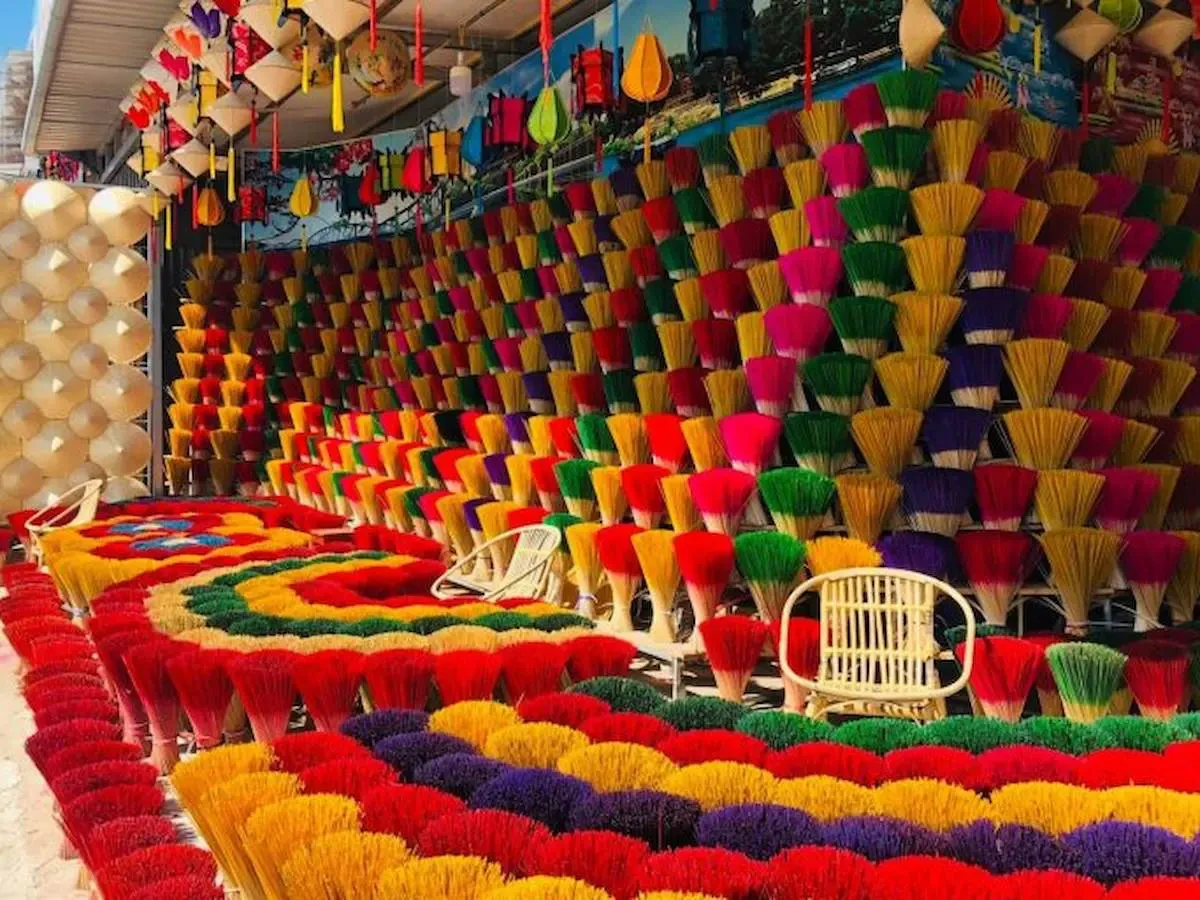
Visit Thuy Xuan Incense Village in the heart of the ancient capital of Hue
3.6. Lang Co Bay and the Beautiful Beaches of Thua Thien Hue
Lang Co Bay is located about 70 km south of Hue city center and is considered one of the most beautiful bays in Vietnam. It stands out for its long sandy beach, crystal-clear water, and peaceful natural scenery.
The Lang Co area is ideal for swimming, relaxing, or enjoying fresh seafood at seaside restaurants. In addition, when traveling through Hai Van Pass, travelers can also admire the full panoramic view of Lang Co Beach from above, with a truly impressive landscape.
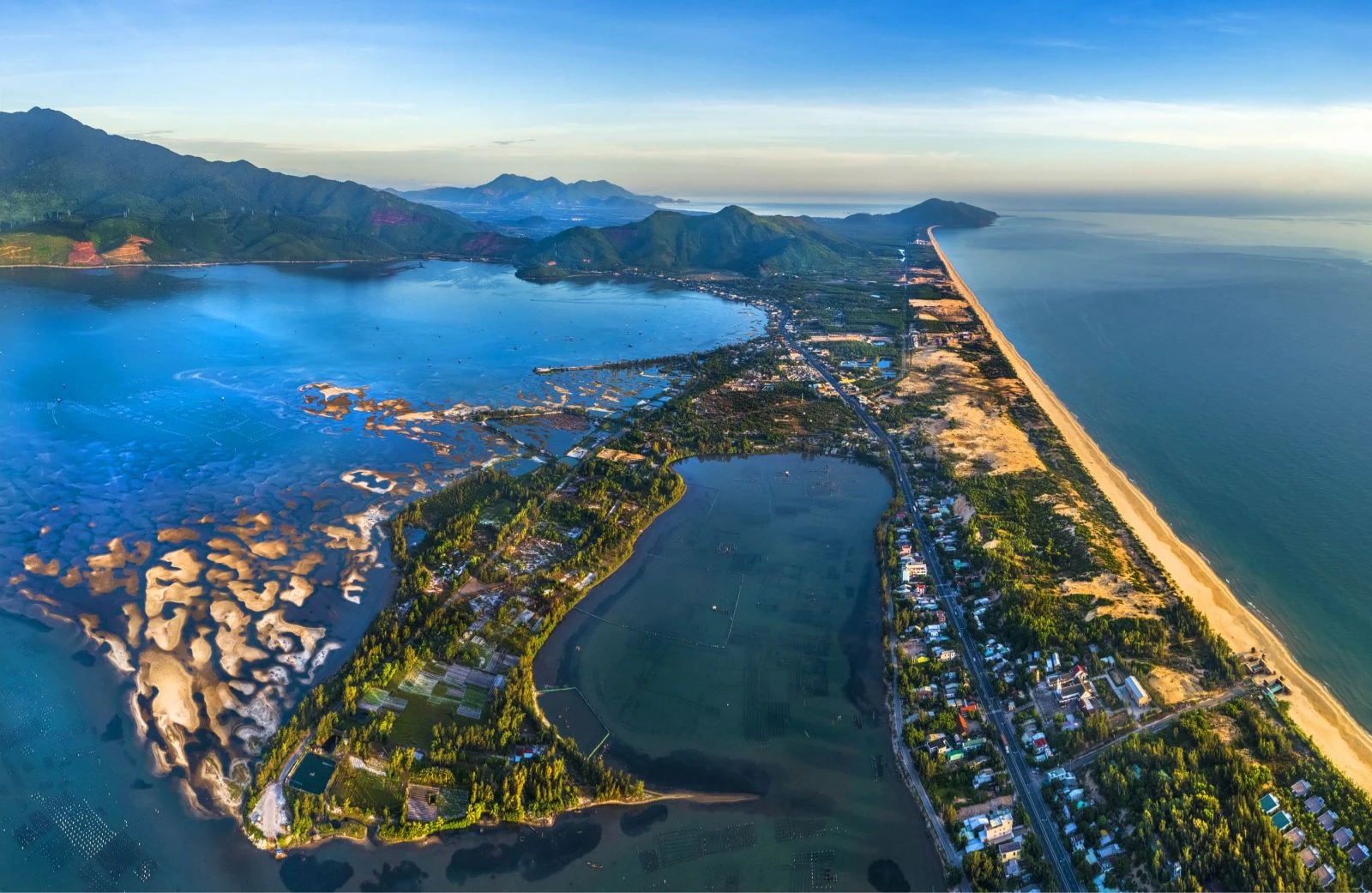
Lang Co Bay is famous for its long sandy beach and crystal-clear seawater
3.7. Bach Ma National Park – A Majestic Nature Experience
Bach Ma National Park is a famous nature reserve located between Hue and Da Nang, featuring a rich tropical forest ecosystem with many rare species of flora and fauna. It attracts visitors with scenic trekking routes through the forest, where you can explore lush vegetation and enjoy the fresh mountain air of Bach Ma Mountain. From elevated viewpoints in the park, travelers can also enjoy sweeping views of majestic mountains and forests, as well as the distant Lang Co coastline.
One of the standout stops in Bach Ma National Park is Ngu Ho, a system of five natural lakes nestled in the primeval forest. The water here is clear and cool, surrounded by large rocks and dense forest vegetation. Visitors often stop at this area to rest, dip in the refreshing water, or take photos amid the pristine and peaceful natural scenery.

Discover the natural beauty of Bach Ma National Park
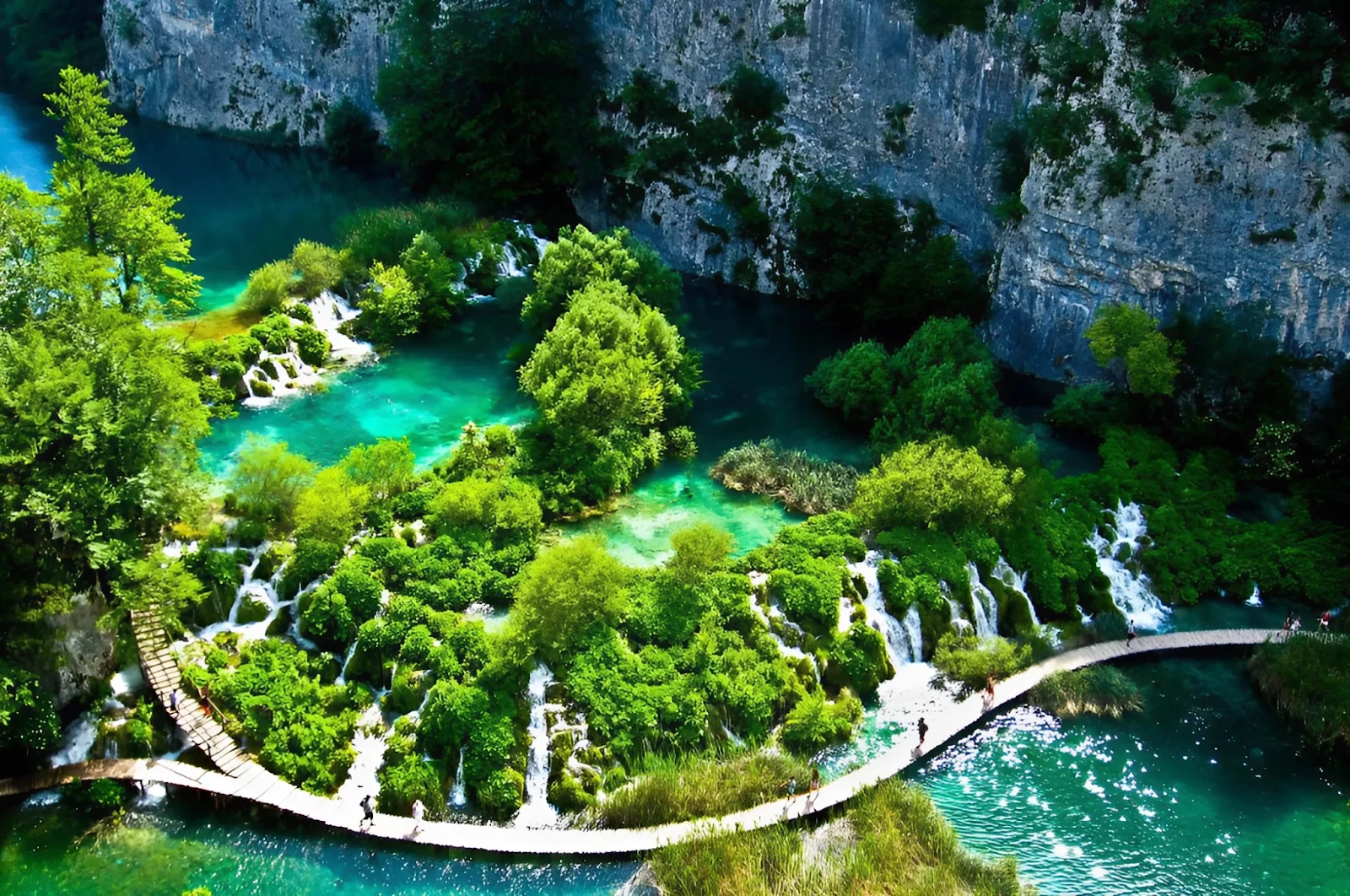
The beauty of Ngu Ho, a natural wonder in Bach Ma National Park
4. What to Eat in Hue? Discover the Culinary Paradise of the Ancient Capital
Hue cuisine has long been famous for its refinement and diversity, clearly reflecting the culture of the land that once served as the capital of the Nguyen Dynasty. From humble street food to elaborate royal dishes, everything carries the distinctive flavor of the ancient capital.
One of the interesting things about traveling to Hue is that visitors can easily find traditional eateries along small streets or beside the Perfume River. Many dishes use simple ingredients, but their preparation is very meticulous, creating flavors that are difficult to confuse with those of other regions.
4.1. Bun Bo Hue – A Signature Specialty
Bun Bo Hue is the most famous dish of Hue cuisine and has almost become the city’s culinary symbol. Although Bun Bo Hue can now be found in many places with various adaptations, the original version in Hue still has a very distinctive taste thanks to its broth and traditional local seasonings.
The most noticeable difference is that the broth is usually made from beef bones combined with Hue shrimp paste and lemongrass, creating its signature rich aroma. A traditional bowl of Bun Bo Hue usually comes with thick noodles, sliced beef, pork hock, Hue-style pork sausage, and fresh herbs. The harmony between the sweetness of the broth, the fragrance of lemongrass, and the richness of the shrimp paste gives this dish its unique identity, making it a must-try culinary experience when visiting Hue.
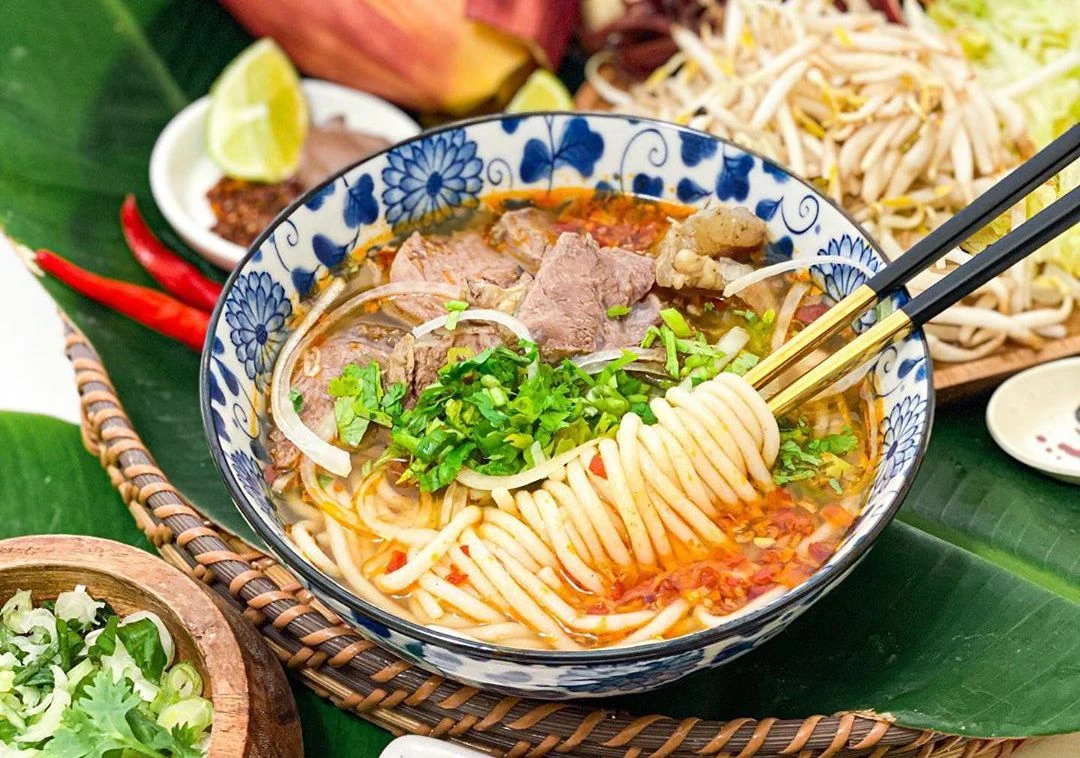
Bun Bo Hue is a famous dish of the ancient capital’s cuisine
4.2. Com Hen – A Rustic Local Flavor
Com Hen is a humble dish deeply connected to the daily life of Hue people for generations. It is made from cold rice mixed with stir-fried baby clams, fresh herbs, crispy pork fat, roasted peanuts, and seasonings, creating a rich and distinctive local flavor.
A serving of Com Hen is usually enjoyed with a bowl of hot clam broth to enhance its sweetness and depth of flavor. Besides Com Hen, travelers can also try Bun Hen, which is prepared in a similar way but uses vermicelli instead of rice. In addition, stir-fried clams with rice crackers is also a familiar dish, where the clams are stir-fried with bold seasoning and served with crispy rice crackers, offering a rustic yet very distinctive Hue culinary experience.
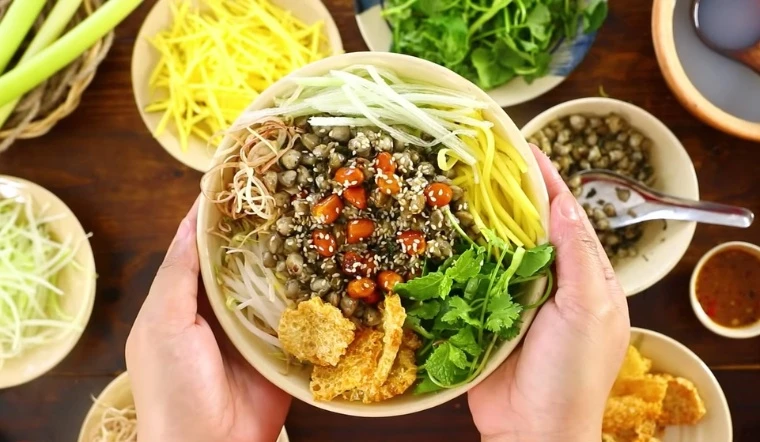
Com Hen is a famous rustic dish in Hue
4.3. Banh Beo, Banh Nam, Banh Loc – The Essence of Traditional Cuisine
Hue is famous for many traditional rice-flour cakes such as Banh Beo, Banh Nam, and Banh Loc. Although these cakes are small, they clearly reflect the refinement of the ancient capital’s cuisine.
Banh Beo is usually served in small dishes topped with dried shrimp and scallion oil. Banh Nam is wrapped in banana leaves with a shrimp and pork filling, while Banh Loc has a translucent dough and a savory shrimp and pork filling. These cakes are commonly eaten with sweet and sour fish sauce, creating a very distinctive flavor.
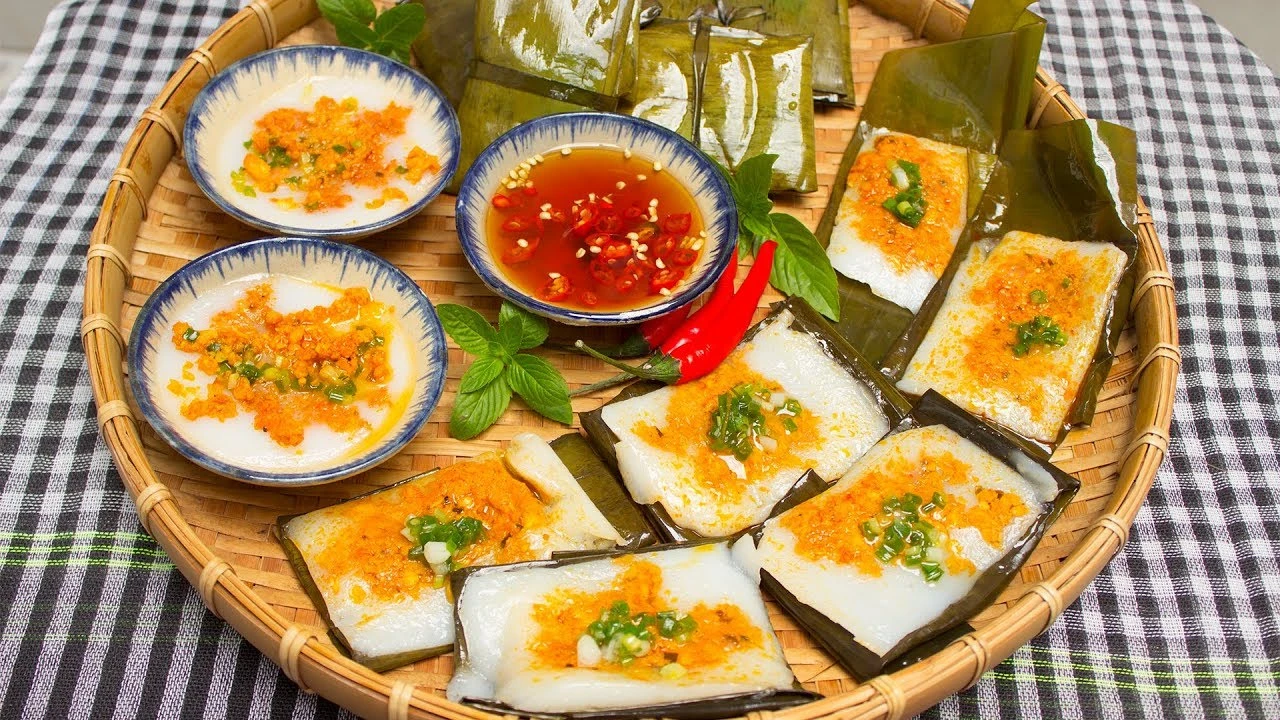
Traditional Hue cakes include Banh Beo, Banh Nam, and Banh Loc
4.4. Hue sweet soups and royal cuisine
Hue is considered a “sweet soup paradise” with dozens of varieties such as lotus seed sweet soup, corn sweet soup, mung bean sweet soup, longan sweet soup, and purple yam sweet soup. These desserts often have a gentle sweetness and are prepared with great care, reflecting the refinement of the ancient capital’s cuisine.
In addition, Che Bot Loc is also a distinctive dessert that many visitors want to try in Hue. This sweet soup consists of translucent tapioca dumplings filled with peanuts or roasted pork, cooked in lightly fragrant ginger syrup. The combination of mild sweetness and chewy dumpling texture creates a rather unique flavor compared to many other sweet soups.
Besides everyday dishes, Hue is also famous for royal cuisine – a culinary style once served in the Nguyen imperial court. These dishes focus not only on flavor but also on refined presentation, reflecting the unique culinary culture of the ancient capital. Today, many travelers also choose to join cooking classes on royal cuisine to prepare dishes themselves and gain deeper insight into Hue’s traditional gastronomy.
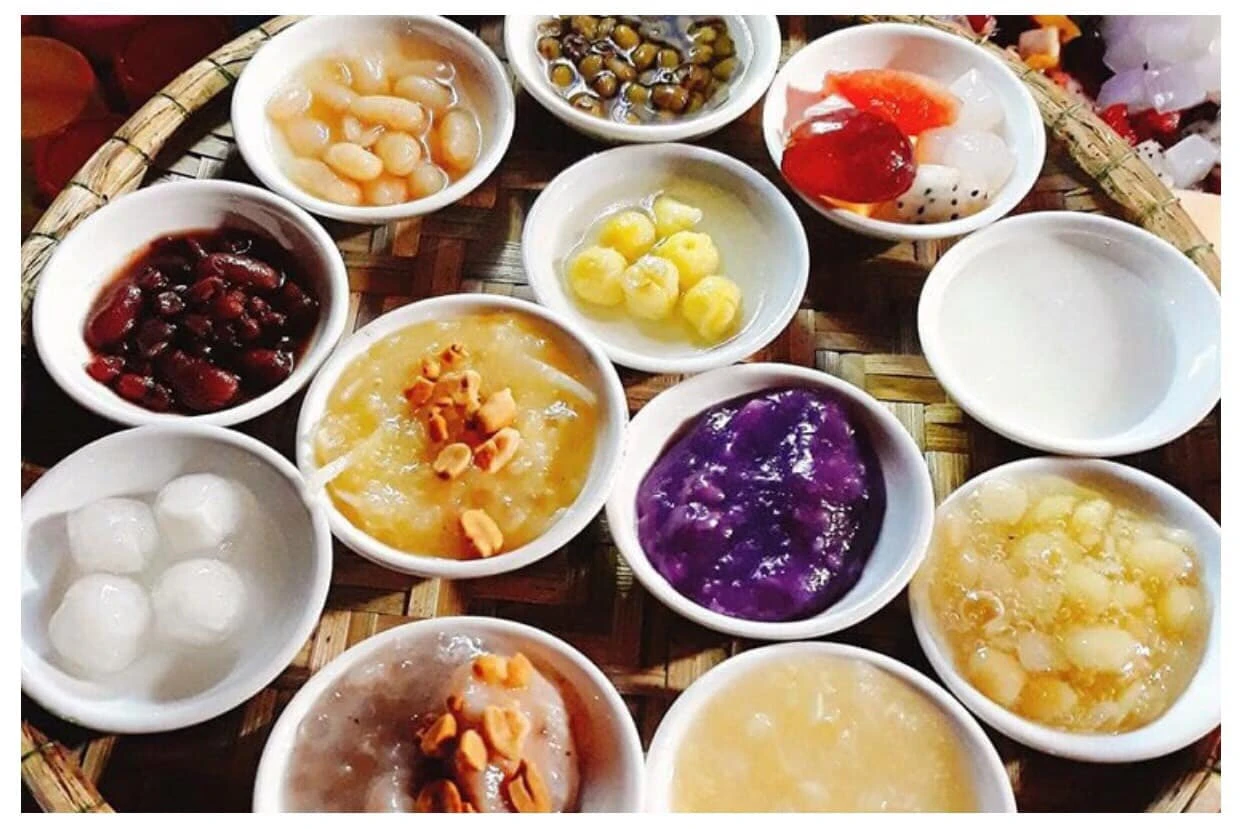
Hue sweet soups are a familiar dessert in the cuisine of the ancient capital
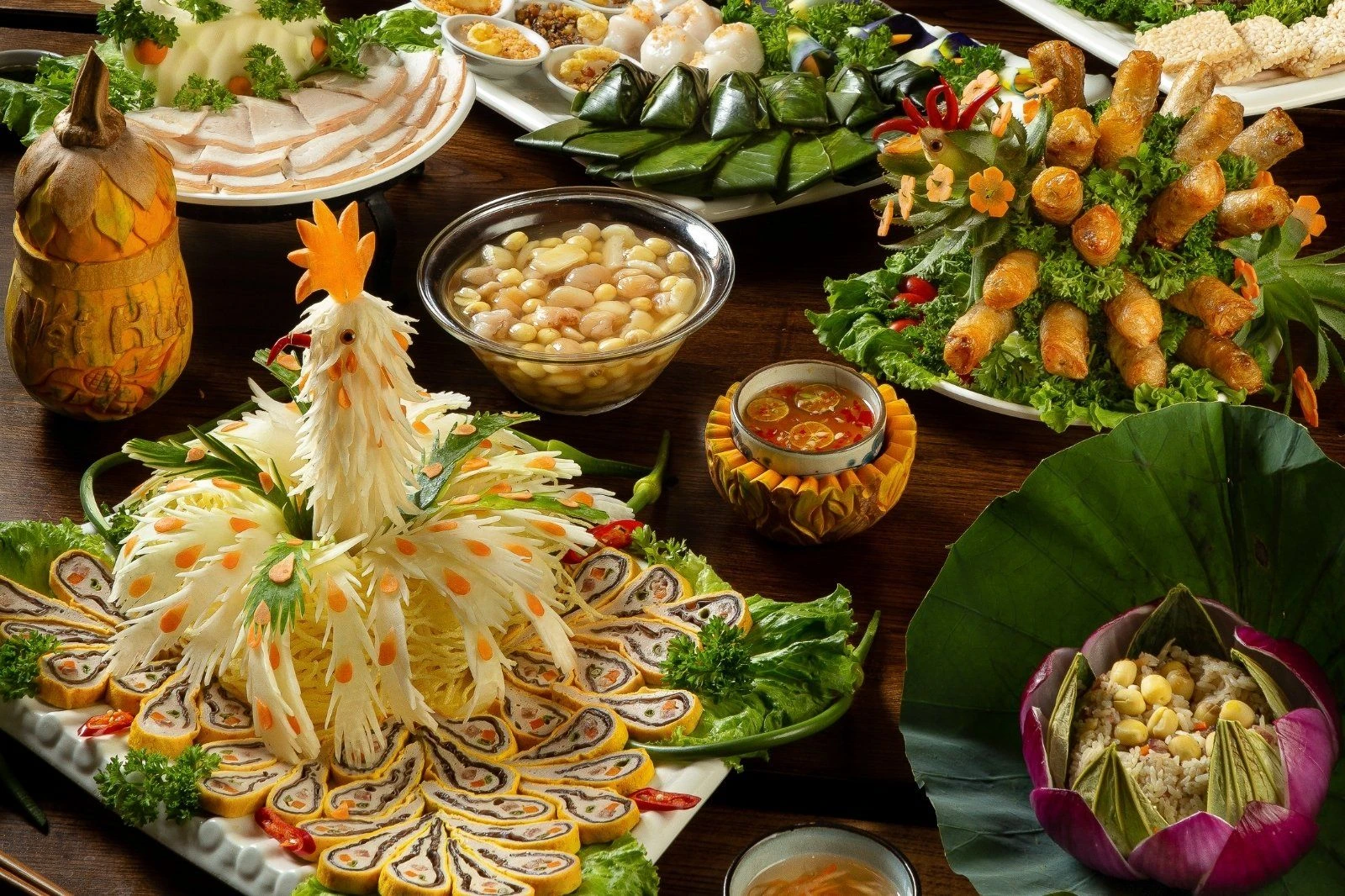
Hue royal dishes are elegantly presented
5. Suggested 3-Day-2-Night Self-Guided Hue Itinerary
On a 3-day-2-night trip, the first day can begin with exploring the heritage of the ancient capital such as Hue Imperial City, followed by a walk along the Perfume River and a stop at Truong Tien Bridge for check-in photos. In the evening, travelers can explore eateries and local cafes in the city center.
The second day is usually dedicated to visiting the Nguyen Dynasty tombs such as Minh Mang Tomb, Khai Dinh Tomb, and Tu Duc Tomb. In the afternoon, you can visit Thien Mu Pagoda and stop for check-in photos at Thuy Xuan Incense Village, famous for its colorful incense bundles.
On the final day, travelers can combine a visit to Lang Co Bay or Bach Ma National Park to enjoy nature before returning to the city center and ending the trip.
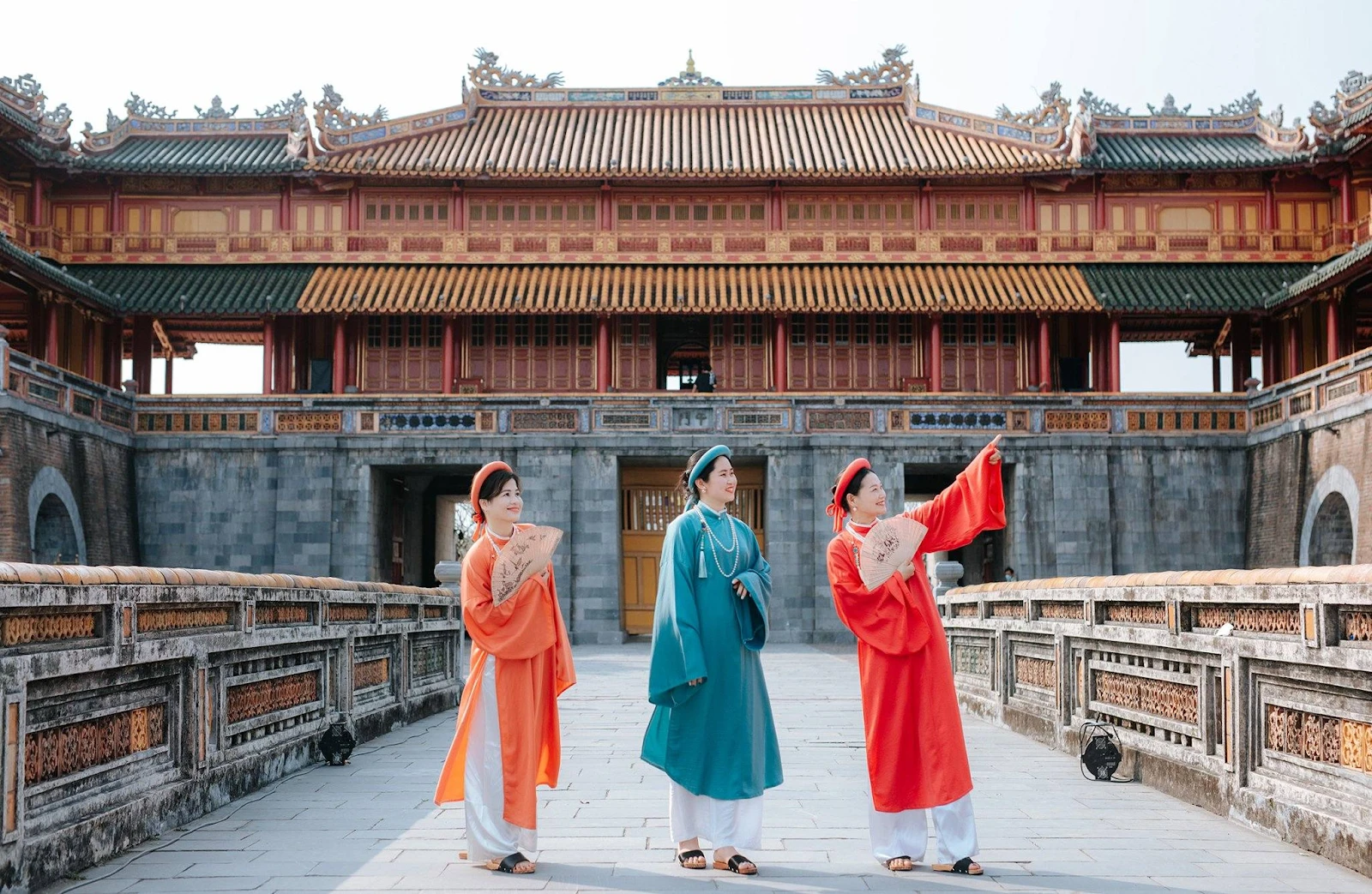
A 3-day-2-night itinerary to explore Hue’s standout attractions
6. Self-Guided Travel Costs in Hue and Important Notes
The cost of a self-guided trip to Hue usually depends on transportation, accommodation, and attractions. On average, a 3-day-2-night trip may range from about 3,000,000 to 6,000,000 VND per person.
Before departure, travelers should prepare a checklist of attractions and estimated expenses to organize the itinerary more easily. In addition, booking accommodation in advance during peak travel season also helps avoid sold-out situations.
7. FAQs – Self-Guided Travel Tips for Hue
1. When is the best time to visit Hue?
From March to August is the most favorable period for sightseeing in Hue.
2. How far is Hue from Da Nang?
Hue is about 100 km from Da Nang and can be reached by car or train in around 2 to 3 hours.
3. Is self-guided travel in Hue easy?
Hue is quite easy to explore independently thanks to its developed transport system and tourism services.
4. Which area should I stay in when visiting Hue?
The central area near the Perfume River and Truong Tien Bridge is a convenient choice for sightseeing.
5. What specialties is Hue famous for?
Some standout specialties include Bun Bo Hue, Com Hen, Banh Beo, Banh Nam, and various Hue sweet soups.
6. Is 3 days and 2 nights enough for a trip to Hue?
This time frame is enough to visit the main attractions in the city and several nearby destinations.
7. Can Hue be combined with Da Nang in one trip?
Absolutely. Many travelers combine visits to Hue - Da Nang or Hue – Da Nang – Hoi An in the same journey.
8. Does Hue have beautiful beaches?
Some famous beaches near Hue include Lang Co, Thuan An, and Canh Duong.
9. How much does a trip to Hue cost?
The average cost is around 2–4 million VND for a 3-day-2-night trip.
10. Is Hue suitable for family travel?
Hue is quite suitable for family trips thanks to its many cultural and natural attractions.
New Posts