


See all results for ""

 Anytime
 Tiếng ViệtEnglish
 한국어
한국어 日本語
日本語 简体中文
简体中文 Français
 Deutsch
 Español
 Italiano
 Русский


 Login for Corporates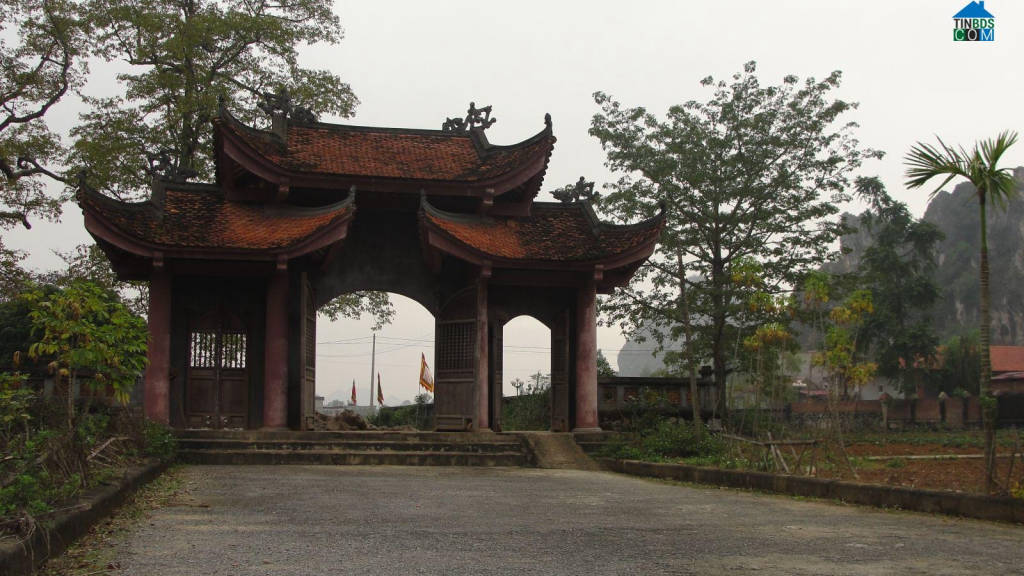
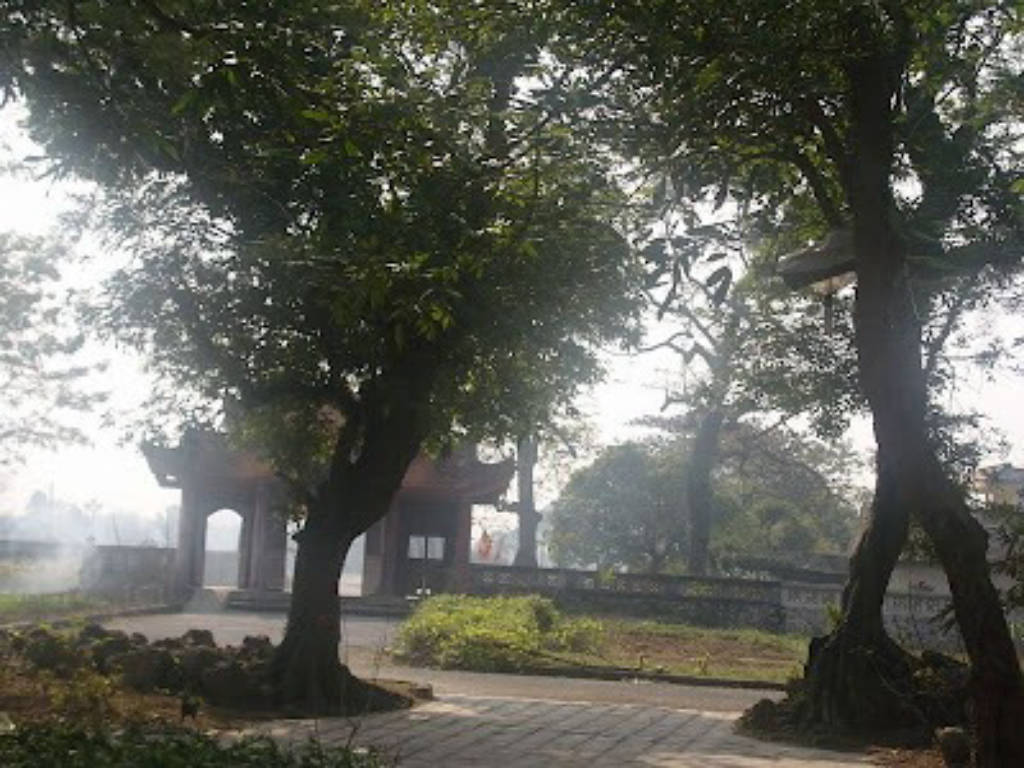
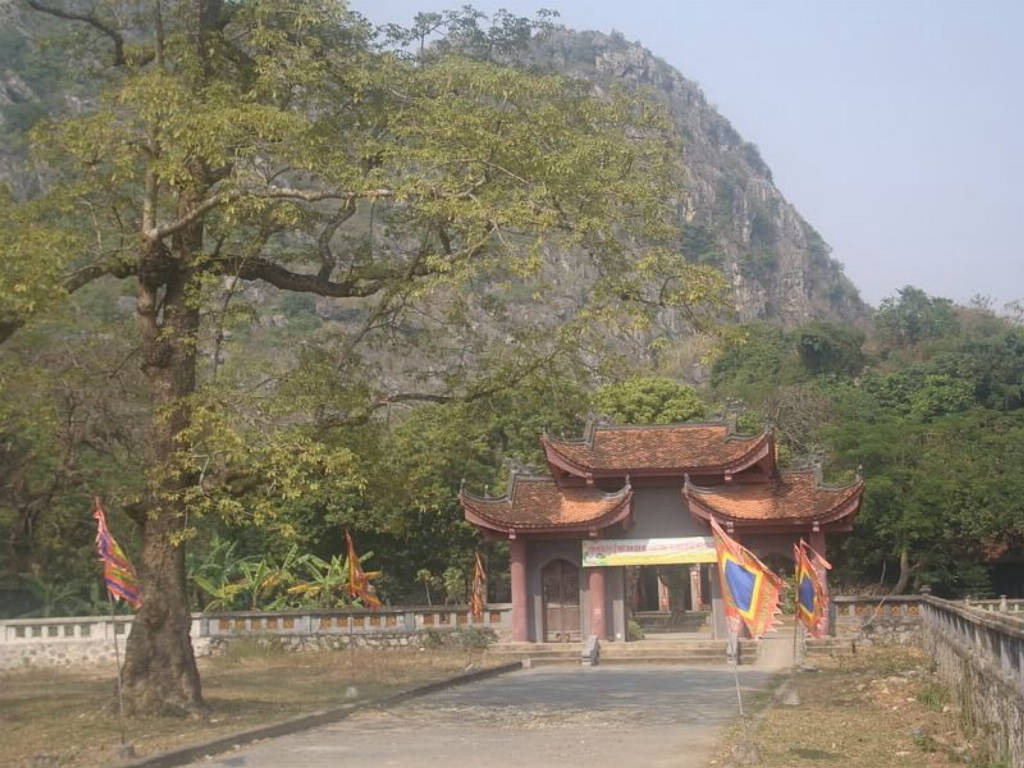
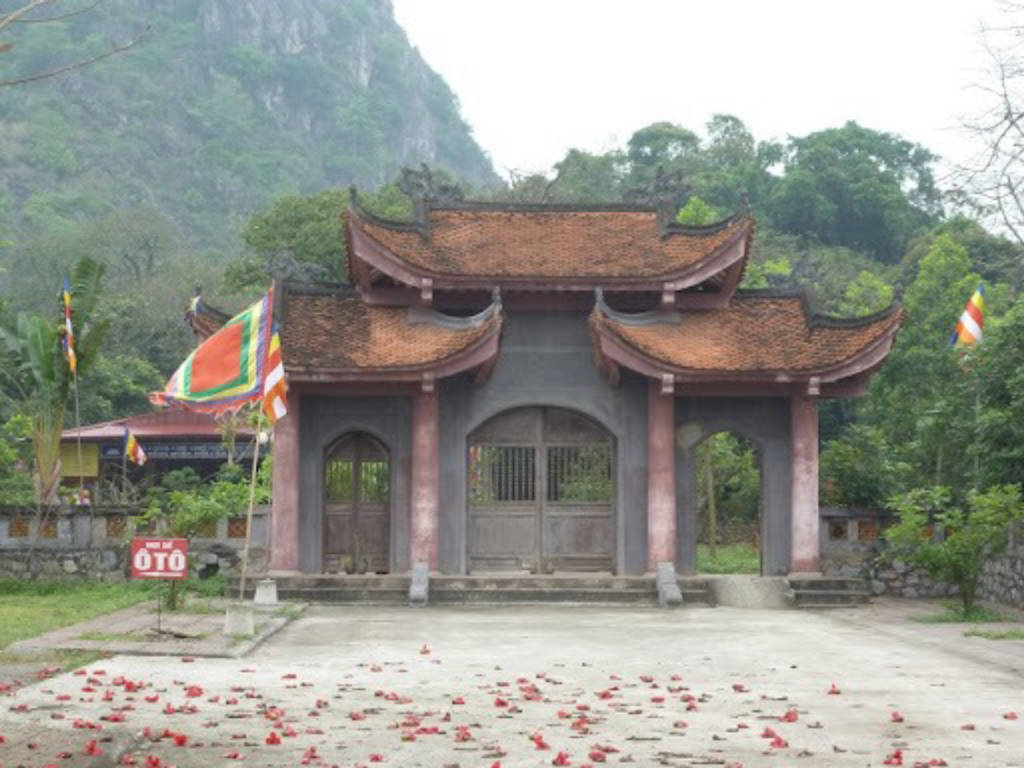
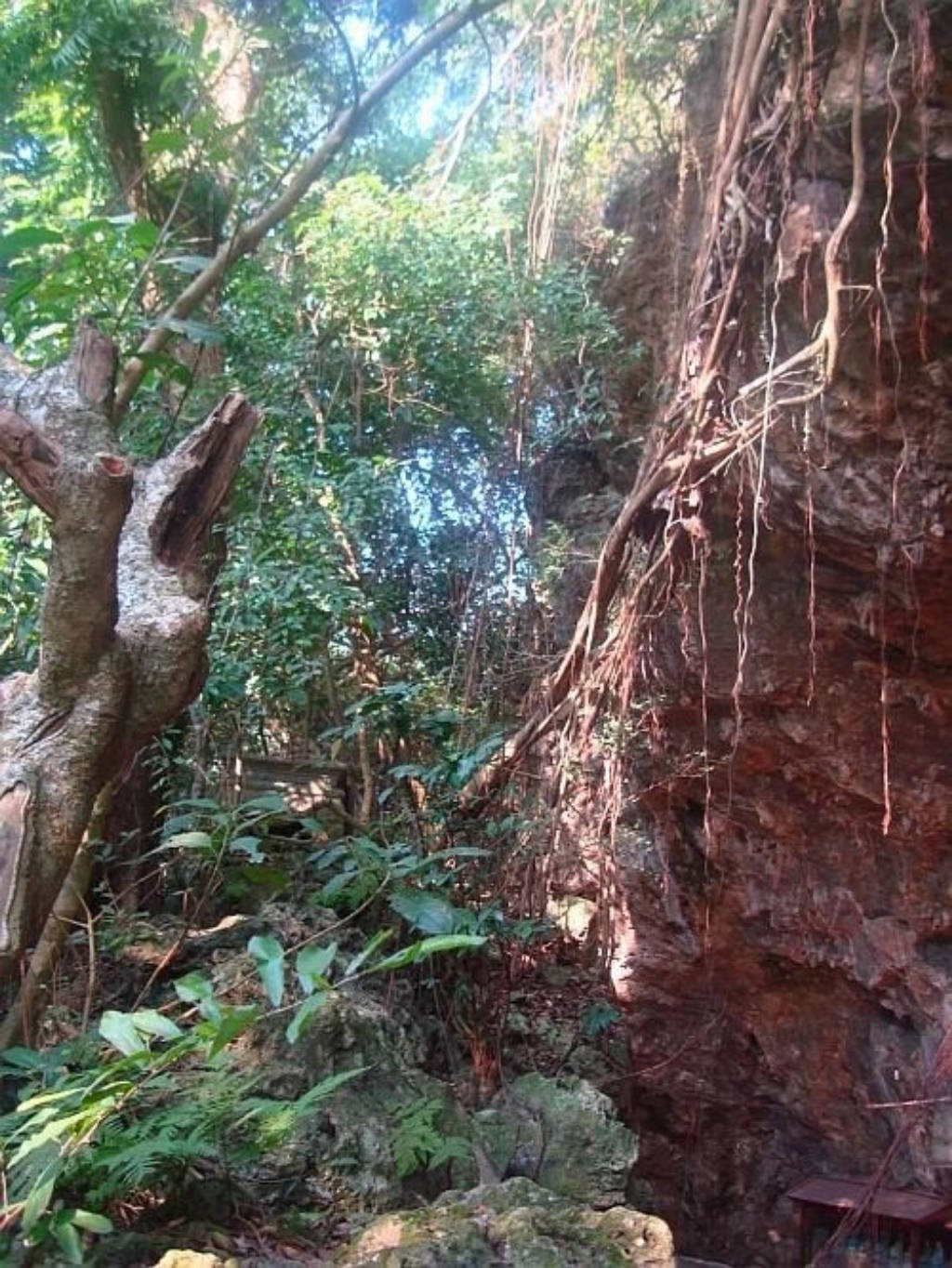
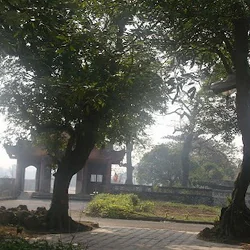
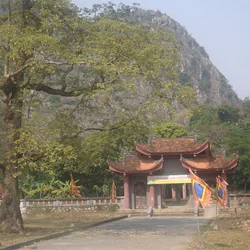
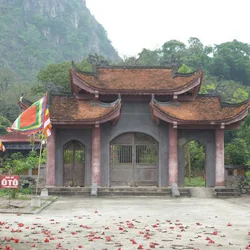
Thien Ton Pagoda and Cave
 Trường Yên, Hoa Lư, Ninh Bình
Pagodas play an important role in Ninh Binh tourism, especially temples built inside mysterious caves attract many visitors to this land to explore. Thien Ton cave and pagoda are one of them.
Thien Ton Cave is a historical and cultural relic belonging to Hoa Lu ancient capital complex. The cave is located in Thien Ton Town, Hoa Lu District, Ninh Binh Vietnam.
If Bai Dinh pagoda is the place to worship Saint Cao Son, the mountain god at the west gate of the capital, then Thien Ton cave is the place to worship Saint Quy Minh, he is the goddess at the south gate of the ancient capital, Thien Ton. The cave is the place to worship Saint Thien Ton, who guarded the eastern gate of Hoa Lu ancient capital.
Legend has it that in the 10th century, before leading his army to defeat the 12 warlords, Dinh Bo Linh brought offerings to Thanh Thien Ton and asked him to help defeat the other envoys. After ascending the throne, King Dinh Tien Hoang chose Hoa Lu as the capital. Here, in this Thien Ton town, the emperor ordered the construction of Tien Sa house and Kinh Thien palace to welcome foreigners to the capital.
In 1981, the archaeological site of Thien Ton Cave was discovered. Artifacts include floor tiles decorated with phoenix and lotus flowers, pieces of tower models, wave-shaped sculptures with 3 different large and small peaks, two small duck statues of the Ly Dynasty, and a dragon head statue of the Tran Dynasty. , many pieces. From the lotus pedestal of different sizes, glazed with green and yellow, many decorative pieces of terracotta... Inside the cave is a strange stone object in the shape of a rectangular box, decorated with a dragon.
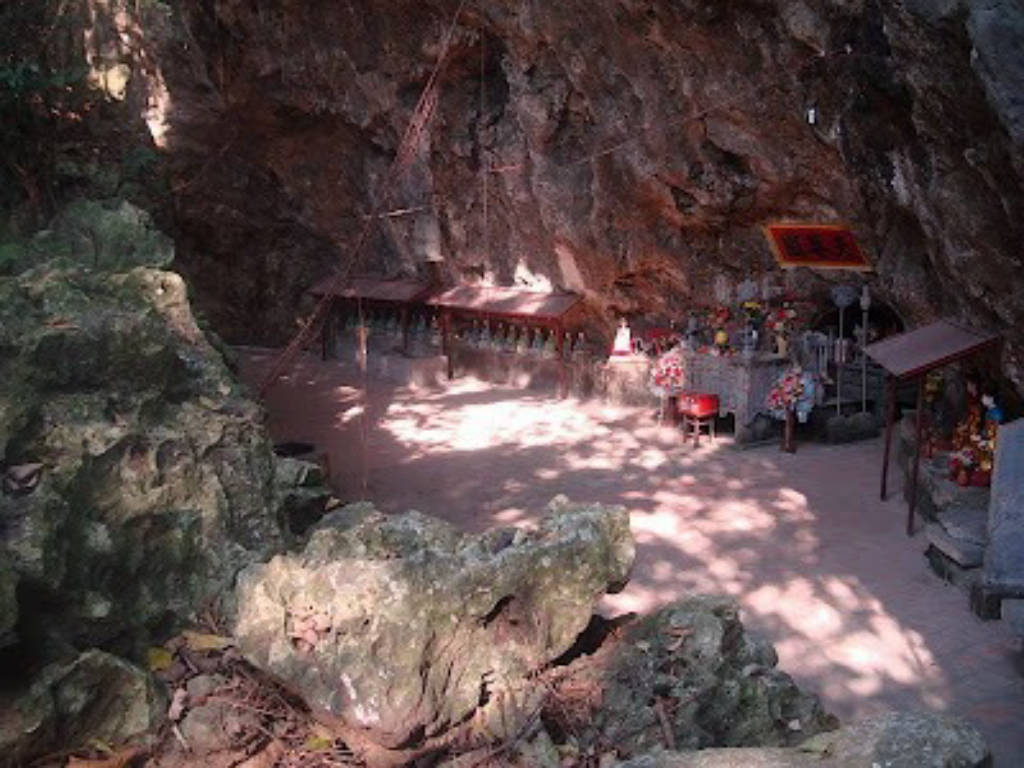
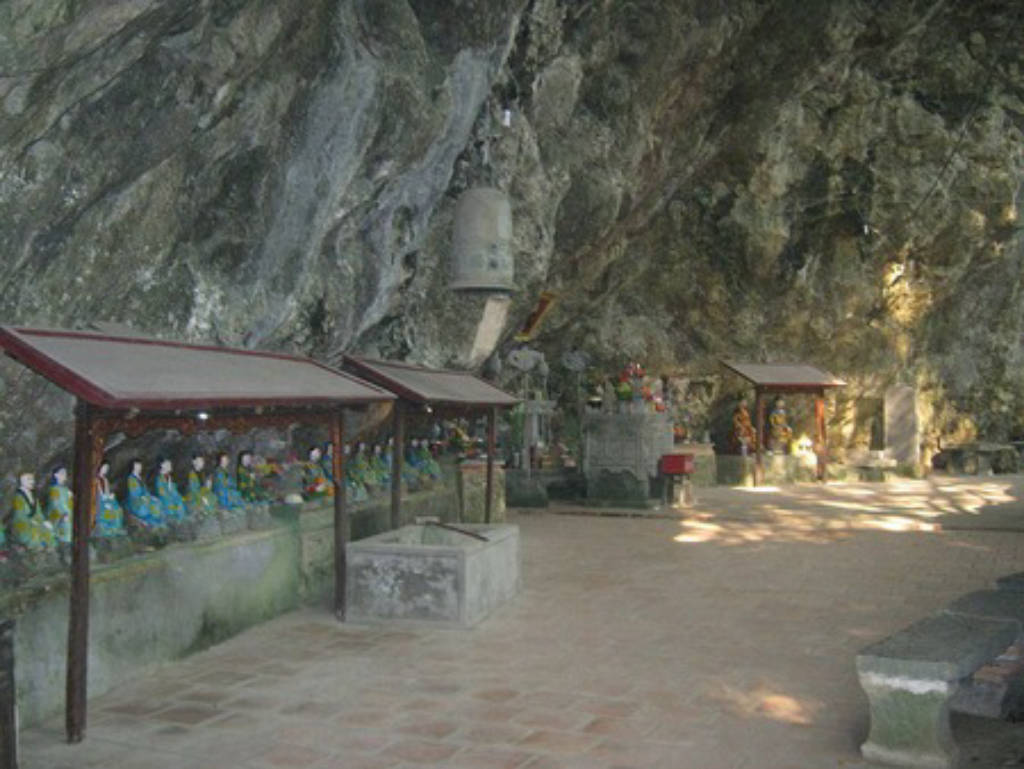
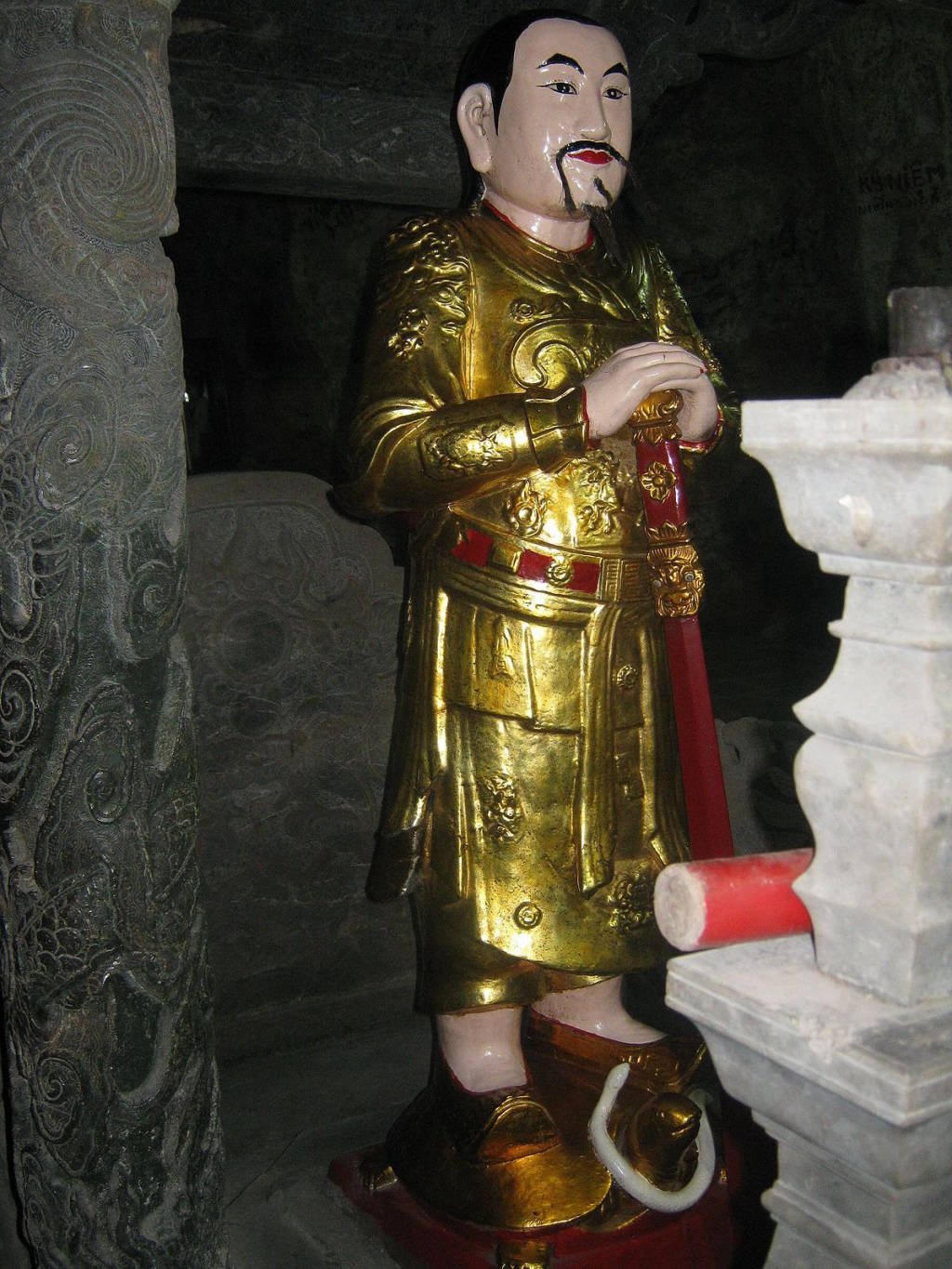
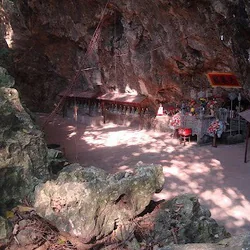
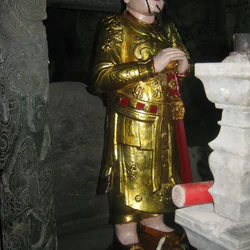
Thien Ton Cave has two caves: the inner cave and the outer cave. At the entrance of the inner cave, there is a bronze statue of Saint Thien Ton standing on the back of a turtle. The statue is colorful. The statue's hands are placed in front of its chest and holding a sword. The tip of the sword touched the turtle's back. So this cave is called Thien Ton Cave
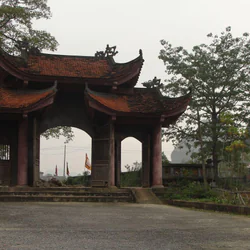
"Dung Duong Son" is the three words written on the gate of Thien Ton cave. It means the mountain that blocks the flow from above.
Thien Ton is a land with mountains and rivers creating a defensive position, so Dinh Tien Hoang and Le Dai Hanh set up the Hoa Lu capital outpost here.
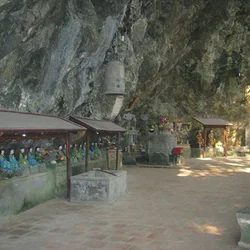
After moving the capital to Dai La, King Ly Thai To still had many large-scale architectural works built here. Under the Tran Dynasty and other feudal dynasties, this place was still embellished and built. Inside Thien Ton Pagoda, worshiping objects of great cultural and historical value were restored such as 18 Arhat statues, altars with incense burners, stone altars decorated with "two dragons adoring moon" patterns. phoenix, flowers. … The lines are intricately carved and show the ingenuity of the artisans. In particular, there are two large bells with four buttons that emit four different sounds
In 1962, Thien Ton cave and pagoda were recognized as national historical and spiritual relic by the Ministry of Culture, Sports and Tourism. This is also a tourist destination of considerable stature in the tour to the ancient capital of Ninh Binh.
Besides the Bai Dinh pagoda tour or Hoa Lu Tam Coc tour, visitors can also choose Thien Ton cave and pagoda as destinations in their spiritual tour in Ninh Binh.