


See all results for ""

 Anytime
 Tiếng ViệtEnglish
 日本語
日本語 한국어
한국어 简体中文
简体中文 Français
 Deutsch
 Español
 Italiano
 Русский


 Login for Corporates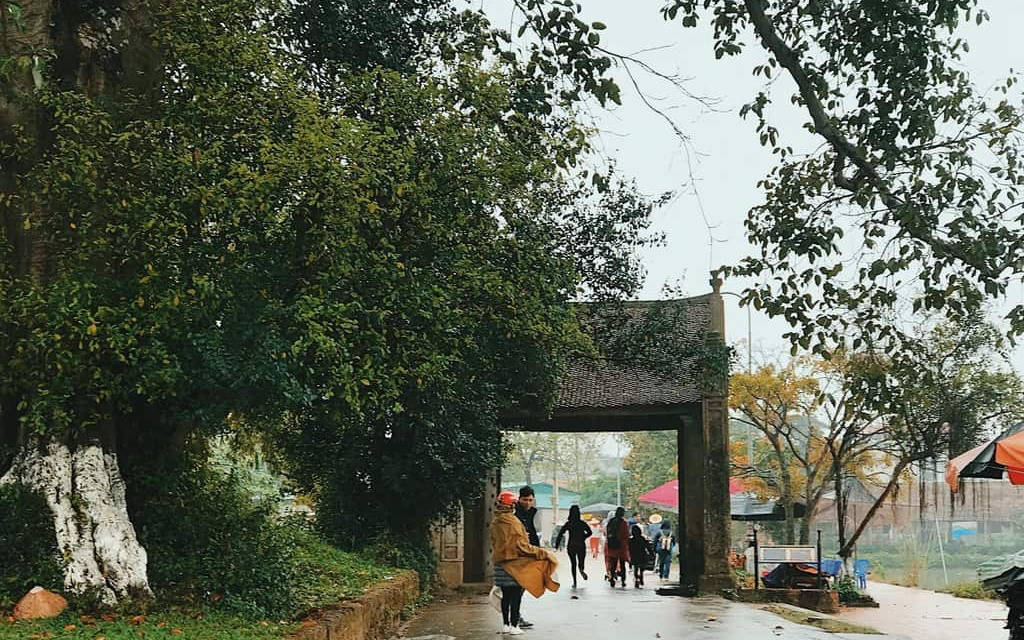
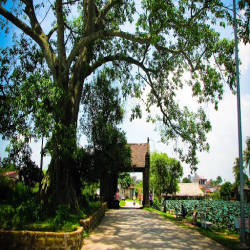
Duong Lam ancient village
 Đường Lâm, Sơn Tây, Hanoi, Vietnam
After recognizing Hoi An ancient town, Duong Lam village in Son Tay town (about 60km west of Hanoi capital) is the first ancient village recognized as a national monument by the Ministry of Culture and Information. ."
Two of the kings of Vietnam, Phung Hung (761-802) and Ngo Quyen (896-944), were born in Duong Lam. Both of them led the resistance against the invasion of the North and after gaining national independence, both became kings. After they passed away, local people built temples to honor and remember them.
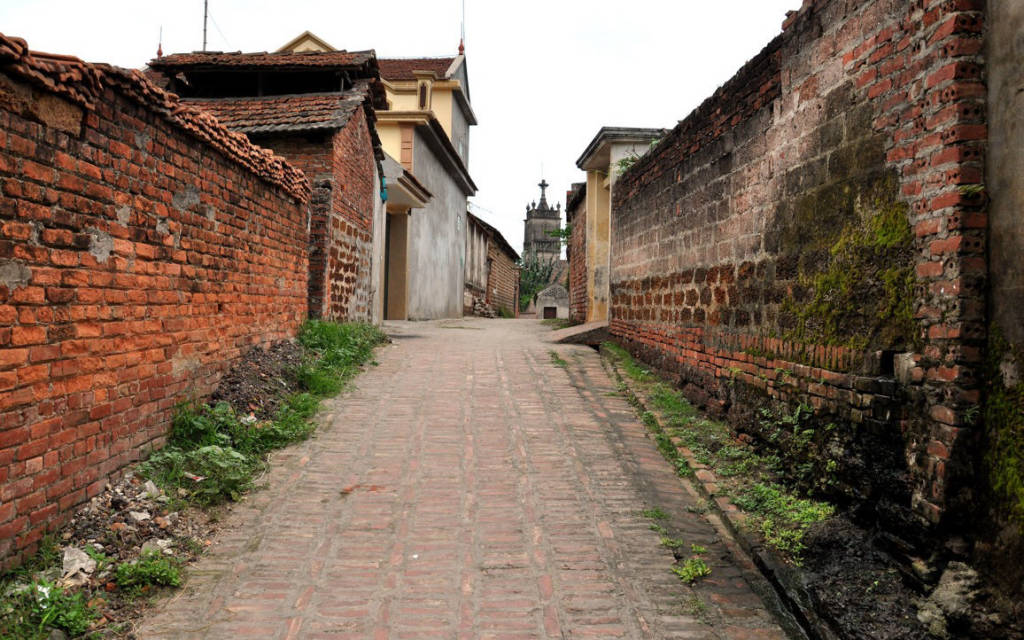
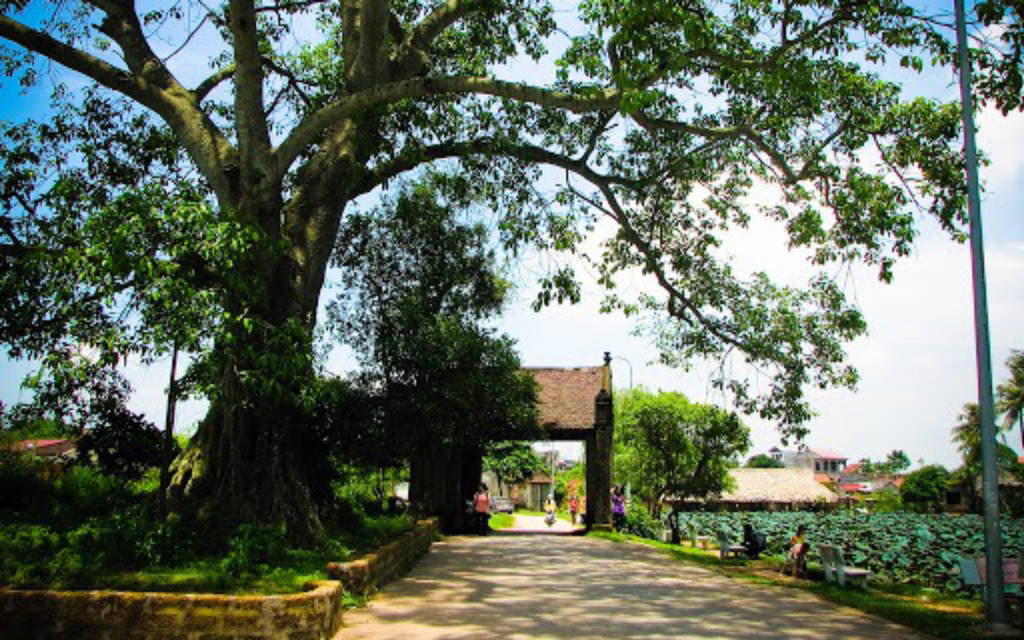
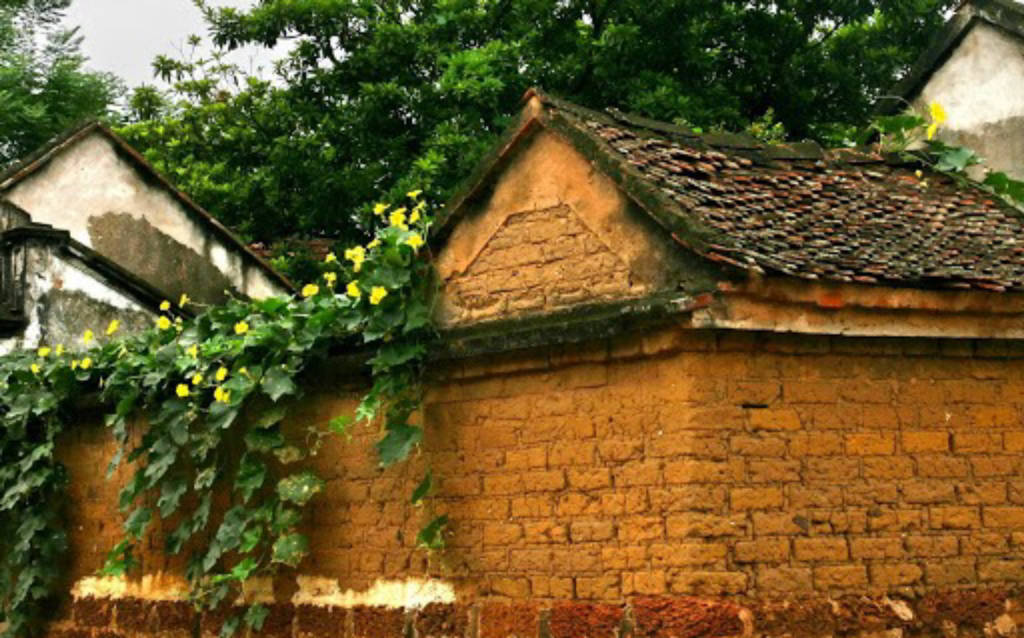
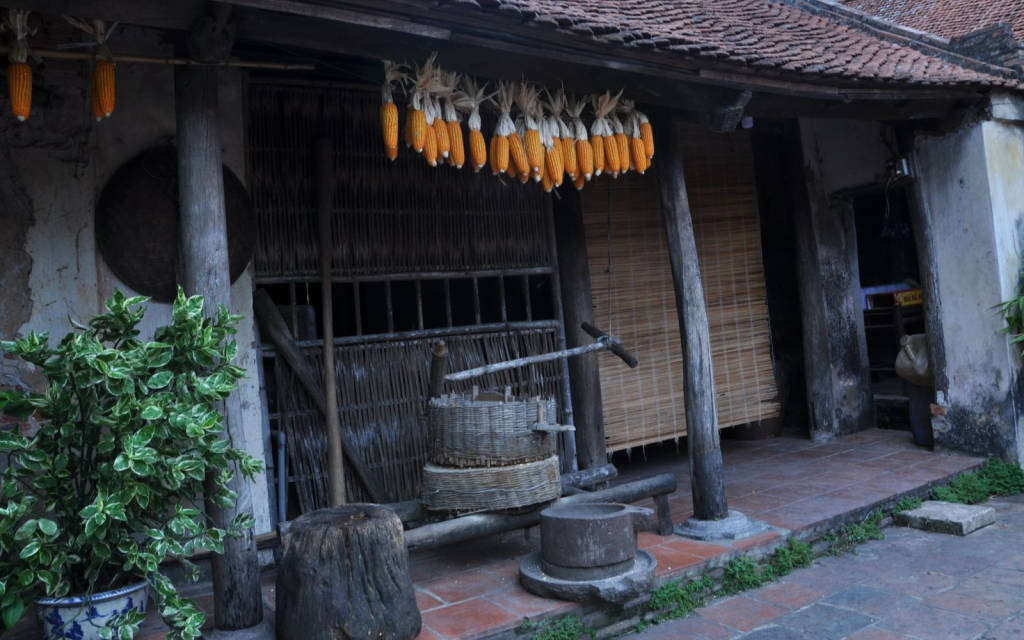
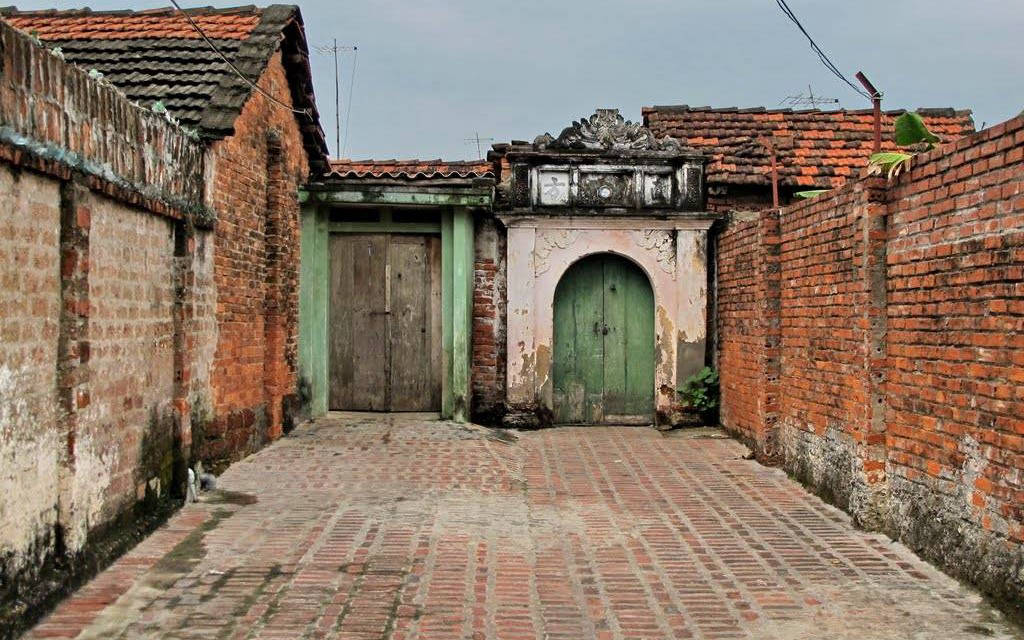
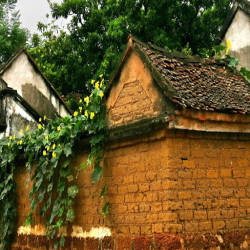
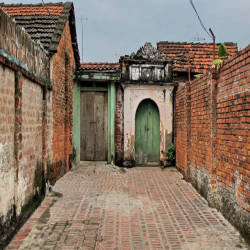
The ancient village has a history of about 1,200 years with many houses dating back up to 400 years. A special thing about the village is that most of the architecture here is made of laterite and mud, two materials that are abundant in the region. Laterite is used on house walls, gates, wells, temple walls, etc. The mud is taken from ponds. In addition to its historical and tourism value, Duong Lam ancient village is also an important place for scientists to study about the ancient farming community. Village gate, banyan tree, well, village communal house are important factors in classifying Duong Lam ancient village.
1. Water well
Common wells are built in every hamlet in Duong Lam village and bear the name of that hamlet. Currently, each family has its own well, but the common well is still protected and used because many imprints of the villagers are still preserved.
2. Communal house
The communal house is the place to worship the god - the settler founded the village. The ancient village is made up of 5 villages, so there are 5 communal houses. Doai Giap communal house and Cam Lam communal house worship Phung Hung - the national hero who had merit in fighting foreign invaders under the Tang Dynasty; Cam Thinh communal house worships the founder of the country, Cao Phuc Dien - a hero under the Le dynasty. Dong Sang communal house worshiped God but was destroyed by fire and was supported by the people to restore it. The god Tan Vien Son is worshiped in Mong Phu communal house. Until now, Mong Phu communal house is the gathering place for cultural activities of the villagers. The house is carefully made with exquisite decorative details. It is likened to a flower of unique sculptural architecture.
3. Ancient houses and other monuments
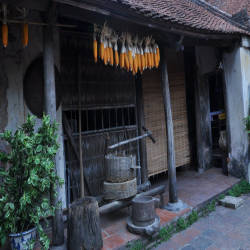
Ancient houses mainly have 5 or 7 compartments and 2 wings (meaning 5 or 7 large rooms and 2 small rooms). It has 5 rows of columns, sometimes 4 rows. The house has a speciality by delicately carved details of flowers, leaves and clouds.
The wooden door system is very solid. Each span has 4 door leaves with upper and lower joints. The threshold is made of solid wood, 40-50cm above the ground and 10cm from the floor. This distance helps to ventilate well and avoid mold on the door sills. The entire system of thresholds is a brace system that links all spans together.
As for tangible cultural relics, Duong Lam has 21 relics including temples, pagodas, mausoleums and 10 relics that have been ranked national and provincial relics. As for intangible cultural relics, Duong Lam also preserves festivals, customs, and literature about people and Duong Lam land through the periods. Regarding the ecological environment, Duong Lam has many beautiful scenes associated with legendary stories such as Sword Hill, Ho Gam and stories about two kings Phuong Hung and Ngo Quyen.
The construction of new cultural works in order to honor history and national heroes and promote tourism activities should ensure harmony between traditional and modern cultural values, the relationship between conservation and development. develop. Today, preserving, restoring and developing the value of Duong Lam ancient village is very important, contributing to the preservation of the national cultural heritage.