


 Tiếng ViệtEnglish
 한국어
한국어 日本語
日本語 简体中文
简体中文 Français
 Deutsch
 Español
 Italiano
 Русский


 Login for Corporates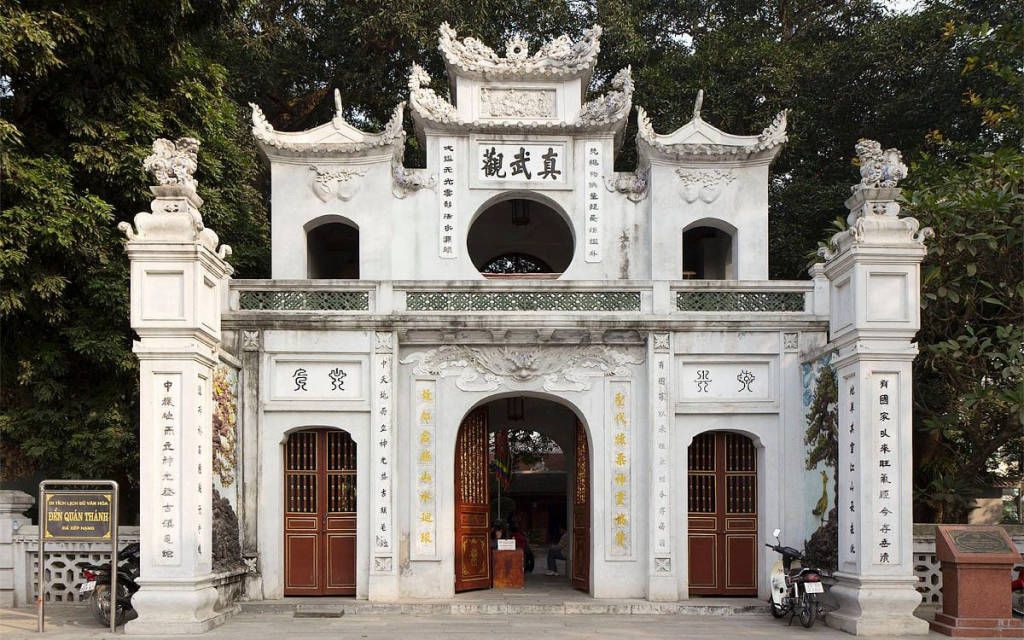
Quan Thanh Temple
 No. 190 Quan Thanh Street, Ba Dinh Ward, Hanoi City, Vietnam
In the heart of vibrant Hanoi, where Quan Thanh Street bustles with traffic and daily life, there exists a tranquil haven that mirrors the calm waters of West Lake – Quan Thanh Temple. Locals also call it Tran Vu Quan, located in Quan Thanh Ward, Ba Dinh District.
Welcome to one of Hanoi’s most ancient and revered spiritual landmarks: Quan Thanh Temple, also known as Tran Vu Guan. More than just a tourist attraction, this is a profound cultural and spiritual heritage deeply intertwined with the thousand-year history of the capital.
1. Location and History
Located right at the intersection of Thanh Nien and Quan Thanh streets, Quan Thanh Temple enjoys a stunning location right beside the breezy West Lake. Built in the 11th century during the Ly Dynasty, it is one of the "Thang Long Tu Tran"—the four sacred temples guarding the four cardinal directions of the ancient Thang Long Citadel. The temple was erected to worship Huyen Thien Tran Vu, the guardian deity of the North according to Vietnamese folk beliefs.
Since ancient times, it has been a sacred place for Hanoians and visitors from surrounding areas to pray for peace and good fortune. Preserved and restored across centuries, the temple still fully retains its sacred spirit and historical significance.
2. Unique Architecture and the Black Bronze Statue Masterpiece
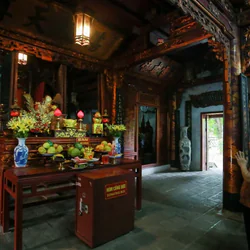
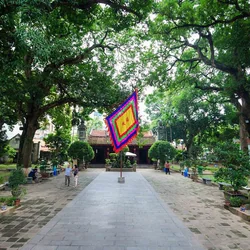
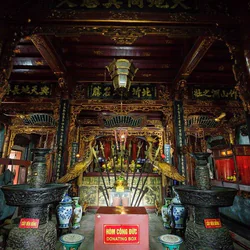
Upon entering the temple, you will immediately feel the ancient atmosphere crafted by traditional Vietnamese architectural styles blended with Taoist elements. Built from ironwood and blue stone, the temple features a solemn Tam Quan (Three-arched) Gate and characteristic gracefully curved tiled roofs.
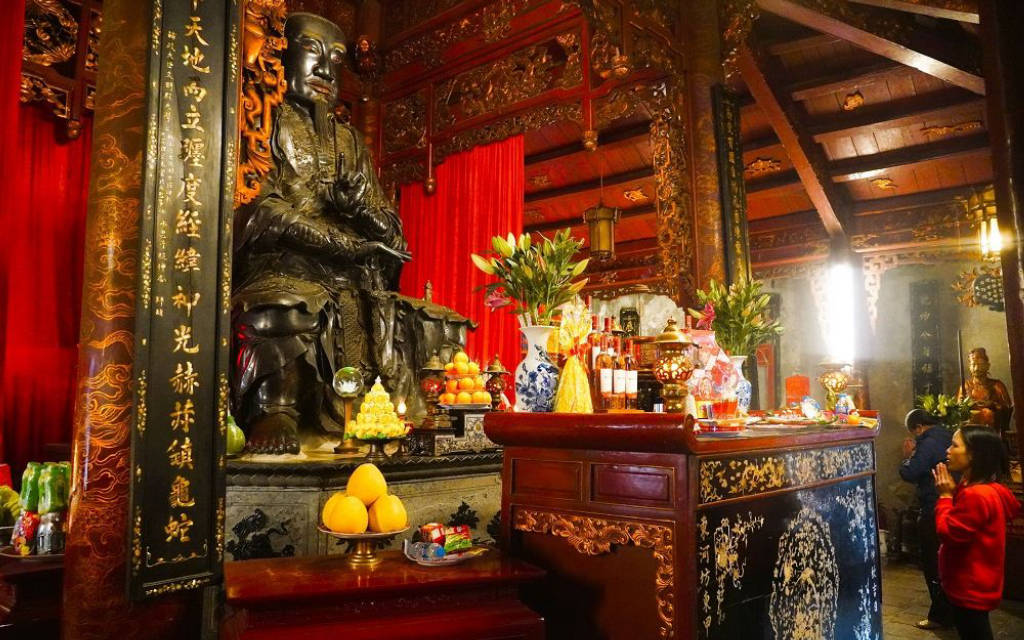
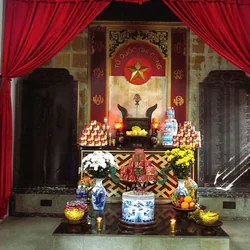
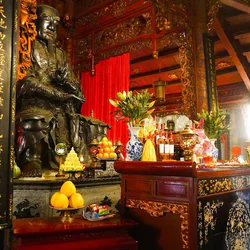
The highlight of the temple is the magnificent black bronze statue of Huyen Thien Tran Vu. Standing nearly 4 meters tall and weighing 4 tons, it is an artistic masterpiece of 17th-century bronze casting. Seated on a stone pedestal, the deity holds a sword wrapped by a serpent, symbolizing the power to subdue evil spirits and protect peace. Beyond its spiritual value, this statue stands as a testament to the exquisite craftsmanship of ancient Vietnamese bronze artisans.
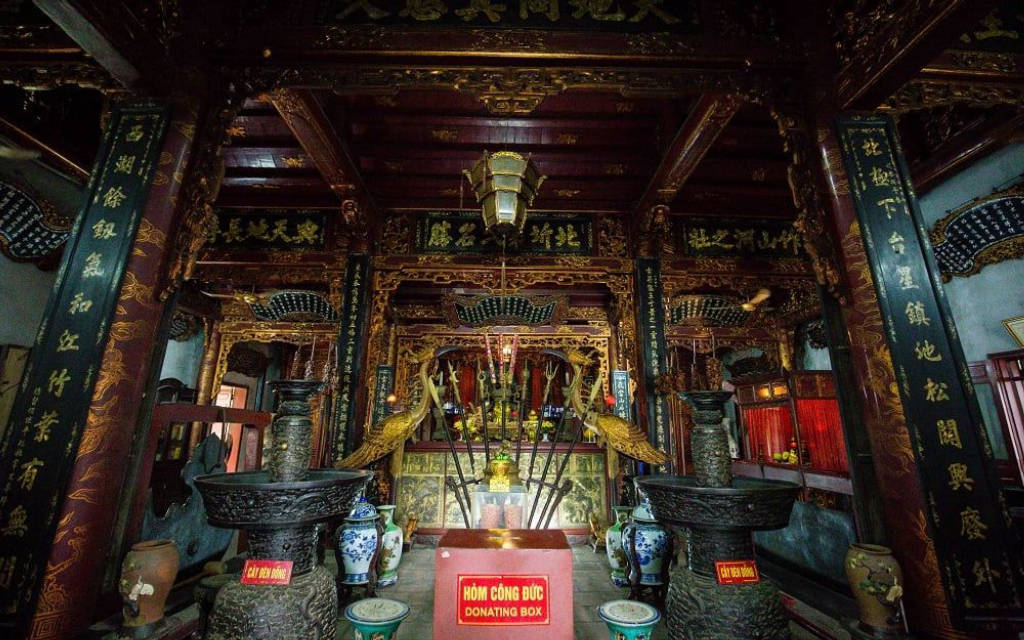
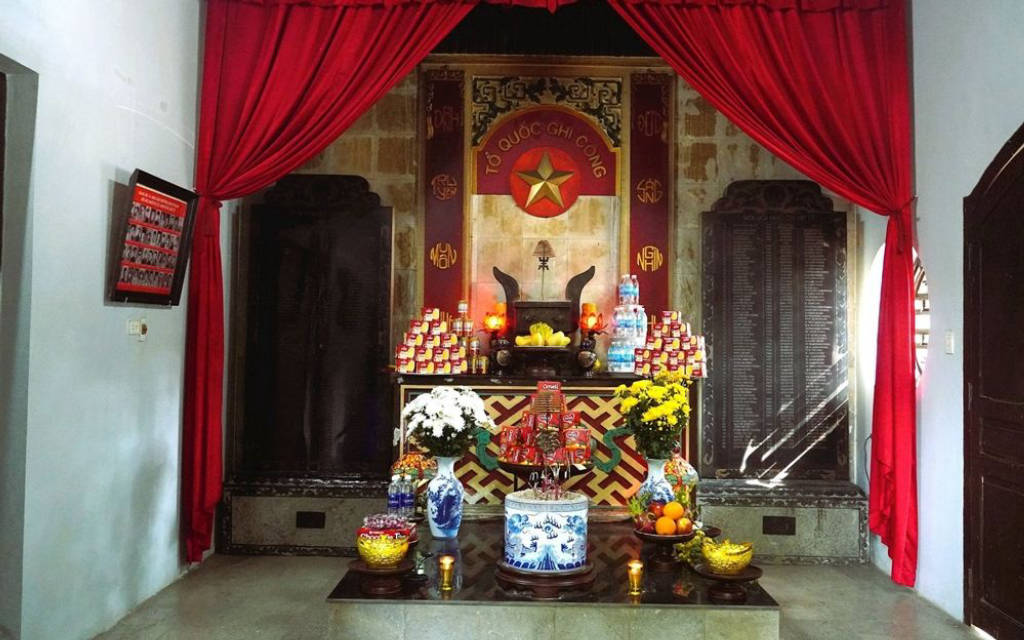
Additionally, the temple houses many precious artifacts, such as bronze bells, horizontal lacquered boards, parallel sentences, and delicately carved bas-reliefs depicting deities and floral motifs. Together, these elements create a sacred, antique, and richly artistic atmosphere.
3. Legends and Spiritual Value
Quan Thanh Temple is renowned not only for its architecture but also for the mystical legends associated with Deity Huyen Thien Tran Vu. According to legend, the deity assisted King Ly Thai To in subduing evil spirits to protect the Thang Long Citadel. Possessing extraordinary power, Deity Tran Vu became a symbol of valor and a protective guardian bringing peace to the people.
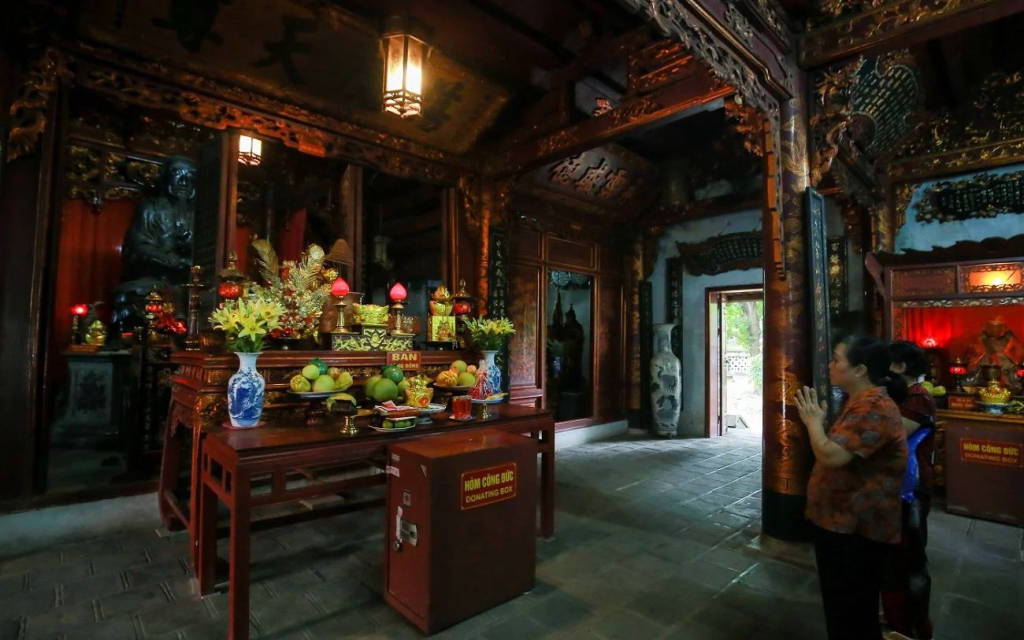
Ancient beliefs hold that Huyen Thien Tran Vu not only dispels evil but also bestows blessings, particularly regarding health, prosperity, and career success. As a result, the temple constantly attracts numerous visitors seeking prayers and inner peace.
4. Festivals and Experiencing the Temple
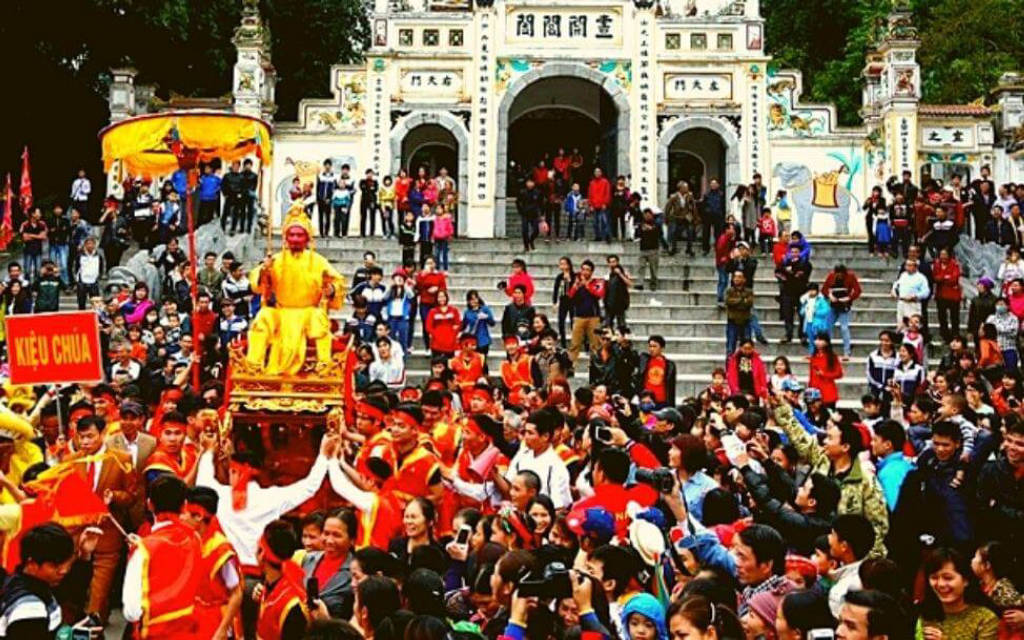
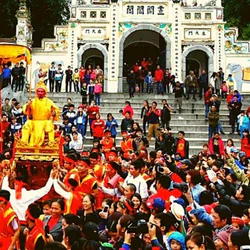
One of the best times to visit Quan Thanh Temple is during the early spring festivals, especially on the 15th day of the first lunar month (Full Moon of January). During these days, the temple comes alive with incense offerings, ceremonial rites, and traditional activities.
Hanoians often come here to pray for peace, good health, and smooth careers, while business owners seek prosperity and good fortune. You can also immerse yourself in the tranquil atmosphere and listen to the echoing temple bell, bringing a profound sense of serenity and relaxation.
5. Suggested Nearby Itinerary
After visiting the temple, don't forget to take a stroll around the adjacent West Lake and Truc Bach Lake areas. The tree-lined Thanh Nien Street and lakeside cafes serve as ideal spots to take in the views and enjoy Hanoi’s fresh air.
Furthermore, from Quan Thanh Temple, you can easily visit other nearby historical sites such as Tran Quoc Pagoda, Tay Ho Temple, or the Temple of Literature (Van Mieu - Quoc Tu Giam) for a complete journey exploring the capital’s rich cultural and historical beauty.
6. Conclusion
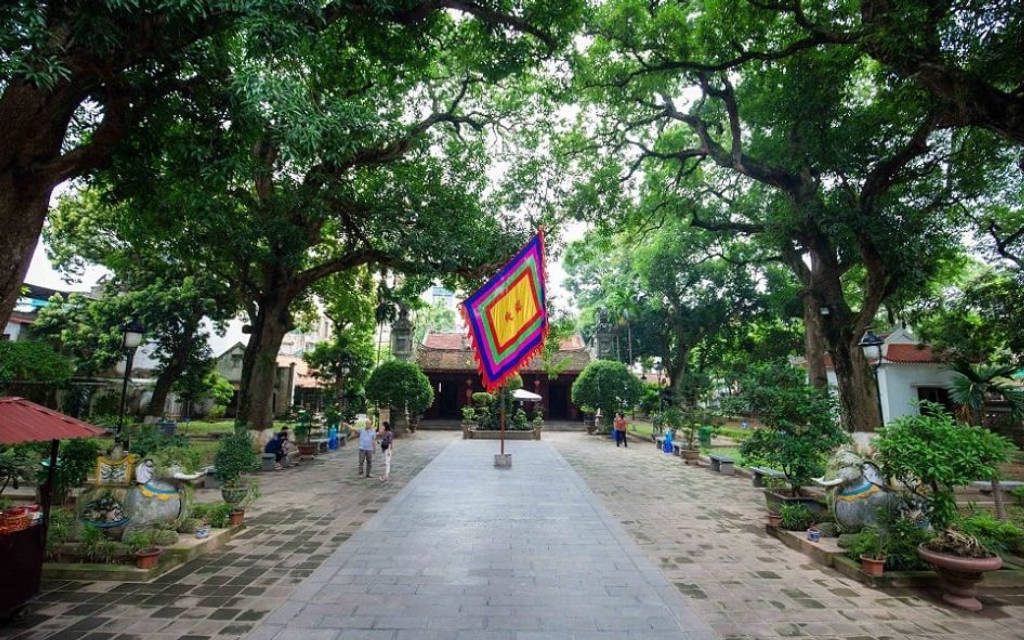
Quan Thanh Temple is not merely an ancient sanctuary; it is a symbol connecting the past with the present, history with spirituality. Beneath the shade of lush green trees, amidst a serene and sacred setting, the temple opens up a meaningful world where every step feels like a touch upon the flow of time.
Visit Quan Thanh Temple to experience deep peace, listen to legendary stories, and explore the enduring cultural heritage of this thousand-year-old land. It promises to be an unforgettable memory in your journey through Hanoi.
ADDITIONAL INFORMATION
- Opening Hours: 08:00 – 17:00 daily.
- Reference Price: 10,000 VND/adult.
- Visiting Time: About 15 – 20 minutes.
- Suitable for: Lovers of history, spiritual culture, ancient architecture, and traditional bronze casting techniques.
- Nearby Attractions: West Lake (Ho Tay), Tran Quoc Pagoda, Thang Long Imperial Citadel, Northern Gate (Cua Bac).