


 Tiếng ViệtEnglish
 한국어
한국어 日本語
日本語 简体中文
简体中文 Français
 Deutsch
 Español
 Italiano
 Русский


 Login for Corporates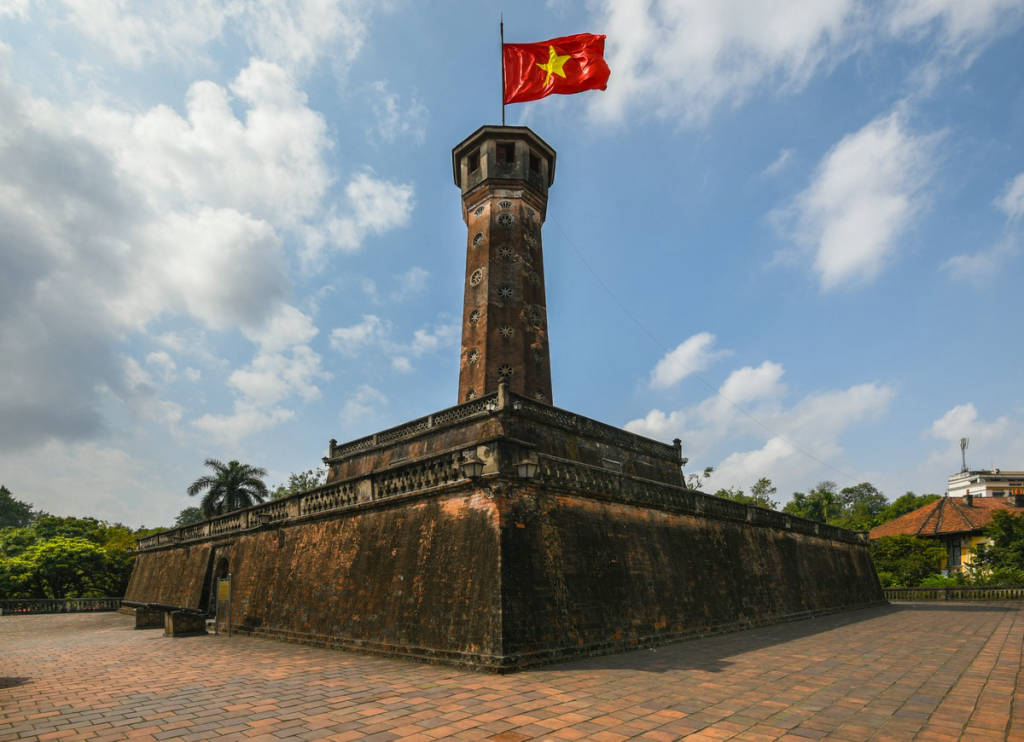
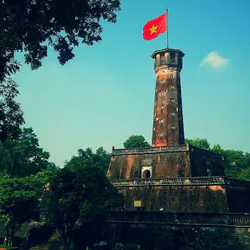

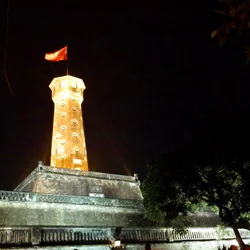
Hanoi Flag Tower
 28A Dien Bien Phu Street, Dien Ban Ward, Ba Dinh District, Hanoi City, Vietnam
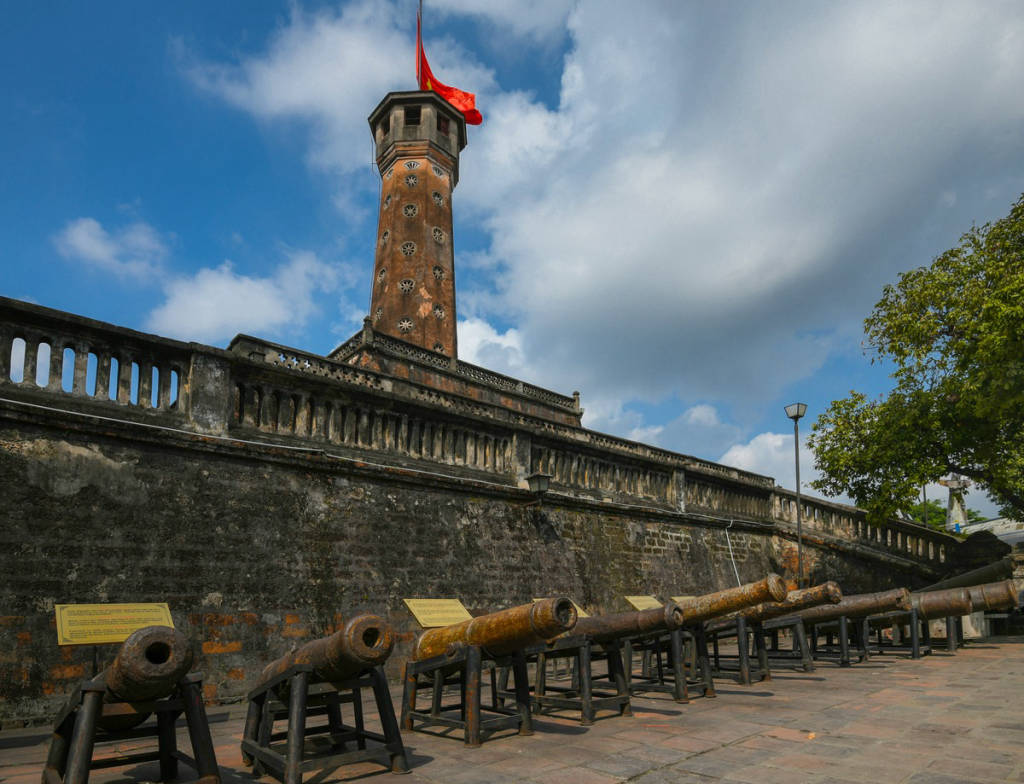
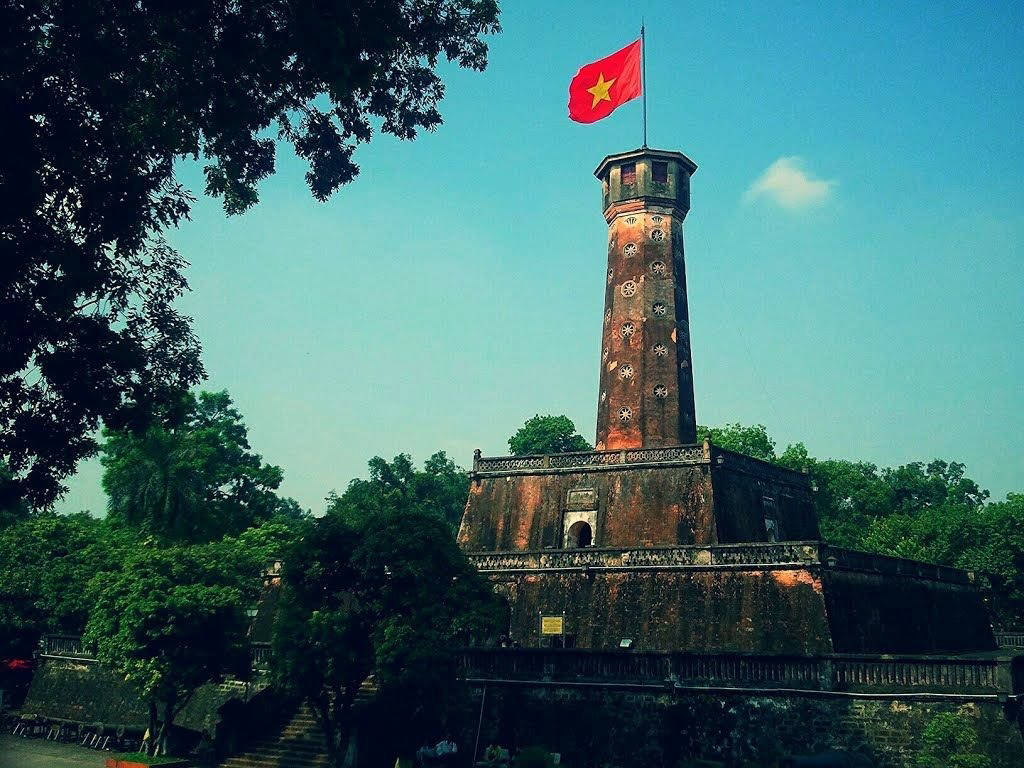
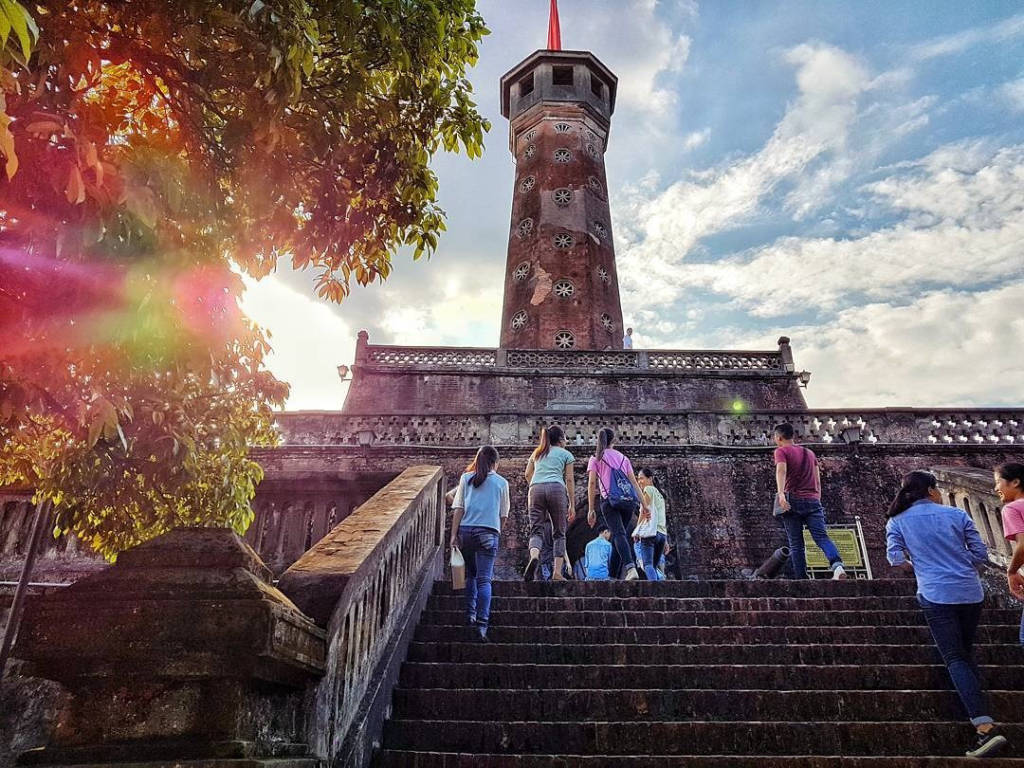
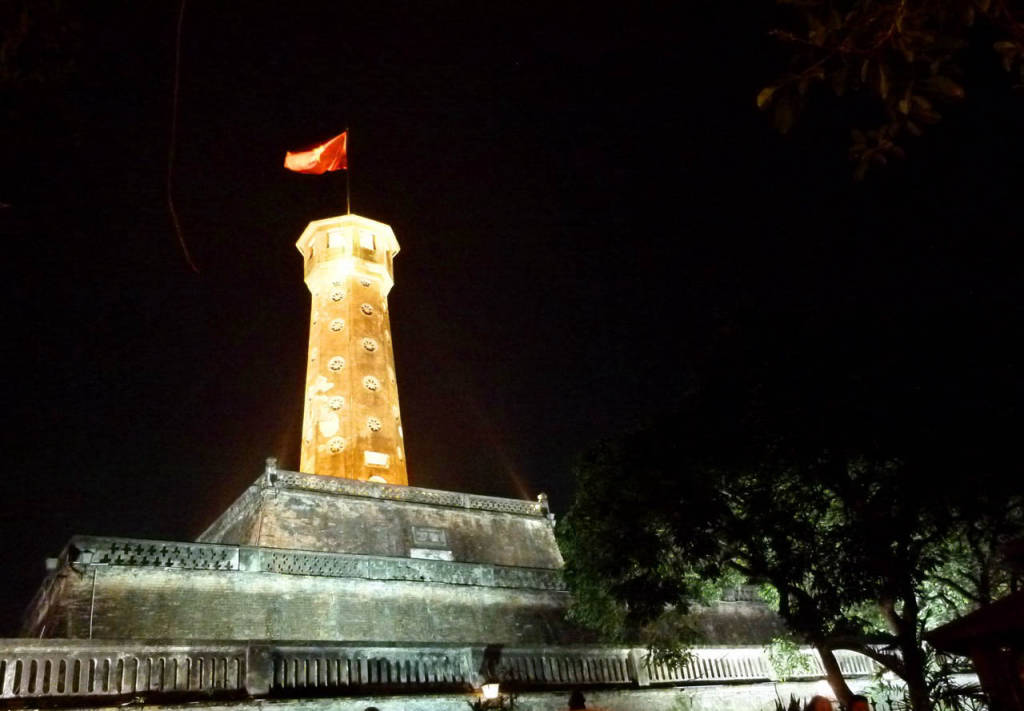
Hanoi Flag Tower, located at 28A Dien Bien Phu Street, Ba Dinh District, is one of the prominent historical and cultural symbols of the Capital, located in the Imperial Citadel of Thang Long. Built in 1812 under the Nguyen Dynasty, the independent architectural work is 41m high, where the red flag with yellow star flutters in the cool breeze. This is an attractive destination for tourists who want to explore the ancient beauty and heroic historical imprints of Hanoi.
Let's explore one of the special historical symbols of the thousand-year-old capital – Hanoi Flag Tower, a place that preserves the marks of a heroic era and a vivid testament to the indomitable spirit of the Vietnamese people.
1. Discovering the History of Hanoi Flag Tower
Hanoi Flag Tower is located on Dien Bien Phu Street, Ba Dinh District, south of the Thang Long Imperial Citadel. This structure was built in 1812 during the reign of King Gia Long, within the campus of the Thang Long Imperial Citadel. It is one of the few architectural works that remained intact after historical upheavals, especially during the French colonial period. Long ago, the Flag Tower served as an observation post and a symbol of the country's sovereignty. The tower stands 33.4 meters tall, and including the flagpole, it reaches a height of 41 meters. In the early period, the Dai Nam flag was flown at the top, symbolizing the majesty and authority of the court. Today, the red flag with a yellow star fluttering here symbolizes the independence, freedom, and pride of the Vietnamese people.
2. Unique Architecture of Hanoi Flag Tower
The Hanoi Flag Tower resembles a military fortress with a solid design, built with durable baked bricks. The structure consists of three square base levels and a hexagonal cylindrical column.
Three Base Levels:
- The first base level is 3.1 meters high, covering an area of 200 square meters, with a door leading to the upper level.
- The second level is 3.7 meters high, with a reduced area of about 64 square meters.
- The final level is 5.1 meters high, covering an area of 4.4 square meters, with doors named "Nghênh Húc" (Welcoming the Morning Light) facing east, "Hướng Minh" (Facing the Light) facing south, and "Hồi Quang" (Reflecting Light) facing west.
Column:
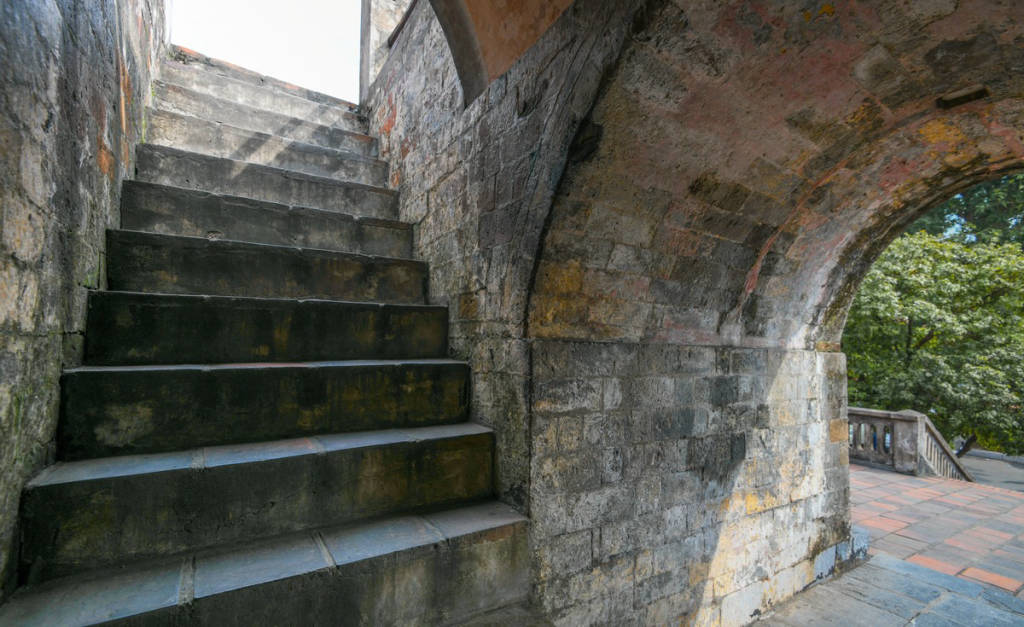
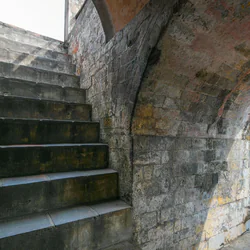
The hexagonal column rises straight up, with a diameter of about 2 meters, featuring an internal spiral staircase leading to the top. At the top is an observation platform, designed with 8 small windows for ventilation and panoramic viewing.
Flagpole:
The flagpole is the position where the national flag is proudly flown, symbolizing everlasting pride.
3. Historical and Cultural Significance
Hanoi Flag Tower is not only a unique architectural work but also a symbol of patriotism and the indomitable spirit of the Vietnamese people. Throughout the resistance wars against the French and Americans, this place witnessed many heroic struggles. Especially on October 10, 1954, the red flag with a yellow star fluttered atop the Hanoi Flag Tower, marking the liberation day of the capital, a moment deeply etched in the minds of generations of Vietnamese.
Today, Hanoi Flag Tower has become an unmissable destination for visitors to the capital. It is not only a historical landmark but also a place that allows us to deeply feel the enduring and indomitable spirit of the Vietnamese people through various periods.
4. Hanoi Flag Tower in the Hearts of Visitors
Visiting Hanoi Flag Tower, you will not only admire an ancient architectural work but also immerse yourself in the flow of history. Standing at the top of the tower, you can enjoy a stunning panoramic view of Hanoi, feeling the peaceful atmosphere amidst the bustling city. Additionally, Hanoi Flag Tower is located near many famous attractions such as Thang Long Imperial Citadel, Ba Dinh Square, Ho Chi Minh Mausoleum, and the Vietnam Military History Museum. Exploring these landmarks will be a meaningful journey, helping you understand more about the history and culture of the country.
5. Conclusion
Dear visitors, Hanoi Flag Tower is not only a historical relic but also a symbol of patriotism, national pride, and the aspiration for freedom. Stopping here, we can admire the ancient architectural beauty and listen to heroic historical stories. Let the winds here sweep away your worries, making way for national pride and appreciation for traditional values. Hanoi Flag Tower will always be a beacon, reminding us of the enduring values of the thousand-year-old capital.
Some Notes When Visiting Hanoi Flag Tower
- The ideal time to visit is early morning or late afternoon when the weather is cool and the light is best.
- Bring a camera to capture beautiful moments and vibrant scenes.
- Since the Flag Tower is located within the Vietnam Military History Museum, visitors can combine visiting both places for a complete experience.
Opening Hours: Daily, except Monday: 09:00 – 17:00
Ticket Price: 20,000 VND per visitor