


 Tiếng ViệtEnglish
 한국어
한국어 日本語
日本語 简体中文
简体中文 Français
 Deutsch
 Español
 Italiano
 Русский


 Login for Corporates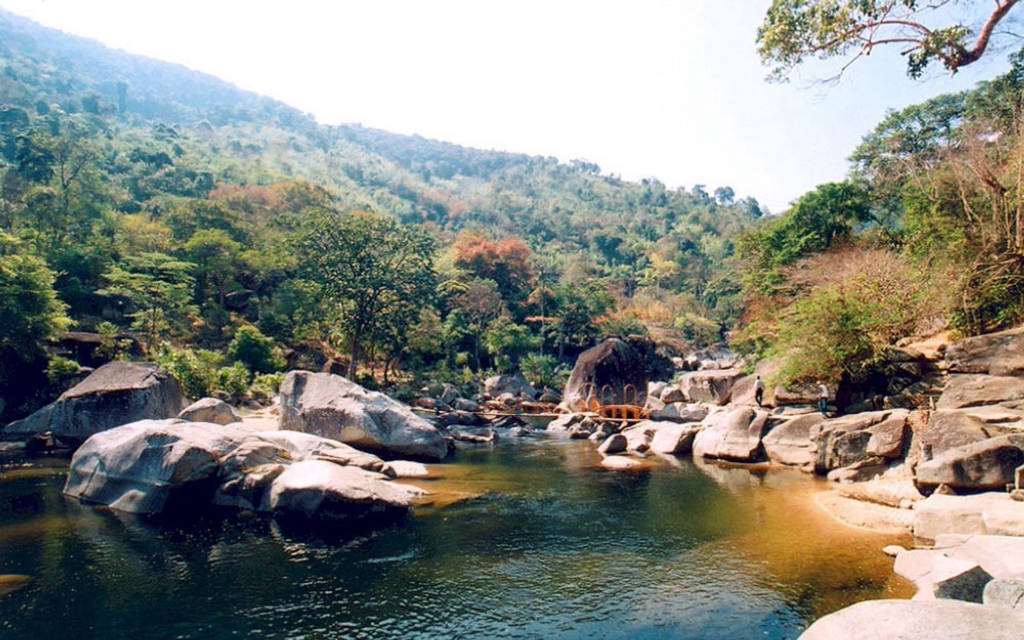
Yok Don . National Park
 Krông Na, Buôn Đôn District, Đắk Lắk Province, Vietnam
“Vietnam’s second largest nature reserve, the only national park to preserve dry deciduous dipterocarp forests in Vietnam”
Yok Don National Park borders 4 communes of Dak Lak province: Ea Bung commune, Chu M'Lanh - Ea Sup district, Krong Na commune - Buon Don district and Ea Po commune, Cu Jut district. The park covers a flat plain extending from eastern Cambodia to the northern provinces of Dak Lak and southern Gia Lai in Vietnam.
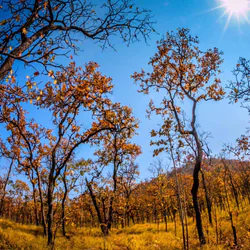
Yok Don National Park is flat with an altitude of 200m with lowland landscape mainly dry forest with seasonal puddles. Semi-evergreen forests can also be found along watercourses. However, there are a number of low hills within the national park; The highest is Yok Don mountain of the same name, 482 m high in the southeast range. Yok Don is bisected by the Srepok River - a major tributary of the Mekong River. During the dry season, the region's two largest streams, Dak Ken and Dak Na, are bisected into a series of intermittent puddles.
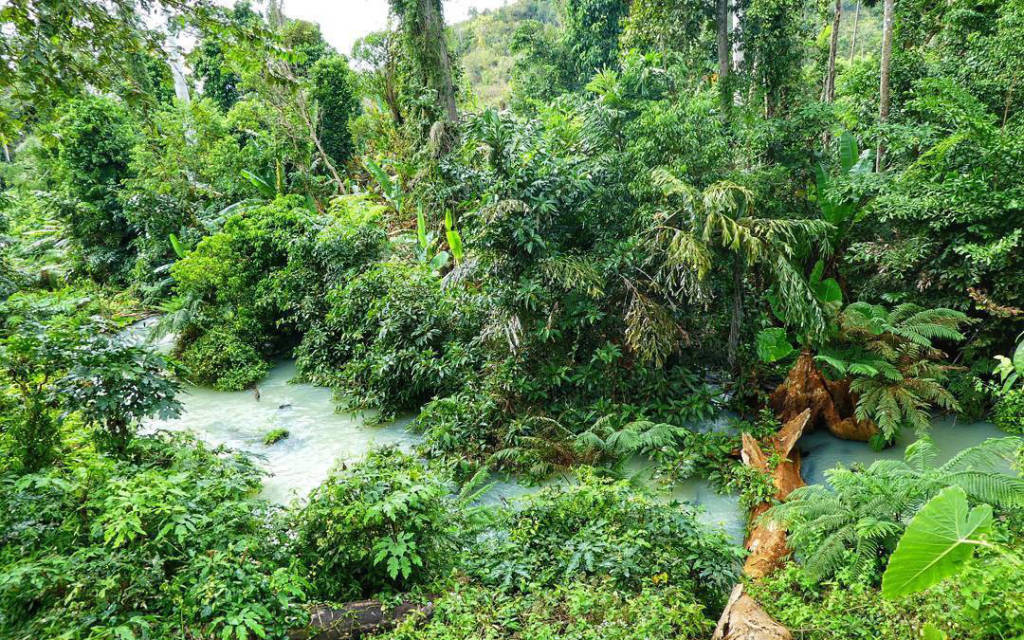
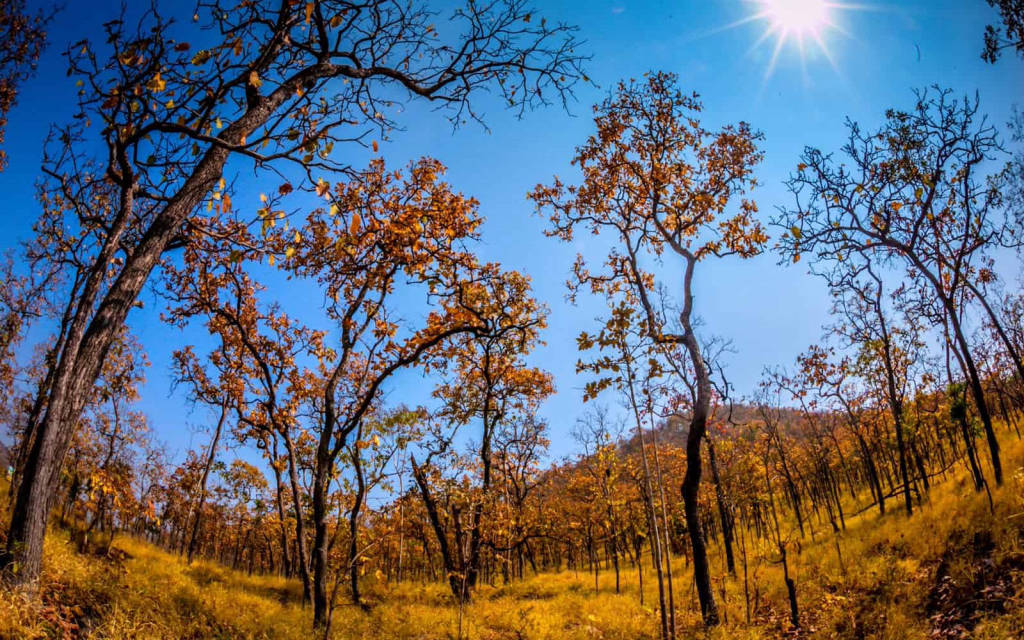
Vegetation in Yok Don National Park is mainly deciduous and semi-evergreen (mixed deciduous), with a smaller area of evergreen forest, especially on hills and riverside. Deciduous forests contain members of the Dipterocarpaceae family, including Dipterocarpus tubercle, D. falusifolius and Shoreaionary. However, the families Anacardiaceae, Combretaceae, Fabaceae and Myrtaceae are also represented. The canopy of this type of forest is wide and most trees have thick, fire-resistant bark. Unlike the deciduous forest, the semi-evergreen forest in this area has a closed canopy and is classified into five classes. This forest type is characterized by the presence of Lagerstroemia calyculata, Shorea cochinchinensis and Anisopterascaphula. Evergreen forest has a limited distribution in the national park, restricted to the higher elevations of the hills in the southeastern part of the area. This forest type is denser and consists mainly of the families Fagaceae, Euphorbiaceae, Sapindaceae, Ebenaceae and Meliaceae.
Since deciduous forests in general have lower plant diversity than evergreen forests, the diversity of plant species in Yok Don is lower than in other national parks in Vietnam. According to Anon (1998), the National Park has recorded 474 species of vascular plants, of which 28 species are listed in the Red Book of Vietnam. Yok Don is considered as one of the seven Internationally Important Plant Diversity Centers in Vietnam.
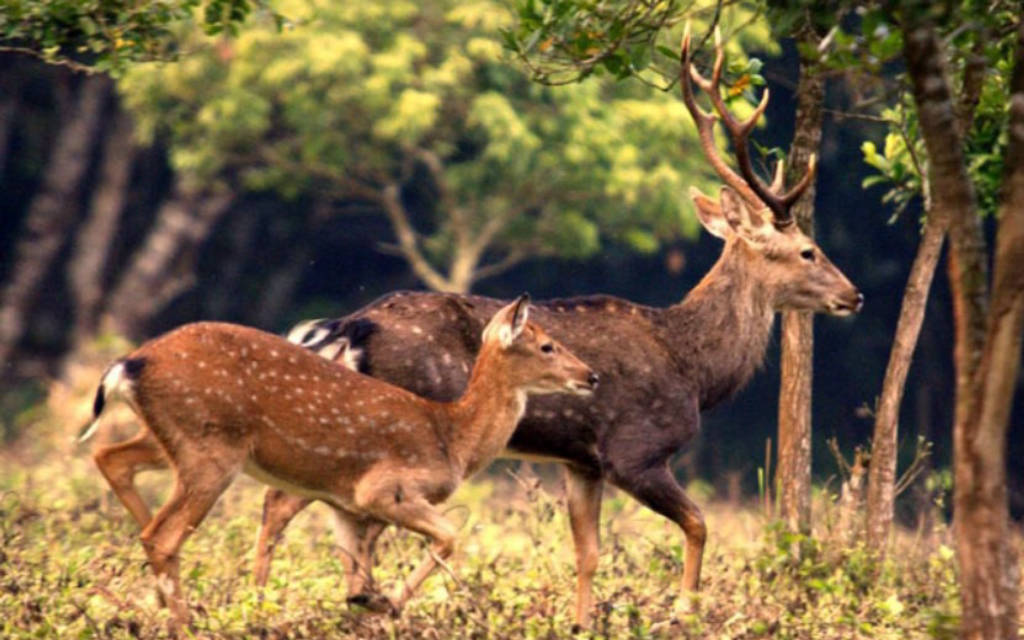
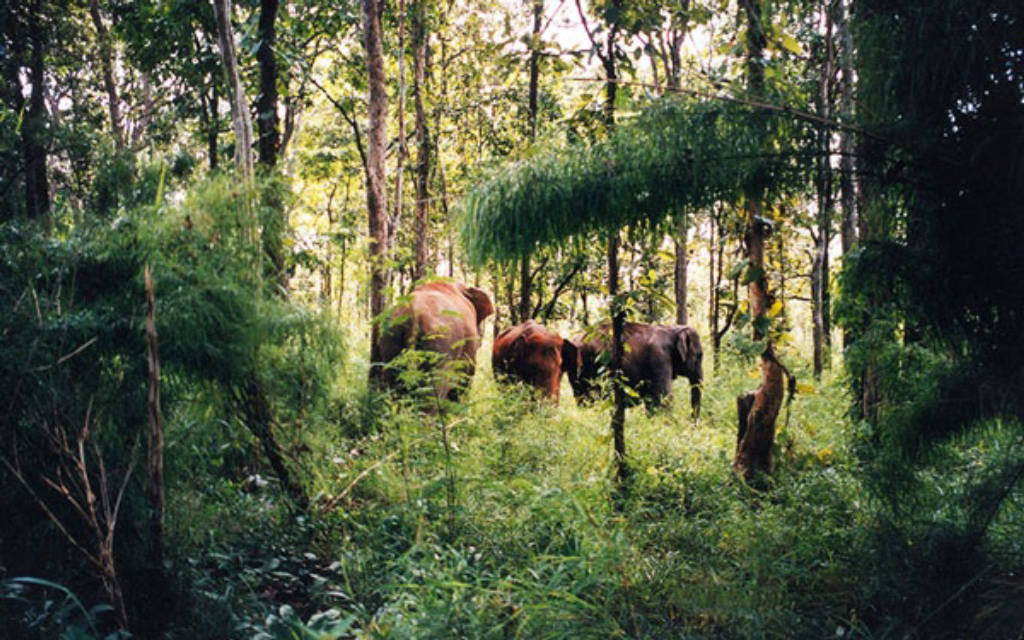
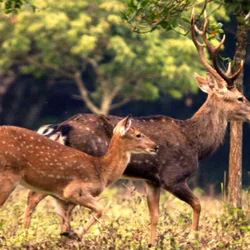
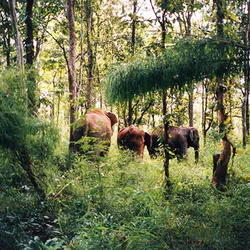
Yok Don National Park is famous as an important site for the conservation of large mammals. Scientists suggest that the continued occurrence of Asian tapirs, gaur bos gaurus, banteng B. javanicus and tiger pantheratigris at Yok Don is confirmed. Yok Don National Park is also capable of supporting a small number of vulnerable giraffe species globally. In addition, two globally threatened primates occur here: the black-shanked douc pygathrix nigripes and the yellow-cheeked gibbon hylobates gabriellae.
Yok Don is the only known site of an endangered giant crane in Vietnam, and the last known breeding site of red-crowned cranes in the country. Yok Don supports an important global population of blue peacocks, estimated to number at least 400 individuals. Larger waterways regularly support small but nationally important populations of white-winged, masked-legged ducks, smaller fish eagles, and gray-headed ducks. Yok Don is also one of the few places in Vietnam with many recent records for white-headed and red-headed vultures.
The best time to visit Yok Don National Park is during the dry season, from October to April. This is a time of pleasant temperatures, lush forests and diverse tourist activities. Whether you choose to watch the birds or go hiking, you will have a great experience.