


 Tiếng ViệtEnglish
 한국어
한국어 日本語
日本語 简体中文
简体中文 Français
 Deutsch
 Español
 Italiano
 Русский


 Login for Corporates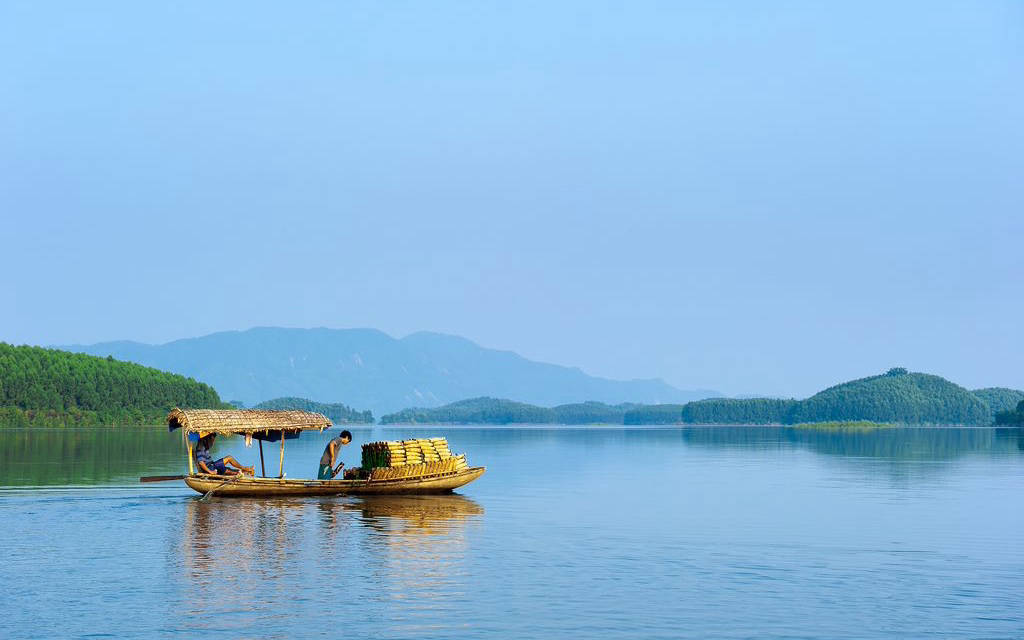
Lak Lake
 Lắk Lake, Lắk District, Đắk Lắk Province, Vietnam
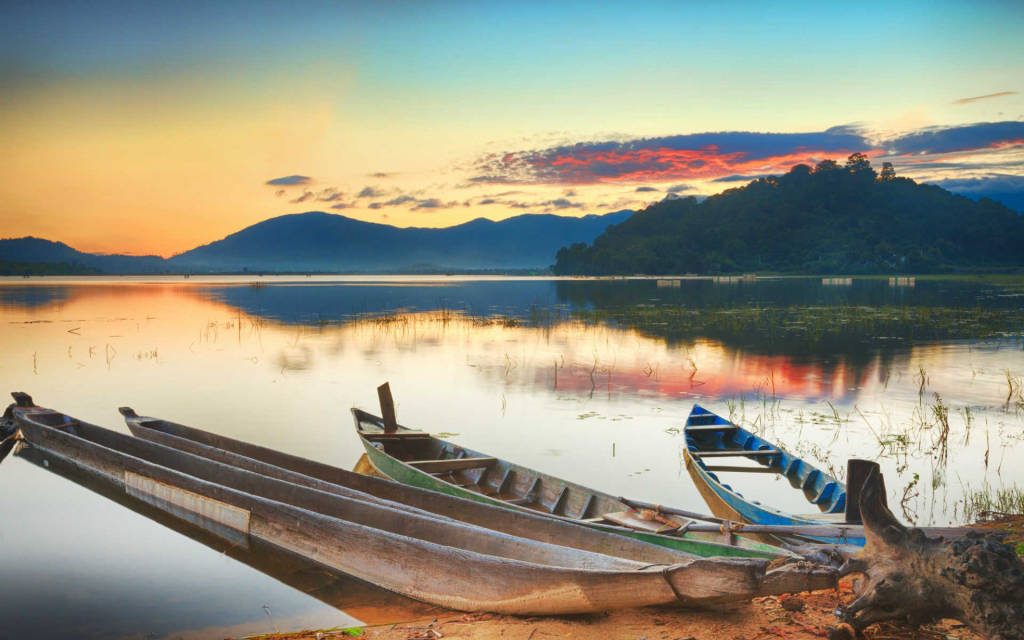
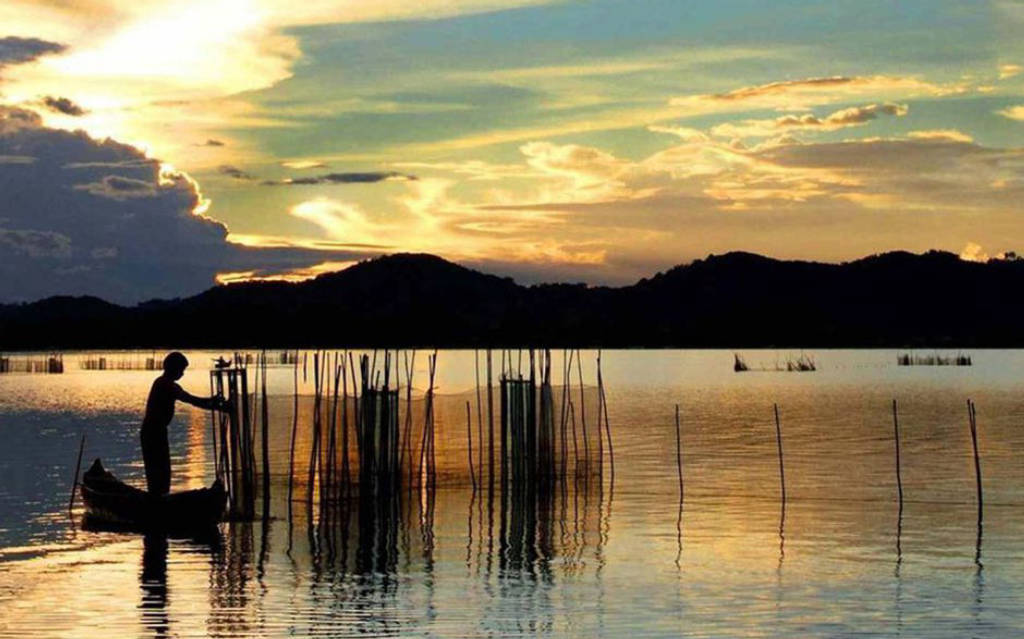
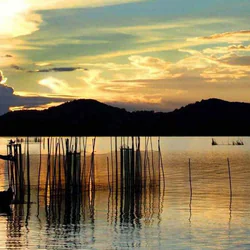
“Large, quiet and surrounded by undulating hills, Lak Lake is the largest natural freshwater lake in the Central Highlands. This is the homeland of the Mnong, a tribe that relies on the lake for their livelihood and they can be seen fishing in traditional canoes.”
In Dak Lak, people often refer to the legend of Lak Lake - one of the largest natural freshwater lakes in Vietnam, connected to the Krong Ana River, about 500 hectares wide, located at an altitude of more than 500 meters above the water level. sea. It is a unique eco-tourism destination attracted by the poetic and natural beauty of the surrounding mountains and forests.
Lak lake belongs to Lien Son town, Lak district, Dak Lak province; on the route between Buon Ma Thuot city and Da Lat city; About 56km from Buon Ma Thuot city. Lak Lake is a beautiful landscape of the Central Highlands. The lake is both a source of fish and a huge freshwater reservoir that provides water for hundreds of hectares of rice, and also makes the climate here cooler. This is a natural lake with the greatest depth, more than T'nung lake (Gia Lai province). Indigenous people here also recount a legend that this is a bottomless lake or Lak lake connecting to T'nung lake. The water surface is always deep and blue; the lake is surrounded by high mountains that make the lake water calm; and there are vast primeval forests with rich flora and fauna.
According to the legend of the Mo Nong, in the past, the fire god defeated the water god after a war that lasted for many seasons, causing the villages of the Mo Nong people to fall into drought. Meanwhile, a boy was born between the love of the girl Mo Nong and the fire god. To atone for his parents, the young man went to find a source of water to save the villagers. After many days and nights crossing the dangerous mountain full of wild animals, during a rest, he discovered a small eel stuck in a rock crevice waiting to die and saved it. In return, the eel led him to a large lake and the Mo Nong people moved there to settle. The lake and the land are the present-day Lake Lak region.
The space of Lak lake and surrounding forests has been identified as the historical, cultural and environmental relic of Lak lake forest (RDD) since 1995 with a total area of 12 299 hectares. With programs to protect the environment, develop tourism to protect the forests of the Central Highlands' high mountain ecosystems, shrubs and grasslands, and conserve plant and animal species, especially endemic and rare species, research scientific research, environmental education, eco-tourism development ... contribute to the socio-economic development of the locality, protect watershed forests to make fences for Lak Lake and Krong Ana River. Here, people have discovered in the forest 548 species of plants, 132 species of birds, 61 species of mammals, 43 species of amphibians - reptiles, 43 species of fish, shrimp, crabs, snails.
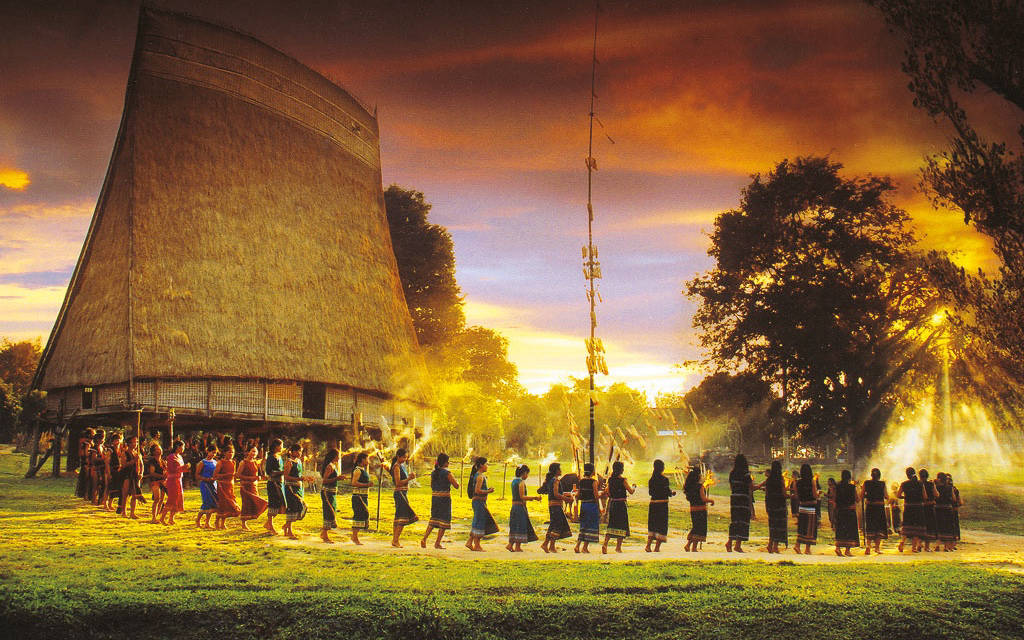
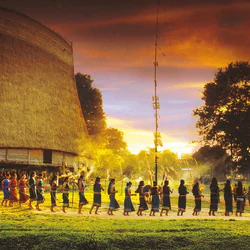
Beside Lak lake, there are Jun village, Mo Lieng village (the oldest and unspoiled one) and Le village, typical villages of the M'Nong people, which are organized into an important tourist attraction of Dak Lak as villages preserve and introduce indigenous culture of the Central Highlands. Here, people still live in traditional long houses with thatched roofs, bamboo walls and a herd of more than 20 elephants.
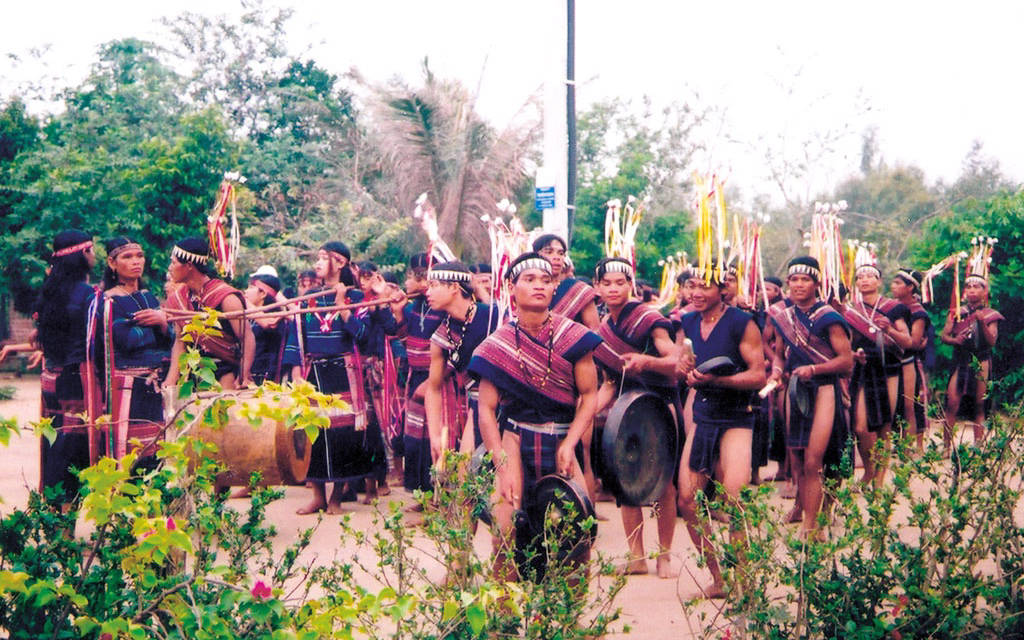
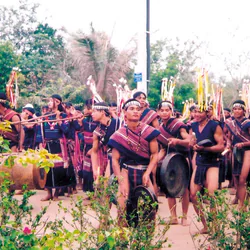
Visitors come here not only to visit Lak Lake but also enjoy the cultural features of the Central Highlands such as fire dance, harvest dance, gong beating, To Rung instrument, K'long Put instrument, dum lute, or boat ride. poison ivy on the lake. In addition to activities on Lak Lake, visitors can also visit Buon Bup waterfall, unspoiled stone streams next to coffee hills and romantic rice fields.