


 Tiếng ViệtEnglish
 한국어
한국어 日本語
日本語 简体中文
简体中文 Français
 Deutsch
 Español
 Italiano
 Русский


 Login for Corporates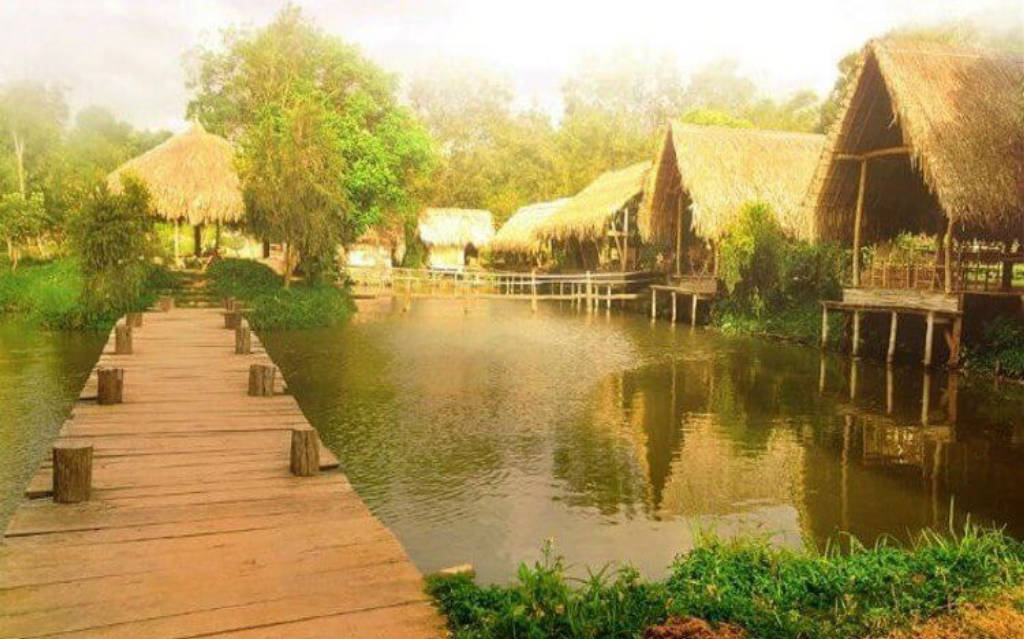
Ako Dhong Village
 Buôn Cô Thôn, Tân Lợi, Tp. Buôn Ma Thuột, Đắk Lắk, Vietnam
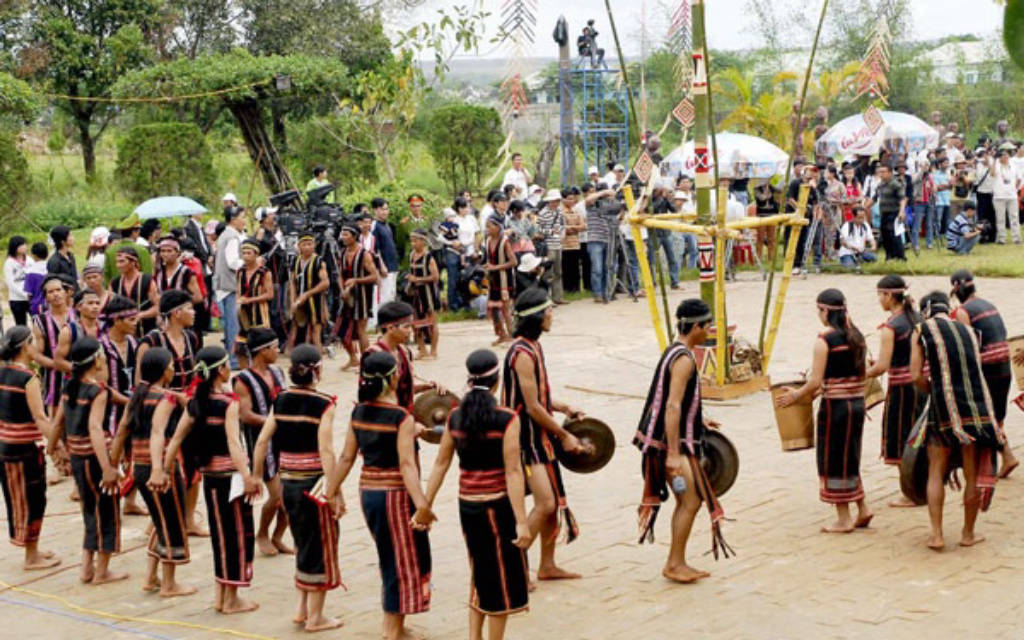
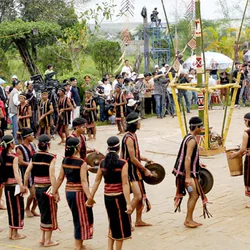
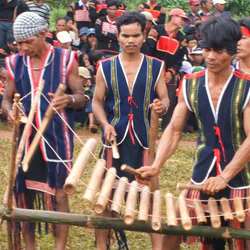
"The colors of the highlands remain forever in Ako Dhong, along with regular festivals with traditional lyrics, music, and dances resounding under the long roof."
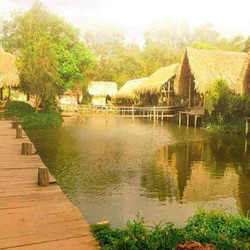
Only two kilometers north of Buon Ma Thuot city, Ako Dhong village (also known as Co Thon village) has the hidden beauty of a traditional village of the Ede ethnic group.
In the past, Ako Dhong was nothing but forests. Village elder Ama H'rin was the first to reclaim land, turning this place into a new land of the Ede ethnic community in 1956. The small village formerly had only three long houses, where 10 families lived. . Since 1975, villagers have built households and a village school. Now, the 55-hectare village has more than 100 households and about 3,000 people who earn a living by weaving brocade, can wine (wine is taken out of a jar with a straw) and handicraft products. According to the Ede, “Ako” means upstream and “Dhong” means valley. This is easy to explain since the village is located at the beginning of Ea Nuôl Dtream.
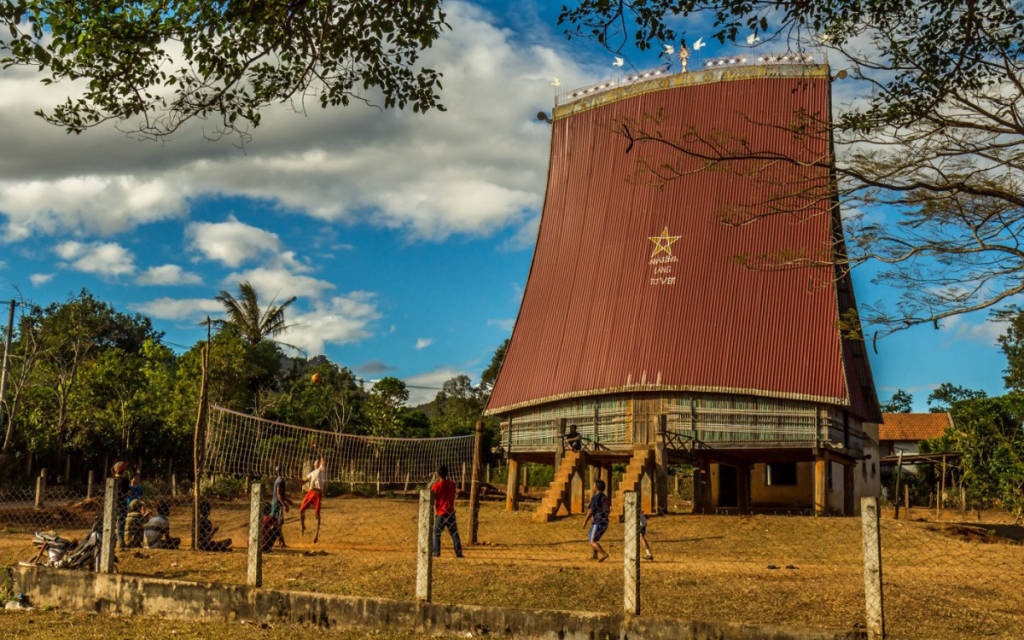
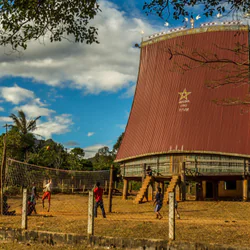
The village has a peaceful atmosphere and the streets are clean and wide. In front of each long house is a garden with many trees. The long house is part of the architecture of the Ede people. They are the embodiment of the matriarchy and the place where the cultural and spiritual values of the Ede people are kept. These stilt houses are built from wood and bamboo. They are long enough to accommodate many people, and residents rarely build new homes to replace old ones. Instead, they simply extended existing structures to create space for new family members.
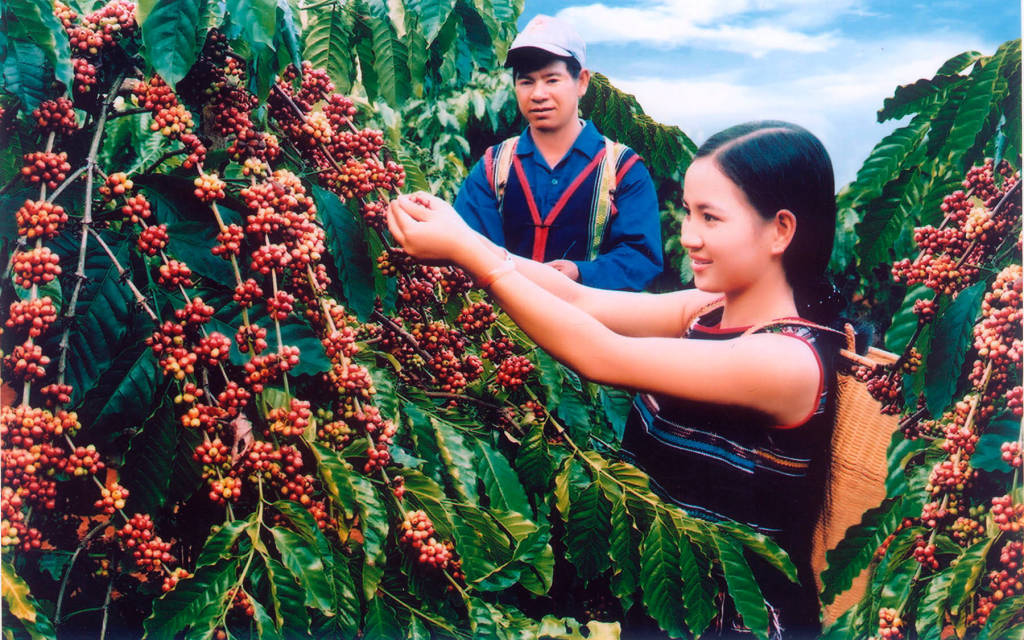
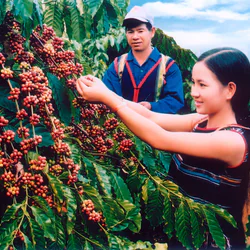
Coffee is the main crop of Ako Dhong people, with a growing area of 26 hectares and a stable source of income. Spring is the best time to visit Ako Dhong when all the flowers are in bloom.
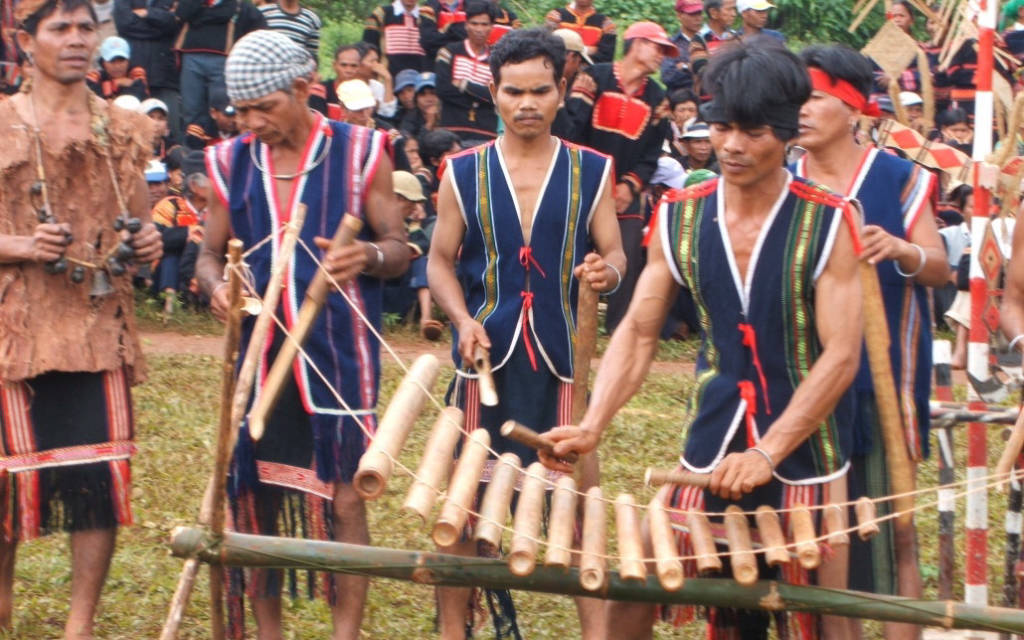
Visitors also have the opportunity to chat about the local gong culture with artisans and listen to songs about unspoiled mountains and forests. The unique tombs will also make visitors curious. People here believe that when they die, their souls will live on and continue to live in a better world. The statue was carved to light the way, symbolizing the ultimate joy of the living and the dead.
As an attractive and unspoiled ethnic minority village, Ako Dhong has been selected as a community tourism destination of Dak Lak province. Mr. Vo Tien Dung, Head of Culture and Information Department of Buon Ma Thuot City said: “Buon Ma Thuot city is making detailed plans and investing in infrastructure, supporting the renovation of long houses, and restoring the buildings. traditional festival to put the village on the tourist map to serve domestic and international tourists”