


See all results for ""

 Anytime
 Tiếng ViệtEnglish
 한국어
한국어 日本語
日本語 简体中文
简体中文 Français
 Deutsch
 Español
 Italiano
 Русский


 Login for Corporates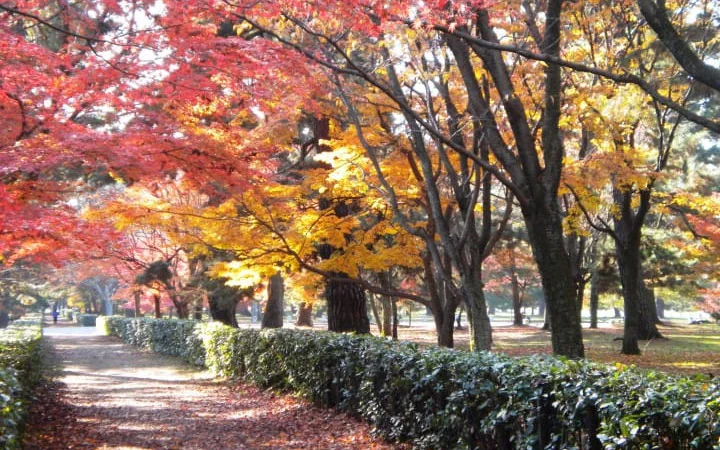
Kyoto Gyoen National Park
 Kyoto - Japan
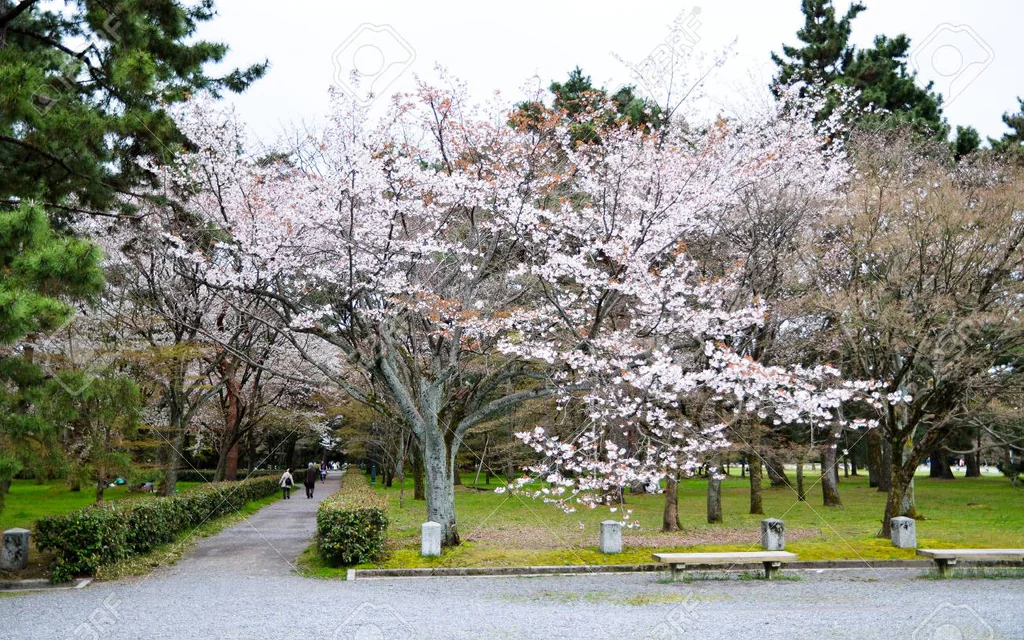
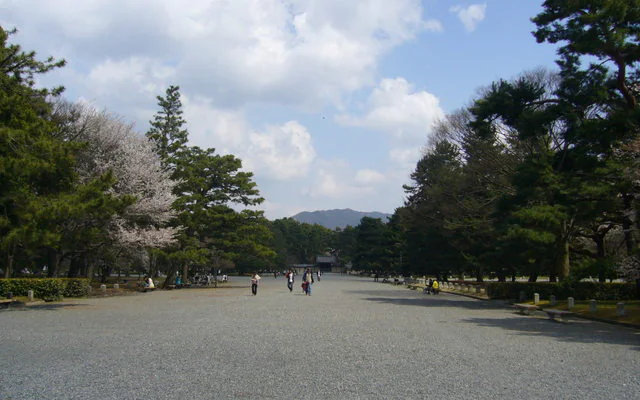
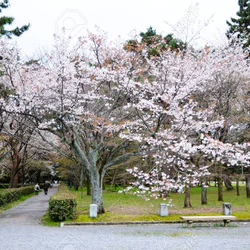
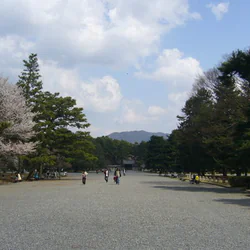
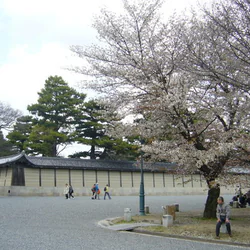
Kyoto Gyoen is one of the three National Parks in Japan with beautiful scenery.
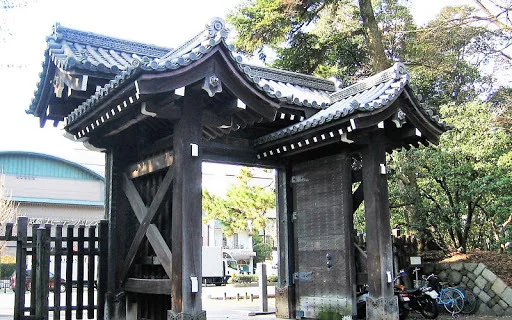
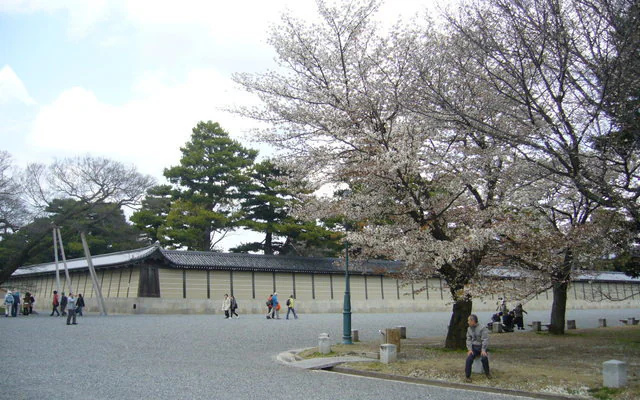
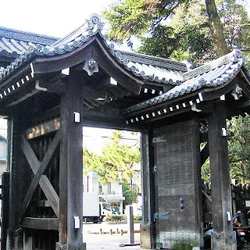
Kyoto Gyoen National Park is a park that anyone can enter at any time. The city park is beautiful and relaxing, centered on the Kyoto Imperial Palace (you need to get permission to enter the Imperial Palace ahead of time). The Kyoto Imperial Palace was originally located 2 km west of Heiankyo (the ancient capital of Kyoto) in 794, but it moved to its present location in 1331 when Emperor Kogon ascended the throne. Then came the Edo period (1603 - 1868), up to 200 residences of nobles in the court were built around the Imperial Palace. However, in 1869, the capital was moved to Tokyo as a result of the Meiji Revolution. Therefore, Emperor Meiji moved to the newly built Imperial Palace in Tokyo. Court nobles living near the Kyoto Imperial Palace followed the Emperor's footsteps and their residence in Kyoto became empty and abandoned for many years. When Emperor Meiji temporarily returned to Kyoto in 1877, he was shocked to see the ruined Kyoto Imperial Palace and the residences of the nobles in the court, and he ordered the preservation and maintenance of all of them. area. By order of the court, the residences of the nobles in the court were demolished, the stone walls were restored and many new trees were planted there. In 1949, the major project ended and the area was opened to the public as a national park.
Lots to See in Kyoto Gyoen National ParkBesides the Kyoto Imperial Palace, there are several other buildings inside the park that you may want to visit;
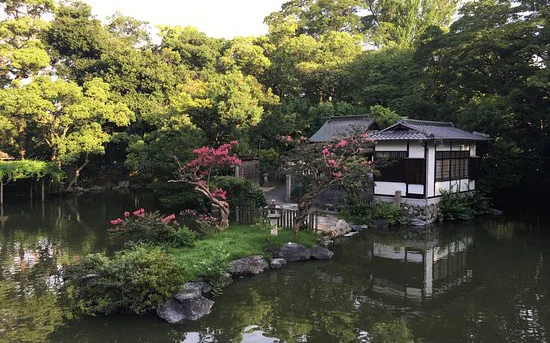
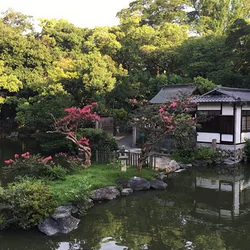
- The beautiful Japanese garden at Sento Imperial Palace - you need a permit to enter.
- Sento Palace: This palace was originally the residence of retired Emperors. Although the mansion is no longer (burnt down by fire), there are still two tea ceremony houses and a beautiful garden. To visit there, you need to ask permission.
- Omiya Palace used to be the residence of the Empress. It is not open to the public and is still used by the Imperial Family as a mansion in Kyoto.
- Kyoto National Guest House: This guesthouse is for VIP guests visiting Japan as official guests of the Japanese Government. President Obama was there when he visited Kyoto. It is open to the public, but you need permission to enter. Visit the Cabinet Office website for opening dates and admission conditions.
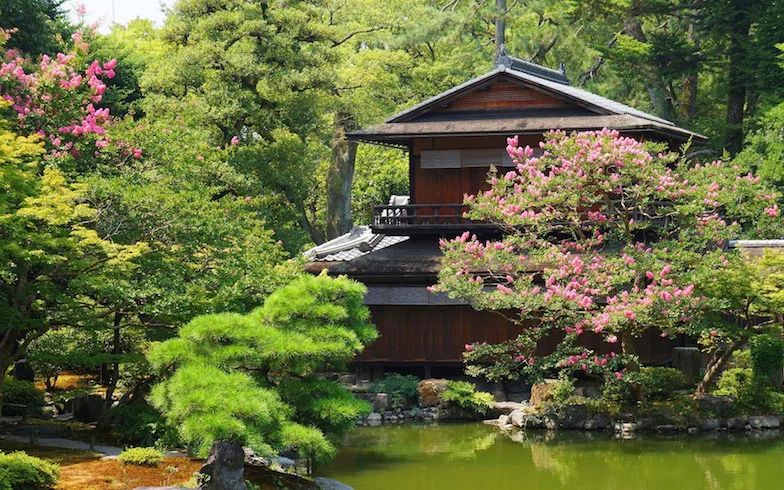
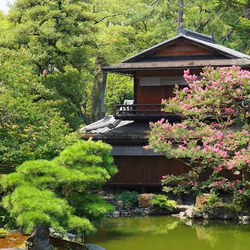
- Shusui-tei Tea House: Open every Friday and Saturday between March and December. No prior permission is required. Admission is 100 yen per person. It is a really beautiful tea ceremony house with splendid garden.
- Kan-In-no-Miya House: This is the residence of the Kan-In-no-Miya family, one of the four great Prince families. This beautiful residence is open every day except Mondays and year-end/new year holidays.
There is a very interesting spot in Kyoto Gyoen - Saruga-Tsuji Corner. This corner is the northeast corner of the walls surrounding the Kyoto Imperial Palace. The northeast direction is said to be the Devil's Gate (bad direction), and the angle is recessed to confuse the Devil trying to enter the Palace. In addition, under the roof there is a statue of a monkey covered with a wire mesh. Monkeys are considered subordinates of the guardian deity enshrined in the Hiyoshi Taisha Shrine located just northeast of the Imperial Palace. So the monkey under the roof tracked down Damons and kept them away from the Palace. Since the monkey used to play pranks on people around the corner, it was locked in a wire mesh.
The ground in Kyoto Gyoen is not paved - not good for cyclists. But, there were narrow tracks in the gravel soil plowed over the years by bicycles passing through the Imperial Palace. Cyclists use these tracks as their bike lanes, and interestingly, pedestrians in Kyoto Gyoen stay away from these tracks so as not to disturb cyclists.
On the west side of Kyoto Gyoen, along Karasuma Street, there are several places you might want to visit, like the Go-ou Jinja Shrine, which has the magical power to heal foot and back injuries. Go there before or after visiting Kyoto Gyoen and pray to God to protect or heal your legs and back. About 200 meters north of Go-ou Jinja Shrine, there is a lovely hotel called Heian Hotel and you can find the cafe in the hotel - “Albois”, which faces a beautiful Japanese garden with a pond. They have very affordable lunch menu items. If you happen to be in the area around lunchtime, having lunch there with a glass of wine, overlooking the Japanese garden is a pleasant experience.