


 Tiếng ViệtEnglish
 한국어
한국어 日本語
日本語 简体中文
简体中文 Français
 Deutsch
 Español
 Italiano
 Русский


 Login for Corporates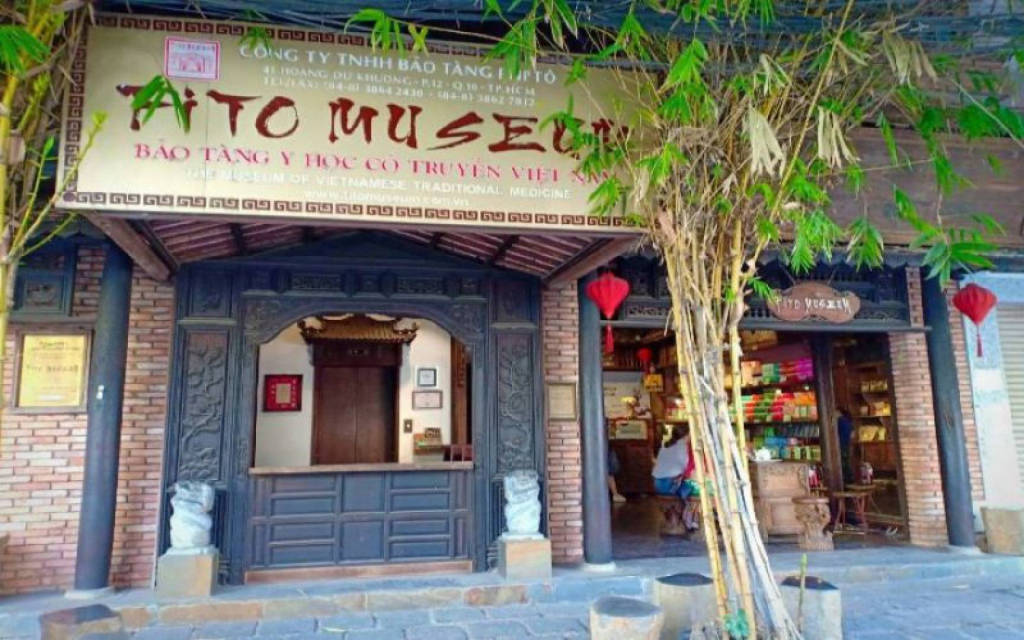
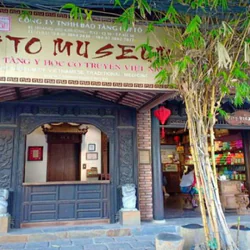
Museum of Traditional Vietnamese Medicine - FITO
 41 Hoàng Dư Khương, Phường 12, Quận 10, Thành phố Hồ Chí Minh, Việt Nam
The Museum of Traditional Vietnamese Medicine - FITO is a must-see destination for visitors interested in discovering the history and traditions of Vietnam's medical and pharmaceutical industry.
FITO Museum, located in the heart of bustling Ho Chi Minh City, is the first and only private museum on traditional medicine. Established in 2003, and open to the public since 2007, this is the perfect place to study Vietnamese traditional medicine - one of the country's cultural heritages through the ages, from stoneware. There are two private museums located in 2 different locations: the Museum of Traditional Vietnamese Medicine and the Museum of Traditional Vietnamese Medicine, both introduced by FITO - a pharmaceutical company, for the purpose. introduces the history of Traditional Medicine and Pharmacy and the philosophy behind their products.
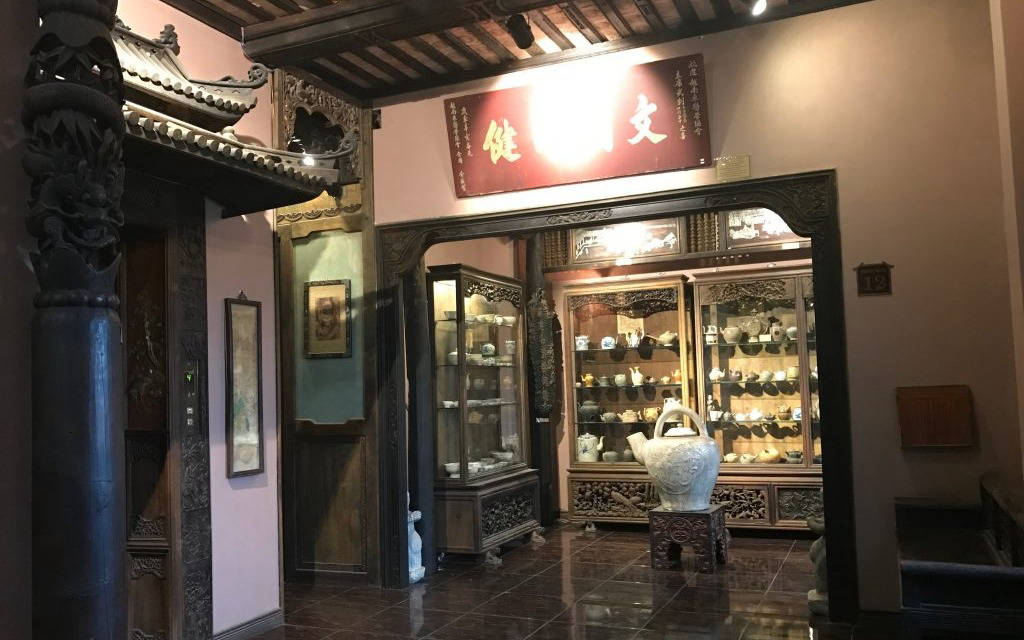
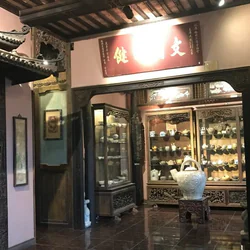
The FITO Museum is a place where visitors can study not only traditional herbs but also traditional medical methods. About 3000 artifacts describe the history and development of healing methods, here, visitors can witness all the tools used to make traditional medicine such as kettles, jars, knives, spoons, blenders, in addition, there are many items used by doctors in pharmacies such as kettles, cups, stamps, scales, etc.
FITO Museum is a place to display and store artifacts related to two famous doctors, the greatest medicine man in Vietnam, Tue Tinh (14th century) and Hai Thuong Lan Ong, ie Le Huu Trac (18th century). ), are said to be the founders of Vietnamese traditional medicine. Visitors can find many rare books and documents of traditional medicine, including works of Hai Thuong Lan Ong here.
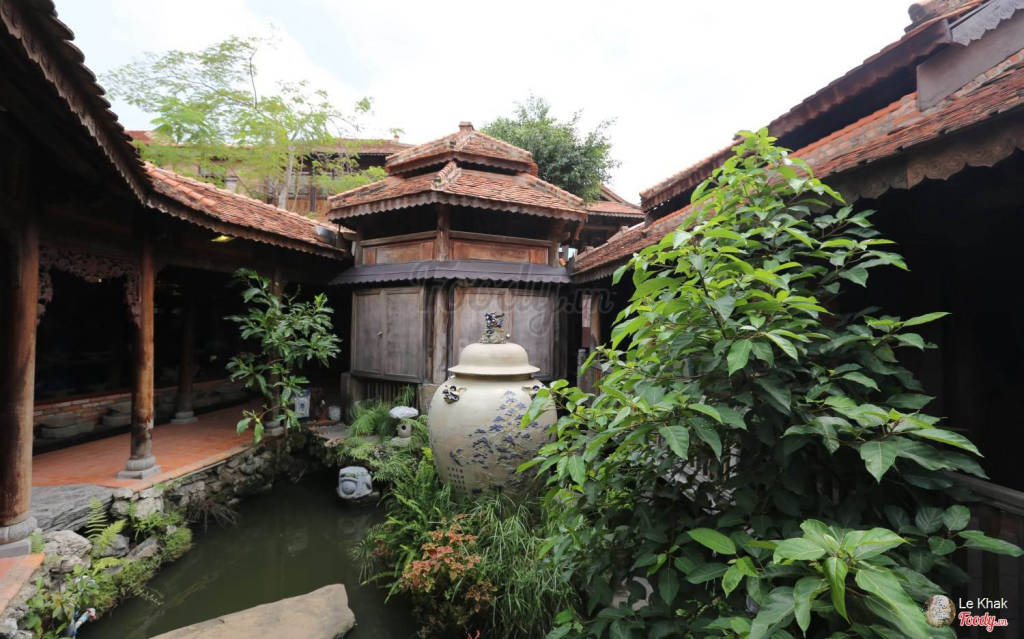
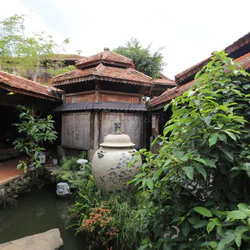
The first impression of visitors coming here will be the splendid tiled roofs. Every detail of the building is skillfully crafted with a beautiful interior, all made from wood. The buildings are quite tall with many floors, decorated with many porcelain figurines. On the sloping roofs, visitors can see the typical dragon image in Vietnamese traditional culture.
Modern audio-visual technology is applied in all galleries in the museum to show documentaries about the history of Vietnamese traditional medicine.
The architecture of the FITO Museum is a combination of traditional and modern architecture, showing the highlights of some regions of Vietnam. It took 50 skilled carvers almost 3 years to complete the intricately carved wooden masterpieces with captions presenting traditional herbs. On the stairs leading to the first floor, there is a majestic picture depicting the way of life and activities in ancient Vietnam.
The museum is a 6-storey building, consisting of a ground floor and five floors with 18 different exhibition rooms.
Room 1: Chronology of the History of Traditional Vietnamese Medicine
This room introduces information about events and milestones in the process of forming Vietnamese traditional medicine
Room 2: Medicine Altar
Two of Vietnam's greatest famous physicians, Tue Tinh and Hai Thuong Lan Ong, are worshiped here.
Room 3: Traditional prehistoric tools
Artifacts of medicinal herbs from the Stone and Bronze Ages are displayed here
Room 4: Famous Vietnamese Medicine
Gallery of 15 paintings by famous physicians from the 13th to 18th centuries and authors of traditional Vietnamese medicine. The special thing about these paintings is that they are handmade using traditional Vietnamese art methods.
Room 5: Cham Tower
A miniature model of Thap Cham in central Vietnam. On the other side, there is a gate like Thang Long citadel, built in 1780 in Hanoi, on the top with two words "Y Mieu" carved in stone.
Room 6: Oriental medicine pharmacy
Here, visitors are introduced to the history of traditional Chinese, Korean and Vietnamese medicine.
Room 7: Traditional Vietnamese medicinal plants
"Vietnam Bach Gia Y" - a woodcut on an ancient tree, depicting 100 physicians and authors of traditional Vietnamese royal medicine in the period from the 12th to the 20th century. There is a glass cabinet located here displaying books and documents written on medical science (pharmacy, pediatrics, acupuncture, etc.)
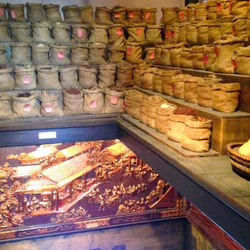
Rooms 8, 9, 11, 12, 13, 14, 15: Collection of medicinal ingredients, preparation tools, wine bottles, ceramic and metal kettles, scales, medicine mills, alcohol bottles
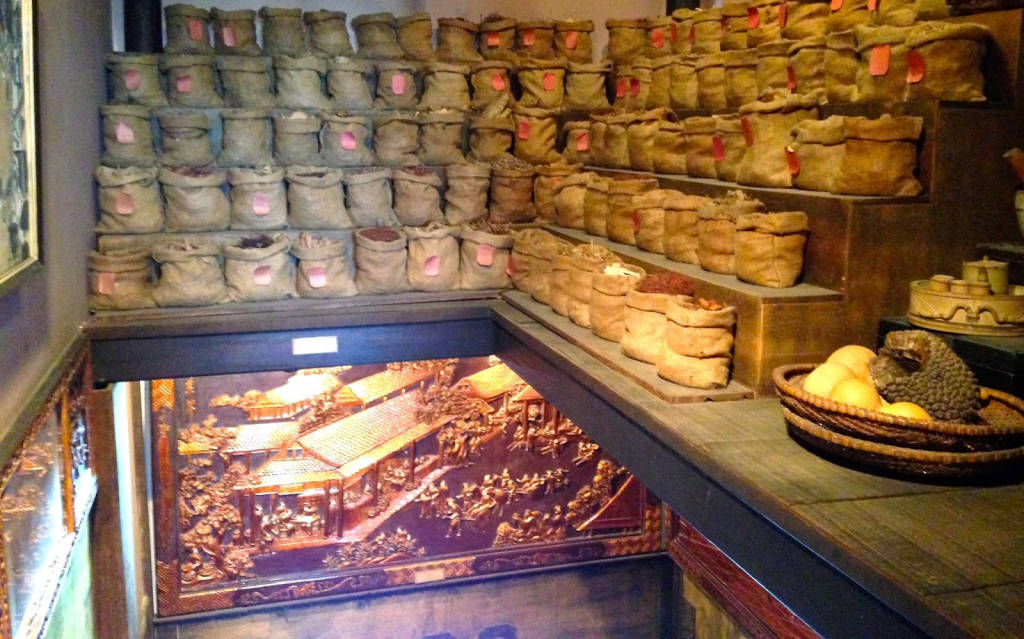
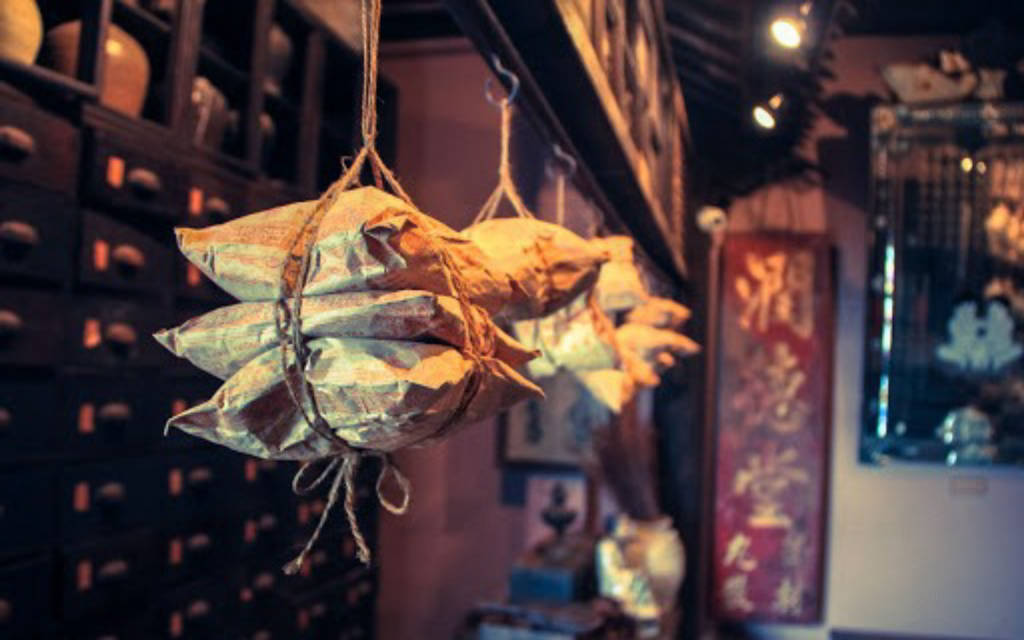
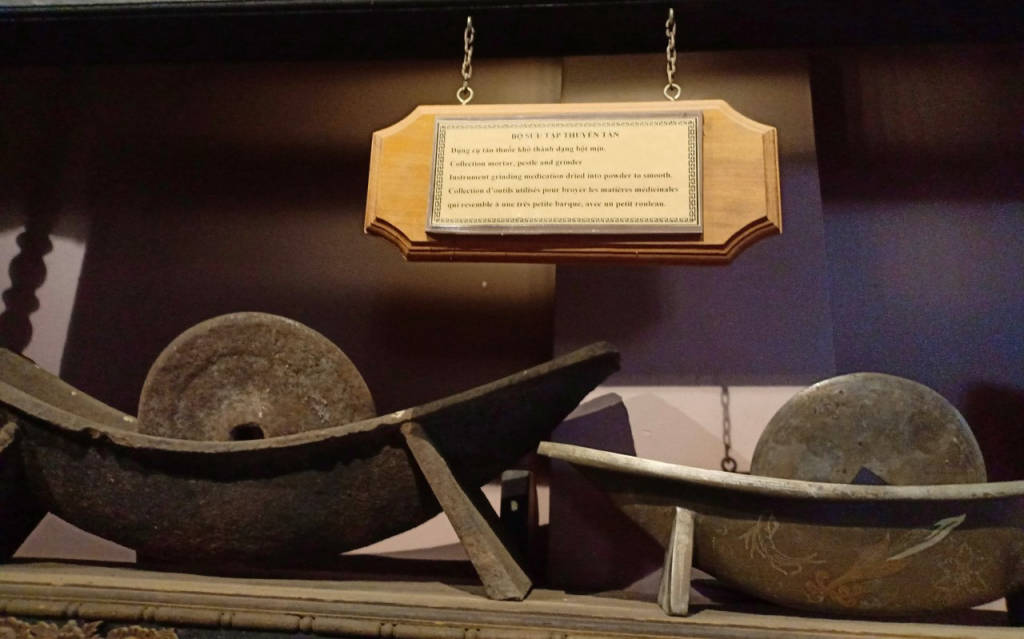
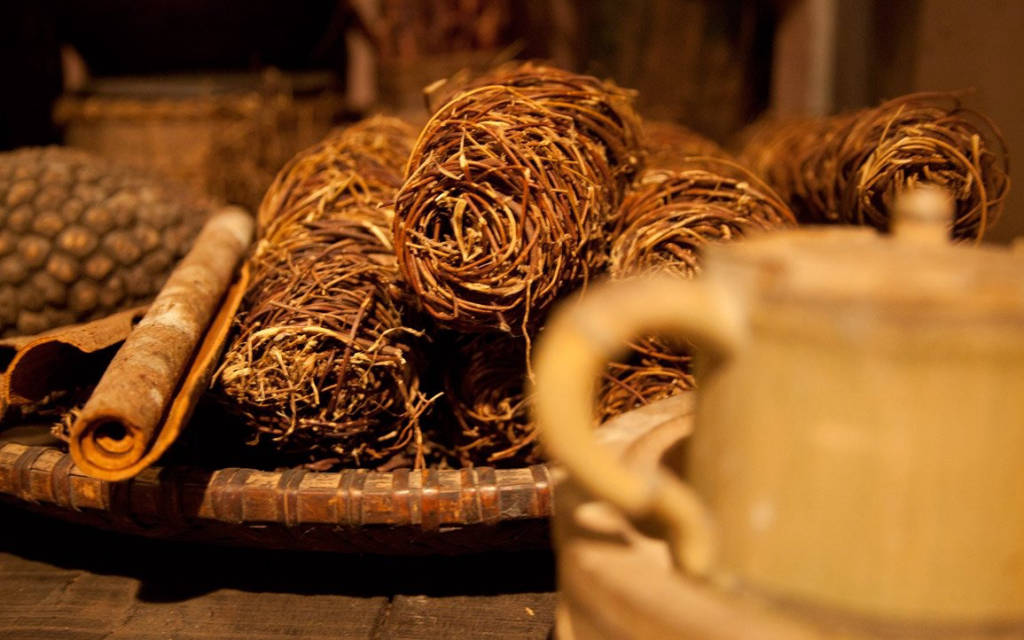
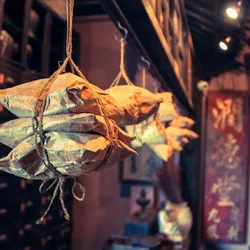
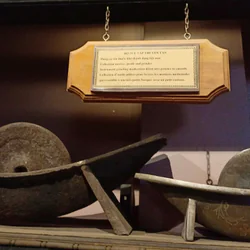
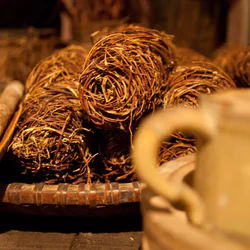
This is an appropriate room for visitors to study the equipment and materials used in the preparation of traditional Vietnamese medicines through the ages. A large collection of plants, animals, minerals, knives, pots, bowls, ... are displayed here. Notably, a 2000-year-old mortar used to grind herbs along with some tools also appeared in the room. Large jars of medical materials (reptiles, plants, etc.) soaked in alcohol are placed in the room.
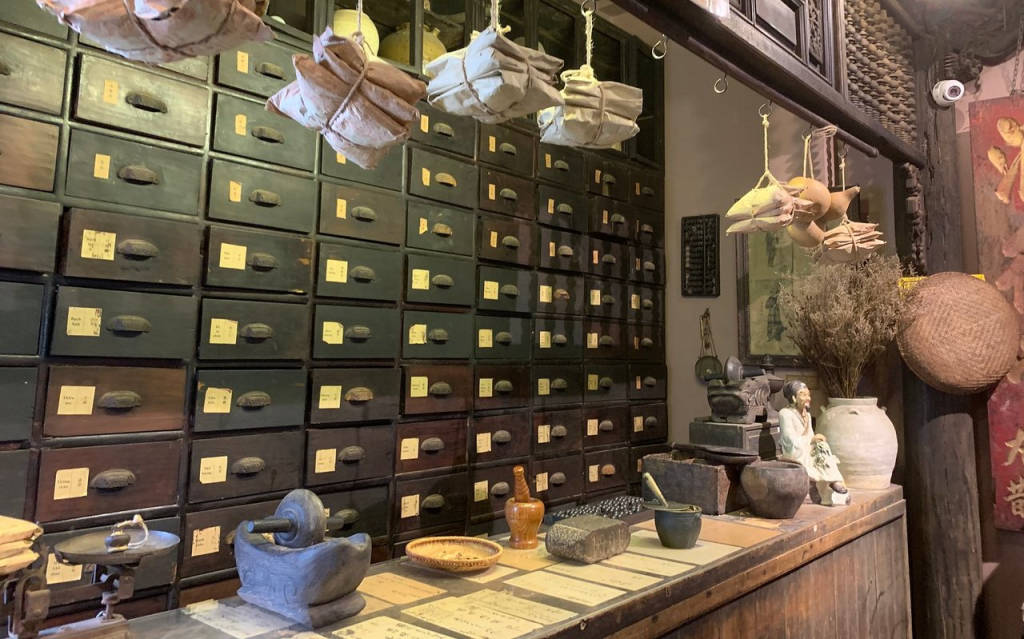
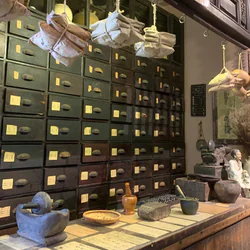
Room 10: Model of a 19th century pharmacy
A full-size pharmacy model equipped with an 81-drawer wooden cabinet for herbs and wooden storage is presented in the room. The museum allows visitors to mix and try their own remedies, under the guidance of experts.
Room 16 : Royal Academy of Medicine
Here, visitors can learn about the Vietnamese royal medical academy in the feudal period. The academy is responsible for taking care of the members of the royal family.
Room 17: Cinema room
Here visitors can watch a 15-minute documentary about the history of Vietnamese traditional medicine and special and precious ways to care for plants. There are 5 languages available for tourists: Vietnamese, English, German, French and Russian.
Room 18: Pharmacy and Souvenir Shop
After the trip, visitors can go to the souvenir shop to buy some souvenirs for their friends and family back home.
Besides, there are other services provided to visitors, one of the most significant of which is a herbal foot bath, which is extremely relaxing, helping to relieve all stress.
Opening hours: 8:30 a.m. to 5:00 p.m., Monday to Sunday
Fare:
Adults: 120,000 VND/pax
Children (under 1.2m): 60,000 VND/pax