


Xem tất cả kết quả cho ""

 Ngày bất kỳ
  Tiếng Việt
 English
 한국어
한국어 日本語
日本語 简体中文
简体中文 Français
 Deutsch
 Español
 Italiano
 Русский


 Đăng nhập cho Doanh nghiệp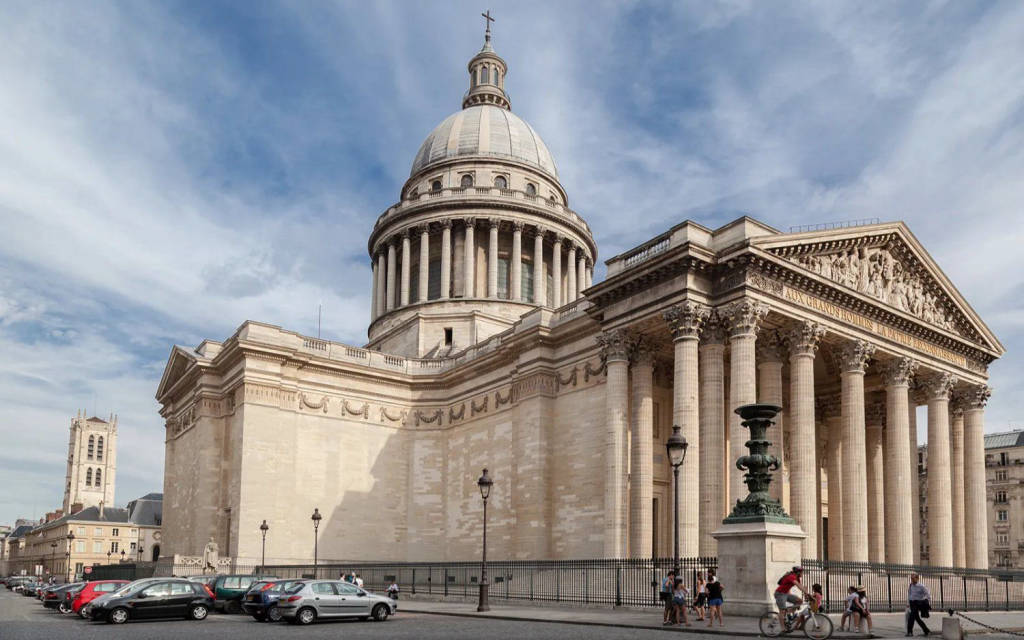


Đền Pantheon - Paris
 Pl. du Panthéon, 75005 Paris, Pháp
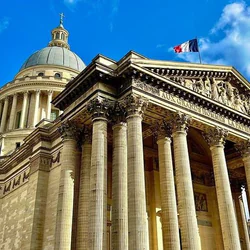
Panthéon, nép mình trong quận 5 của Paris, Pháp, tôn vinh Montagne Sainte-Geneviève ở trung tâm Place du Panthéon.
1. Giới thiệu về đền Panthéon
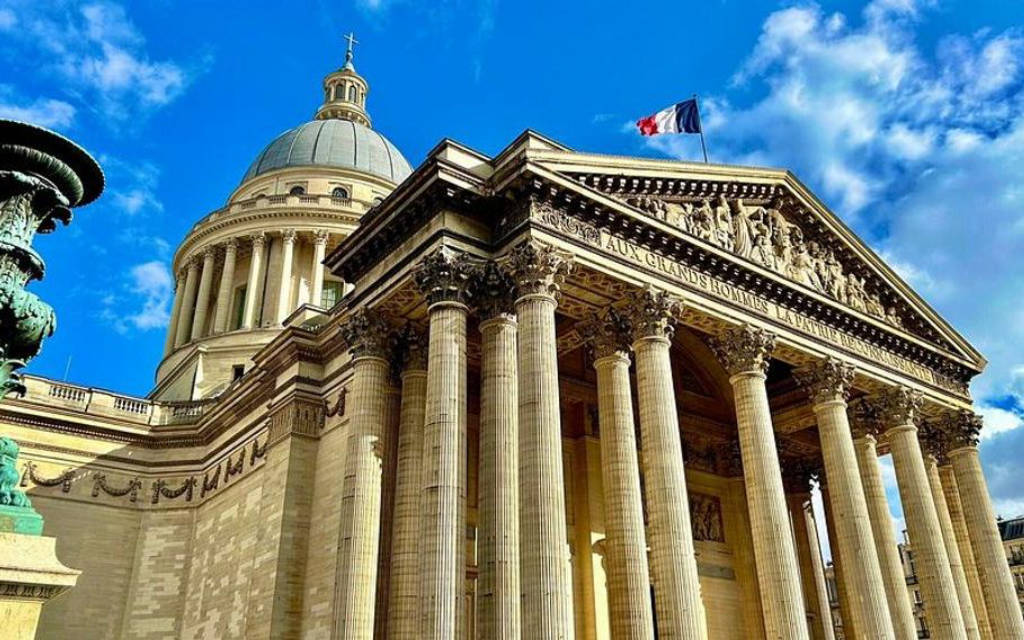
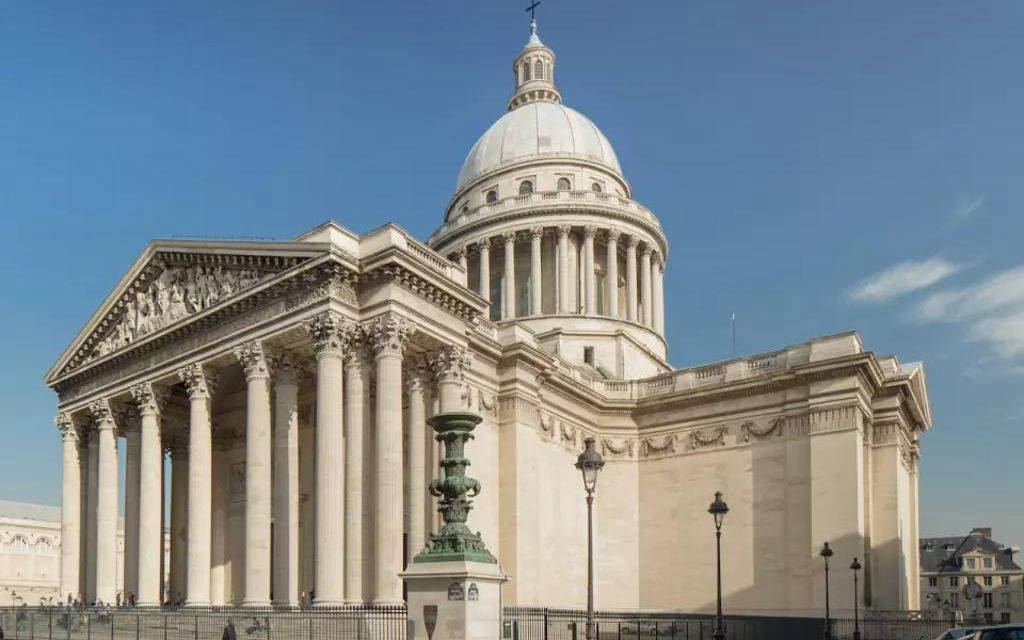
Đền Panthéon Paris tọa lạc tại Quận 5, nép mình trên đồi Montagne Sainte-Geneviève ở trung tâm quảng trường Place du Panthéon, giữa khu phố Latinh sôi động. Công trình được xây dựng từ năm 1758 đến 1790 bởi kiến trúc sư Jacques-Germain Soufflot theo yêu cầu của vua Louis XV.
Năm 1744, khi mắc trọng bệnh, Louis XV đã khấn nguyện Thánh Geneviève – vị thánh bảo trợ của Paris – và hứa sẽ xây một nhà thờ nguy nga nếu khỏi bệnh. Sau khi hồi phục, ông cho khởi công công trình thay thế Tu viện Sainte-Geneviève cũ kỹ. Viên đá đầu tiên được đặt ngày 6/9/1764. Tuy nhiên, do những biến động chính trị và tài chính cuối thế kỷ XVIII, công trình hoàn thành đúng vào thời điểm Cách mạng Pháp bùng nổ, mở ra một bước ngoặt lớn trong lịch sử của tòa nhà.
2. Sự chuyển đổi vai trò của Panthéon Paris
2.1. Từ nhà thờ thành lăng mộ quốc gia
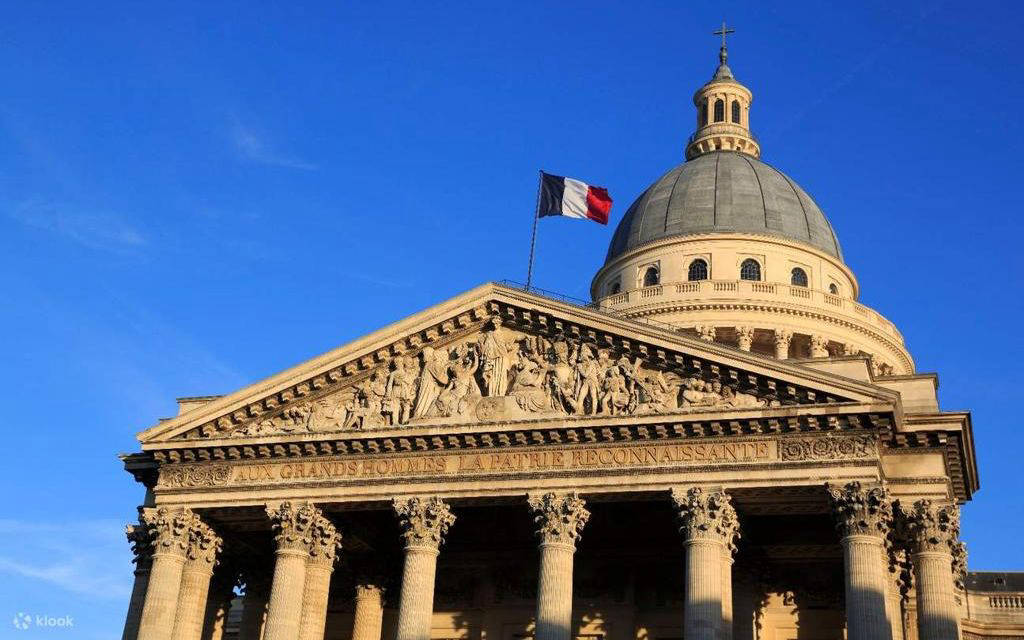
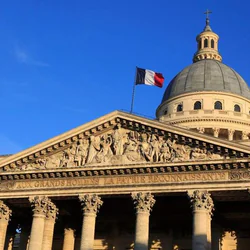
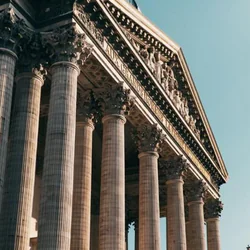
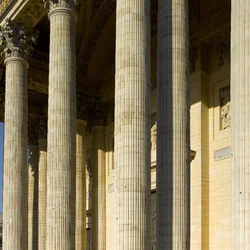
Năm 1791, Quốc hội Lập hiến quyết định chuyển đổi Panthéon thành lăng mộ vinh danh các công dân ưu tú của nước Pháp, lấy cảm hứng từ đền Pantheon ở Rome. Từ ngày 4/4/1791, công trình chính thức mang dòng chữ nổi tiếng trên mặt tiền: “Aux grands hommes, la patrie reconnaissante.” (Tổ quốc biết ơn những con người vĩ đại.)
Trong suốt thế kỷ XIX, Panthéon nhiều lần thay đổi chức năng giữa nhà thờ và công trình thế tục dưới các chế độ khác nhau như thời Napoléon Bonaparte, Louis XVIII và Charles X. Đến thời Đệ tam Cộng hòa, năm 1881, Panthéon được tuyên bố chính thức là lăng mộ quốc gia vĩnh viễn.
2.2. Sự kiện Victor Hugo
Năm 1885, lễ quốc tang và an táng Victor Hugo tại Panthéon đã đánh dấu bước ngoặt quan trọng, khẳng định dứt khoát vai trò mới của công trình như một đền thờ danh nhân. Sự kiện này cũng kéo theo nhiều điều chỉnh về kiến trúc và biểu tượng: các yếu tố tôn giáo được thay đổi, vương miện mái vòm nhiều lần chuyển đổi giữa hình thánh giá và biểu tượng thế tục tùy theo chính thể đương thời.
3. Kiến trúc và ý nghĩa của điện Panthéon
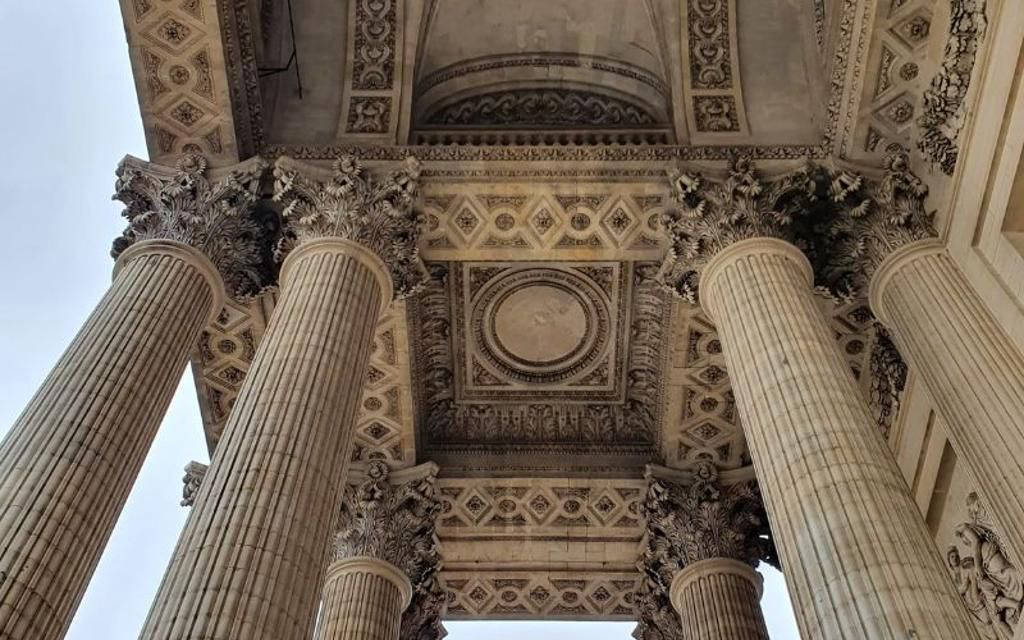
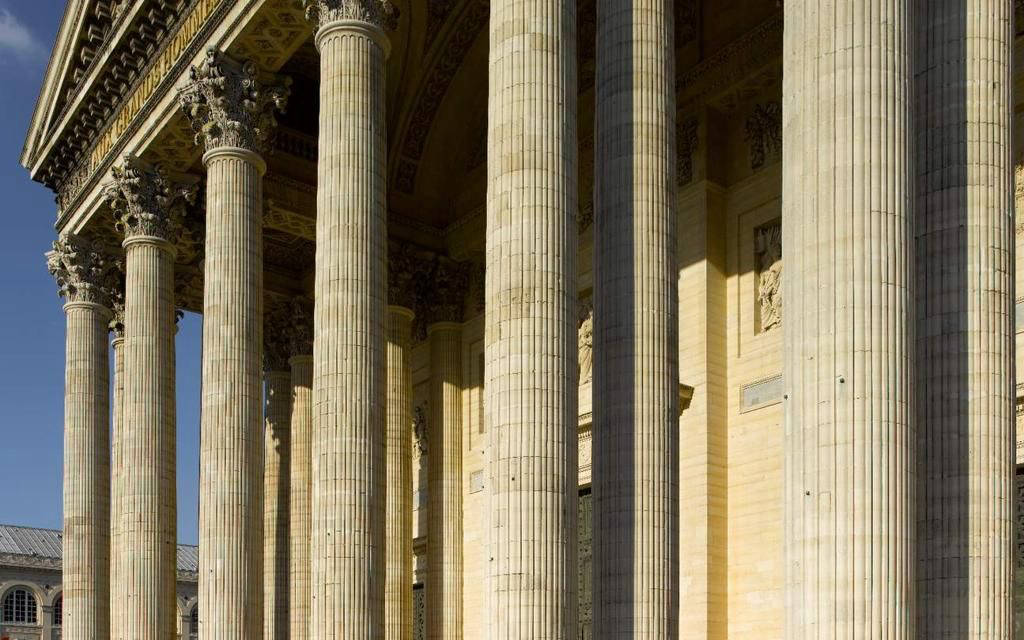
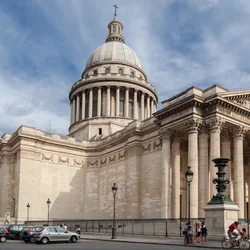
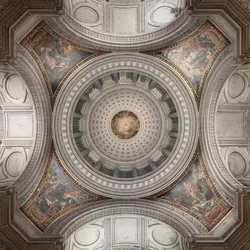
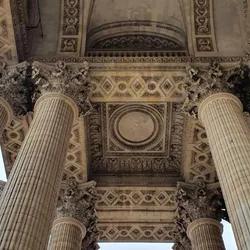
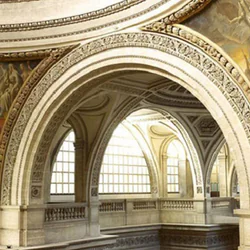
Panthéon là một kiệt tác kiến trúc theo phong cách Tân cổ điển (Neoclassical).
- Chiều dài: khoảng 110m
- Chiều rộng: khoảng 84–85m
- Chiều cao mái vòm: khoảng 83m
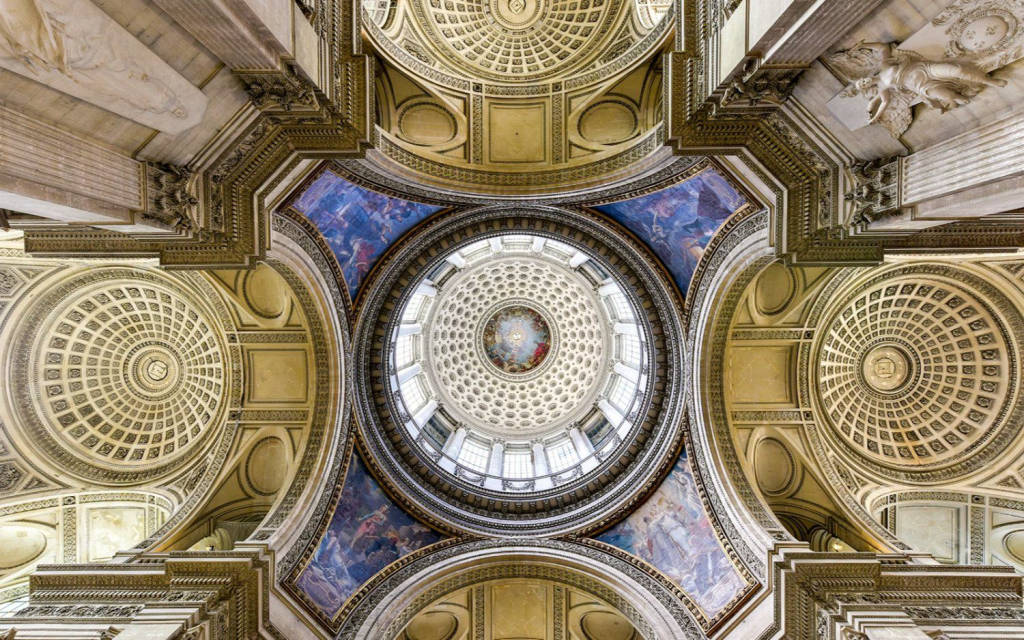
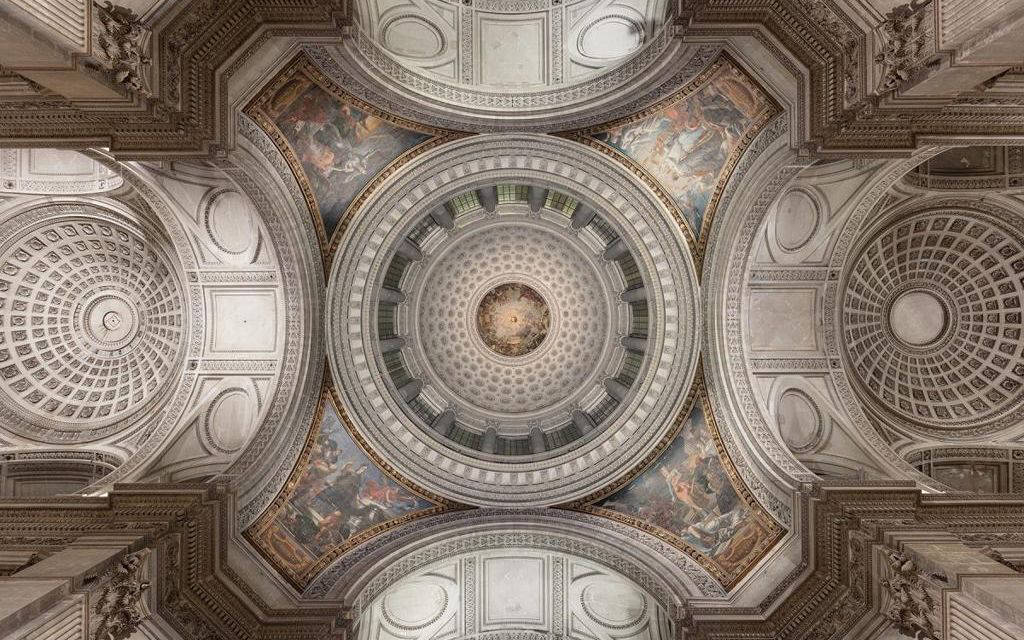
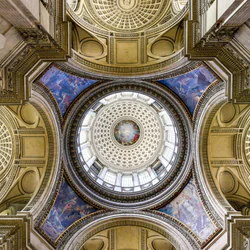
- Mái vòm gồm ba lớp chồng lên nhau
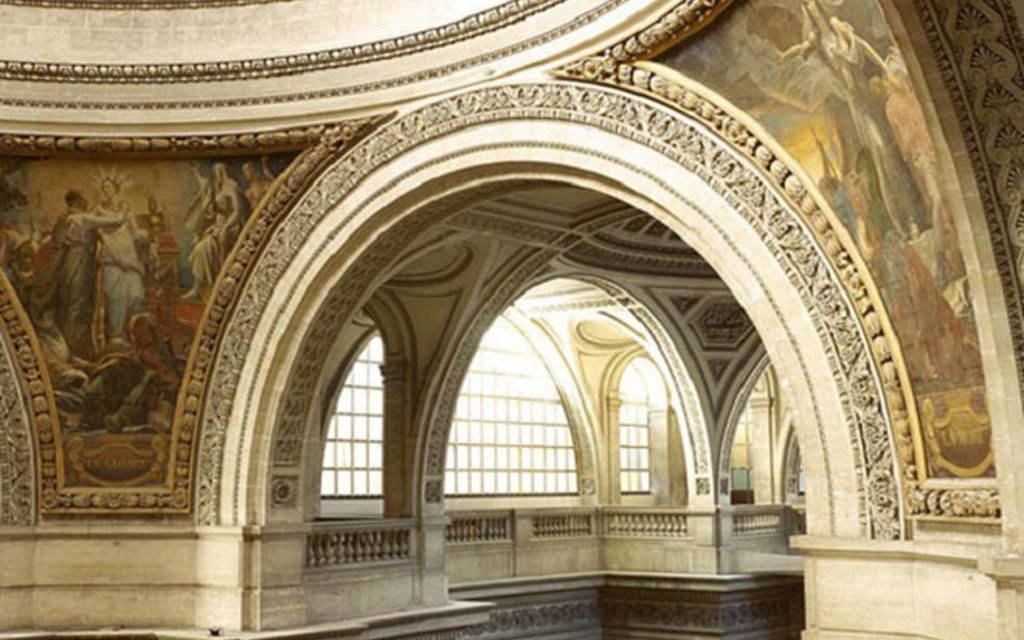
Thiết kế mái vòm chịu ảnh hưởng từ công trình Tempietto của Bramante tại Rome, kết hợp hài hòa giữa sự thanh thoát Gothic và tính cân đối cổ điển Hy-La. Bên trong hầm mộ là nơi an nghỉ của nhiều nhân vật vĩ đại như: Voltaire, Émile Zola, Jean Monnet, Marie Curie, Pierre Curie. Tông màu chủ đạo trắng và vàng kim tạo nên không gian trang nghiêm, tôn vinh tinh thần tri ân của nước Pháp đối với những con người đã góp phần định hình lịch sử dân tộc.
4. Khoa học và con lắc Foucault
Năm 1851, nhà khoa học Léon Foucault thực hiện thí nghiệm con lắc nổi tiếng ngay tại điện Panthéon, chứng minh chuyển động quay của Trái Đất – một cột mốc quan trọng trong khoa học.
Thí nghiệm này đã chứng minh trực quan rằng Trái Đất tự quay quanh trục của nó – một cột mốc quan trọng trong lịch sử khoa học hiện đại. Ngày nay, mô hình con lắc Foucault vẫn được trưng bày tại đây như một biểu tượng của tinh thần khai sáng.
5. Đền thờ Panthéon ngày nay
Tính đến tháng 12 năm 2021, Panthéon lưu giữ hài cốt của 81 nhân vật lịch sử. Con số này có thể thay đổi theo các quyết định cải táng của nhà nước Pháp. Ngày nay, Panthéon không chỉ là nơi an nghỉ của những danh nhân mà còn là một biểu tượng của tinh thần Cộng hòa Pháp, nơi lịch sử, chính trị, tôn giáo và khoa học giao thoa trong cùng một không gian kiến trúc vĩ đại. Đây chắc chắn là một trong những điểm đến không thể bỏ qua khi ghé thăm Paris – nơi mà quá khứ và hiện tại của nước Pháp gặp nhau dưới mái vòm hùng vĩ.