


See all results for ""

 Anytime
 Tiếng ViệtEnglish
 한국어
한국어 日本語
日本語 简体中文
简体中文 Français
 Deutsch
 Español
 Italiano
 Русский


 Login for Corporates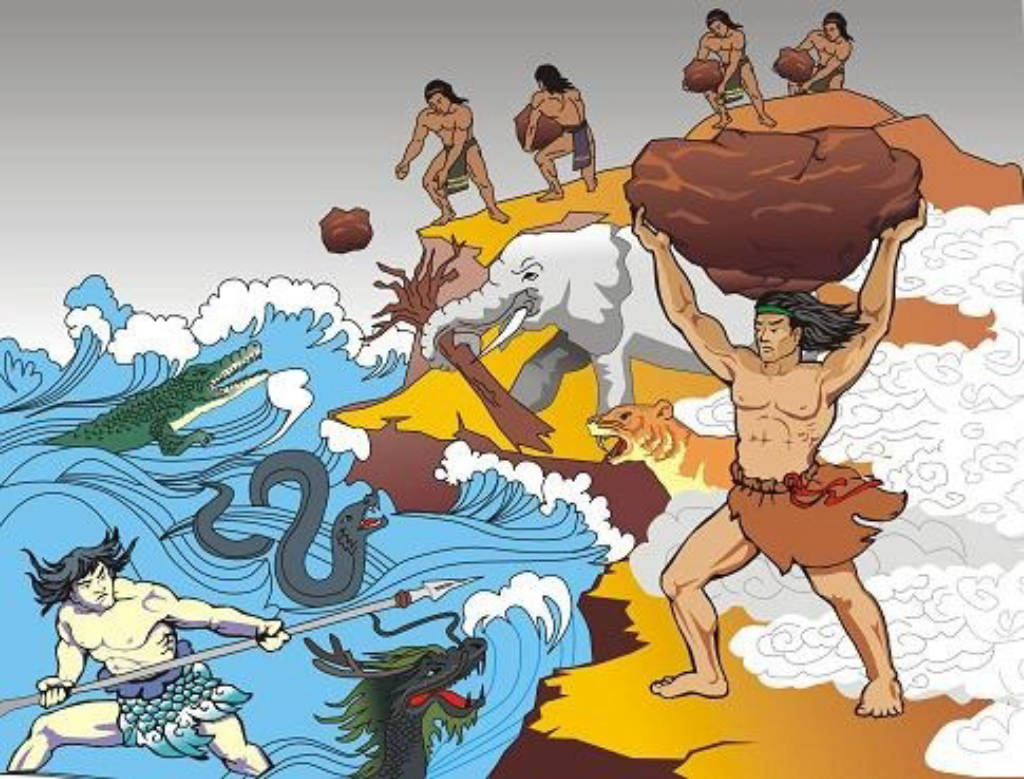
The four immortals in Vietnamese folk beliefs
 Hà Nội, Việt Nam
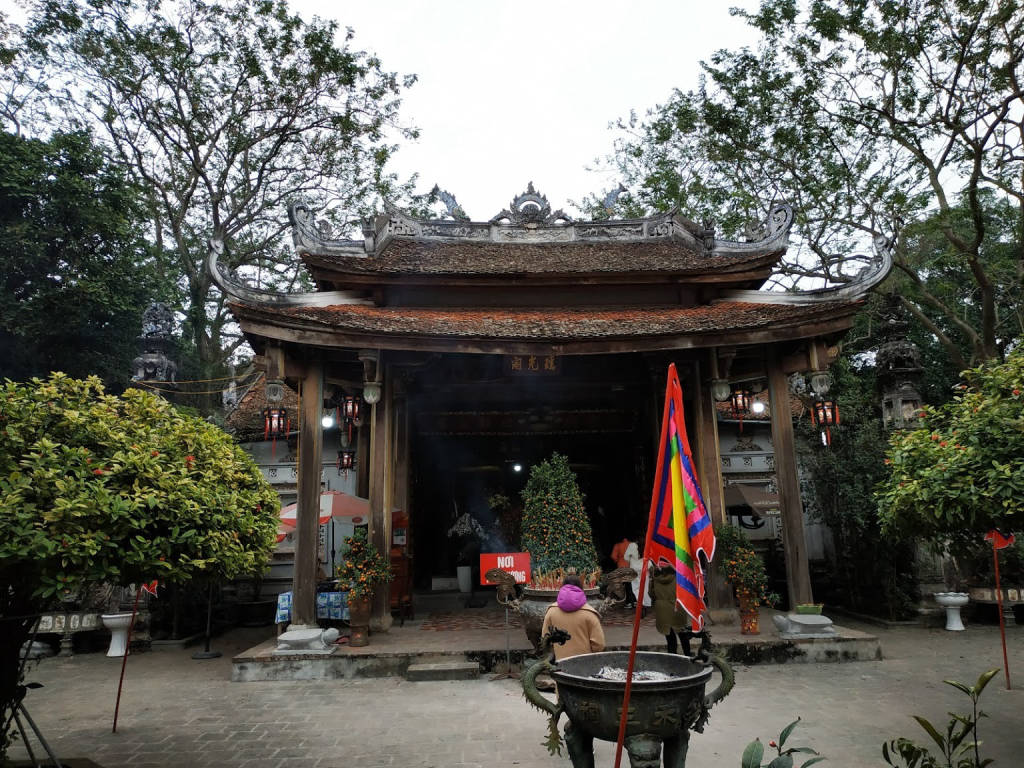
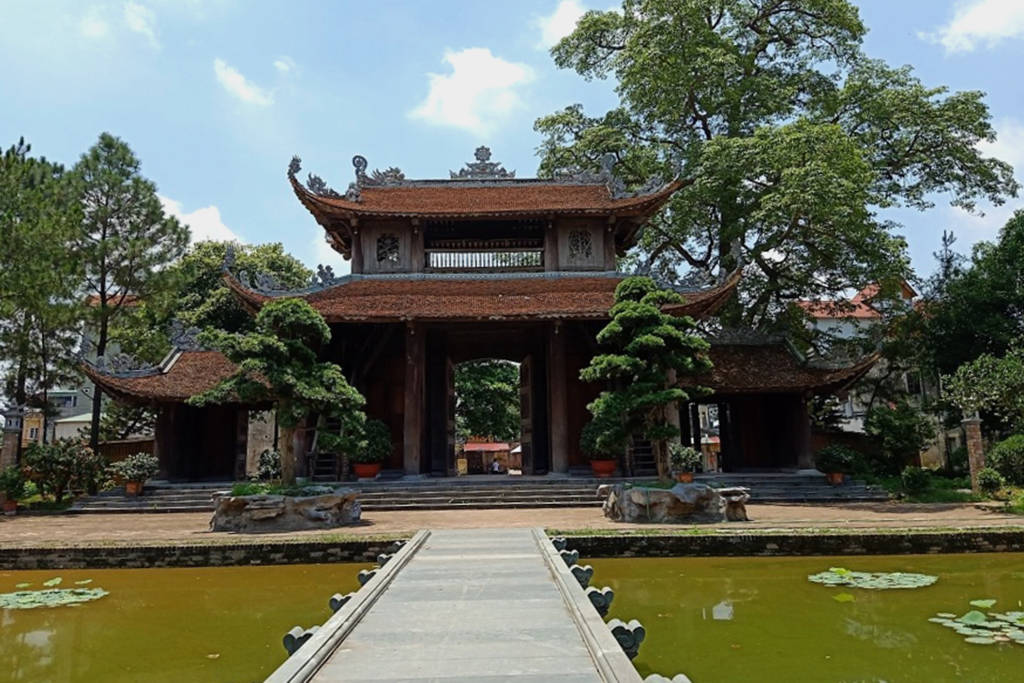
 In addition to worshiping ancestors, artisans and heroes who have contributed to fighting foreign invaders, the Vietnamese also worship the Immortals as gods to protect the nation. These Saints include Tan Vien (God of the Mountain), Thanh Giong, Chu Dong Tu and Thanh Mau Lieu Hanh, who have many unique features. It can be said that the custom of worshiping the Four Immortals is a unique belief in Vietnamese folklore.
Before major religions were present in Vietnam, the Vietnamese developed their own beliefs. In addition to worshiping ancestors, artisans and heroes who have contributed to fighting foreign invaders, they also worship the Four Immortals including Tan Vien (God of the Mountain), Thanh Giong, Chu Dong Tu and Thanh Mau Lieu Hanh. Each deity has a certain meaning, associated with the lives of people in the Red River Delta.
Tan Vien embodies the desire to win against natural disasters, especially floods; Saint Giong represents the will to fight foreign invaders; Chu Dong Tu symbolizes love and the Holy Mother Lieu Hanh represents a rich spiritual life.
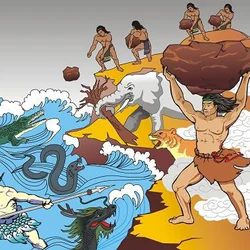
Saint Tan Vien - the first immortal, also known as Son Tinh, is the Mountain God who rules over all species on land. He often taught people to plant crops, hunt animals, catch fish, practice martial arts and organize festivals. Contrasting with Son Tinh is Thuy Tinh, the God of the Sea, who governs all species under the sea. He was the god who was often responsible for the rising water levels that damaged crops, destroyed animals, and caused many deaths.
King Hung, the head of the Vietnamese tribes, had a beautiful daughter named Princess My Nuong. He held a contest to choose a husband for his daughter, Son Tinh won and then he got married to My Nuong. The loser is Thuy Tinh who has many animosities with Son Tinh, so every year he summons coastal floods and sends sea monsters to harm the people. Son Tinh together with all peoples and all species on land fought with all their might. The higher the water rose, the higher the mountain, and Mercury was defeated.
Son Tinh's struggle against Mercury reflects the history of a country with its back to the mountains, facing the sea, fighting natural disasters all year round. Worshiping Saint Tan Vien is worshiping and believing in the divine strength, benevolence, justice of the people and the efforts of the Vietnamese people to survive.
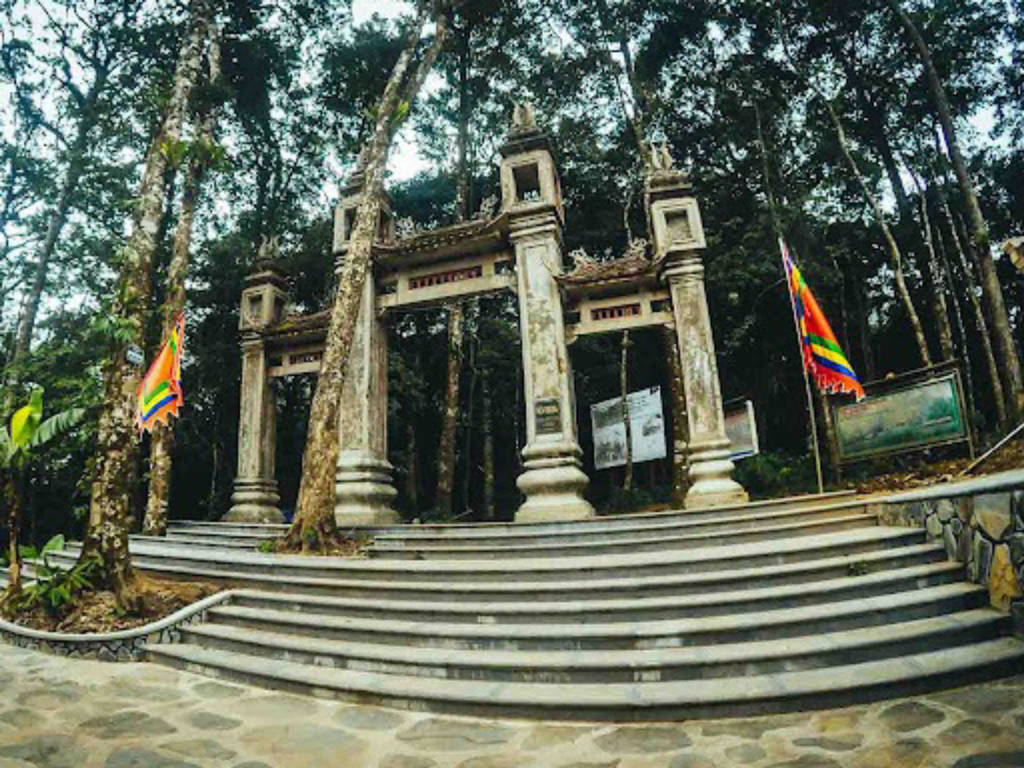
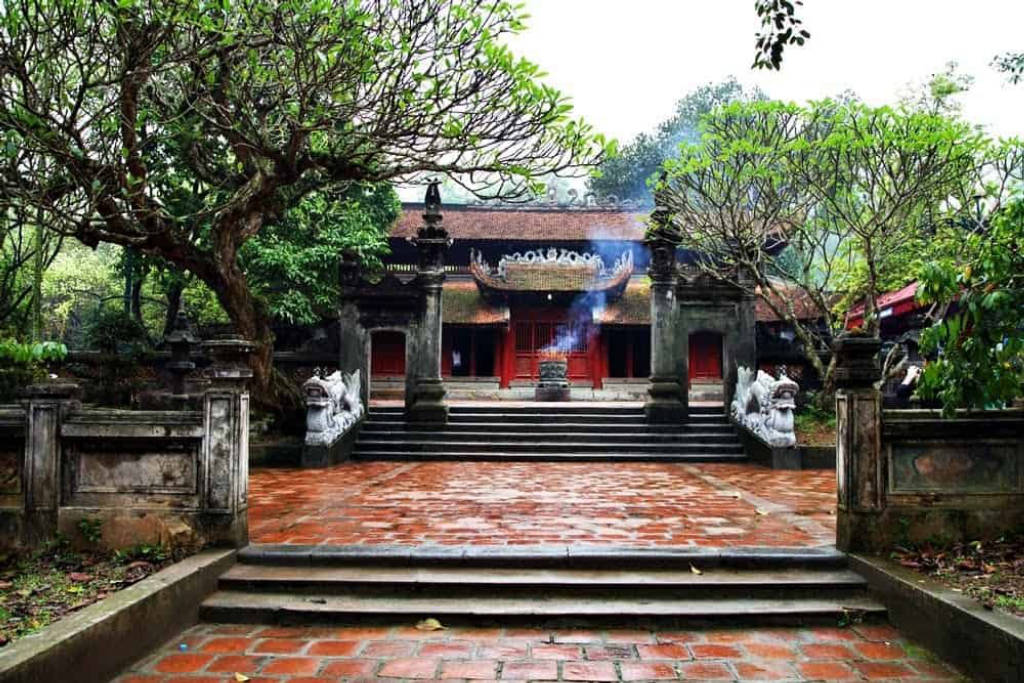
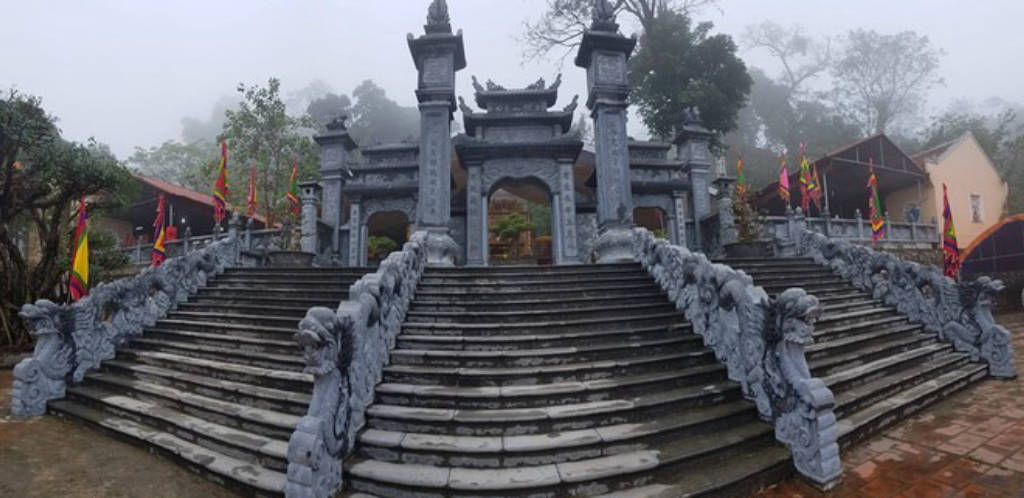
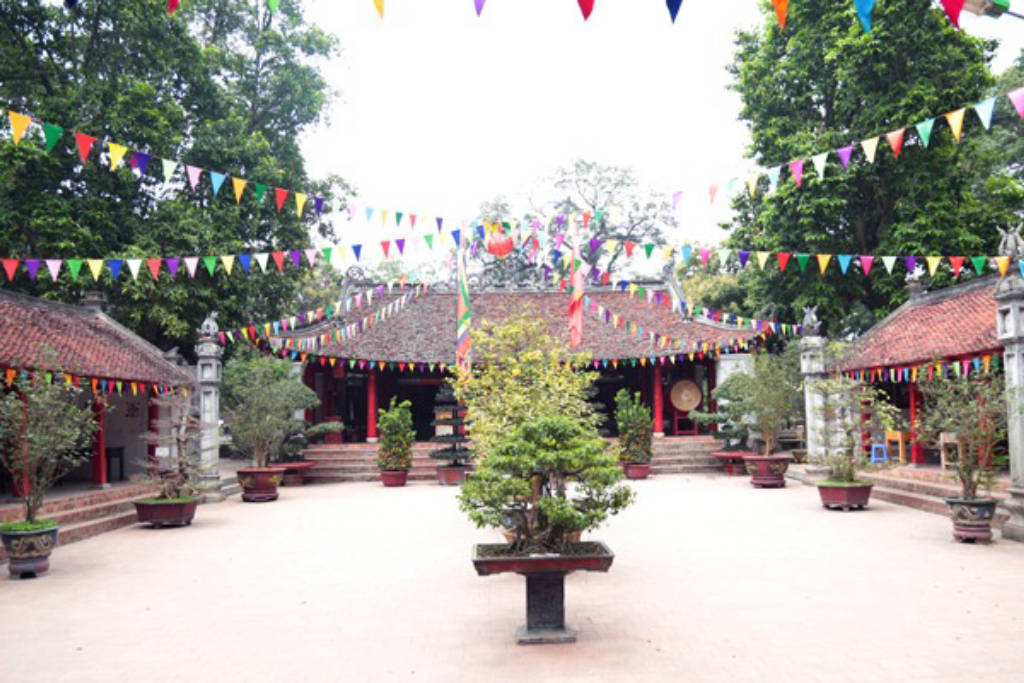
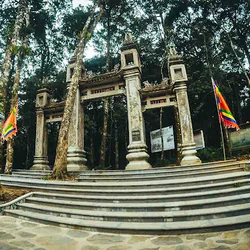
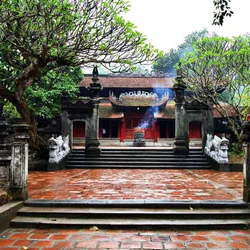
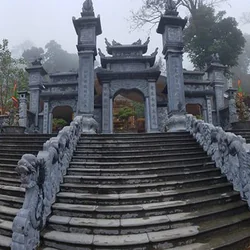
The custom of worshiping Saint Tan Vien has existed for a very long time. Around 250 BC, King An Duong Vuong ordered the construction of Tan Vien Holy Temple on Tan Vien mountain, called Thuong Temple, now in Ba Vi district, a suburban district of Hanoi. Every three years, on the 15th day of the first lunar month, a big festival takes place here, attracting tens of thousands of people. The festival has a variety of activities such as procession of the saint's card, catching 99 fish to offer to the saint, procession of the saint's wife - My Nuong, chicken dance, chess competition and 'conical hat' contest and other folklore activities. . On the festival day, the King himself went there or sent officials to offer incense. Today, leaders of the Party, State and Government often attend the festival at the main temple on Ba Vi mountain
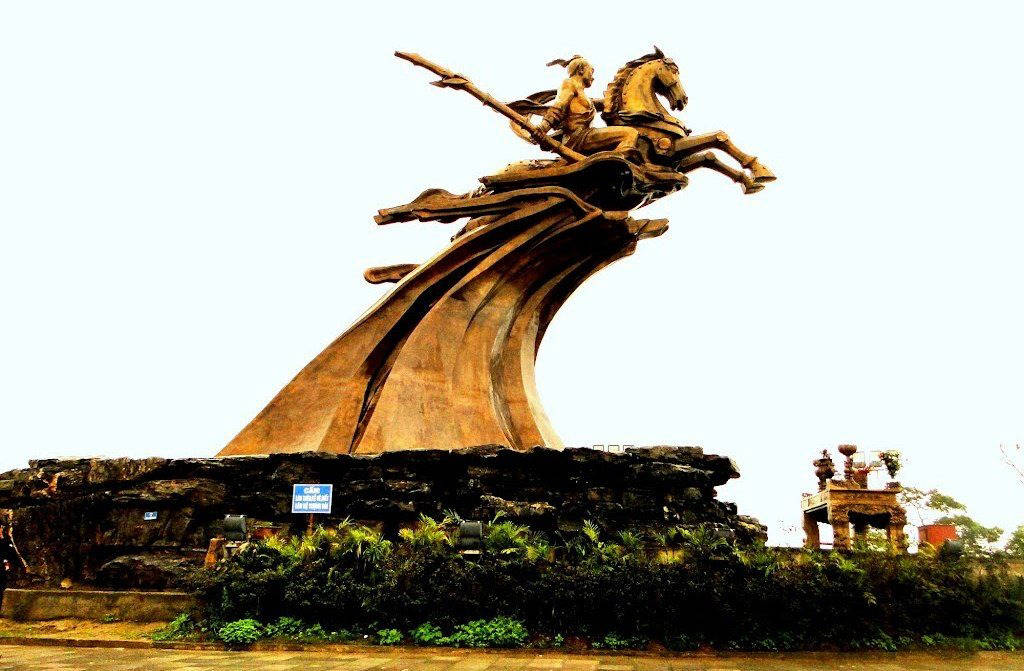
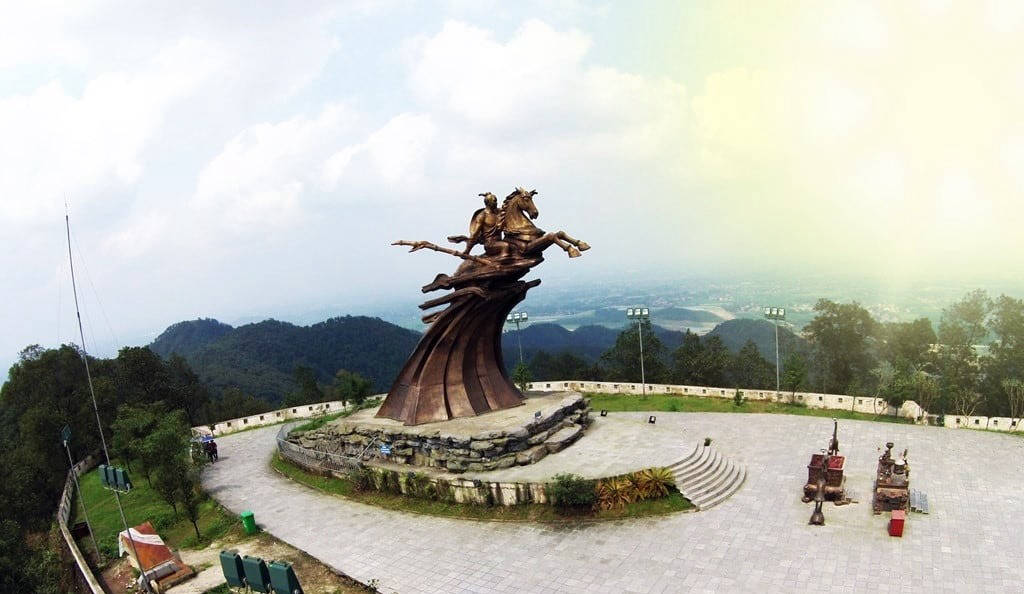
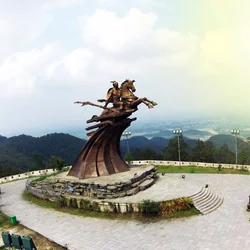
The Immortal Saint Giong II is a mythological epic about the great strength of the nation against foreign invaders. According to legend, in the 6th Hung King Dynasty (1718-1631 BC), in Giong village (now Phu Dong village, Gia Lam district, Hanoi) there was a boy who was 3 years old but could not speak. When he heard that the country was in danger of being attacked by the An invaders from the north, the 3-year-old boy quickly grew up, raised his arms and turned into a hero. He rode an iron horse, wore iron armor and used an iron rod to fight the enemy. When the stick was broken, Giong plucked bamboo bushes as a weapon. After victory, the hero takes off his armor without regard for honor or wealth. He quietly went to the top of Ve Linh mountain (now Sai mountain in Soc Son district, Hanoi), took a last look at his hometown and then flew up to the sky on his iron horse.
Recognizing Giong's merits, King Hung named him Phu Dong Thien Vuong and ordered to build his temple on Ve Linh mountain, Giong village also changed its name to Phu Dong village.
Every year, on the 9th day of the fourth lunar month, the village organizes a festival to recreate the legend of Saint Giong with activities such as military drills and human chess competition. In 2010, Giong Festival was recognized by the United Nations Educational, Scientific and Cultural Organization (UNESCO) as an Intangible Cultural Heritage of Humanity.
The third immortal is Chu Dong Tu, born in Da Trach commune, Khoai Chau district, Hung Yen province. His parents died when he was very young. He lived by fishing and was so poor he didn't even have a loincloth to wear. One day, when he saw the boat carrying Princess Tien Dung, daughter of the third Hung King, on the boat, Chu Dong Tu was very scared and hid in the sand. Unexpectedly, the princess decided to set up a tent on the shore so that she could bathe. When the water hit the ground, it washed away some of the sand, exposing Chu Dong Tu. Tien Dung, believing that the meeting was arranged by God, fell in love with Chu Dong Tu and immediately wanted to marry him. But how can the princess marry a commoner, King Hung opposes the marriage and intends to arrest Chu Dong Tu for punishment. Both Chu Dong Tu and Tien Dung had to flee and hide with the locals. To make a living, they started a small business. Then they met a Taoist hermit who taught them superpowers. When their cultivation reached the highest level, they flew to Heaven and were canonized as saints.
Legend has it that Saint Chu Dong Tu ruled over all things and was present on earth to save humanity from tribulation and teach people to do business, fish, and weave cloth for a better life.
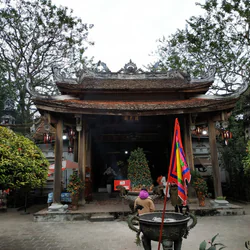
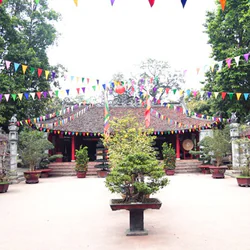
Local people set up a temple to worship him in Da Trach commune, Khoai Chau district. There, they hold an annual ceremony to pray for a happy and prosperous life. The festival starts in mid-February of the lunar calendar with many traditional activities, including dragon dance, singing and human chess competition.
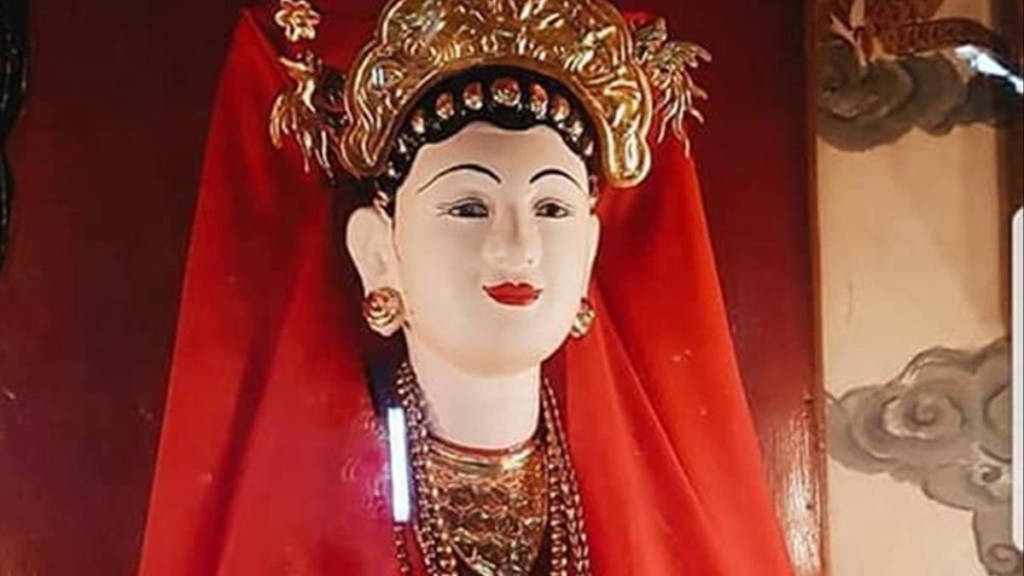
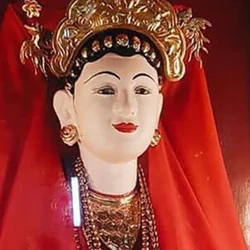
The fourth immortal saint is a woman. Legend has it that Lieu Hanh was formerly the daughter of the Jade Emperor, the ruler of Heaven. After accidentally breaking a beautiful vase made of jade, the princess was banished to the Human World. The princess was saved by the Buddha and reincarnated as the daughter of a Le family in Phu Giay, Vu Ban district, Nam Dinh province. She is said to have 4 qualities of an ideal woman, which are good housewife skills, good looks, proper speech and high morals. She was also canonized and became a holy saint who always helped good people, especially women and children. Locals recognized her merits and built temples in her memory in various localities.
The legend of Saint Lieu Hanh reflects the characteristics of Vietnamese women, who are talented, virtuous, courageous, loyal, benevolent towards the poor, always defending the good and punishing the bad.
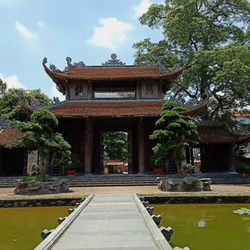
She is worshiped as the 'Sacred Mother - Mother of the People'. The tradition of worshiping Saints shows the Vietnamese people's respect for their great, powerful and righteous mother. In her hometown, Phu Giay, people built a temple complex to commemorate her. Phu Giay Festival is held annually from the 1st to the 10th of the third lunar month, attracting a large number of people to participate. Activities to commemorate Saint Lieu Hanh were also held at Song Temple, in Thanh Hoa on the 3rd day of the 3rd lunar month.
No one created the myth of the Four Immortals. The stories about them are drawn by many people and passed down orally through many generations of Vietnamese people. The four immortal saints represent four main aspects of Vietnamese life that have been, are and will always be worshiped. This is a unique feature in Vietnamese beliefs