


See all results for ""

 Anytime
 Tiếng ViệtEnglish
 한국어
한국어 日本語
日本語 简体中文
简体中文 Français
 Deutsch
 Español
 Italiano
 Русский


 Login for Corporates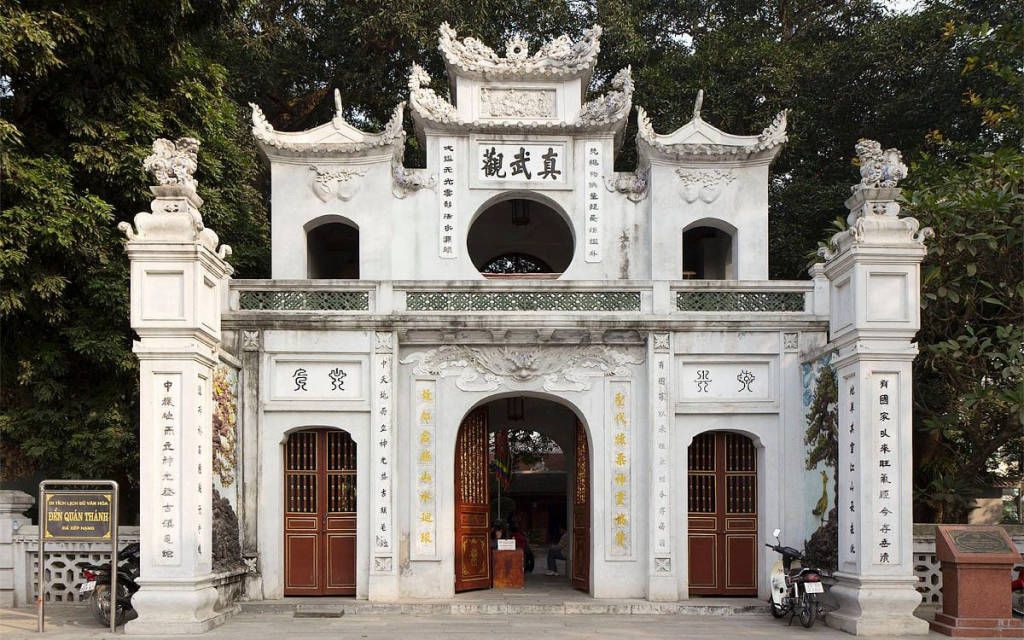
Quan Thanh TemplE
 No. 190 Quan Thanh Street, Quan Thanh Ward, Ba Dinh District, Hanoi City, Vietnam
In the heart of vibrant Hanoi, where Quan Thanh Street bustles with traffic and daily life, there exists a tranquil haven that mirrors the calm waters of West Lake – Quan Thanh Temple. Locals also call it Tran Vu Quan, located in Quan Thanh Ward, Ba Dinh District.
1. Visit the Thousand-Year-Old Temple
Amid the vibrant rhythm of Hanoi, where Quan Thanh Street is bustling with traffic every day, there remains a quiet sanctuary reflected on the vast waters of West Lake – Quan Thanh Temple (Tran Vu Quan), located in Quan Thanh Ward, Ba Dinh District.
The temple was built in the 11th century under the reign of King Ly Thai To to guard the northern gate of the Thang Long Citadel. After nearly a millennium, the moss-covered structure still stands firmly, serving as a spiritual anchor and a long-standing cultural symbol of the capital.
2. Enduring Spiritual Beliefs Through Time
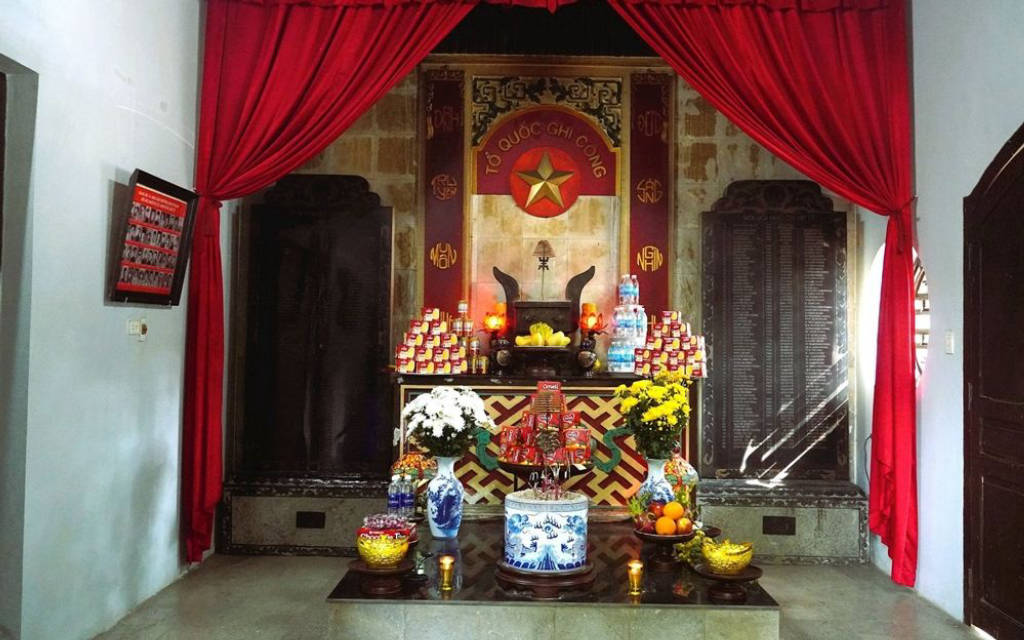
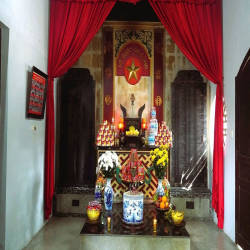
Quan Thanh Temple worships Huyen Thien Tran Vu – the guardian deity of the North, who subdued evil spirits and protected the citadel. Legend tells that he defeated a giant turtle spirit, a fox demon, and a nine-tailed fox to bring peace to the people.
Together with Bach Ma Temple, Kim Lien Temple, and Voi Phuc Temple, Quan Thanh Temple forms the “Thang Long Tu Tran” – four sacred temples guarding the four cardinal directions of the ancient capital.
3. A Glorious History Across Dynasties
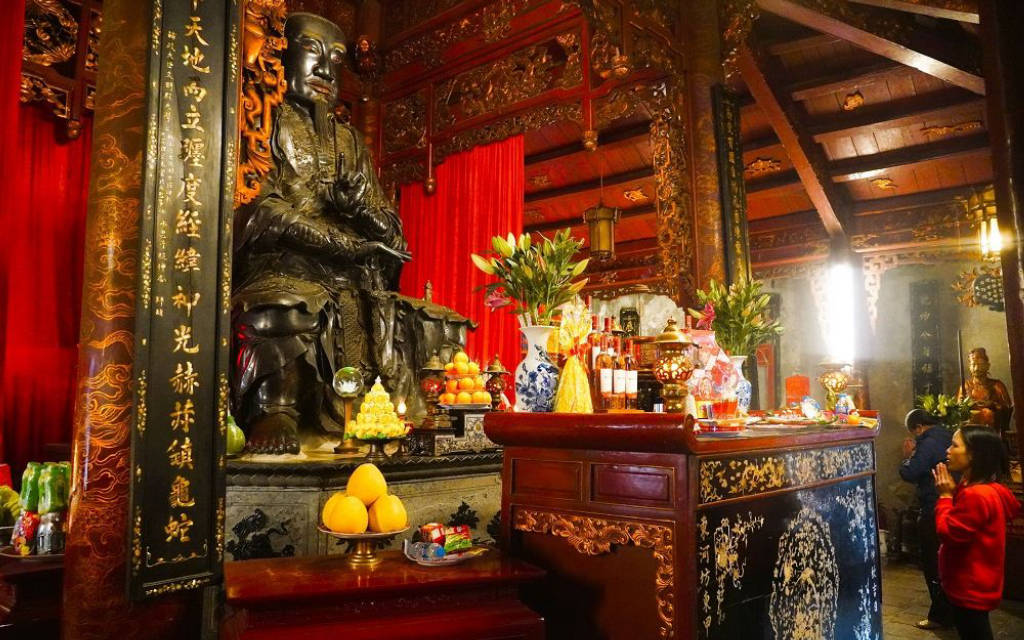
Quan Thanh Temple has witnessed many historical ups and downs. During the Le – Trinh period, Lord Trinh Tac commissioned the casting of a colossal black bronze statue of Huyen Thien Tran Vu – a rare artistic masterpiece.
The folk verse “The bell of Tran Vu, the rooster’s crow of Tho Xuong” has long echoed in the memories of Hanoians.
In 1962, the temple was recognized as a National Historical and Cultural Relic, and in 2024 it was designated a Special National Relic.
4. Exquisite Architecture with Traditional Essence
4.1 Nghi Mon Gate
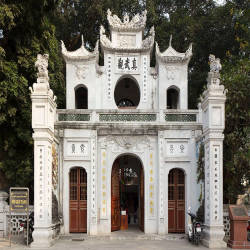
The four-pillared ceremonial gate stands majestically with intricate carvings of phoenixes, carp transforming into dragons, nghe, and tigers, creating a solemn and sacred atmosphere.
4.2 Tam Quan Gate
The ancient triple-entrance gate houses a large bronze bell and a statue of the deity Rahu, where the bell once resonated throughout the Thang Long Citadel.
4.3 Bai Duong Courtyard
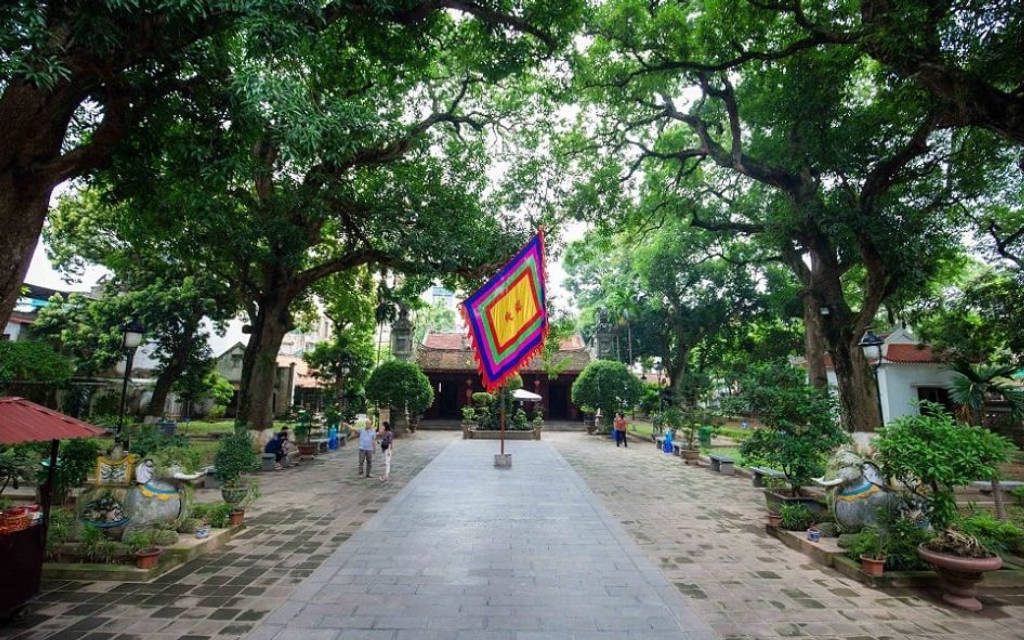
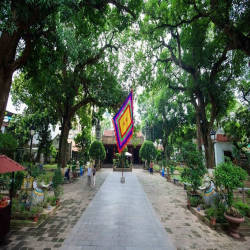
The spacious inner courtyard features an ancient banyan tree, ornamental rockeries, and a large incense burner, creating a tranquil space amid the bustling streets.
4.4 Hau Cung Sanctuary
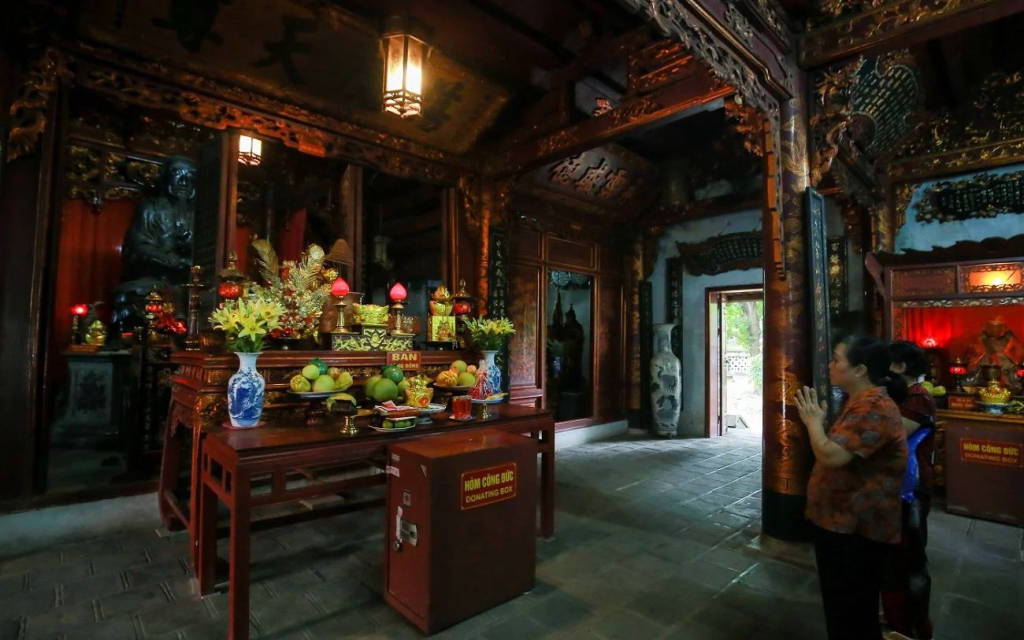
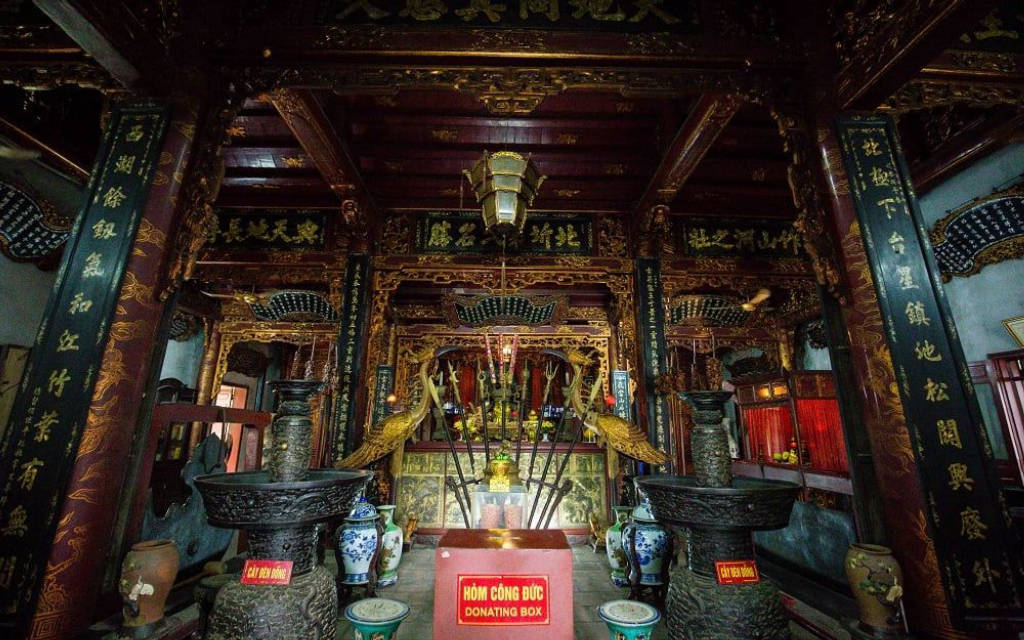
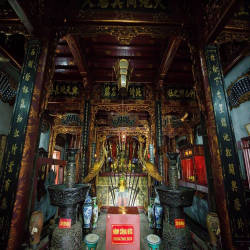
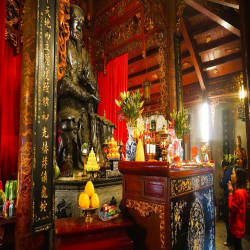
The sanctuary enshrines the nearly 4-meter-tall, almost 4-ton black bronze statue of Huyen Thien Tran Vu – an invaluable national treasure.
4.5 Decorative Details & Artistic Features
Dragon and phoenix motifs, wooden frames, and tiled roofs embody the harmonious blend of Buddhist – Taoist – Confucian influences, creating architecture that is both ancient and approachable.
5. Opening Hours and Admission Fees
5.1 Opening Hours
The temple is open from 8:00 – 17:00 on regular days. On the 1st and full moon days of the lunar month, it opens from 6:00 – 20:00. On Lunar New Year’s Eve, it remains open throughout the night.
5.2 Ticket Prices
10,000 VND/adult; 5,000 VND/students and seniors; free admission for children under 15.
5.3 Visitor Notes
Visitors are advised to maintain quietness, prepare traditional offerings if making incense rituals, and explore at a leisurely pace to fully appreciate the sacred atmosphere.
6. Emotions Upon Entering the Sacred Space
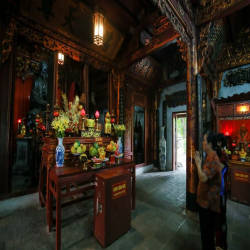
The resonating bell, the fragrance of incense, and the shimmering candlelight create a serene ambiance that helps visitors regain inner balance.
7. Suggested Experiences at Quan Thanh Temple
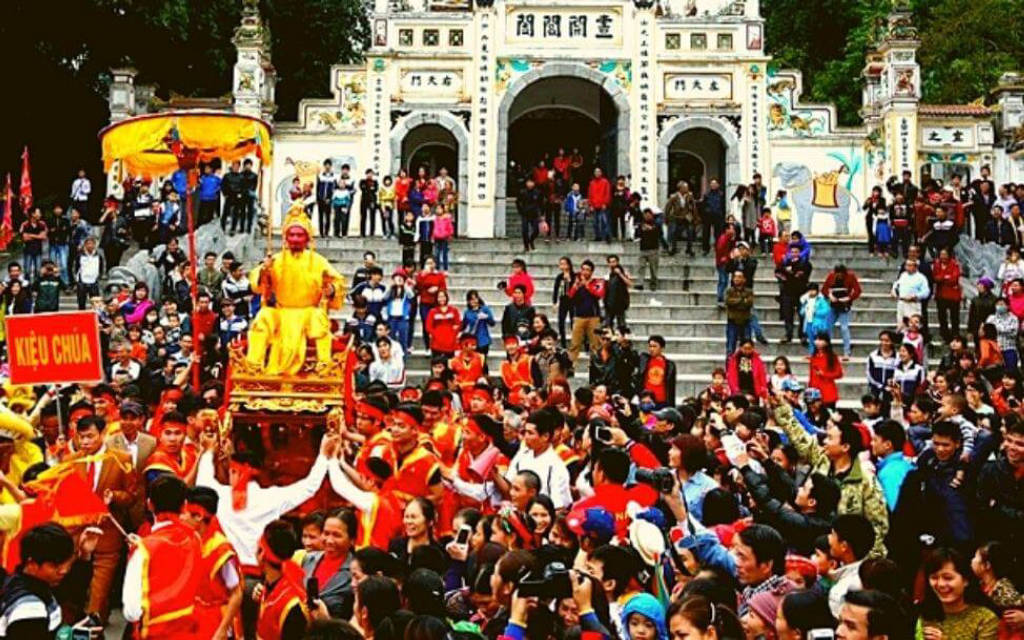
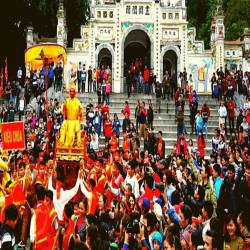
It is recommended to visit on the 1st or full moon day of the lunar month to experience the sacred atmosphere. The festival on the 3rd day of the 3rd lunar month is the most remarkable occasion.
You can also combine your visit with Tran Quoc Pagoda, Phu Tay Ho, and savor West Lake specialties such as shrimp cakes and pho rolls.