


See all results for ""

 Anytime
 Tiếng ViệtEnglish
 日本語
日本語 한국어
한국어 简体中文
简体中文 Français
 Deutsch
 Español
 Italiano
 Русский


 Login for Corporates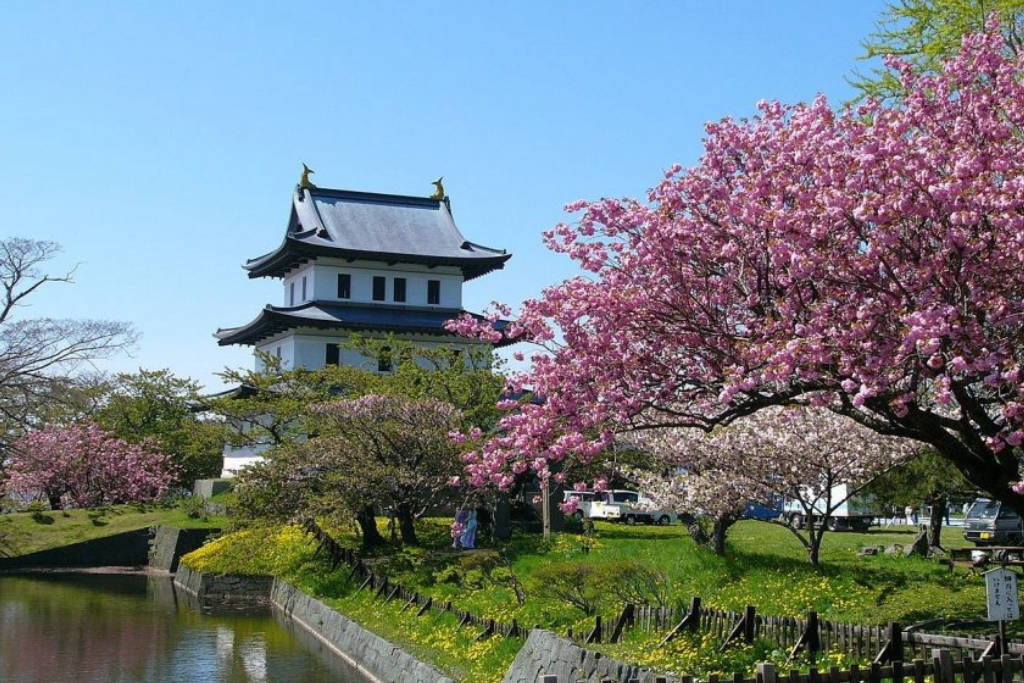
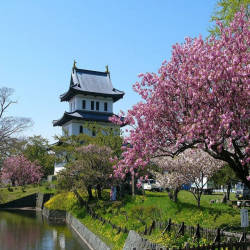
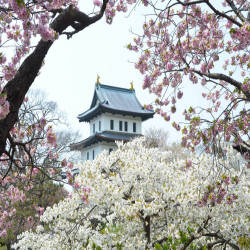
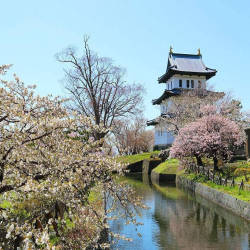
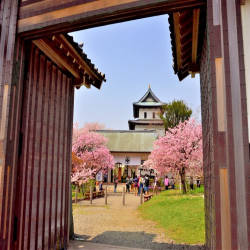
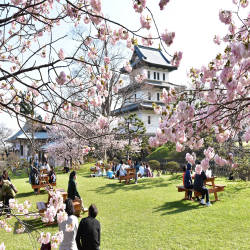
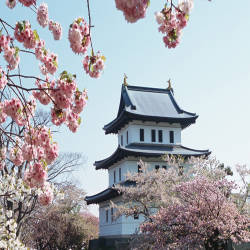
Matsumae Castle
 144 Matsushiro, Matsumae, Matsumae District, Hokkaido 049-1511, Nhật Bản
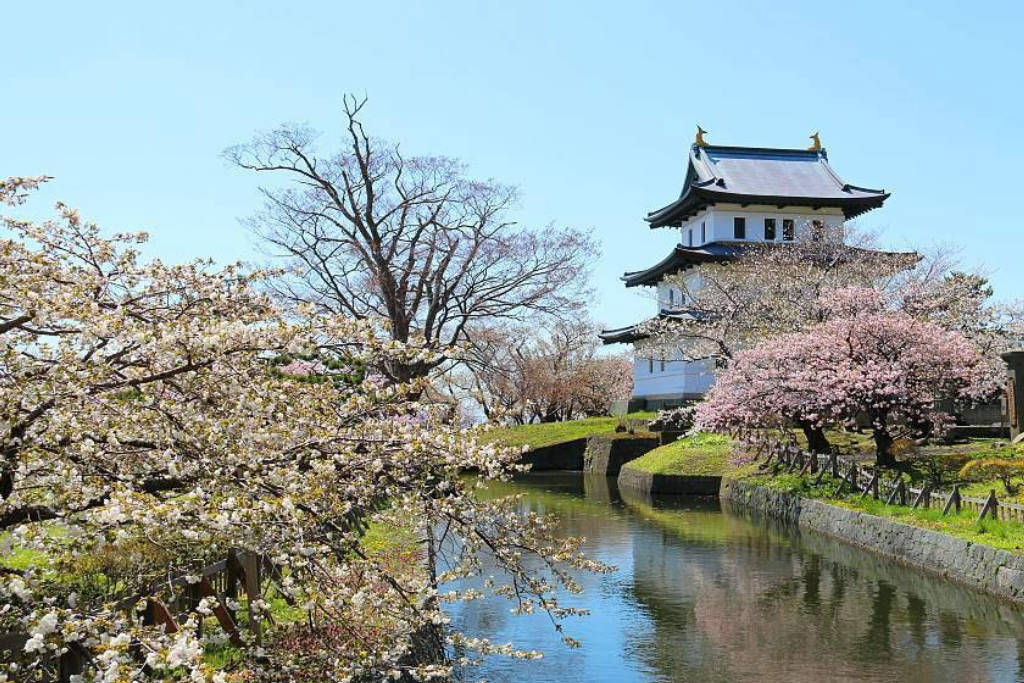
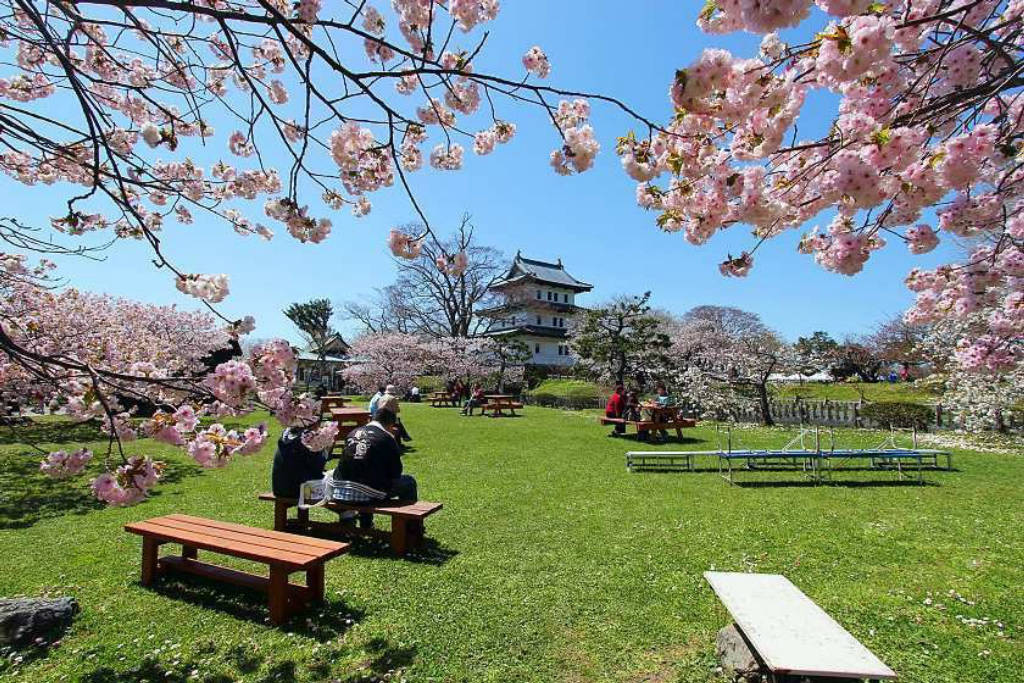
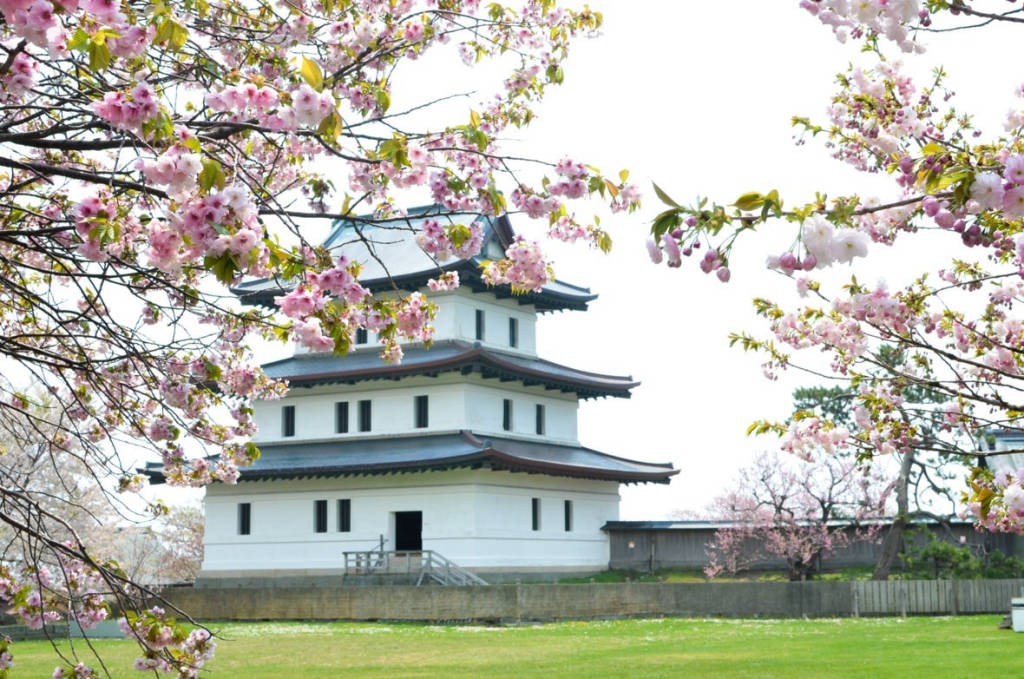
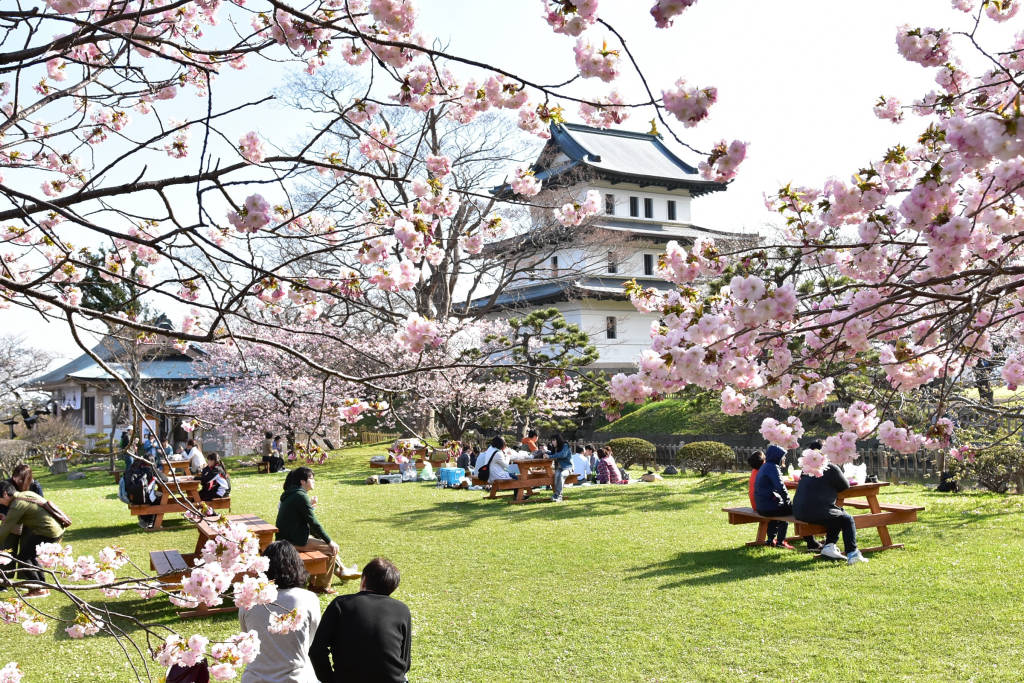
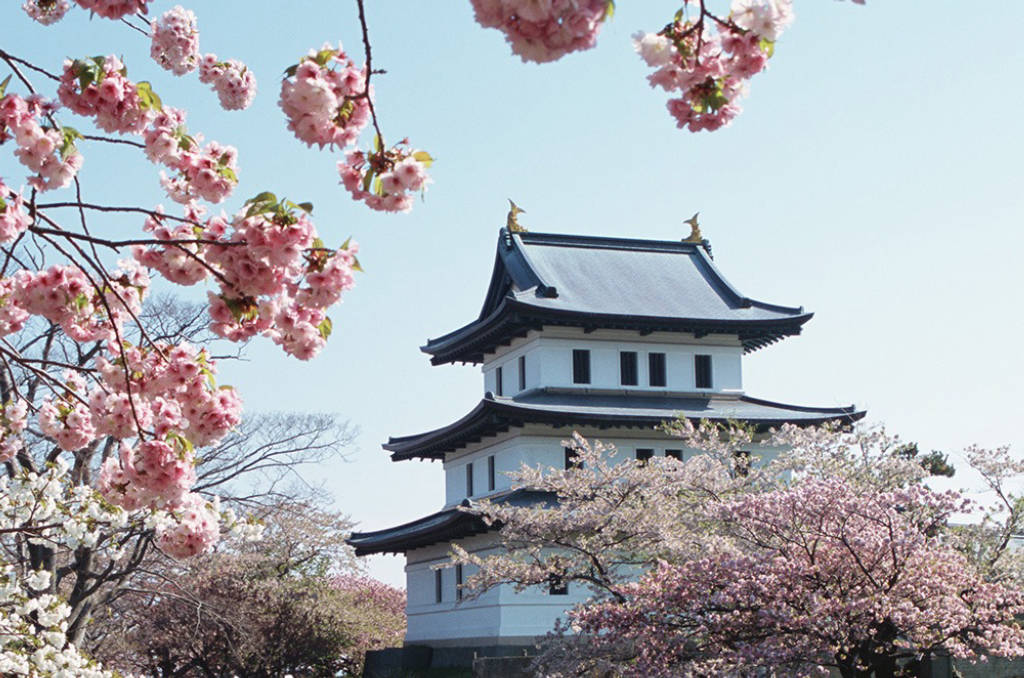
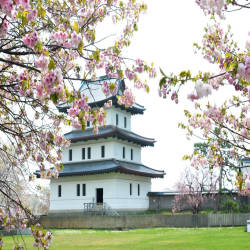
Matsumae (松 前) is an old castle town located just west of Mount Shirakami, Hokkaido's southernmost point. The prosperous town attracted merchants engaged in shipping trade, and was guarded by a garrison at Matsumae Castle, the only traditional Edo-style castle in Hokkaido.
Historically, the location of Matsumae Castle at the southwestern tip of Hokkaido was an important point for controlling travel between Hokkaido and Honshu. At that time, the Matsumae did not have the funds to build a new castle at Mount Hakodate, a proposed site, so they decided to rebuild Matsumae Takahiro's house in Fukuyama.
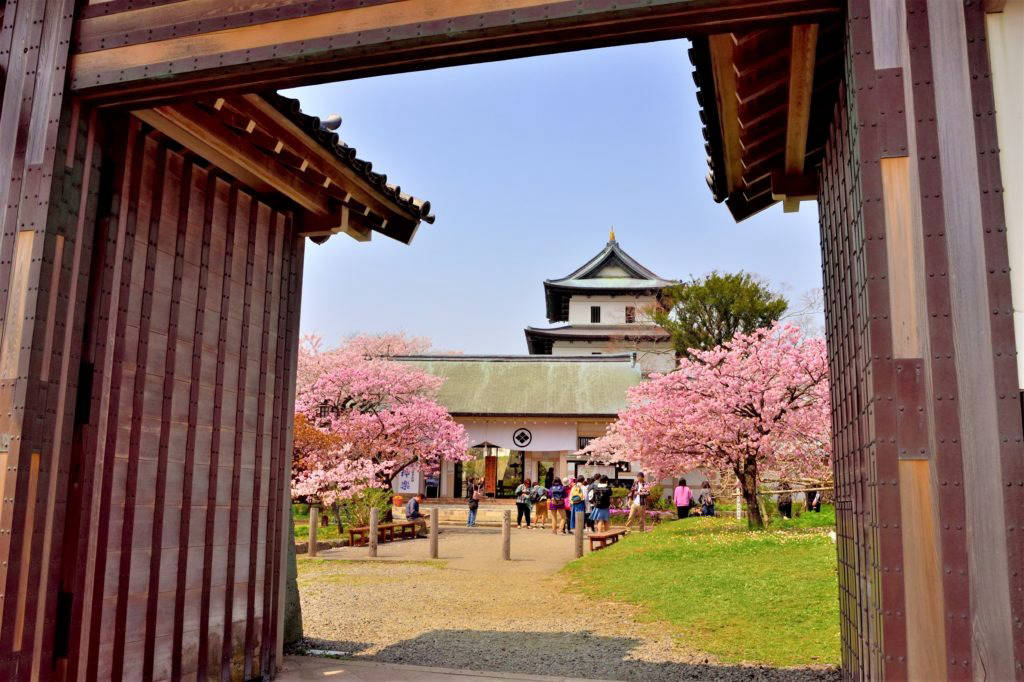
In the late Edo period, the castle was equipped with cannons to fend off the threat from foreign ships. Over the centuries, it has been reconstructed and rebuilt, with the last reconstruction in 1961. Currently, it is a three-story high structure reconstructed with modern concrete, where there are The local history museum displays artifacts from the local Matsumae clan, including some related to the Ainu period .
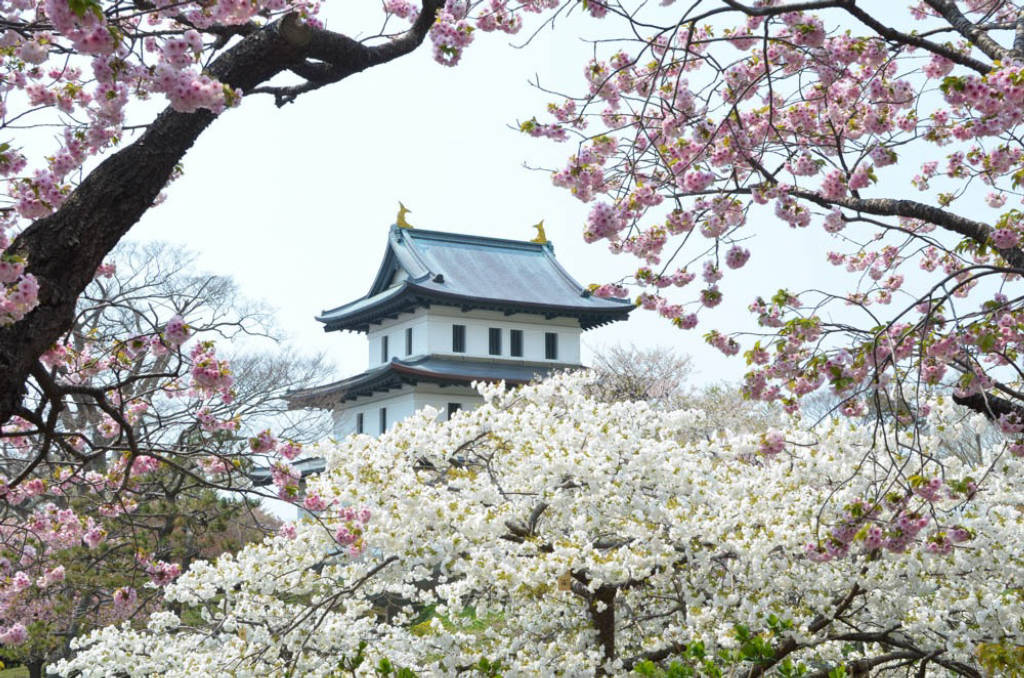
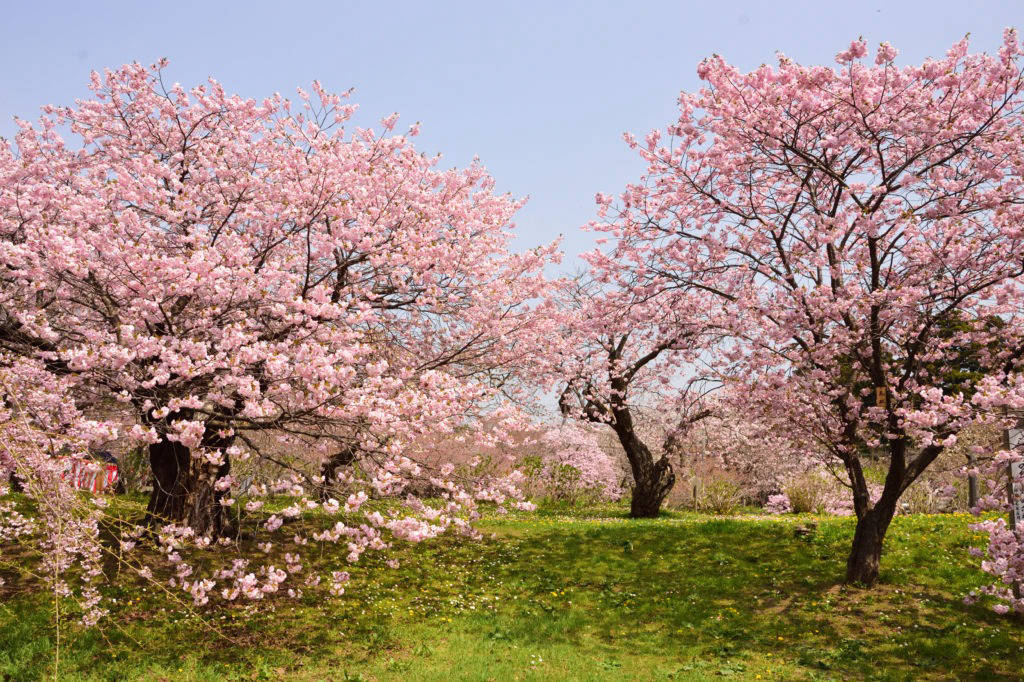
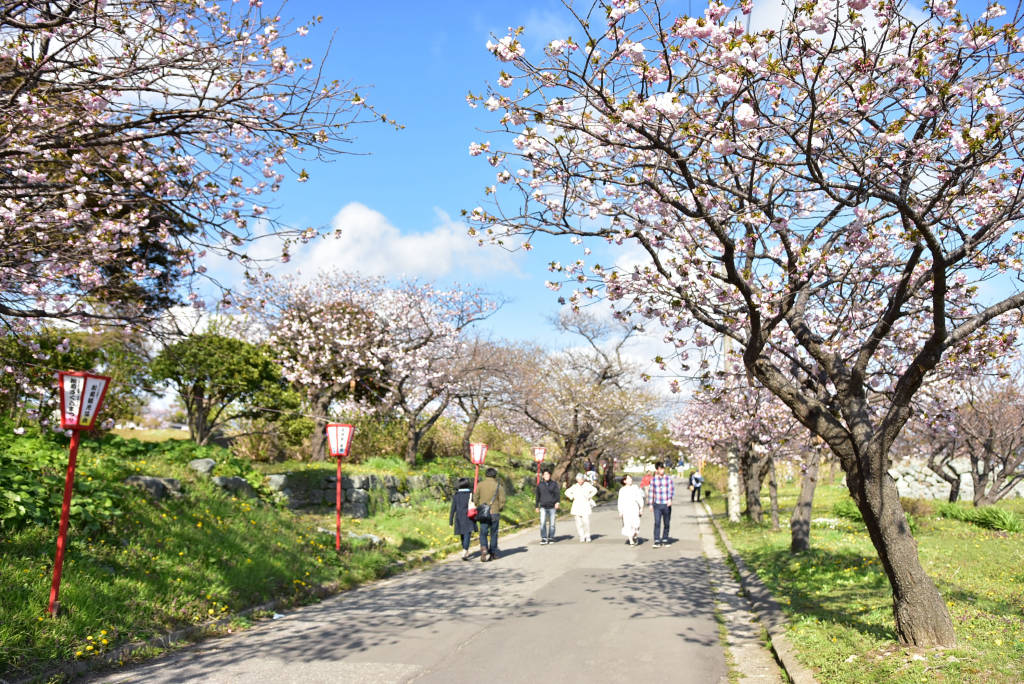
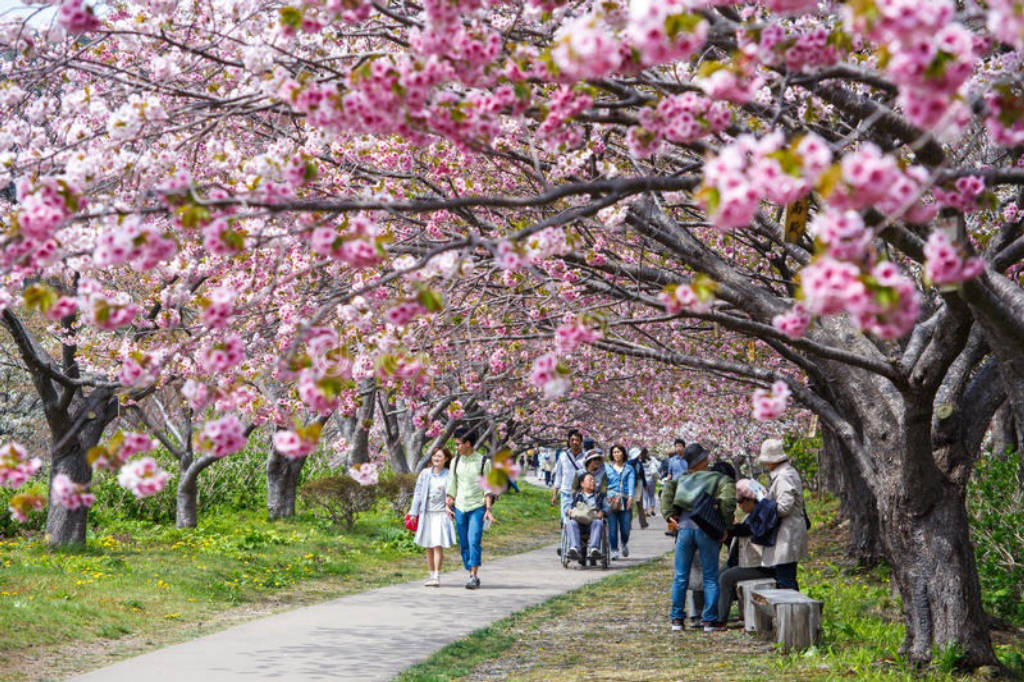
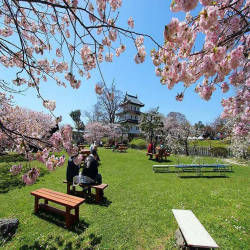
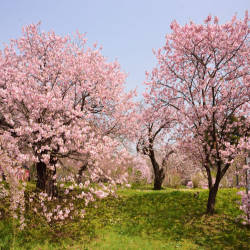
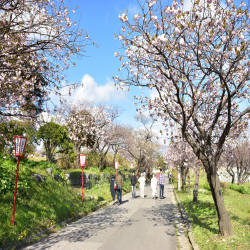
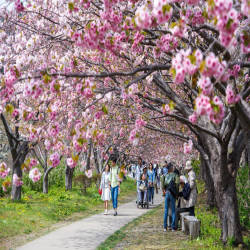
The former castle grounds to the north of the reserve have been turned into the vast Matsumae Park, where rows of cherry trees are planted. There are over 10,000 cherry trees representing over 250 different varieties that can be seen around the grounds. Matsumae has an unusually long blooming season that runs from late April to late May, and has helped the park be ranked in the top 100 cherry blossom spots in Japan. The castle is also illuminated in the evening until around 9pm from April to November.
In addition, the park has a small Sakura Museum on the north side of the castle that holds information on flower growth, displays pictures and preserved specimens of the cherry trees that you can see seen around the premises.
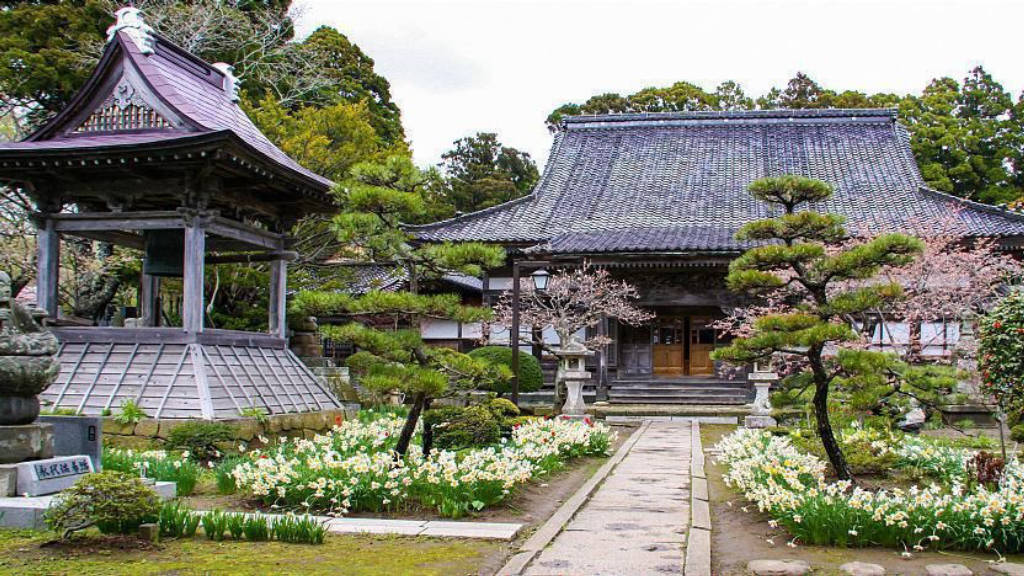
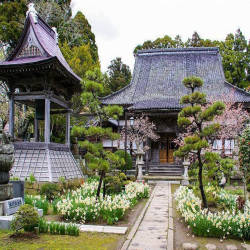
Matsumae's shrine grounds are adjacent to the castle grounds, just northwest of the sanctuary. This area has many temples of different Buddhist sects. Many temples predate the construction of Matsumae Castle, including some of the oldest and most culturally valuable structures in Hokkaido. Other notable attractions in the shrine grounds include the cemetery of the local lords Matsumae and the 200-year-old Kechimyaku Sakura (blood cherry) tree.
Along the western edge of Matsumae Park is Matsumaehan Yashiki , a small historical theme park that recreates the Edo Period Matsumae Town with 14 buildings including merchants, judges' offices, shipping agents, and stations guard. Some buildings can be entered and display life-sized effigies in antique costumes. Visitors can also rent antique costumes to wear while exploring the town.
Finally, the northern terminus of Matsumae Park ends at the foot of Mount Shogun, where there is a viewpoint from which you can look out over the cherry trees of Matsumae Park to the Tsugaru Strait. The area is the entrance to the Hachijuhakkasho Walk, a 20-minute walking trail that winds through the mountain cherry trees to a hut about halfway up the mountain with various Buddhist statues installed. placed along the road.
Matsumae Castle is considered the last of the traditional Japanese castles, a great place to visit in any season and a highlight of this unique northern city.
- Operating hours: 9:00 to 17:00 (entry until 16:30)
- Closed: from 11/12 to 9/4
- Entrance fee: 360