


 Tiếng ViệtEnglish
 한국어
한국어 日本語
日本語 简体中文
简体中文 Français
 Deutsch
 Español
 Italiano
 Русский


 Login for Corporates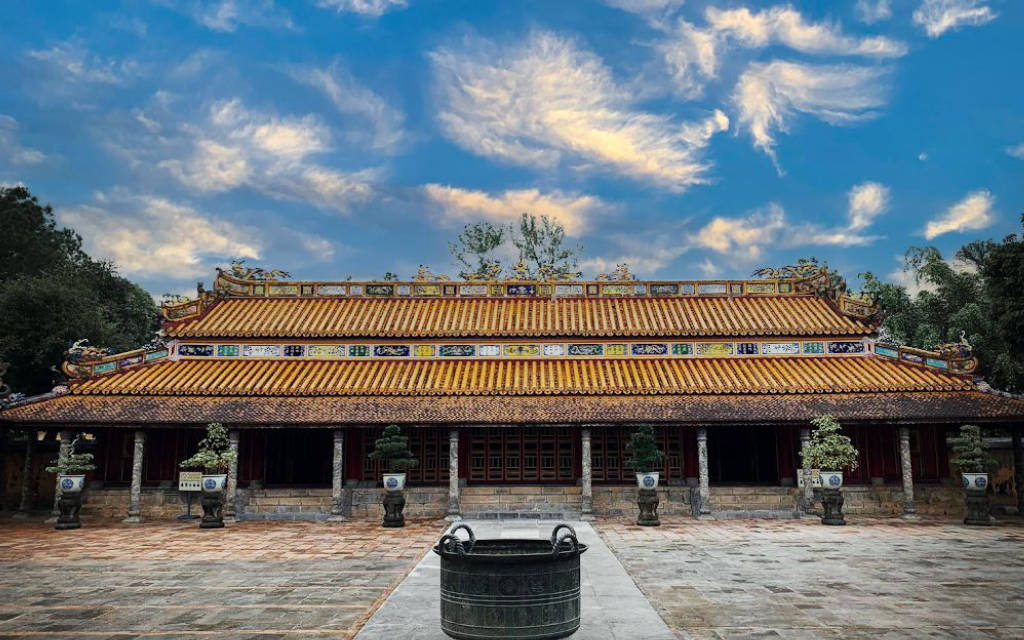
Dong Khanh Tomb (Tu Lang)
 CHH9+XXH, Doan Nhu Hai, Thuy Xuan Ward, Hue City, Thua Thien Hue
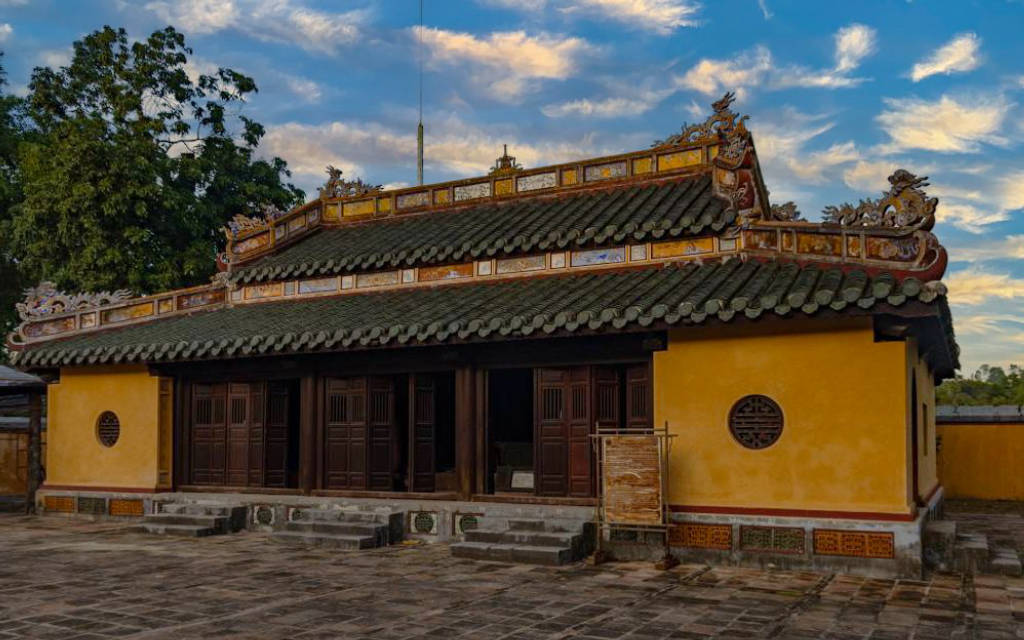
Dong Khanh Tomb, also known as Tu Lang, is a monument within the Hue Imperial City complex, where Emperor Dong Khanh is buried. The tomb is located in the rural area of Thuong Hai village, Thuy Xuan ward, Hue city. It's an ideal destination for travelers who enjoy freely exploring the history and culture of the Nguyen Dynasty.
Welcome to Dong Khanh Tomb, a prominent historical site located in Thuy Xuan Ward, Hue City, Thua Thien Hue Province. This place is not only the resting place of Emperor Dong Khanh but also a testament to the blend of Vietnamese and European cultures.
History of Dong Khanh Tomb
Dong Khanh, born Nguyen Phuc Ung Duong, was the eldest son of Kien Thai Vuong Nguyen Phuc Hong Cai (1845-1876), who fathered three emperors: Kien Phuc (1883-1884), Ham Nghi (1884-1885), and Dong Khanh (1886-1888). A Hue folk song once mentioned the fate of these three kings: ""One house produced three kings: One stayed, one perished, one fled far.""
Dong Khanh Tomb, also known as Tu Lang, was constructed on land belonging to the village of Cu Si, with the formation process extending from 1888 to 1923, spanning the reigns of four emperors: Dong Khanh, Thanh Thai, Duy Tan, and Khai Dinh. After ascending the throne in February 1888, Emperor Dong Khanh started building the Truy Tu Palace to worship his father, Kien Thai Vuong. However, during the construction, Dong Khanh fell ill and died at the age of 25. The palace was renamed Ngung Hy under Emperor Thanh Thai, and Dong Khanh's remains were buried nearby, creating the tomb complex we see today.
In 1916, Emperor Khai Dinh (Dong Khanh's son) undertook the renovation and completion of the tomb. The entire tomb complex, from the Bai Dinh, Bi Dinh to the Buu Thanh and Huyen Cung, was constructed during Khai Dinh's reign and was completed in 1923. The tomb blends traditional and modern architectural styles, making it not only a resting place but also a historical masterpiece.
Architecture of Dong Khanh Tomb
Dong Khanh Tomb stands out with its combination of traditional and modern architectural styles. The temple area retains its classical architecture, with splendid lacquered and gilded columns and decorative motifs of the four sacred animals and four seasons. In contrast, the tomb area is entirely ""Europeanized"" with new construction materials and intricate designs.
Ngung Hy Palace is the highlight of the temple area, featuring 24 paintings depicting the ""Twenty-Four Filial Exemplars,"" reflecting traditional cultural values. Additionally, details such as terra-cotta reliefs and paintings depicting historical events clearly show the influence of Western culture in decorative arts.
The tomb area is built on a grand scale, with many large and small architectural structures, including a stele house and cement statues of mandarins, bringing novelty in form and material.
National Monument
With its historical and unique architectural value, Dong Khanh Tomb was recognized as a national monument in 1998. Visiting this place, tourists not only admire the architectural beauty but also have the opportunity to learn about the Nguyen Dynasty's history and Hue culture.
Come to Dong Khanh Tomb to experience the serene space that preserves the memories and stories of an era, and feel the unique cultural beauty on your personalized journey. Explore Hue, where history and freedom blend in every corner, promising to bring you unforgettable memories."