


See all results for ""

 Anytime
 Tiếng ViệtEnglish
 日本語
日本語 한국어
한국어 简体中文
简体中文 Français
 Deutsch
 Español
 Italiano
 Русский


 Login for Corporates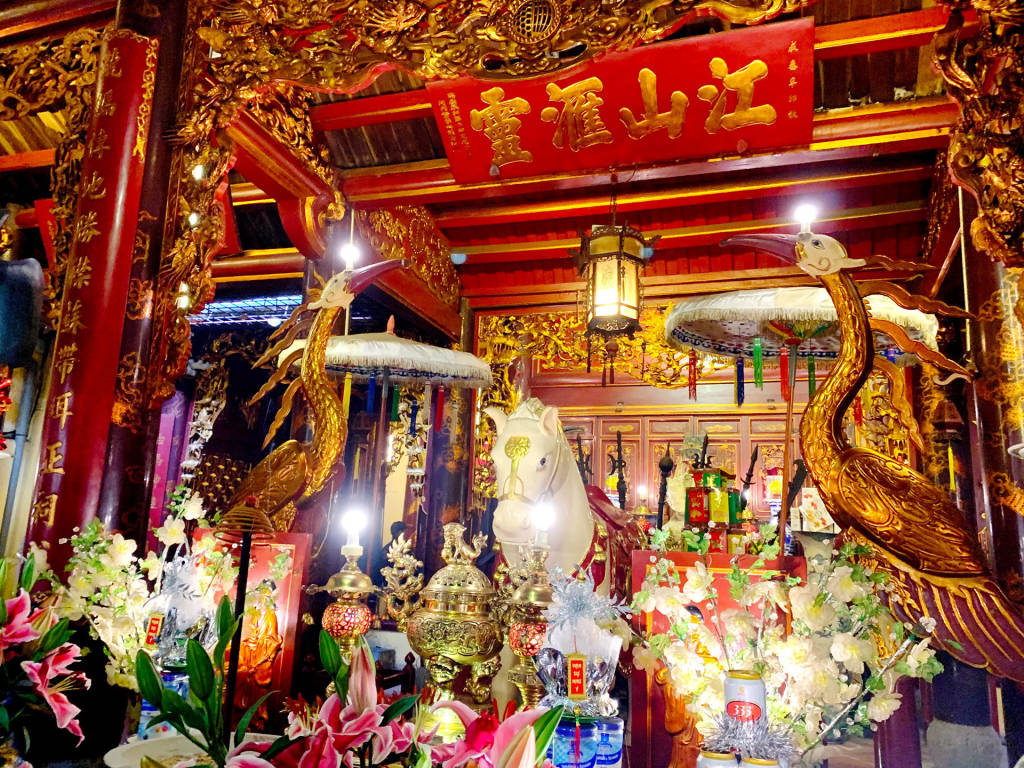
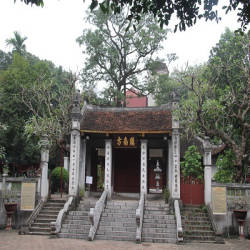
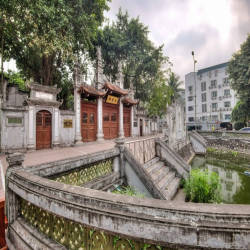
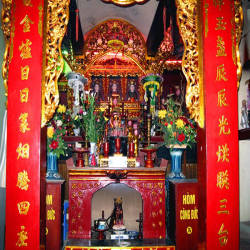
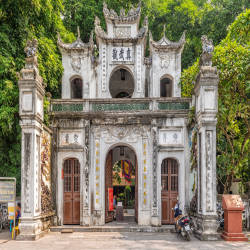
Thang Long Tu Tran
 Hà Nội, Vietnam
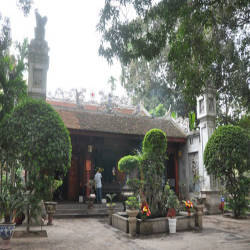
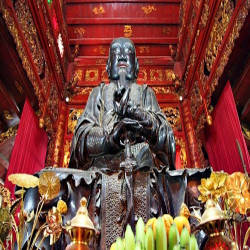
Have you ever heard about Hanoi's capital of Vietnam and its 1000-year-old temple keepers - Thang Long Tu Tran? The country has nearly 4000 years of history and the fact that Hanoi has been able to stand up to now, after many ups and downs of many dynasties, two World Wars and thousands of revolutions big and small, it doesn't seem to be due to luck. risk.
Legend of Thang Long Tu Tran
More than a thousand years ago, in 1010, King Ly Thai To, one of the most famous kings in Vietnamese history, decided to move the old capital of Dai Viet from Dai La citadel to the land where Germany The king saw the golden dragon flying into the sky in his magical dream. After that great historical event, this land was named "Thang Long" which means where dragons fly.
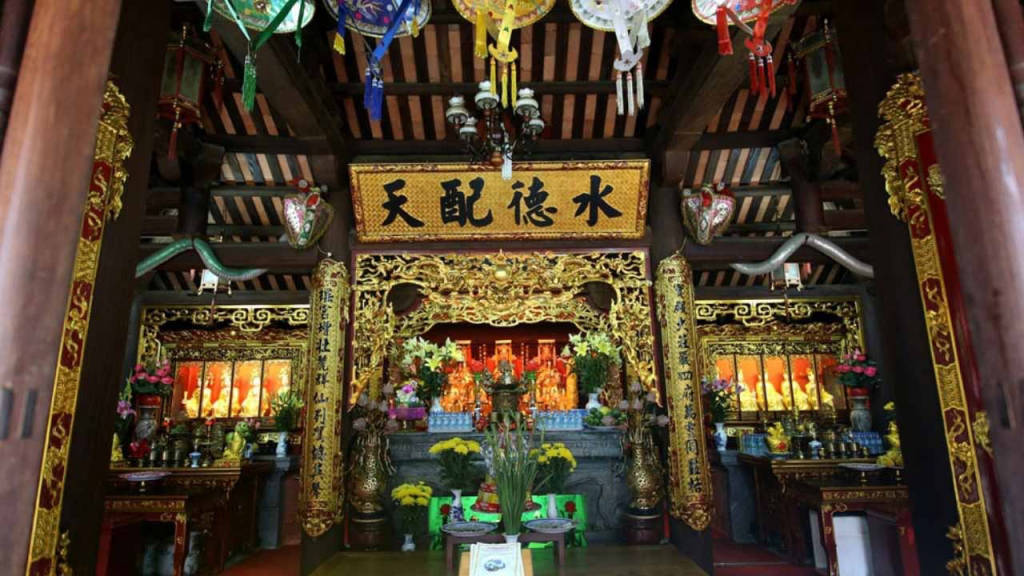
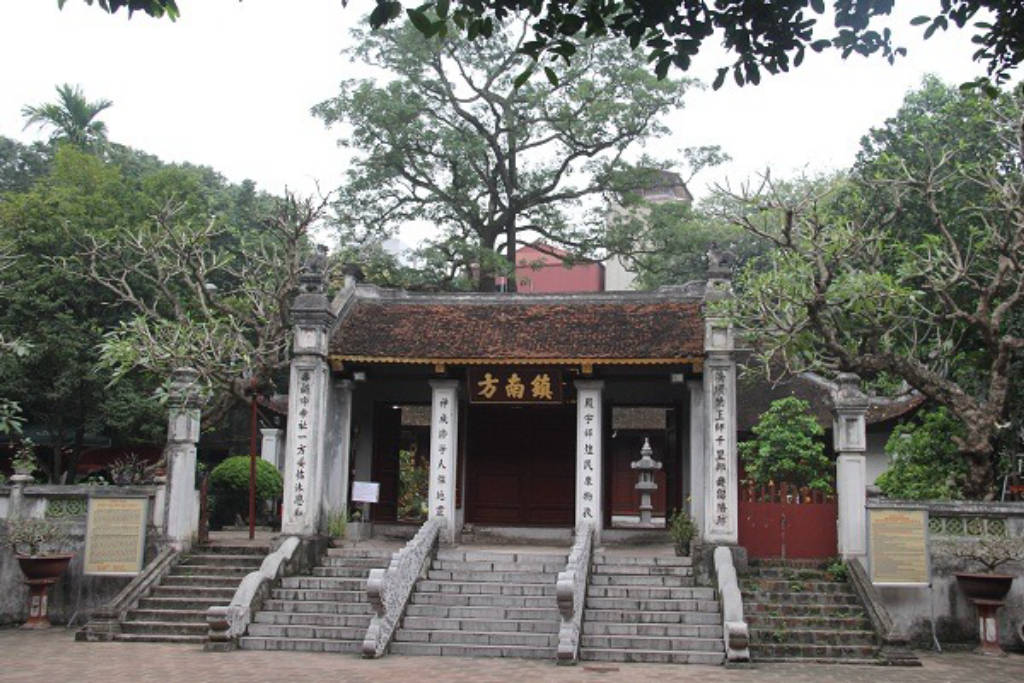
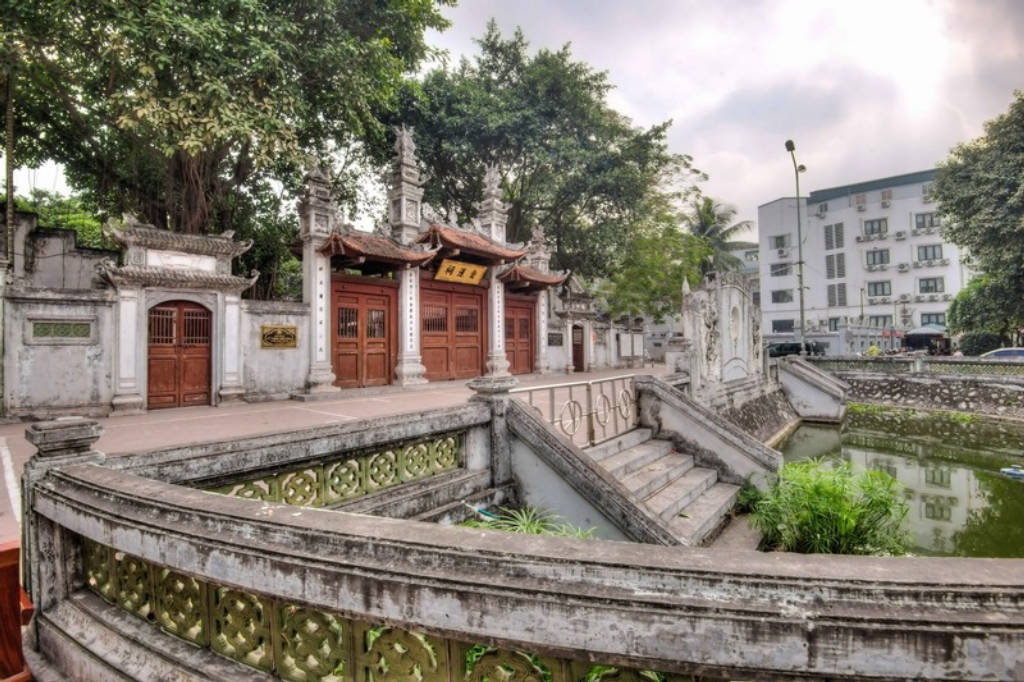
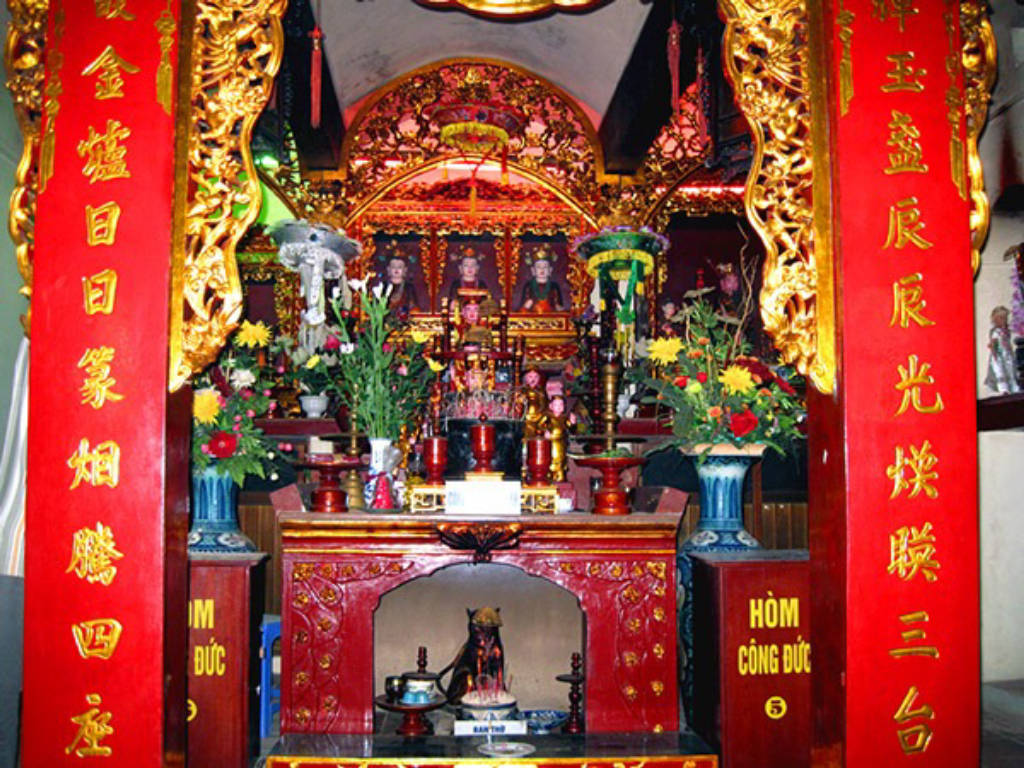
The four towns of Thang Long are the four temples that guard and protect the Thang Long citadel. The four towns of Thang Long were built in different periods in history and still exist today. It is believed that these four different gods can guard the East, West, South and North and protect the city from evil and bad omens. So what are these 4 temples of support?
Bach Ma Temple - the temple of the East
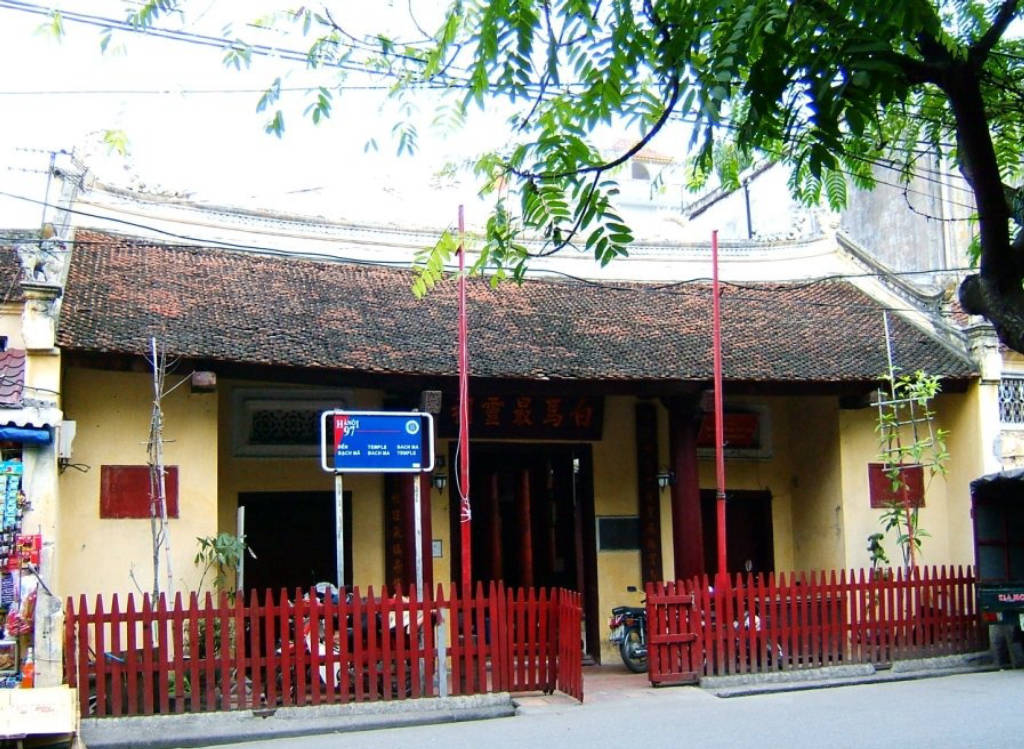
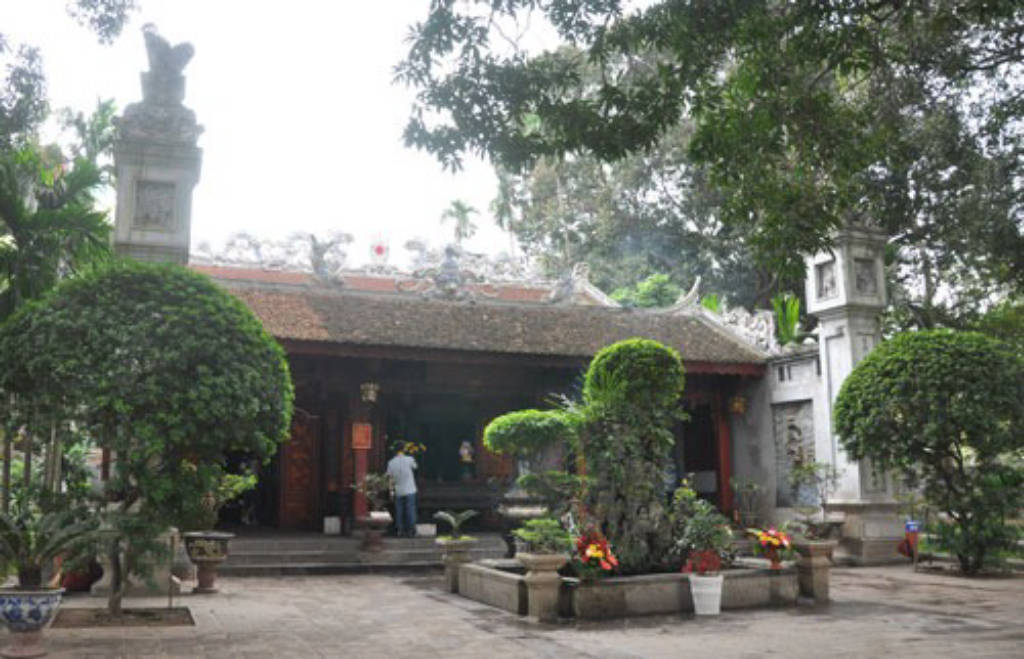
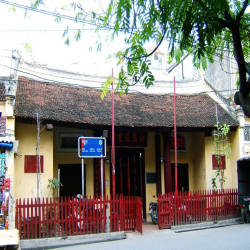
The most famous in Thang Long Tu Tran is Bach Ma Temple located in the middle of Hanoi Old Quarter. This is the first temple built and was completed in the 9th century. Although currently, Bach Ma temple is located on a busy street interspersed with bars, cafes, restaurants, food stalls and more. On the other hand, this temple is still visited by a large number of domestic and foreign tourists. In the 9th century, the temple was built near the mouth of the To Lich river and worshiped the Song gods, To Lich god or Long Do god. Today, the river is still there but has changed its course and is now about 10km from the Old Quarter. Regarding the To Lich river gods, they are considered the citadel of Thang Long and the main protector of this city. The story goes that when King Ly Thai To chose Thang Long as the new capital of Vietnam, he decided to build a wall around it to protect the citadel first. However, the wall from time to time, the wall that goes up and falls down. Therefore, the king had the royal mandarin set up a sacrificial altar to offer offerings to the To Lich River God right at the location of the temple now. After the offerings were sent to the gods, they saw a white horse come out from the temple and leave footprints on its every step. The builders built the wall according to these footprints and the wall never fell again. Because of that event, the king named this temple Bach Ma Nghia temple and it officially became the sacred temple of the citadel.
Voi Phuc Temple - the temple to protect the West
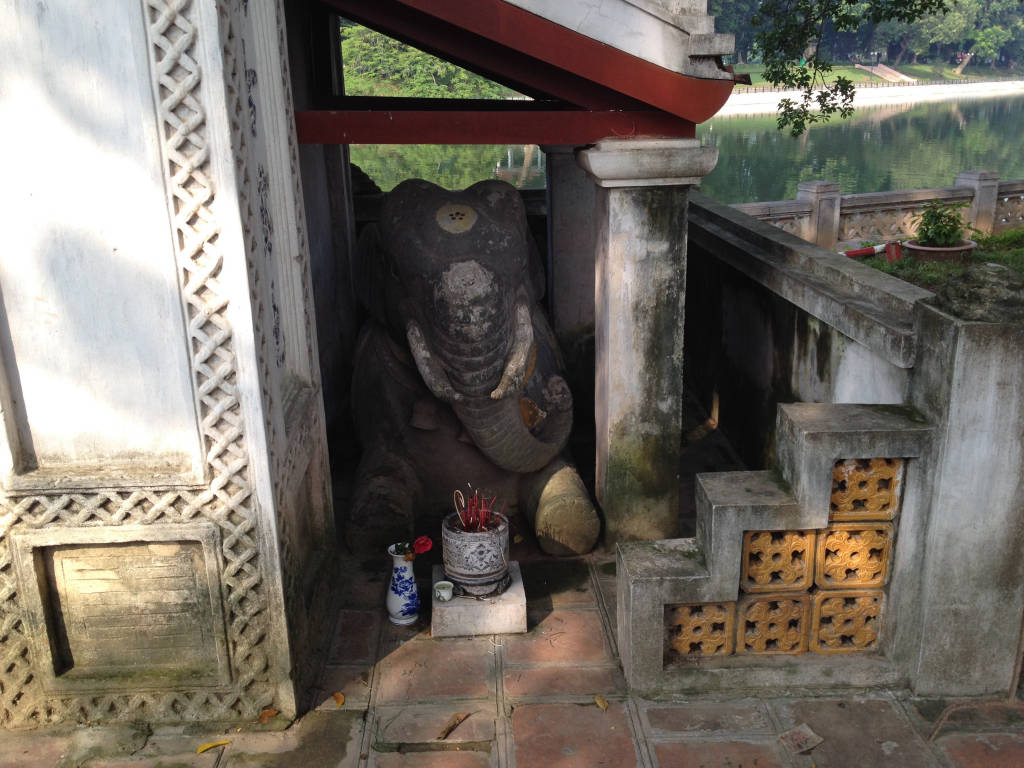
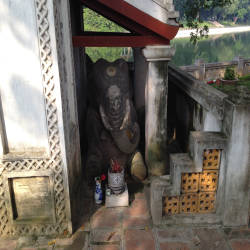
The temple was built in the 11th century, and Voi Phuc Temple worships a real hero of the ancient Thang Long citadel, Prince Ly Hoang Chan (God Linh Lang), son of King Ly Thanh Tong, who sacrificed his life to defend the citadel in the fight against foreign invaders. In memory of this heroic act, the king ordered the construction of a temple for the people to worship him and wished that he would always be there to protect the city. Because there are two "kneeling elephants" statues placed on both sides of the temple gate, people call it Voi Phuc Temple, which means kneeling elephant temple and this name has remained the same to this day. According to legend, Than Linh Lang helped the Vietnamese people win all 3 wars with the Mongols, the strongest invaders in the world at that time when they successfully invaded most of the land in Asia but also a large area in Europe.
Kim Lien Temple - the temple to protect the South.
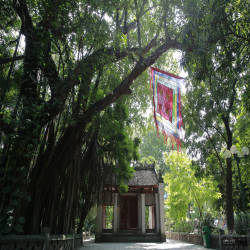
This is the youngest temple of Thang Long Tu Tran. Kim Lien Temple worships the god Cao Son, who is said to be the son of Lac Long Quan and Au Co, the parents of the ancient Vietnamese nation. It is said that in the 16th - 17th centuries, when King Le Tuong Duc was on a march, he and his soldiers found a plaque with the words "Cao Son Dai Vuong", that is, the lord of Cao Son mountain, believing it was a sign of a god, so he offered it to him. offerings and begs for victory. Ten days later, the king had a great victory over the enemy. Therefore, he built a large temple in the south of Thang Long Citadel to remember the help of God Cao Son and hope that God will continue to protect the Citadel.
Quan Thanh Temple - the temple of the North
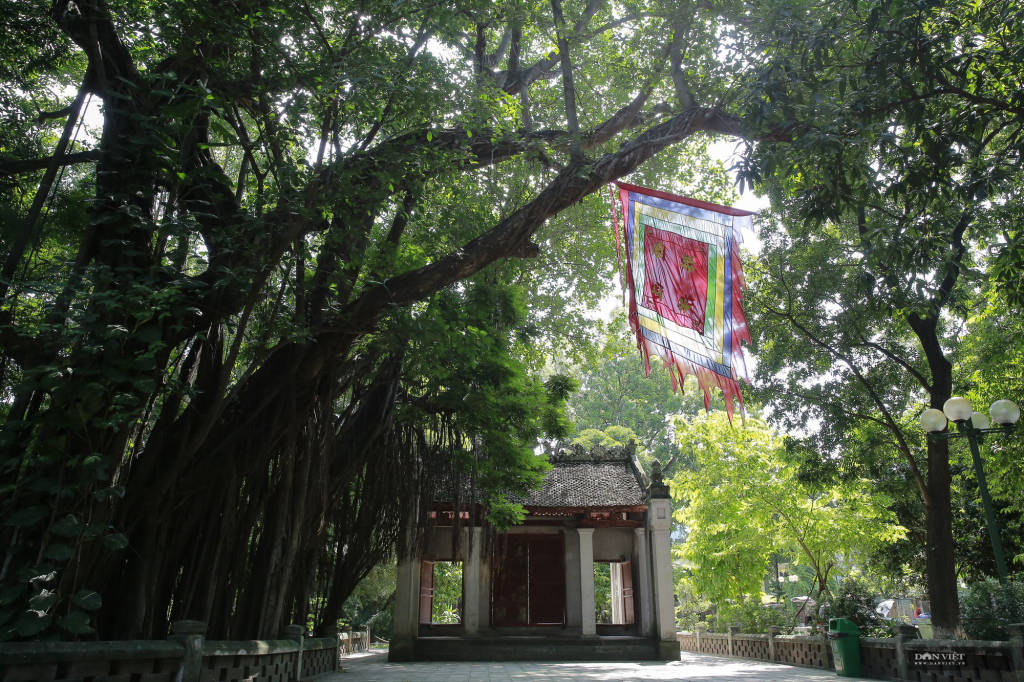
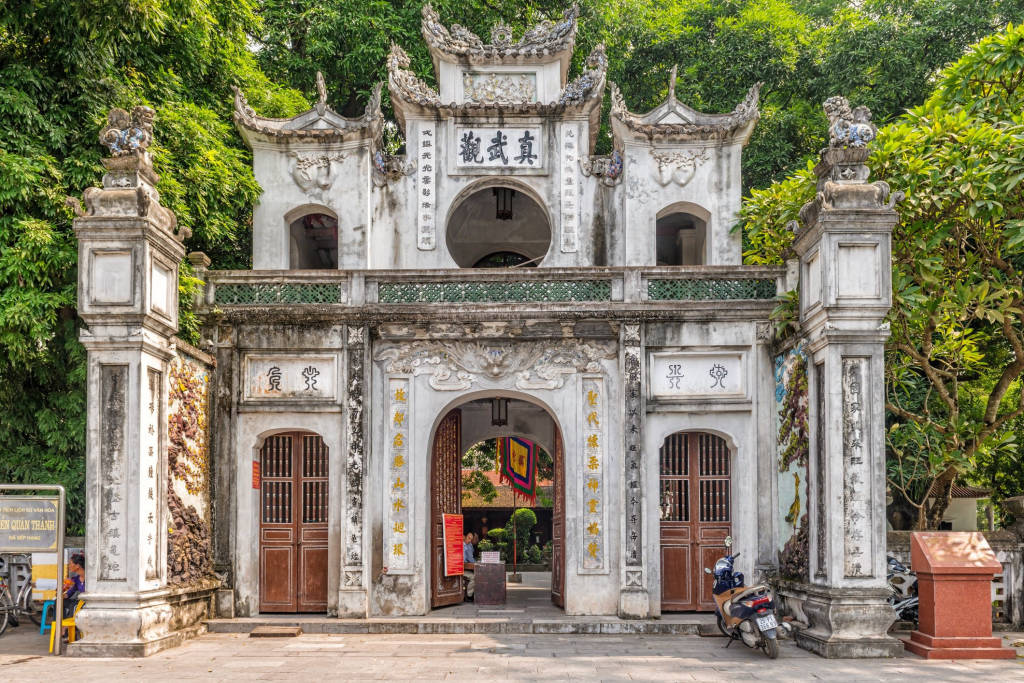
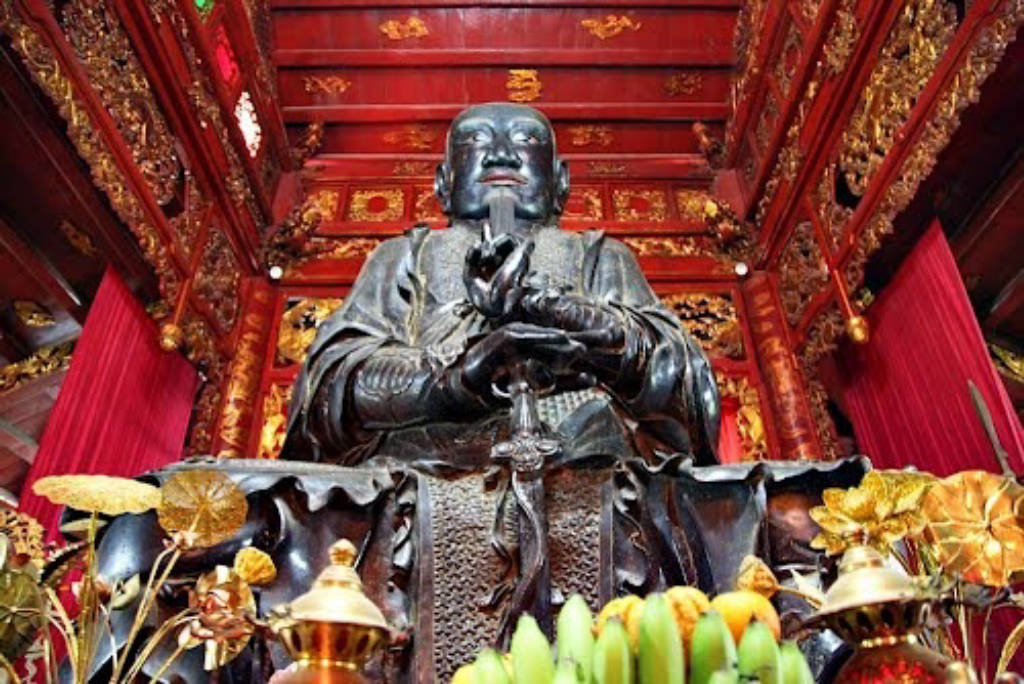
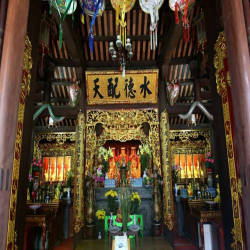
Although it was built around 1010-1028 under the reign of King Ly Thai To, it was not until 1474 that Quan Thanh Temple was moved to its present location south of West Lake. Temple of Huyen Thien Tran Vu, a god in Northern legends. This is the guardian deity that protects the Vietnamese from invaders and according to many ancient legends, he has helped the Vietnamese people win many battles and overcome many difficulties in history since the 6th Hung Vuong period. (1712 - 1632 BC) so far with thousands of big and small battles. In ancient times, before big battles, people often offered offerings to God Tran Vu, praying for victory.
Thang Long Tu Tran plays an important role in the spiritual life of Ha Thanh people. Along with other scenic spots of the capital, Tu Tran is a cultural and spiritual destination not to be missed when visiting Hanoi.