


See all results for ""

 Anytime
 Tiếng ViệtEnglish
 한국어
한국어 日本語
日本語 简体中文
简体中文 Français
 Deutsch
 Español
 Italiano
 Русский


 Login for Corporates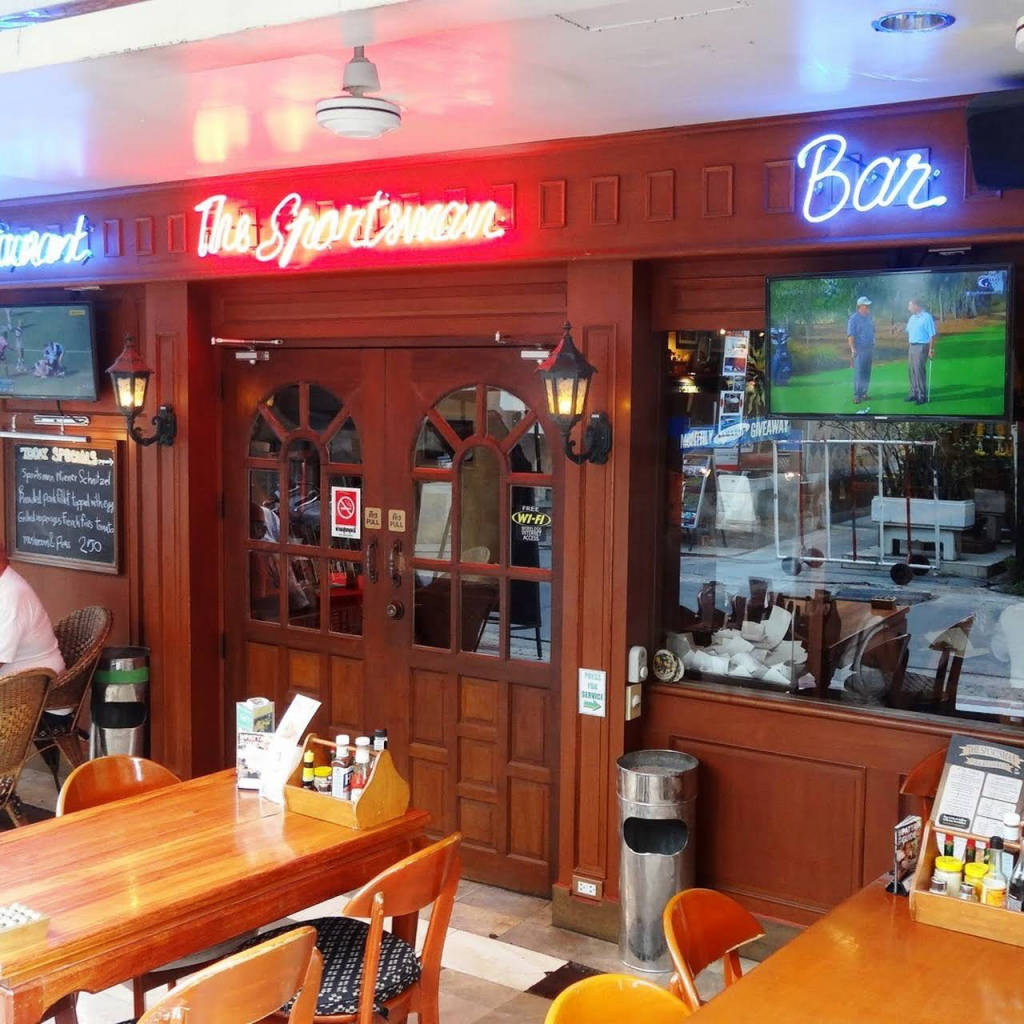
The Sportsman Pub Pattaya
 Soi 13, Beach Road, South Pattaya
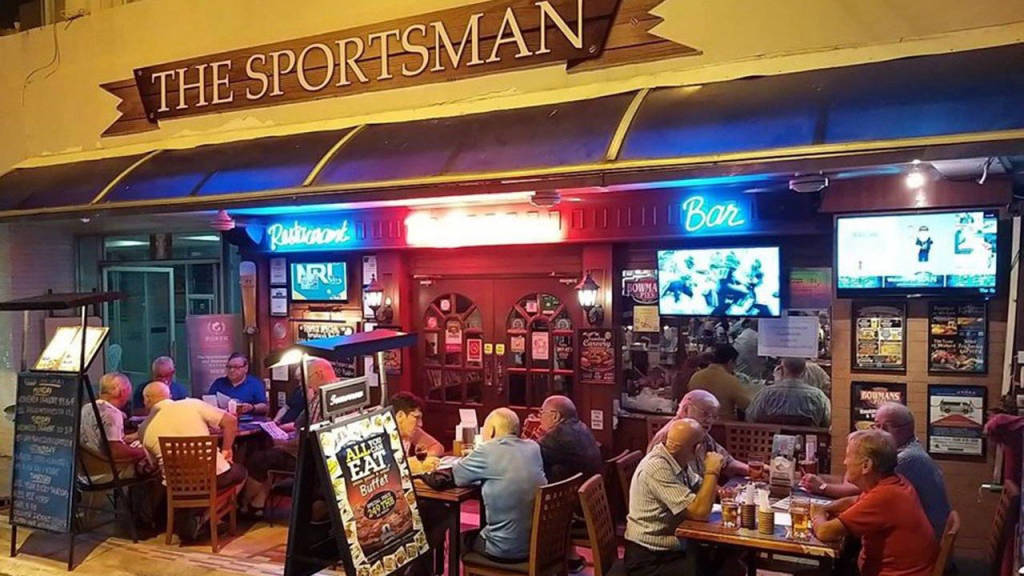
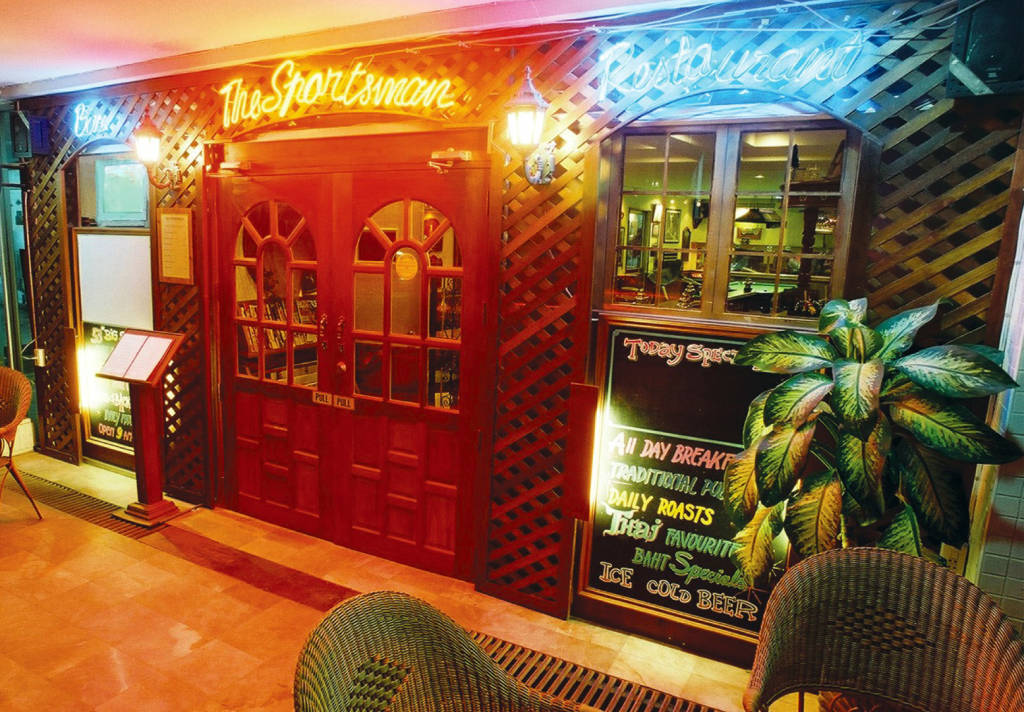
The Sportsman Pub Pattaya là một trong những quán rượu kiểu Anh nổi tiếng nhất trong thành phố, nơi được nhiều khách du lịch cho là nơi tuyệt vời để uống. Nằm ngay gần đường ven biển chính trên Soi 13, quán rượu lâu đời của Anh này còn có các kênh thể thao trực tiếp phát hàng ngày và một bầu không khí ấm cúng và thân thiện cùng với một số món ăn ngon.
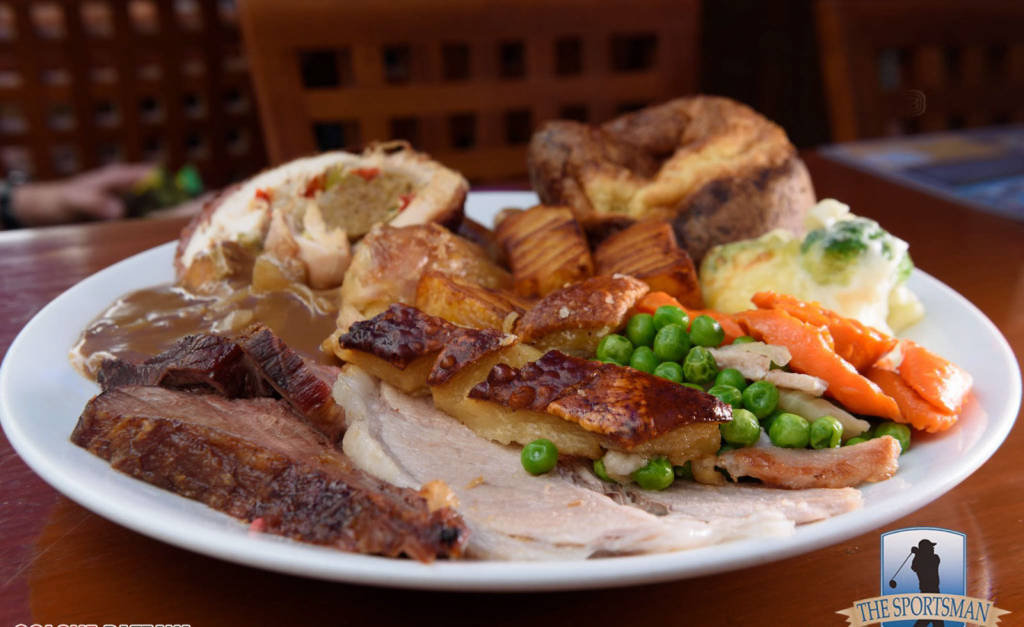
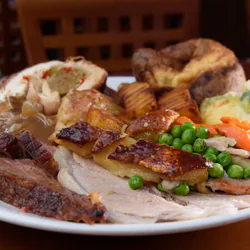
Không còn nghi ngờ gì nữa, điểm thu hút của nơi đây chính là bữa trưa Chủ nhật. Người chủ thân thiện và vui vẻ tuyên bố táo bạo rằng anh ta có món thịt nướng ngon nhất trong thị trấn. Bữa trưa này được phục vụ từ 12:30 đến 20:30 bao gồm hai món súp, năm món nướng, một miếng bít tết và bánh mỳ cùng một phần đầy đủ các loại thịt. Với giá 425 baht / người cho bao nhiêu bạn có thể ăn thoải mái, đây cũng là một mức giá đáng kinh ngạc, đặc biệt là khi bạn xem xét chất lượng cao của các thành phần thực phẩm được sử dụng. Sportsman cũng điều hành một cơ sở kinh doanh phục vụ ăn uống, nơi bạn có thể mua một trong những món ăn của họ để mang về nhà và tự nấu ăn.
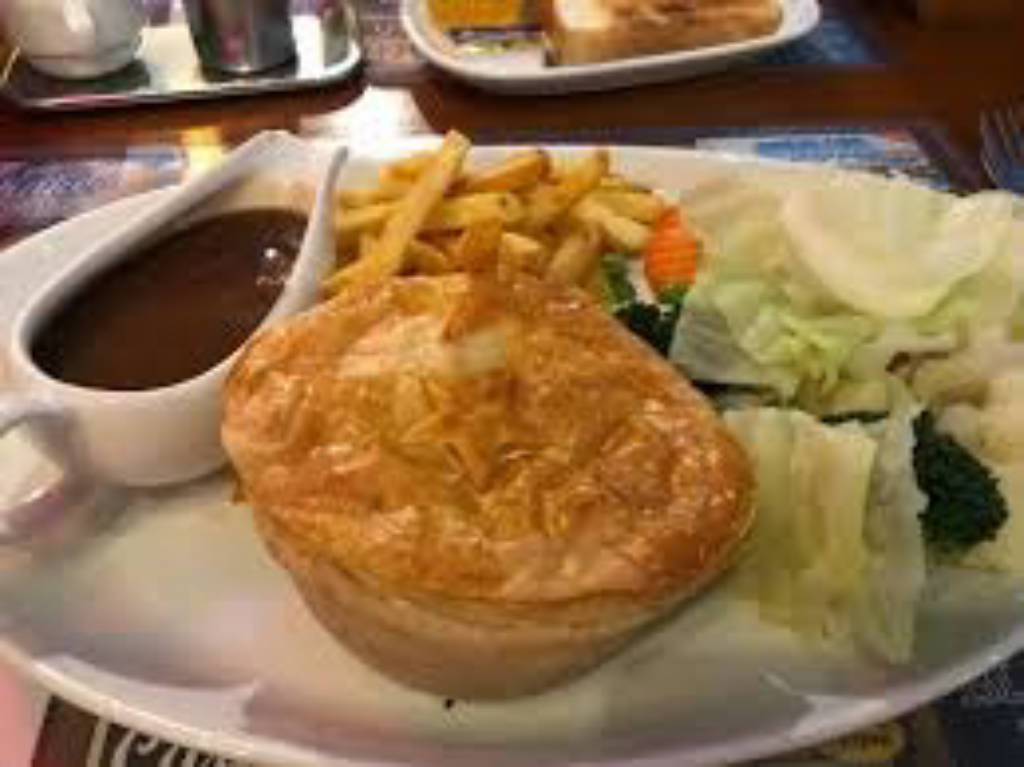
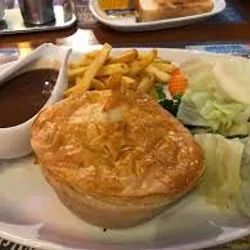
Thực đơn gọi món có một loạt món ăn cổ điển của phương Tây ấn tượng, chẳng hạn như sườn, bánh mì kẹp thịt, mì ống và bánh tacos, cũng như tuyển chọn một số món ăn Thái. Tuy nhiên, món ăn Anh tại The Sportsman Pub Pattaya mới thực sự vượt trội, bao gồm Bữa sáng đầy đủ kiểu Anh, bánh nướng đặc trưng, cá và khoai tây chiên truyền thống, Gà Tikka Masala và bánh mì và bánh pudding bơ.
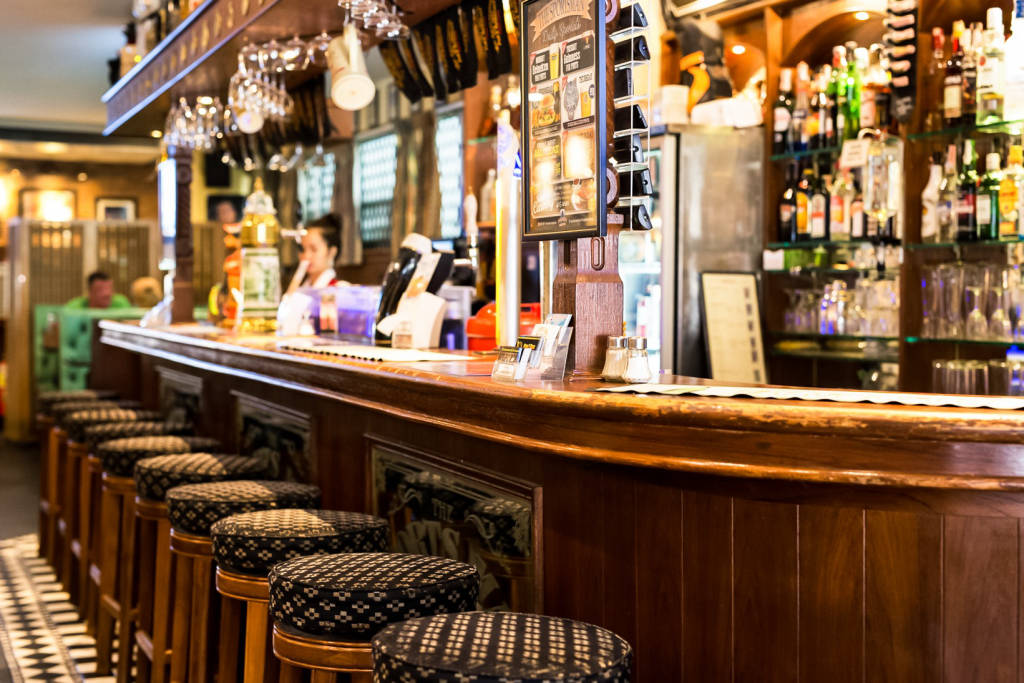
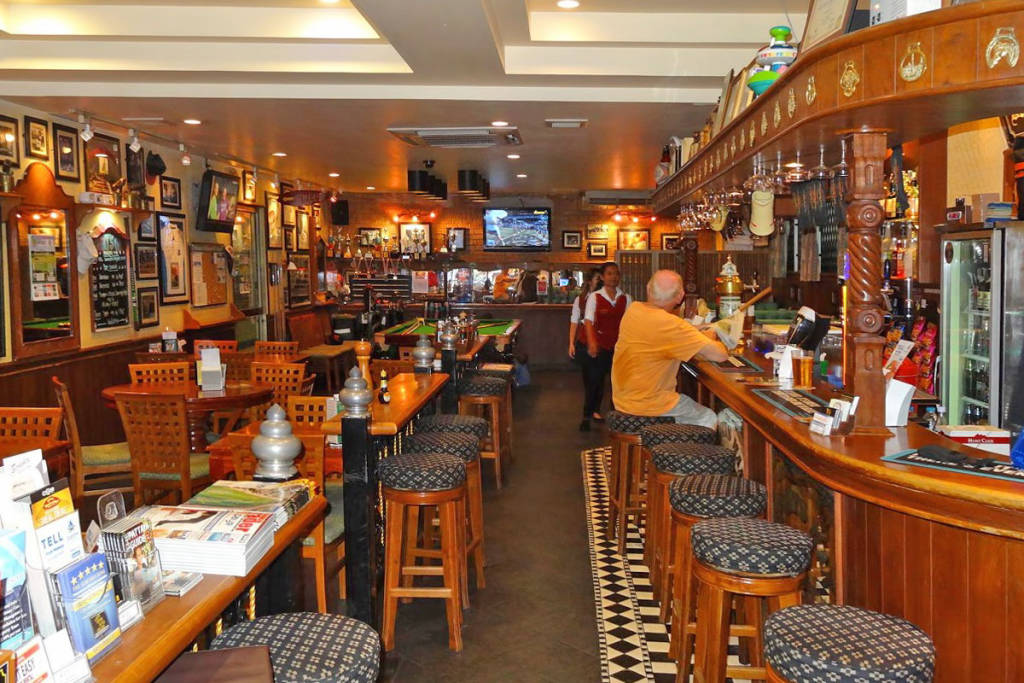
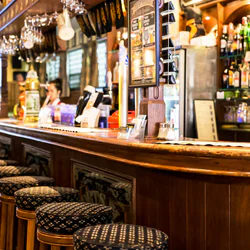
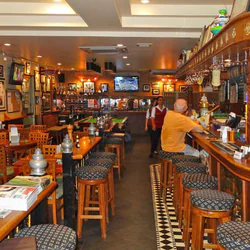
Là một căn phòng dài và hẹp, tìm một nơi nào đó để ngồi có thể là một thách thức khá lớn - cụ thể là vào giờ ăn trưa Chủ nhật - nhưng có sự lựa chọn ngồi ở quầy bar, bàn hoặc trong một trong những gian hàng thoải mái ngay cuối phòng, đóng bàn bi da mặt đá phiến hạng chuyên nghiệp. Các gian hàng cũng gần một trong bốn màn hình tivi trong nhà (với một vài màn hình ở phía trước), mỗi phòng chiếu một kênh thể thao khác nhau.
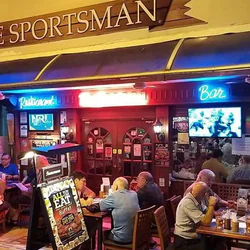
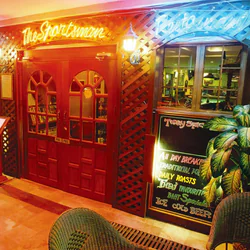
Sportsman Pub Pattaya về cơ bản thực hiện những gì được quảng bá trên mặt tiền quán rượu truyền thống của mình. Ngoài ra, nơi đây còn có các kỷ vật thể thao ở khắp bên trong và thường xuyên tổ chức các giải đấu golf; một số loại bia, bia đen, bia và rượu táo rót thẳng từ vòi cùng với tuyển chọn các loại rượu và rượu mạnh và một vài trò giải trí tại quán rượu truyền thống vào thứ Năm hàng tuần, Nằm ở trung tâm Pattaya với bầu không khí thân thiện và phong cách quán rượu hạng nhất quán trở thành địa điểm lý tưởng cho thực khách, những người muốn thưởng thức đồ uống tuyệt với và đồ ăn với hương vị đặc sắc.
The Sportsman Pub Pattaya
Giờ mở cửa: 07:00 – 02:00
Địa chỉ: Soi 13, Beach Road, South Pattaya
Điện thoại: +66 (0)3 871 0609