


See all results for ""

 Anytime
 Tiếng ViệtEnglish
 日本語
日本語 한국어
한국어 简体中文
简体中文 Français
 Deutsch
 Español
 Italiano
 Русский


 Login for Corporates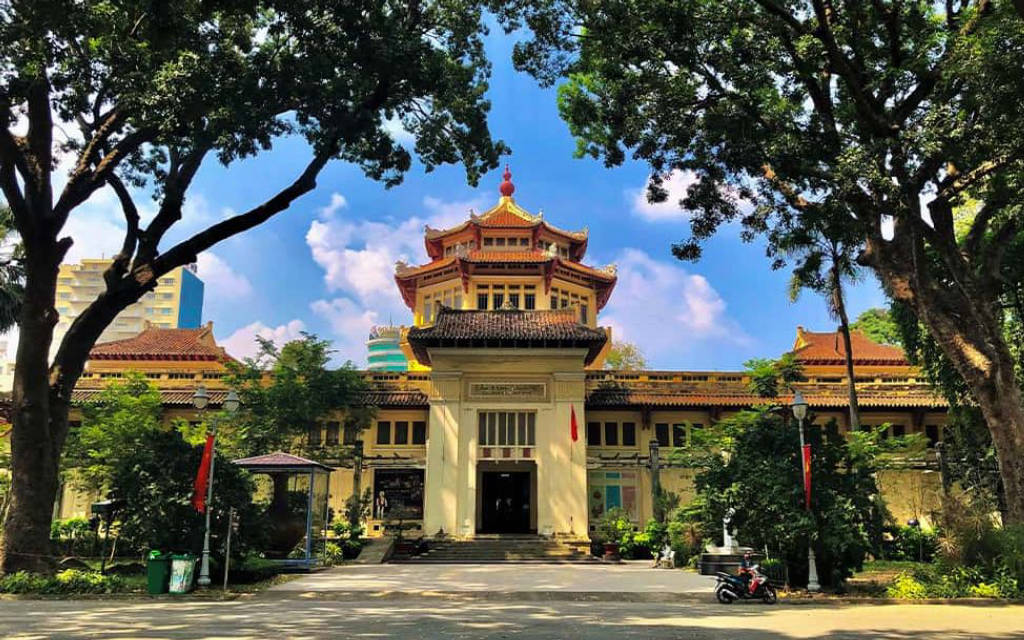
Bảo tàng Lịch Sử Hồ Chí Minh
 No. 2 Nguyen Binh Khiem, Ben Nghe Ward, District 1, Ho Chi Minh City
Coming to the Museum of History, you will admire the beauty of the Museum of History building - an ancient architecture built by the French nearly a century ago (1929) with the typical "Renovated Indochina" style. With just 365 steps around the Museum of History, visitors can travel through thousands of years of Vietnamese history and culture, learn about the cultural characteristics of the Southern region through a system of permanent and special exhibition rooms. The collection selected from over 43,000 documents and artifacts of the Museum, including 12 national treasures introduced in the exhibition rooms, will be invaluable gifts of historical and cultural knowledge.
1929: History Museum in Ho Chi Minh City is a large museum and has a long history of development in South Vietnam. Located in the heart of the city, the Museum is a popular destination for both domestic and international visitors.
History Museum in Ho Chi Minh City was formerly the Museum of Blanchard de la Brosse (a name of governor in the South of Vietnam) founded in 1929 and the first museum in South Vietnam.
1956: From 1956, the museum was named "Vietnam National Museum" in Saigon, which showcases ancient art in some Asian countries.
1979: Since August 23, 1979, the museum has been officially renamed under Decision No. 235/QD-UB by the People's Committee of Ho Chi Minh City.
2012: In 2012, the Museum building was recognized as National Artistic Architecture Monument. An orient-specific architecture combined with the West architecture creates a building structure that is firm, harmonious and balanced with the surrounding landscape.
Currently, the museum has owned more than 40,000 items on display with many unique and valuable collections originating from many countries and ethnic groups; extremely diverse, abundant materials and types. Collections introduce Vietnamese history and culture from the primitive era to 1945 and introduce unique cultural features in the Southern provinces and some countries in Asia.
The museum is also home to many experts and researchers on history, culture, society in Vietnam, cultures in the region and the world with qualified and experienced staff.
In the current development trend, in order to meet the needs of enjoying cultural values in the spiritual life of the public, the Museum must always renew its activities with the aim of promoting the Museum for the sake of community.