


Xem tất cả kết quả cho ""

 Ngày bất kỳ
  Tiếng Việt
 English
 한국어
한국어 日本語
日本語 简体中文
简体中文 Français
 Deutsch
 Español
 Italiano
 Русский


 Đăng nhập cho Doanh nghiệp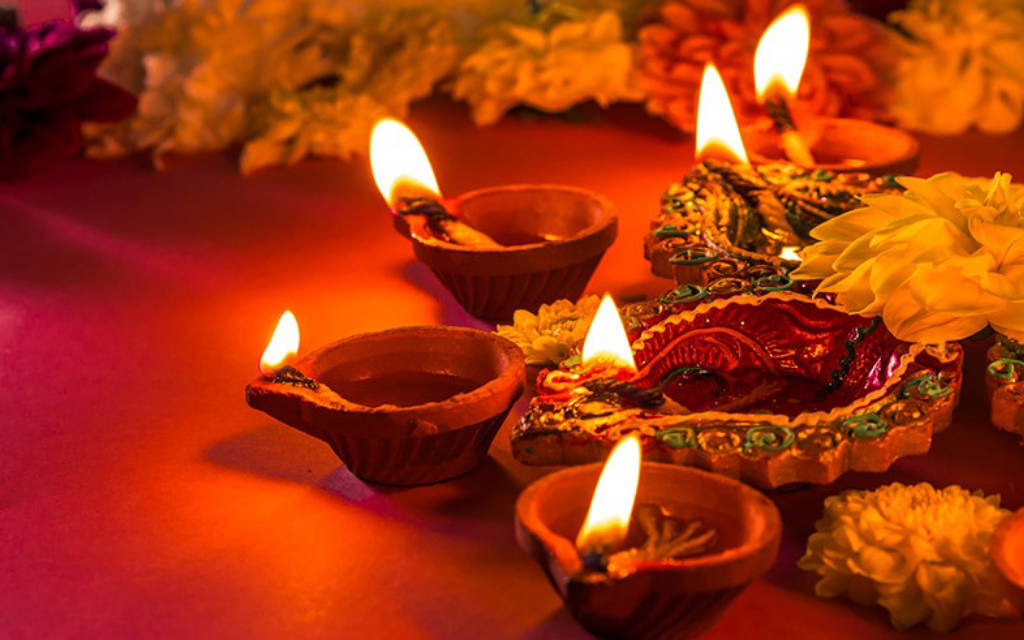
Diwali - festival of lights
 New Delhi, Delhi, India
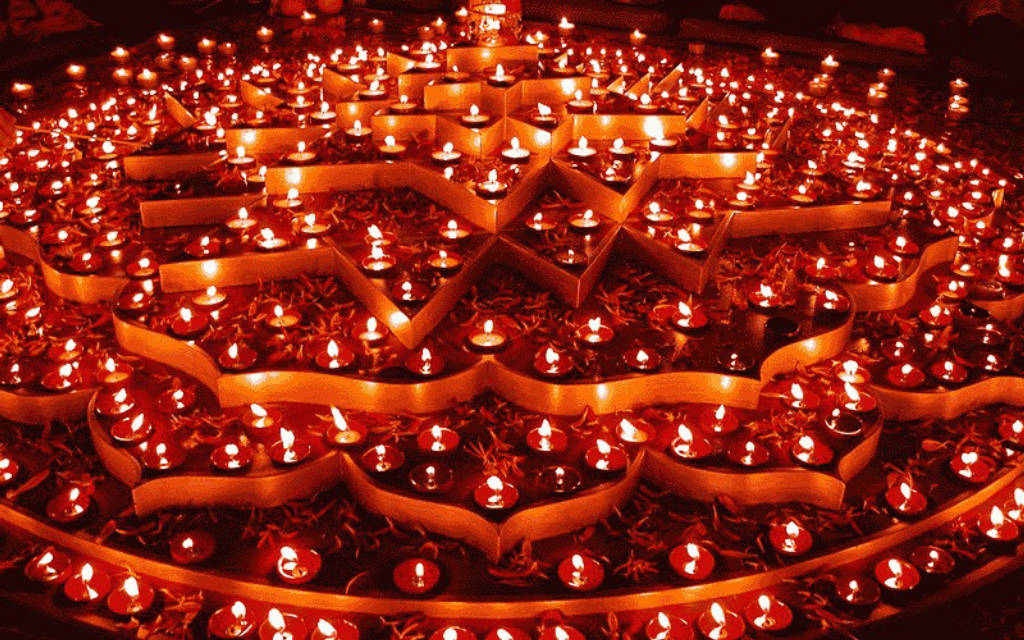
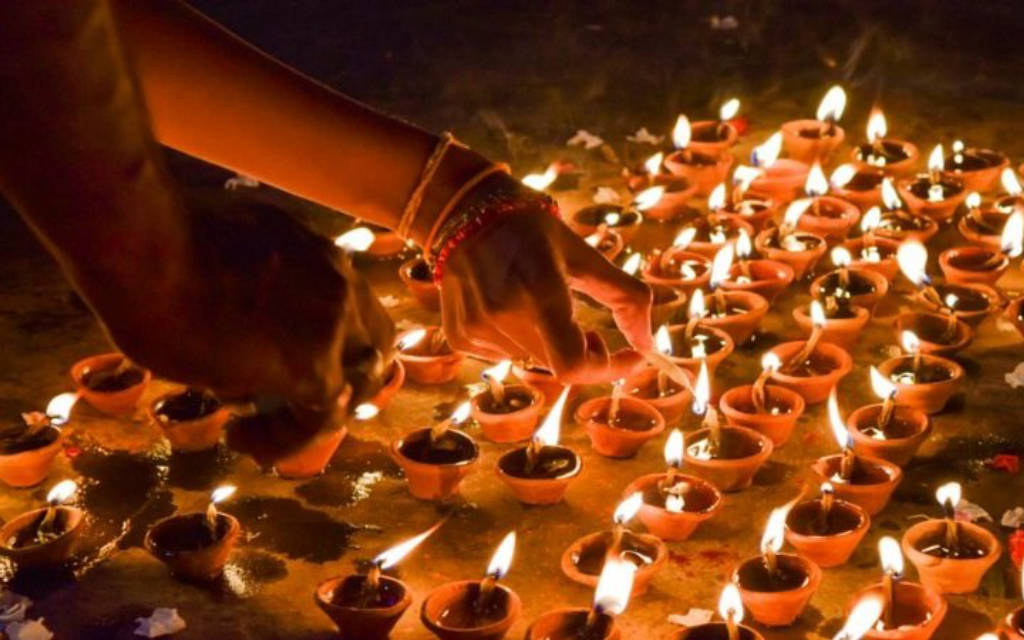
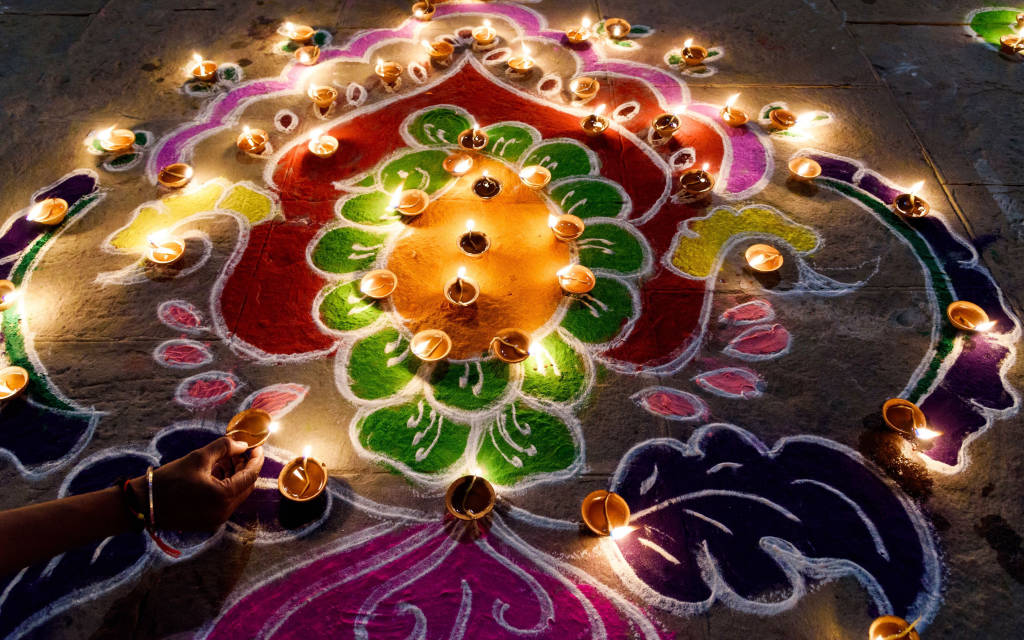
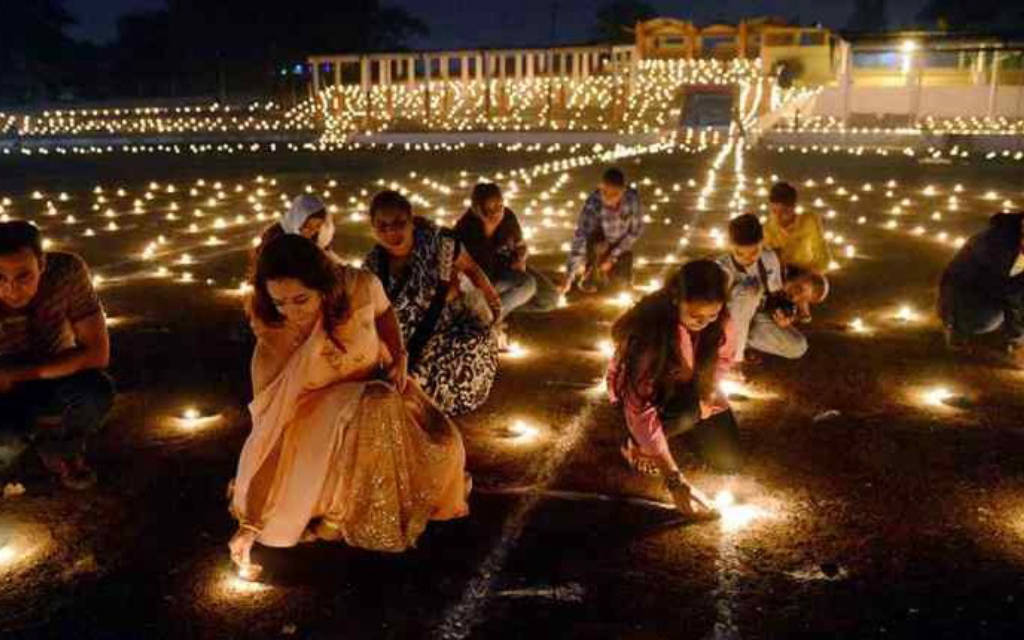
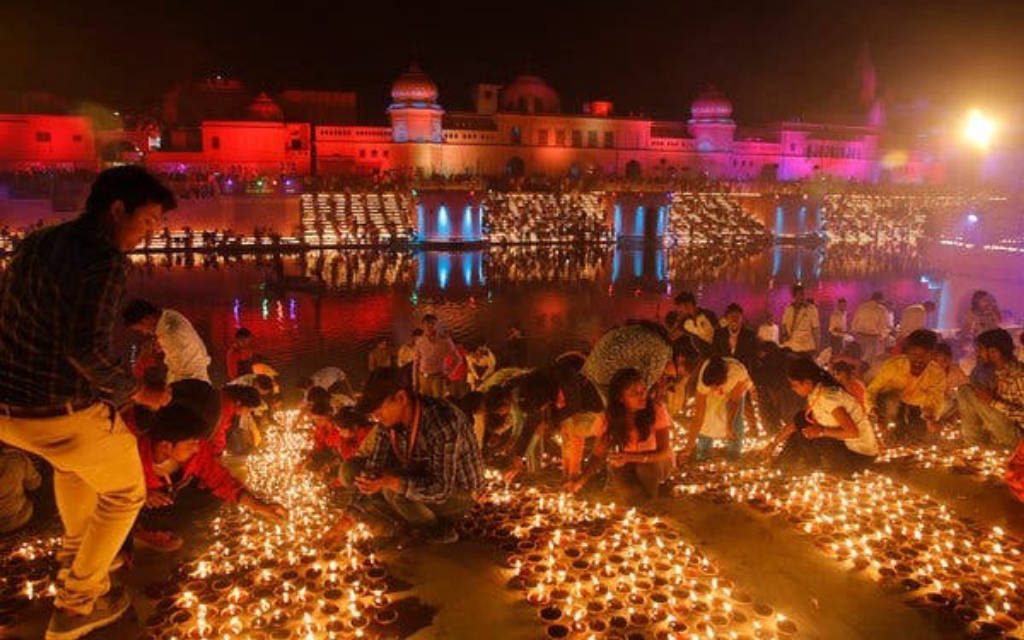
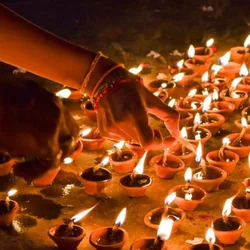
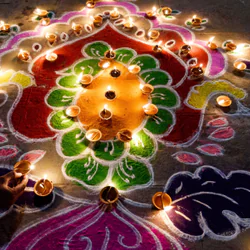
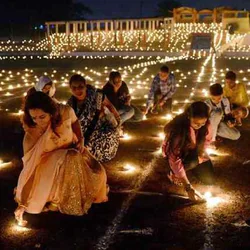
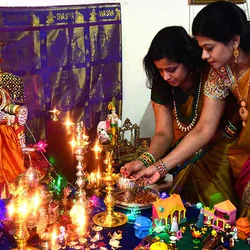
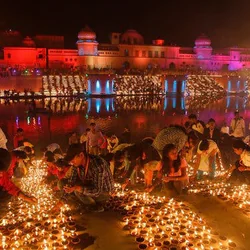
The Diwali festival is celebrated with great pomp in the Indian capital Delhi. The Festival of Lights or Diwali is a festival that has the power to unify the whole of India because of its charm and magnificence that pervades the whole festival atmosphere. The Diwali festival in New Delhi as well as the rest of India is traditionally given the name 'festival of lights' because hundreds and thousands of diyas or small oil lamps are lit in most homes. .
1. Diwali – The Grand Festival of Lights in India
Diwali is one of the most important and widely celebrated festivals in India. Especially in the capital city of Delhi, the Diwali festival is held with exceptional grandeur, involving rituals, decorations, prayers, and joyful gatherings. Known as the festival of lights Diwali, this celebration carries deep spiritual meaning and represents the triumph of good over evil, light over darkness.
What is Diwali? This is a common question for those new to Indian culture. Diwali is a festival that originated in Hindu mythology and is now celebrated across India regardless of region or social status. Diwali (Festival of Lights) unites the nation through its shared rituals, lights, and joy.
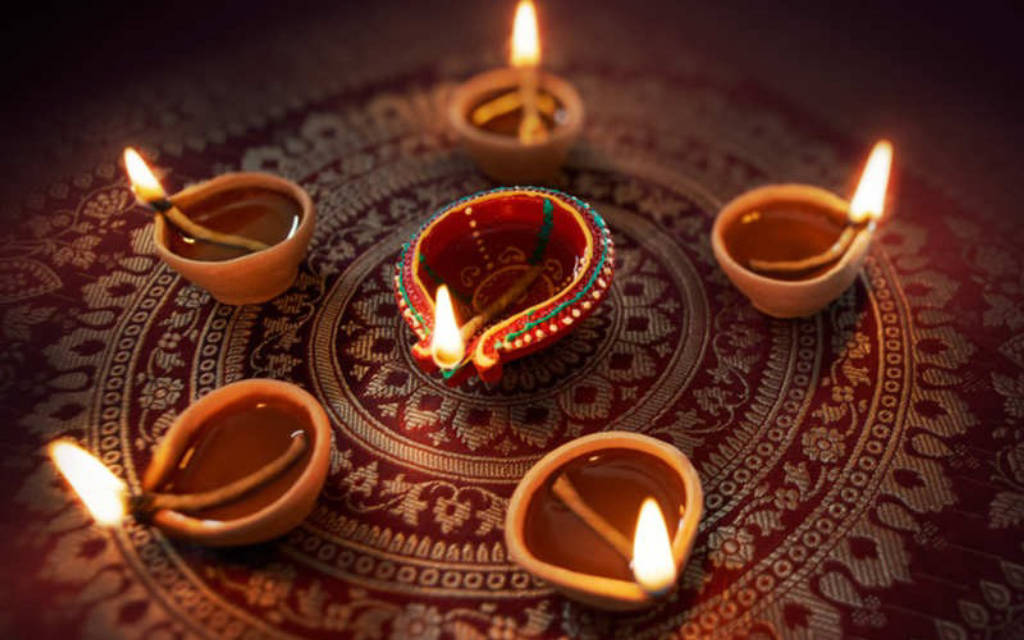
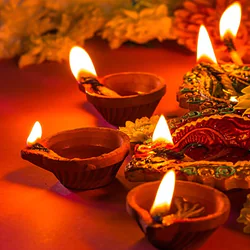
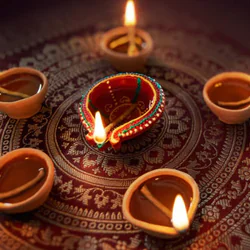
During the Diwali festival in Delhi, thousands of streets and alleys are lit up with beautiful lights. Hundreds and thousands of diyas (small oil lamps) are lit in homes, creating a divine and magical atmosphere. This is why Diwali is traditionally called the festival of lights.
2. Cultural and Spiritual Significance of Diwali
2.1. Symbolism of Light and Inner Cleansing
Lighting diyas during Diwali is considered a sacred act. The light from each lamp symbolizes happiness, prosperity, and the removal of negativity. It is also seen as a way of bowing before the divine power to seek blessings for health, wisdom, wealth, and peace.
In modern times, neon lights and decorative candles often accompany traditional diyas, but the spiritual symbolism of light during Diwali festival remains unchanged.
2.2. Spreading Love and Unity
Diwali in India is not just about lights and prayers. It is a time to spread love, forgive past grievances, and reconnect with family and community. People exchange gifts, sweets, and greetings. It's a moment to replace hatred with kindness and bring warmth into relationships.
3. Mythological Origins of the Diwali Festival
What kind of festival is Diwali in Hindu mythology? The most popular legend is that of Lord Rama. According to ancient scriptures, after defeating the demon king Ravana and completing 14 years of exile, Rama returned to his kingdom, Ayodhya. The people celebrated his return by lighting diyas all over the city.
The day also marks the coronation of Lord Rama, and since then, this event has been remembered annually during the Diwali festival.
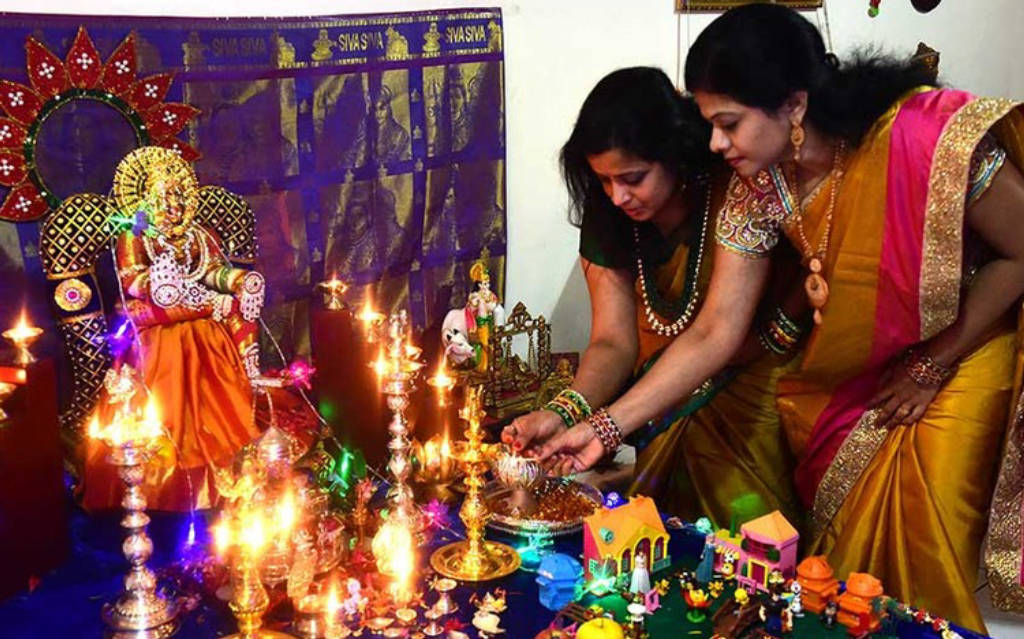
In South India, Deepavali (Diwali) also commemorates the victory of Lord Krishna over the demon Narakasura, and the blessings of Goddess Laxmi – the goddess of wealth and fortune.
4. When is Diwali Celebrated? Key Events of the Festival
The Diwali festival in Delhi typically takes place between October and November, starting after the Dussehra festival. It lasts for five days, each day having a specific religious and cultural significance.
The main days of the Diwali festival are:
Day 1 – Dhanteras
This is the day for purchasing gold, silver, and utensils, believed to bring good fortune.
Day 2 – Chhoti Diwali / Roop Chaturdashi
Preparations continue, including cleaning, decorating, and bathing rituals for purification.
Day 3 – Laxmi Pujan / Bandi Chhor Diwas
This is the most important day of Diwali, when people worship Goddess Laxmi and light thousands of diyas. Fireworks, feasts, and family gatherings are at their peak.
Day 4 – Govardhan Puja / Annakoot
Devotees worship Lord Krishna and offer him a mountain of food as a symbol of gratitude.
Day 5 – Bhai Dooj
This final day celebrates the bond between brothers and sisters, with rituals, prayers, and gift exchanges.
5. Happy Diwali – A Greeting of Light, Prosperity, and Peace
During this joyful time, people often greet each other by saying "Happy Diwali".
Happy Diwali translated into Vietnamese is “Chúc mừng lễ hội ánh sáng” – wishing someone joy, prosperity, and brightness in their life.
Today, the Diwali festival of India is celebrated globally. Indian communities around the world—from the United States to the UK, Singapore, and beyond—organize public celebrations, light displays, cultural performances, and fireworks, sharing the festival of lights India with the rest of the world.