


Xem tất cả kết quả cho ""

 Ngày bất kỳ
  Tiếng Việt
 English
 한국어
한국어 日本語
日本語 简体中文
简体中文 Français
 Deutsch
 Español
 Italiano
 Русский


 Đăng nhập cho Doanh nghiệp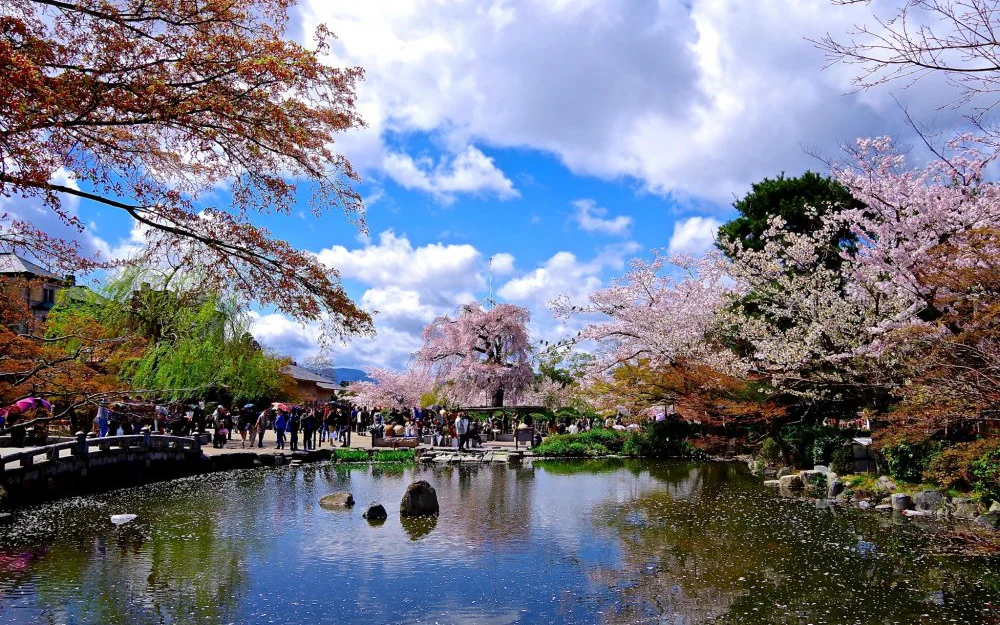
Khu Nam Higashiyama
 Kyoto - Japan
Kyoto has hundreds of fascinating attractions to explore, scattered across several distinct districts, each with its own unique charm. Southern Higashiyama is a fascinating area to explore Kyoto in every way
Southern Higashiyama is the most important sightseeing district in Kyoto. It houses everything from dazzling temples, to preserved streets, to the city's main Geisha district. Don't Miss This AreaThings to Do and See in Southern Higashiyama
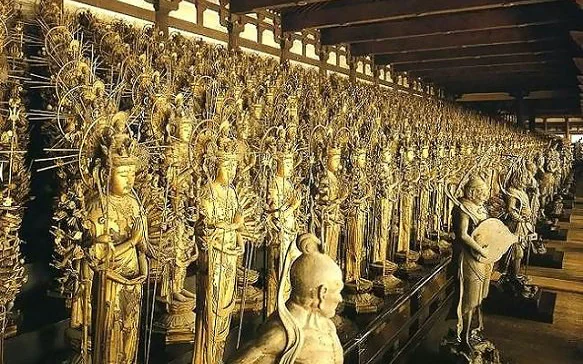
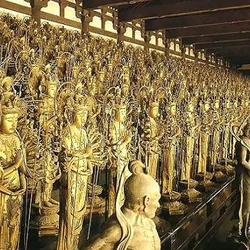
Sanjusangen-do Temple With more than 1001 statues of Kannon, the Buddhist goddess of benevolence, Sanjusangen-do Temple is one of the most popular attractions in Kyoto. In addition to the thousand-armed Kannon statues, there are also displays in the temple. 28 guardian deities originated from Hinduism. This is an extremely impressive sight.
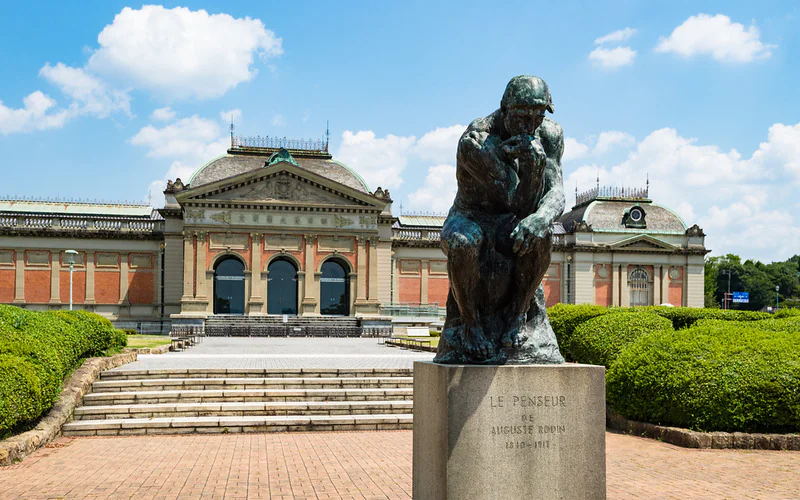
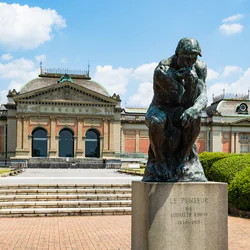
Kyoto National Museum Kyoto National Museum is the best museum in Kyoto. The permanent collection is on display as usual, but the regular special exhibitions held here are often excellent. All of Japan's biggest names come here to exhibit their works.
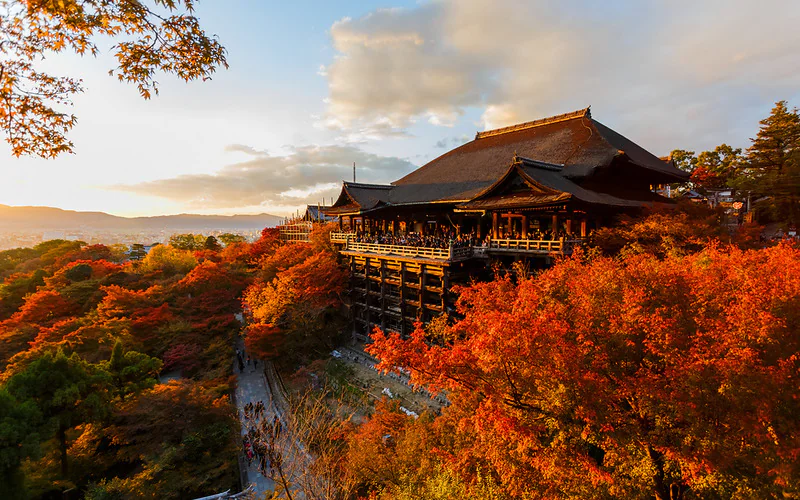
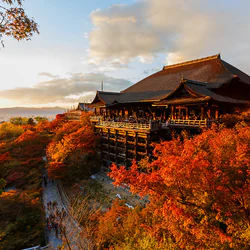
Kiyomizu-dera Temple Kiyomizu-dera Temple is one of Kyoto's must-see attractions. Here the scenery is beautiful and interesting, especially for children and lovers who want to pray for luck in love.
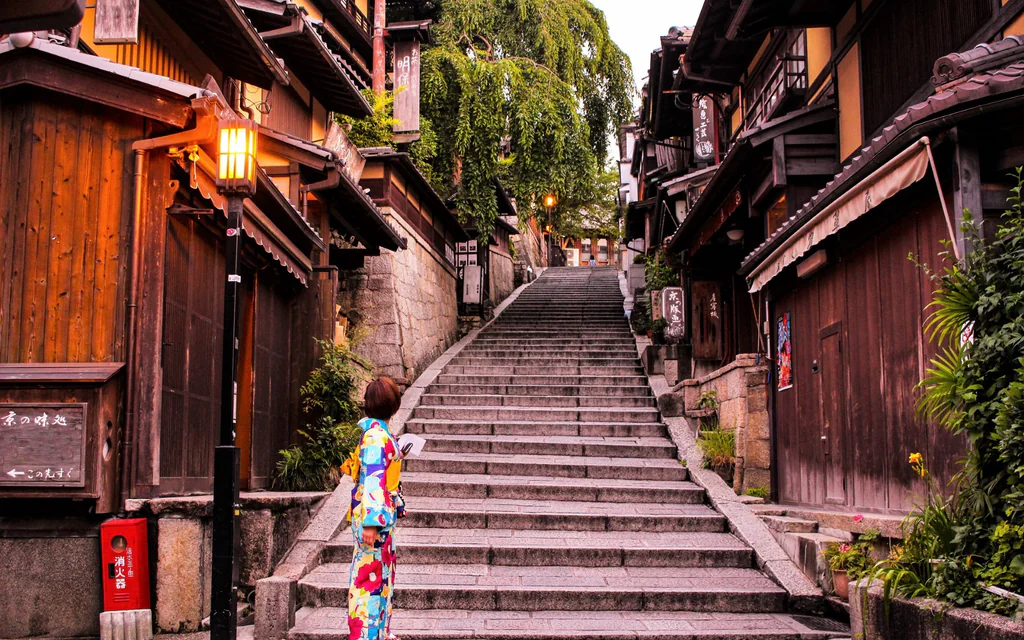
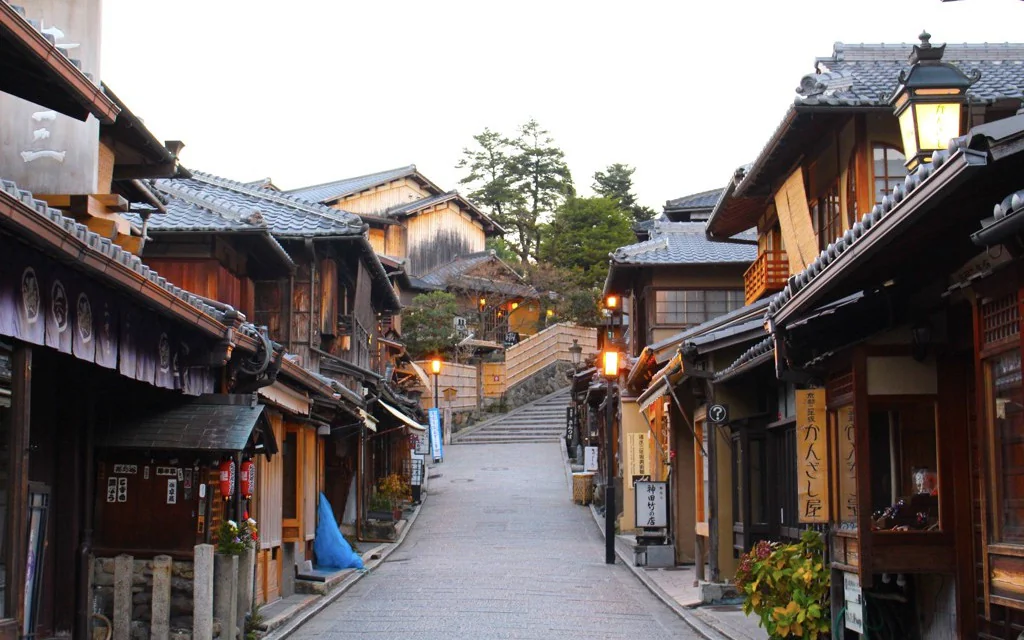
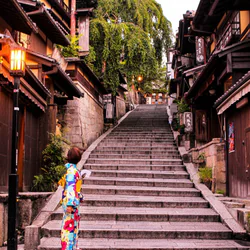
The Preserved Districts of Ninen-zaka and Sannen-zaka Two of Kyoto's most attractive streets are Sannen-zaka and Ninen-zaka, a pair of gently sloping lanes leading down from Kiyomizu-dera Temple to Nene Alley- no-Michi Ninen-zaka Slope and Sannen-zaka Slope are iconic streets of Kyoto City that represent the good old days of Japan. When you arrive, you can't help but take pictures of this nostalgic and poetic scene.
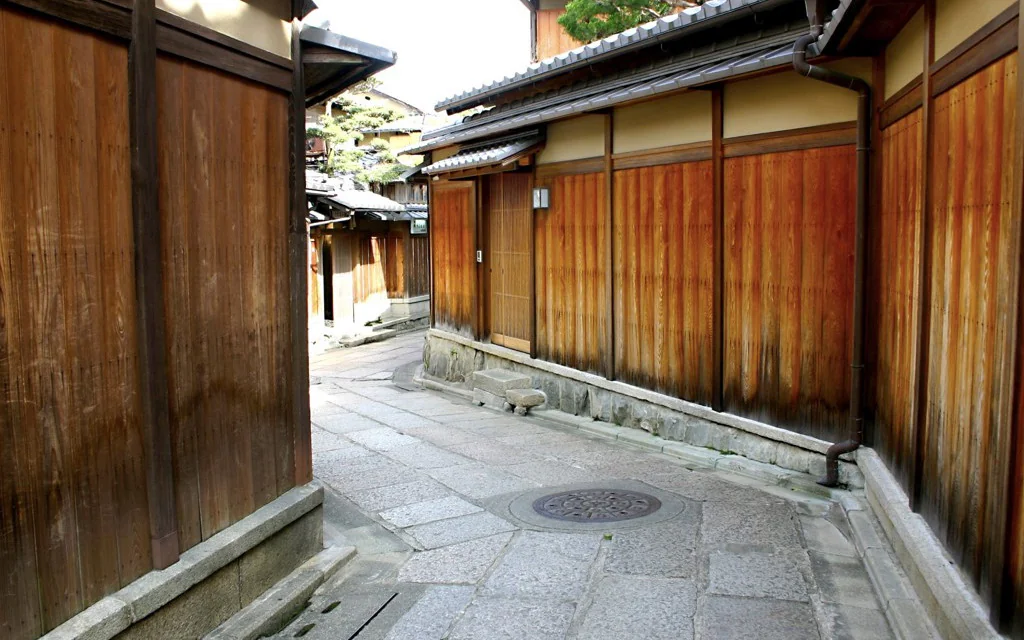
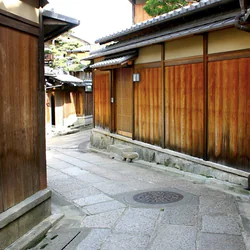
Ishibei-koji Lane Walking down the most beautiful street in Kyoto, Ishibei-koji Lane is like stepping into another world. When you step into Ishibei-koji, you'll find yourself in ancient Kyoto. There are no details of modernity, all you see is an ancient space with traditional inns, upscale restaurants and bars that still retain their beauty despite the times. The alley is zigzag but with a length of no more than 200 meters, you are not afraid to get lost
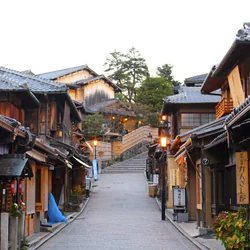
Nene-no-Michi Alley Nene no Michi is one of the must-visit places in your travel to Kyoto. Located in the Higashiyama ward, along one of the main tourist corridors in eastern Kyoto, Nene no Michi retains the air of a Kyoto that has largely ceased to exist. Nene no Michi stretches from just east of Maruyama Park, in Gion, to near the foot of the steep old shopping street Sannenzaka. Furthermore, Nene no Michi's streetscape is unique in that it follows Kyoto's building codes: no colorful signs and buried telephone wires. In Kyoto, that makes it both beautiful and very unusual. Approaching from Maruyama Park and Yasaka Shrine, you walk down a gentle slope towards Kodaiji Temple on the left and Entokuin Shrine on the right. There are a number of specialty shops and cafes in the area including Kodaiji Rakusho cafe with its small koi pond famous for its delicious warabimochi.
Kodai-ji Temple Often overlooked by tourists, Kodai-ji Temple is one of the most beautiful temples in the southern Higashiyama area
Entoku-in Temple Another overlooked gem in Southern Higashiyama, Entoku-in Shrine is a delightful collection of priceless art treasures and a beautiful karesansui (dry rock) garden
Yasaka-no-to Temple A long temple perched above the hill overlooking the floating world of Gion below, Yasaka-no-to Temple is a stunning sight during the day or at night
Gion Gion is Kyoto's most famous geisha district, located around Shijo Avenue between Yasaka Shrine to the east and the Kamo River to the west. It is filled with shops, restaurants, and ochaya (tea houses), where geiko (Kyoto dialect for geisha) and maiko (geiko apprentice) entertain. This is an interesting place to experience the Gion nightlife that attracts tourists with its dense concentration of traditional wooden merchant houses. Since property taxes were previously calculated based on street frontage, houses were built with narrow facades only 5 to 6 meters wide, but extending up to twenty meters from the street. The area was packed with houses. hostess bars, upscale restaurants, geisha houses, and members-only bars. Gion's main street is Hanami-koji Lane, home to many restaurants, bars, and traditional (actually) "teahouses" are places where geisha entertain customers).
Hiyoshido Traditional Massage Hiyoshido offers traditional Japanese and other forms of massage in a beautiful old Japanese house in Gion. It's the perfect way to unwind after a day of touring Kyoto. There are many massage places in Kyoto, but most of them are located in modern buildings and offer different versions of massages. Thailand. Hiyoshido is one of the few places in Kyoto where you can enjoy a real Japanese massage in a traditional Japanese environment. Services include shiatsu, anma, stretching, and other forms of massage. Massages are offered in soothing, private tatami rooms on tatami mats. They are very comfortable and quiet so it's easy to fall asleep. The staff and therapists speak enough English to communicate without difficulty.
Yasui-kompira-gu Shrine This quaint little shrine on the edge of Gion houses one of the strangest objects we've come across anywhere in Japan
Kennin-ji Temple The oldest Zen temple in Kyoto, Kennin-ji Temple is a tranquil oasis on the edge of Gion with a beautiful Zen garden
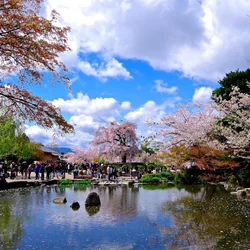
Maruyama-koen Park A verdant oasis in the middle of the Southern Higashiyama Scenic Area, Maruyama-koen Park is the perfect spot to rest or picnic while exploring the area
Chion-in Temple Sometimes referred to as the Vatican of Pure Land Buddhism, this vast temple is one of the most famous and popular in the city. It is highly recommended for those who want to explore Kyoto
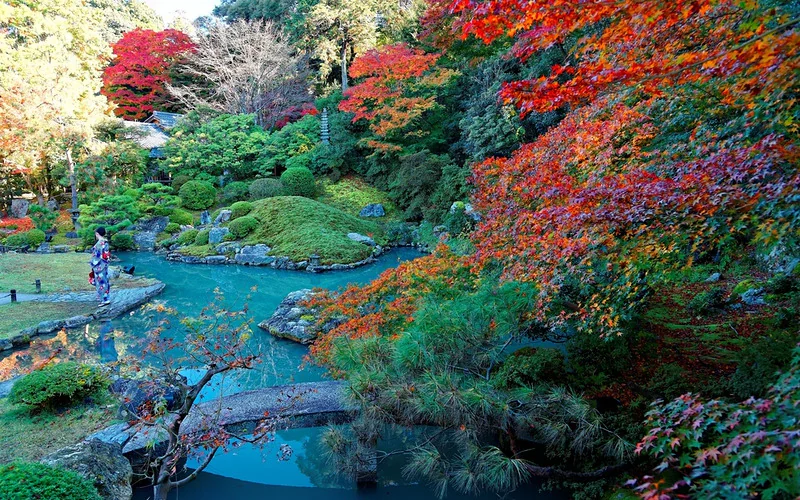
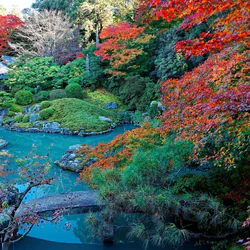
Shoren-in Temple One of Kyoto's all-time favorite temples, Shoren-in is overlooked by most tourists. Formerly the abbot's retreat of Buddhish's Tendai School, Shoren-in is a temple. Small temple located in harmony among the green of the Higashiyama Mountains. Because it was originally built as a residence rather than a religious building, the place looks more like a villa than a temple. Visitors can admire the beautiful buildings with views of a beautiful garden with ornamental plants and a tranquil lake of carp. After touring the temple, the walkway will take you to a delicious tea house where you can enjoy the Japanese tea ceremony. You will eventually pass by a green bamboo grove before stepping out into a large mossy field
Shoren-in Viewpoint Shogunzuka Seiryuden For a sweeping view of Kyoto's great scenery, head to the Shoren-in Shogunzuka Seiryuden viewing point. This new perspective offers a wide view of the whole city
Dressing up as a geisha (maiko henshin) Playing a geisha for a day is a fantasy shared by both Japanese and foreign women and Maika, in the Miyagawa Geisha district, is one of the best places to do it.
Shimbashi geisha district in the evening Shimbashi is the most attractive street in Asia, especially at night. When the cherry blossoms bloom here, it's almost too beautiful for words to describe.
Hanamikoji Geisha Area at Night The best place to see geisha in Kyoto is Hanami-koji to the south of Shijo-dori. Evening walks are the best way to relax and also get the chance to see Japanese women in traditional kimonos and unique makeup.
The Minamiza Kabuki Kabuki Theater is a type of traditional Japanese theater. Kabuki in Chinese is understood as "skill of dancing". In Japanese, "Kabuki" is inherently a verb kabuku; means to create a flashy demeanor that attracts attention, or to have words and actions that are different from usual.
Quirky things or strange actions are indispensable features of kabuki. (During the years of the Keichō Dynasty, which turned to the beginning of the Edo period, appeared unskilled workers, wearing unusual costumes. walking on the street with strange behavior, people called them "the kabukis"). The Minamiza Kabuki Theater in Kyoto is the best place in Japan to see kabuki Here are a few things to look out for when performing typical kabuki: “Hanamichi,” literally “flower path,” is a walkway. from the stage to the audience. This is used for dramatic exits and entrances, but there are also some dramatic scenes that take place here. The closeness of the audience and the actors adds immediacy and excitement to the performance. The screams of the audience. At moments of dramatic tension, when an actor tries to pose, some in the audience will call out the name of the actor's family to applaud. Kabuki actors from long theatrical dynasties have used the same stage name for generations. Shouting the actors' names is to recognize and reaffirm that they are faithfully continuing the family tradition. However, you really need to be an expert to know when these screams are appropriate, so it's best not to try this yourself! Stagecraft. Trap doors and moving platforms are often used for dramatic exits and entrances. A revolving stage can be used for quick setup changes. Sometimes the actors even fly above the audience on the rope. Much of this craft was created before the electric age and originally relied on craft power. Color. From the beautiful costumes to the detailed props and gorgeous backdrops, kabuki is always a feast to the eyes.