


Xem tất cả kết quả cho ""

 Ngày bất kỳ
  Tiếng Việt
 English
 한국어
한국어 日本語
日本語 简体中文
简体中文 Français
 Deutsch
 Español
 Italiano
 Русский


 Đăng nhập cho Doanh nghiệp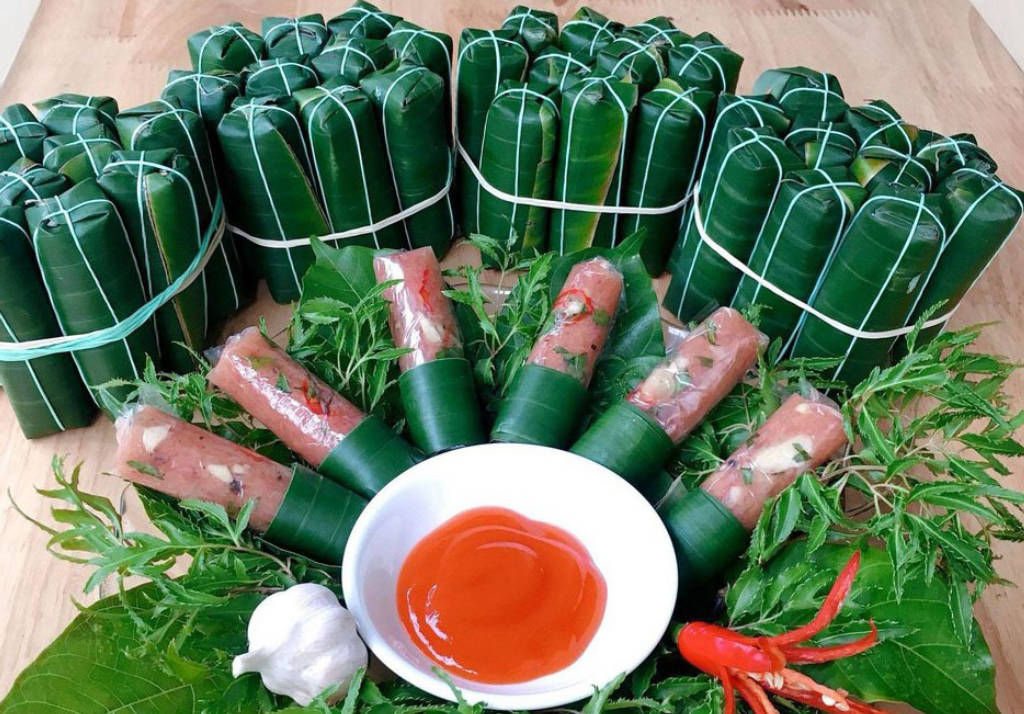
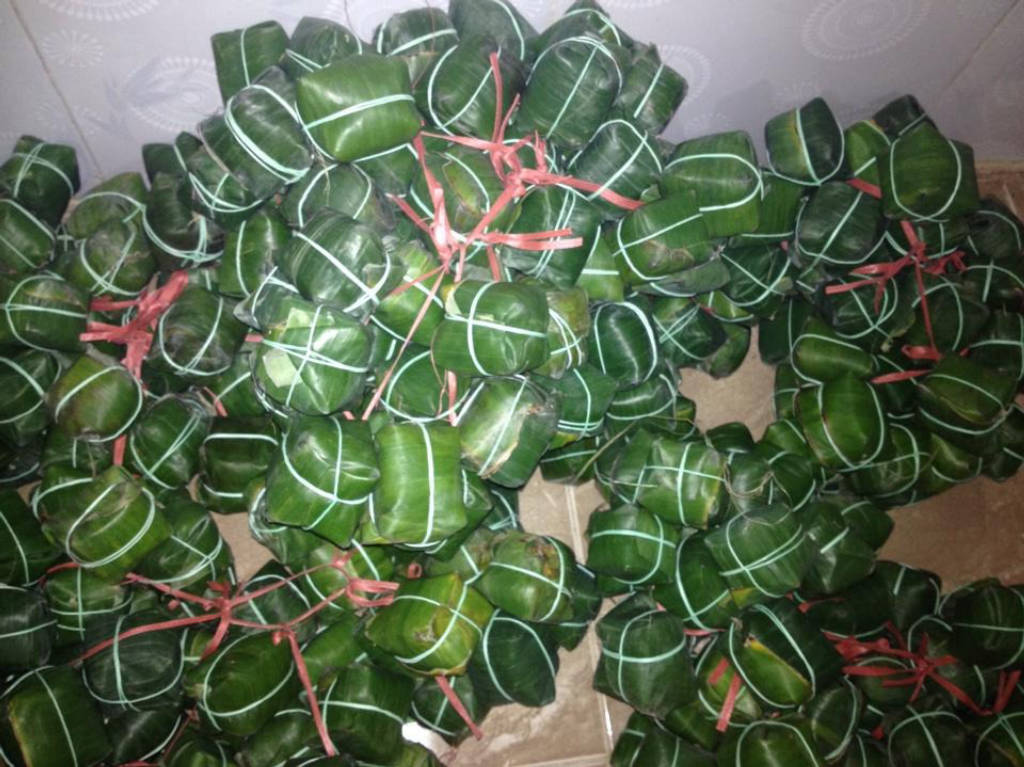
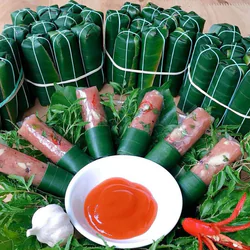
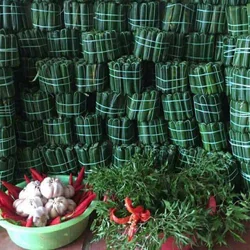
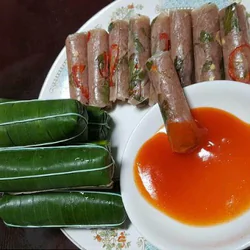
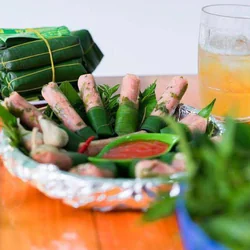
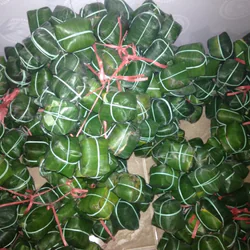
Nem chua Thanh Hóa
 Thanh Hóa - Việt Nam
Món ăn đặc sản, món quà không thể thiếu sau mỗi chuyến đi du lịch Thanh Hóa
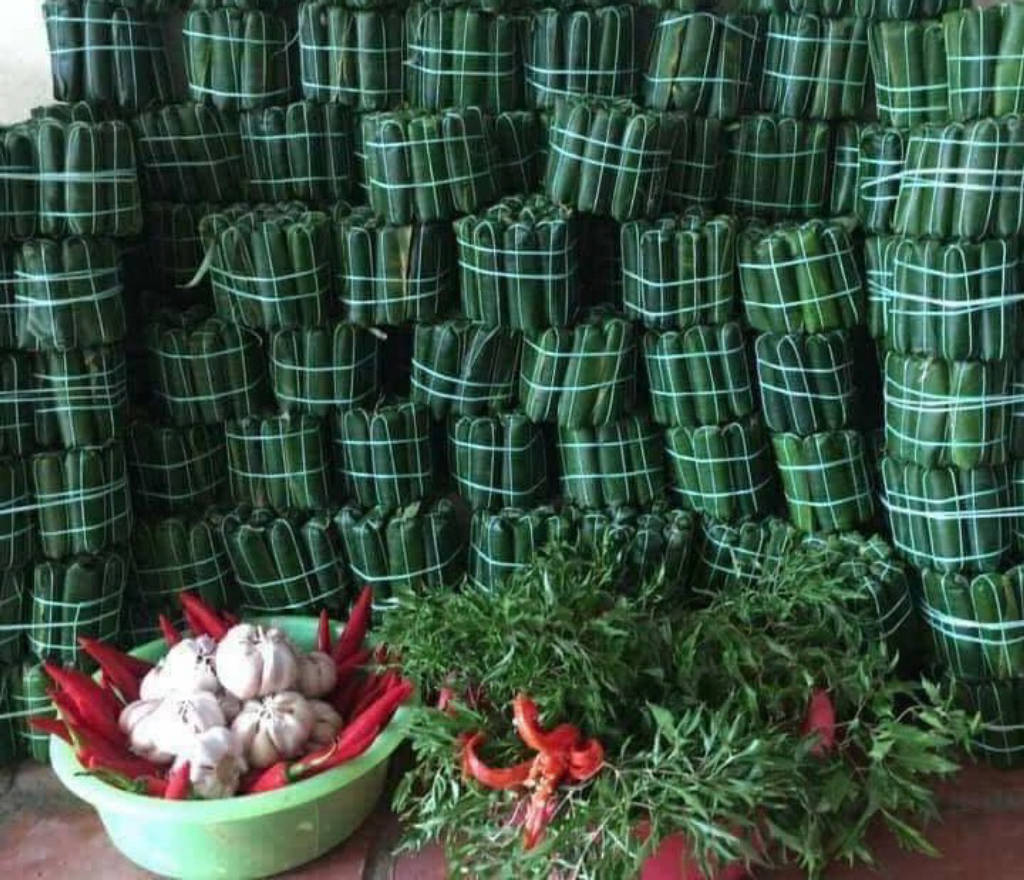
Đặc sản của vùng đất Thanh Hóa, không ai là không thể không nhắc tới món ăn vô cùng nổi tiếng ở đây đó là nem chua. Món ăn mà mỗi khi ăn xong bạn không thể quên được hương vị chua ngọt, thơm nồng, vừa dai lại có chút cay cay. Hiện nay đến với Thanh Hóa, du khách có thể dễ dàng mua những cây nem chua ở những cơ sở nổi tiếng như: nem Gốc Đa, nem chua Bà Thường, nem chua Bà Năm, nem VIP, nem chua Cương Dũng…
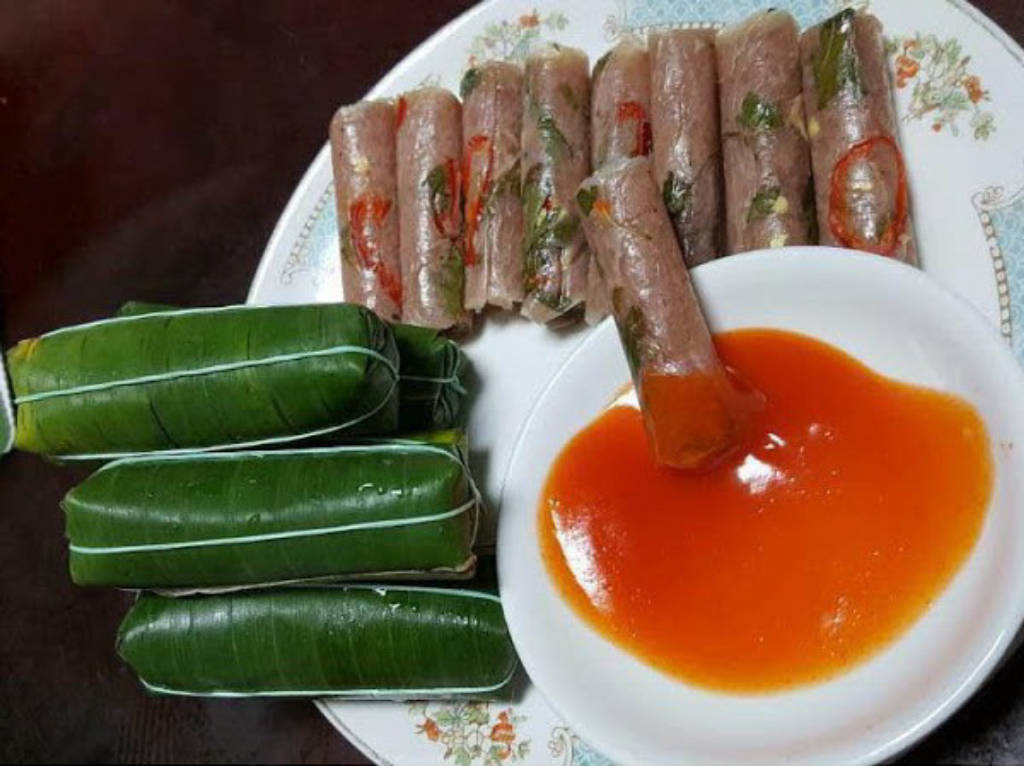
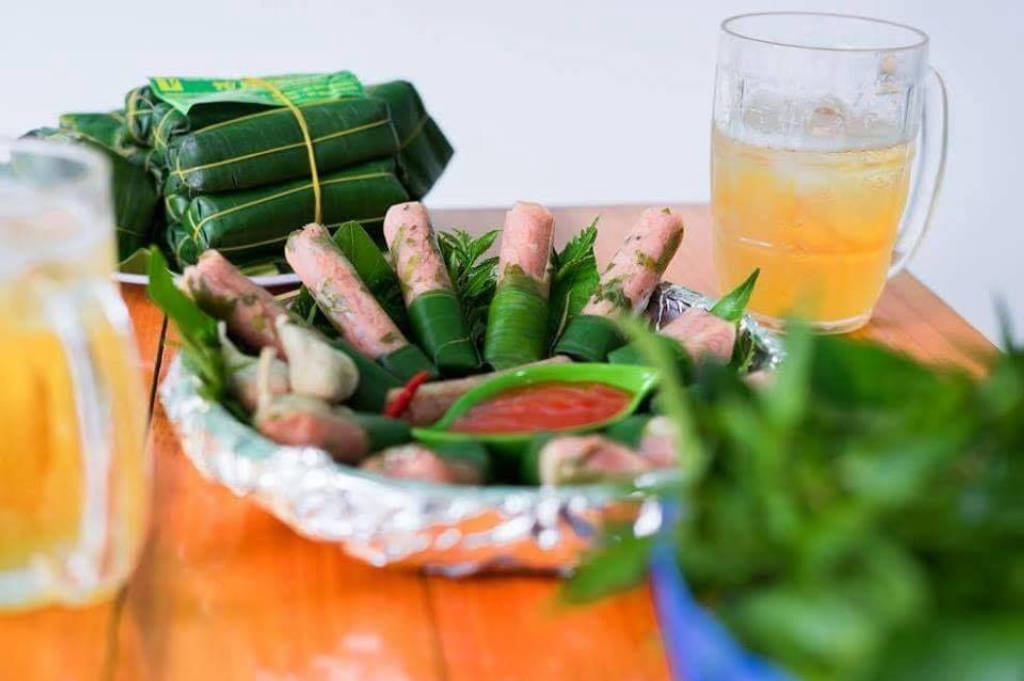
Đa số nghề làm nem chua ở đây đều được các gia đình truyền từ thế hệ này qua thế hệ khác, vì vậy nem chua ở mỗi cơ sở sẽ có những hương vị riêng. Để có được nem ngon thì người làm phải chuẩn bị rất kỹ, từ bước chọn thịt lợn phải chọn được những con lợn khỏe, lấy thịt nạc, bỏ hết gân đi sau đó cho vào máy xay xay cho mịn hoặc giã tay. Tiếp đó là bì lợn cạo thật sạch lông, luộc chín và thái nhỏ thành sợi. Sau đó trộn thịt nạc xay, bì và các gia vị cần thiết như hạt tiêu, tỏi, ớt… nếu làm nem thính thì người làm phải chuẩn bị thêm cả thính. Sau khi trộn xong, tất cả được ủ một thời gian để lên men Khi đạt yêu cầu, người làm sẽ gói nem trong những chiếc lá chuối, bỏ thêm vào đó một chút lá đinh đăng hay lá sung, thêm đôi ba lát tỏi mỏng và ít ớt. Đồ chấm nem ngon nhất chắc chắn sẽ là tương ớt vắt quất, cùng ít đường. Khi ăn, du khách sẽ cảm thấy vị cay cay của ớt, chua chua của nem, vị thơm của tiêu hay lá sung. Thật thú vị khi trong những ngày nóng bức của miền Trung được uống những cốc bia hơi mát lạnh và nhâm nhi những cây nem chua Thanh Hóa. Nếu đến Thanh Hóa du lịch, bạn có thể tham khảo một số địa chỉ mua nem sau:
1.Nem Chua Cây Đa
Địa chỉ: 326 Trường Thi, P. Điện Biên, Thành phố Thanh Hóa, Thanh Hoá
Mở cửa: 7:00-22:00
Web: https://www.facebook.com/Denhatnemchua/photos
Giá tham khảo: 50.000đ-220.000đ
2.Nem Chua Lợi Lâm Thanh Hóa
SN41, Hải Thượng Lãn Ông, P, Thành phố Thanh Hóa, Thanh Hoá
Tel: 098 866 86 01
Web: http://nemchuaxuthanh.vn/
3.Nem chua Sinh Tuyến
Địa chỉ: Thánh Tông, Đông Vệ, Thành phố Thanh Hóa, Việt Nam
Tel: 098 958 89 89
Web: https://nemchuasinhtuyen.business.site/