


 Tiếng Việt
 English
 한국어
한국어 日本語
日本語 简体中文
简体中文 Français
 Deutsch
 Español
 Italiano
 Русский


 Đăng nhập cho Doanh nghiệp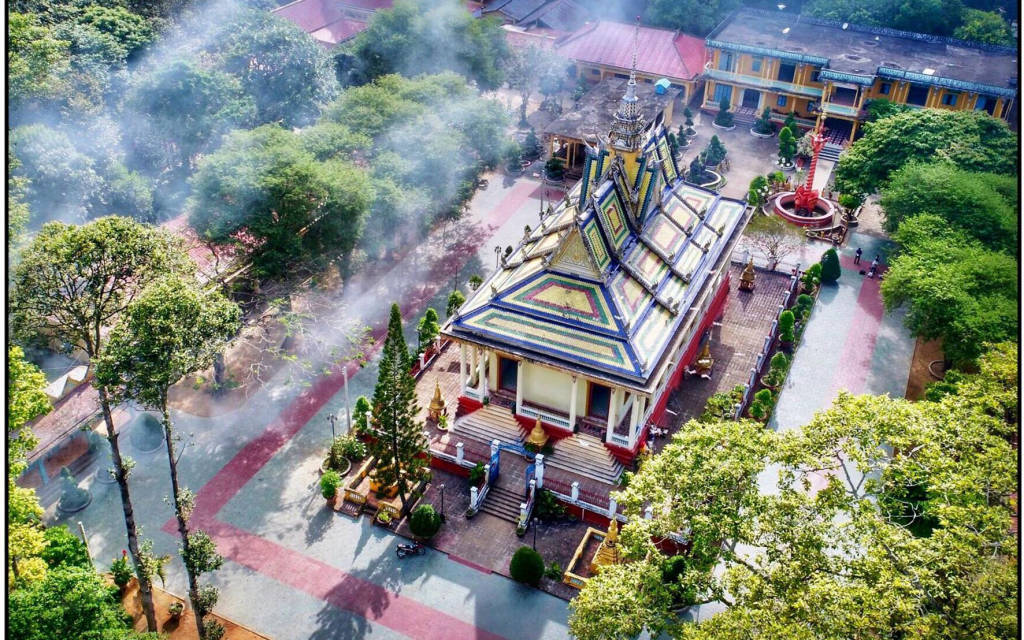
Chùa Hang - Trà Vinh
 Quốc lộ 54, Khóm 4, thị trấn Châu Thành, huyện Châu Thành, tỉnh Trà Vinh, Việt Nam
Chùa Hang, hay còn gọi là Kompông Chrây trong tiếng Khmer, là một trong những điểm đến không thể bỏ qua khi du lịch Trà Vinh. Nằm tại Quốc lộ 54, Khóm 4, thị trấn Châu Thành, huyện Châu Thành, cách trung tâm thành phố Trà Vinh chỉ hơn 5 km, chùa Hang là ngôi chùa Phật giáo Nam tông Khmer nổi tiếng, không chỉ thu hút du khách bởi vẻ đẹp kiến trúc cổ kính mà còn bởi những giá trị văn hóa, tôn giáo đặc sắc.
Chùa Hang, hay còn gọi là Kompông Chrây trong tiếng Khmer. Đây là một ngôi chùa Phật giáo Nam tông, tọa lạc tại khóm 3, thị trấn Châu Thành, chỉ cách trung tâm thành phố Trà Vinh khoảng 5 km về phía nam, dọc theo quốc lộ 54.
Vị trí và lịch sử lâu đời
Chùa Hang có lịch sử lâu dài và gắn bó chặt chẽ với đời sống của cộng đồng người Khmer tại đây. Được xây dựng từ năm 1637, ngôi chùa này nguyên thủy quay về hướng đông, nhìn ra dòng sông Long Bình, nơi có bến ghe xuồng gần bên gốc đa thuận tiện cho bà con từ các phum sóc đến chùa nghe kinh, lễ Phật. Chính vì thế, chùa còn được gọi là Wat Kompong Ch’rây - có nghĩa là Chùa Bến Cây Đa. Qua hơn 380 năm hình thành và phát triển, chùa đã trải qua 22 đời sư trụ trì. Tuy nhiên, vào năm 1968, trong sự kiện Tết Mậu Thân, chùa bị bom đạn tàn phá nghiêm trọng. Mãi đến năm 1977, Sư Thạch Suông – sư trụ trì đời thứ 23, đã trở lại và dẫn dắt cộng đồng khôi phục lại ngôi chùa, giúp nơi đây trở lại khang trang, bề thế như ngày hôm nay.
Điểm đặc biệt khiến ngôi chùa này nổi bật và dễ nhận diện chính là cổng phụ phía tây, quay ra tỉnh lộ 36 (nay là quốc lộ 54). Người dân gọi đây là Chùa Hang vì cổng chùa được xây theo hình dạng của ba hang động sát nhau. Cổng chính giữa là một hang lớn, còn hai cổng bên là hai hang nhỏ. Cả ba cổng đều được xây rất kiên cố với những bức tường dày đến 12 m, tạo cho chúng ta cảm giác như đang bước vào một hang đá tự nhiên.
Kiến trúc độc đáo
Cổng chính của chùa không chỉ thu hút du khách bởi vẻ đẹp độc đáo mà còn ẩn chứa một tầng ý nghĩa sâu sắc. Thiết kế vòm của cổng, với ba cổng nối liền nhau như một hệ thống hang động, không chỉ là một điểm nhấn nghệ thuật mà còn là minh chứng cho sự kế thừa giữa Bà La Môn giáo và Phật giáo Nam tông Khmer. Các tu sĩ Bà La Môn xưa thường tu hành trong những hang động tĩnh mịch, vắng lặng, và chính trong thiết kế này, ta cảm nhận được sự kết nối giữa hai nền văn hóa tôn giáo, giữa sự uy nghi của Phật giáo và sự tĩnh lặng của những không gian thiền định.
Khi bước qua cổng chùa, quý vị sẽ ngay lập tức cảm nhận được một không gian yên bình, huyền bí, như thể thời gian và không gian đều lắng đọng lại nơi đây. Đây chính là nơi chúng ta sẽ tìm hiểu thêm về một phần lịch sử, văn hóa và tôn giáo đặc sắc của Trà Vinh, nơi mà người Khmer đã gìn giữ những giá trị tâm linh qua hàng thế kỷ.
Tiến vào bên trong, nơi nổi bật là Chánh điện chùa Hang. Chánh điện được xây dựng trên nền đất cao, với những bậc thang dẫn lên, mang đến cho ngôi chùa một vẻ uy nghi, lộng lẫy. Mái chùa được thiết kế với nhiều lớp chồng lên nhau, đỉnh là một chóp tháp cao vút, tạo nên một hình ảnh thật oai nghiêm. Bên trong chánh điện, quý vị sẽ thấy hai hàng cột trụ cao lớn uy nghi, xung quanh là những tượng Phật Thích Ca trong nhiều tư thế khác nhau, đặc biệt là một tượng Phật Thích Ca lớn, đặt trên cao, tỏa ra sự bình an, tĩnh lặng cho toàn bộ không gian.
Tiến ra phía trước nhà khách và tăng xá, quý vị sẽ thấy một tháp cột cờ với một bộ phù điêu hình 7 đầu rắn thần Naga. Đặc biệt, hai bên tháp cột cờ là hai bộ bánh xe 12 căm, tượng trưng cho thập nhị nhân duyên, một biểu tượng quan trọng trong Phật giáo, thể hiện sự sinh diệt liên tục của vạn vật trong cuộc sống.
Đối diện với chánh điện, là một quần thể tượng 12 con giáp, được sắp xếp trong hình vòng cung. Các tượng được khắc họa rất tinh xảo, với các cặp rồng uốn lượn như chiếc thuyền, đầu rồng ngẩng cao trên hai trụ, có các phù điêu thần Yak – vị thần bảo vệ rất hung dữ, với mắt lồi, nanh dài, nhưng lại được Phật giáo cải hóa. Những hình ảnh này rất quen thuộc với người dân Khmer, tương ứng với các con giáp trong vòng tuần hoàn của năm, từ Tý, Sửu, Dần đến Mẹo, Thìn.
Phía bên phải của tượng là những hình tượng các vị thần tiên cưỡi dê, khỉ, gà, chó và một vị thần cưỡi heo. Chính giữa là những tượng thần cưỡi đầu rắn Naga và thần cưỡi ngựa, với một bộ tượng nữ thần Kinnari chống đỡ mái một tháp bốn mặt, trên cùng là tượng 8 vị Phật chắp tay trang nghiêm. Tất cả những chi tiết này không chỉ thể hiện sự uy nghiêm của Phật giáo mà còn là một sự kết nối sâu sắc với nền văn hóa, tín ngưỡng của người Khmer.
Quý vị thấy đấy, Chùa Hang không chỉ là một công trình tôn giáo đơn thuần, mà còn là một kho tàng nghệ thuật và văn hóa Phật giáo phong phú. Mỗi tác phẩm điêu khắc, mỗi chi tiết trong chùa đều mang một câu chuyện lịch sử, một thông điệp tâm linh sâu sắc. Khi tham quan nơi đây, quý vị không chỉ được chiêm ngưỡng vẻ đẹp kiến trúc mà còn có thể cảm nhận được sự bình yên, tĩnh lặng mà ngôi chùa này mang lại cho mỗi người.
Giáo dục và bảo tồn
Chùa Hang không chỉ là một ngôi chùa Phật giáo Nam tông Khmer đơn thuần, mà còn là một trung tâm văn hóa và giáo dục của cộng đồng Khmer ở Trà Vinh. Bên cạnh vai trò thờ tự, chùa còn là nơi học tập, giáo dục đạo đức và bảo tồn văn hóa nghệ thuật truyền thống của người Khmer. Trong khuôn viên chùa, có một trường học quy mô, nơi các em học sinh Khmer được dạy dỗ về đạo lý, văn hóa và ngôn ngữ của dân tộc. Cùng với đó là khoảng hai chục nhà sàn nhỏ đủ cho một người ở, nơi người dân trong vùng thường xuyên đến đây để cầu nguyện, tu tập và tìm sự bình yên trong tâm hồn.
Điểm đặc sắc
Mặc dù không phải là ngôi chùa lớn nhất trong tỉnh Trà Vinh, nhưng Chùa Hang lại thu hút du khách gần xa bởi một đặc điểm vô cùng độc đáo và hấp dẫn. Đó là xưởng điêu khắc gỗ nghệ thuật đã hoạt động gần 30 năm, nơi các nghệ nhân tài hoa sáng tạo ra những tác phẩm điêu khắc tinh xảo từ gỗ, có tiếng vang trên thị trường mỹ nghệ Việt Nam. Các sản phẩm từ xưởng điêu khắc này rất phong phú, từ những tượng Phật, tượng thần linh, đến các hình ảnh mang đậm nét văn hóa Khmer, và du khách có thể mua hoặc đặt hàng những tác phẩm mà mình yêu thích.
Điều đặc biệt nữa mà Chùa Hang sở hữu chính là sân chim được bảo vệ nghiêm ngặt. Khuôn viên rộng 7 ha của chùa vốn là một khu rừng nguyên sinh, với những loài cây đặc hữu của đất giồng cát như sao, dầu, tre, trúc... tạo thành một hệ sinh thái vô cùng phong phú và giá trị. Trước đây, khu rừng này là nơi trú ngụ của nhiều đàn dơi quạ, nhưng sau chiến tranh, khu rừng bị tàn phá và dơi đã bỏ đi. Tuy nhiên, từ thập niên 1990, khuôn viên chùa lại trở thành nơi quần tụ của hàng ngàn chim các loại, trong đó nhiều nhất là cò trắng, cò ngà, cò cổ đỏ và diệc.
Được con người yêu thương và bảo vệ, đàn chim ngày càng dạn dĩ hơn, chúng làm tổ không chỉ trên cây trong rừng mà còn cả trên các cây cảnh mới trồng trước sân chánh điện và nhà tăng xá. Đến thăm Chùa Hang, quý vị sẽ có cơ hội chiêm ngưỡng những cảnh tượng tuyệt đẹp khi những đàn chim bay lên sáng sớm để tìm thức ăn, và chiều về lại tổ, mang theo thức ăn cho đàn con. Cảnh tượng này tạo nên một không khí huyên náo, sinh động cho một khu rừng thiền môn vốn yên tĩnh.
Một khi đã tham quan chùa Hang, sau khi chiêm bái Đức Phật, tham quan xưởng điêu khắc và tìm hiểu về các sản phẩm nghệ thuật, quý vị cũng có thể dành thời gian ngồi thư giãn trên những băng đá rải rác quanh sân chánh điện. Trong lúc đó, quý vị sẽ được đắm chìm trong không gian tĩnh lặng của chùa, thưởng thức tiếng chim hót, ngắm nhìn những đàn chim bay lượn trên bầu trời, và cảm nhận sự thanh thản đến từ sự hòa quyện giữa văn hóa tâm linh và thiên nhiên.
Lời kết
Với gần 150 ngôi chùa Khmer, hơn 60 ngôi chùa của người Kinh và người Hoa, Trà Vinh thực sự là một miền đất Phật, nơi quý vị có thể hòa mình vào không gian văn hóa tâm linh đặc sắc. Đây là một điểm đến lý tưởng cho những ai yêu thích tìm hiểu văn hóa, tôn giáo và chiêm ngưỡng những công trình kiến trúc độc đáo của người Khmer.
Hy vọng rằng, những điều Tatinta chia sẻ hôm nay sẽ giúp quý vị cảm nhận trọn vẹn hơn vẻ đẹp của Chùa Hang. Chúc quý vị có những trải nghiệm thật đáng nhớ và đầy ý nghĩa tại nơi đây!
Thông tin
Giá vé: Miễn phí.
Giờ mở cửa: 7h - 19h tất cả các ngày trong tuần.