


See all results for ""

 Anytime
 Tiếng ViệtEnglish
 한국어
한국어 日本語
日本語 简体中文
简体中文 Français
 Deutsch
 Español
 Italiano
 Русский


 Login for Corporates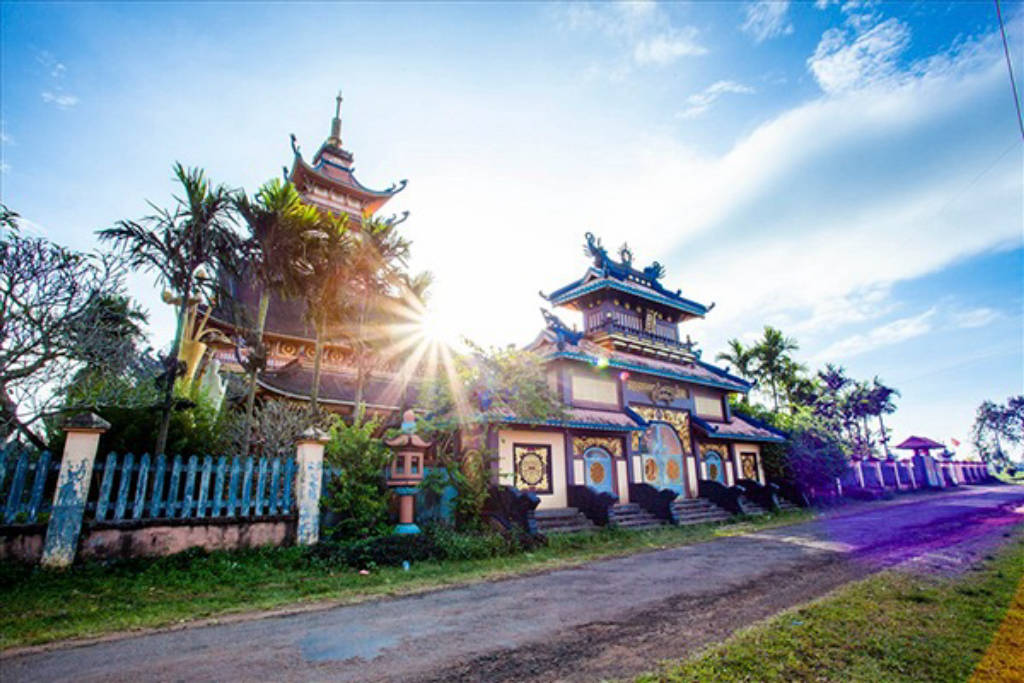
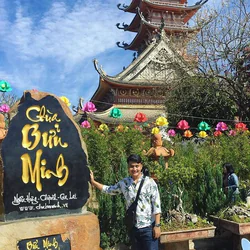
Buu Minh Pagoda
 Đường liên, Nghĩa Hưng, Thành phố Pleiku, Gia Lai, Việt Nam.
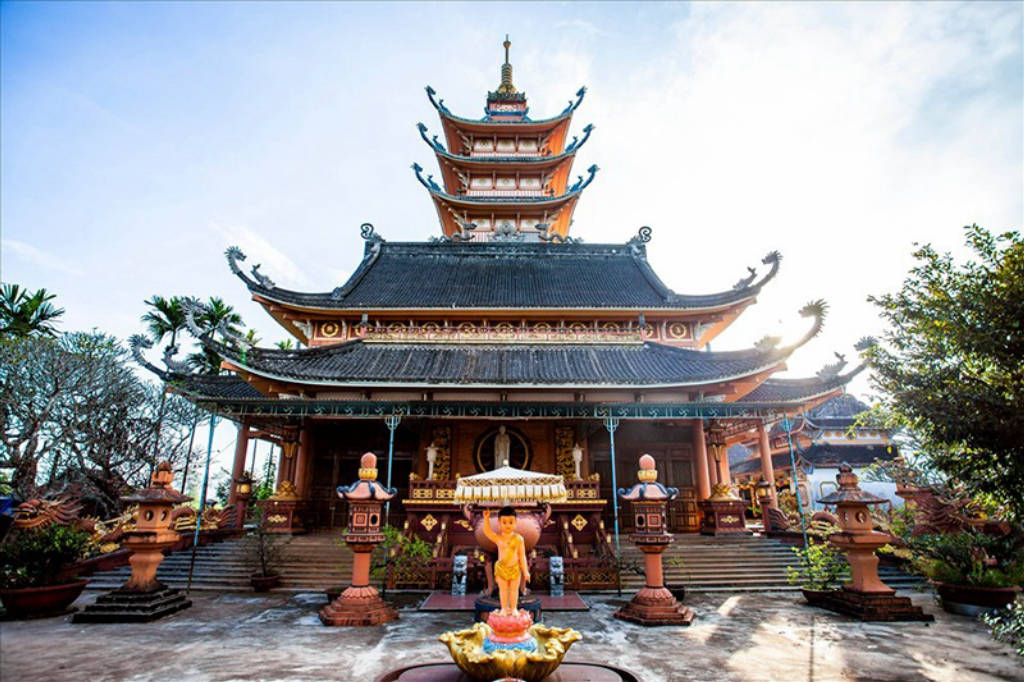
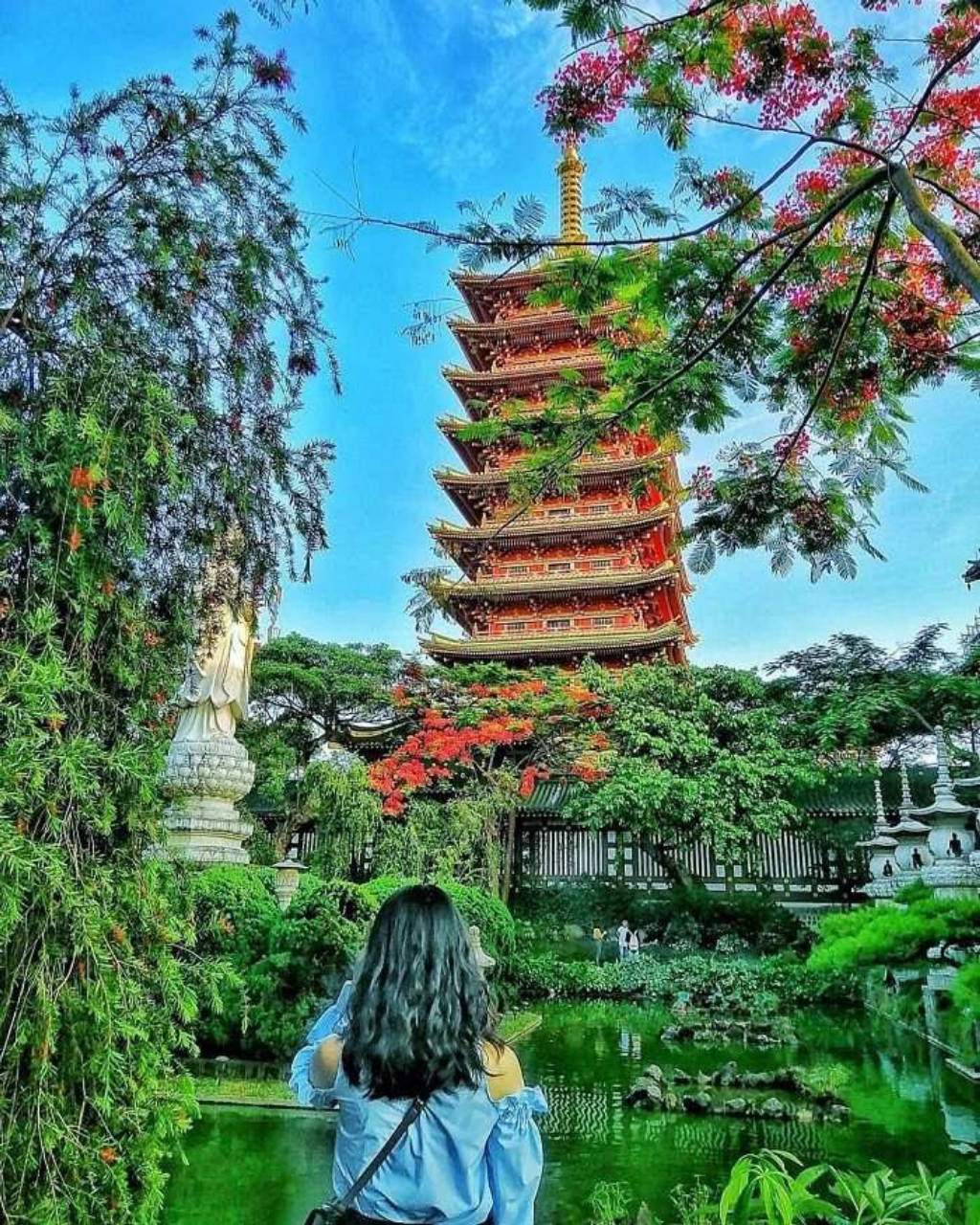
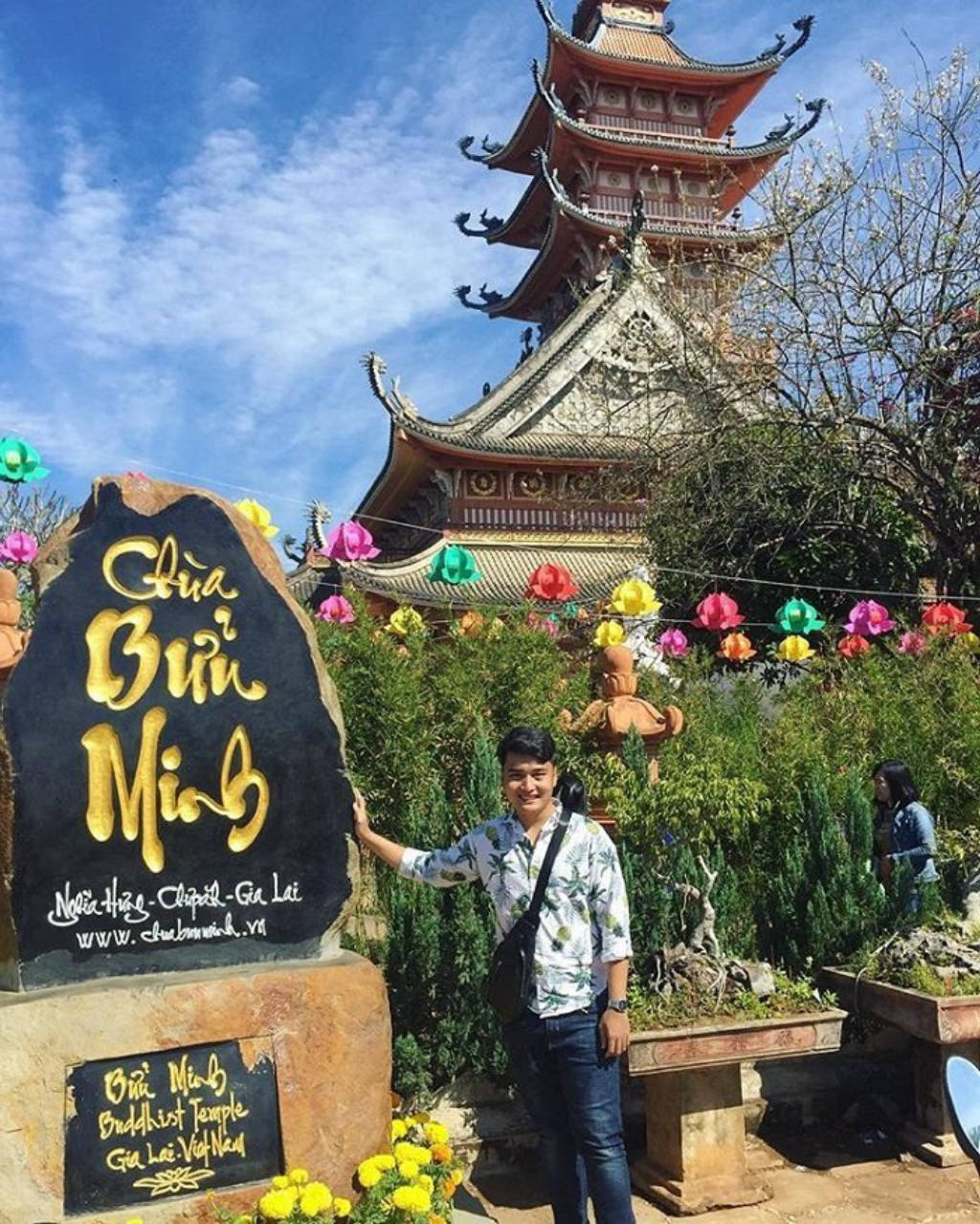
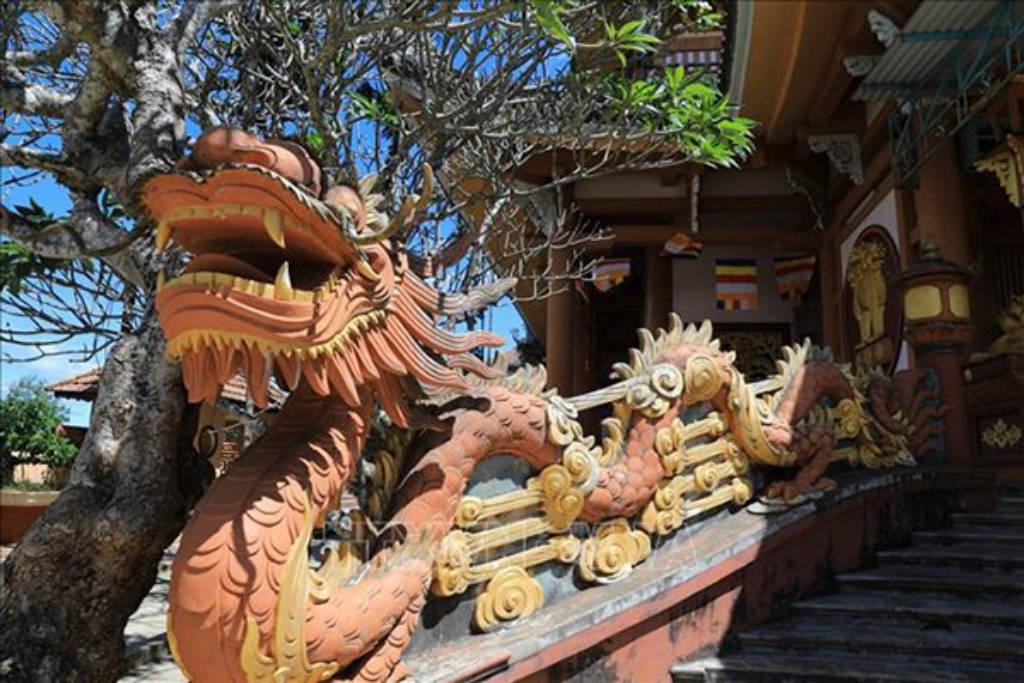
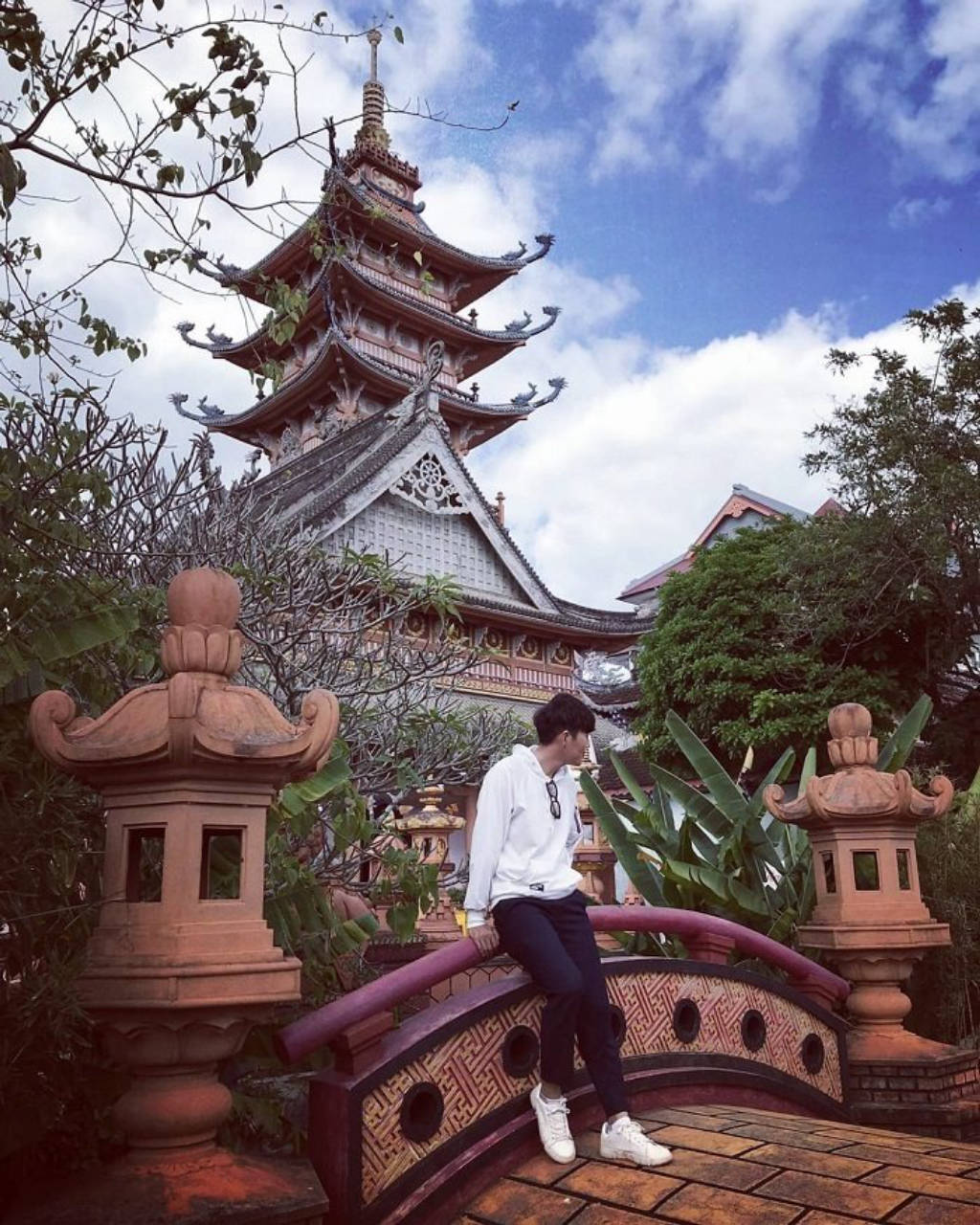
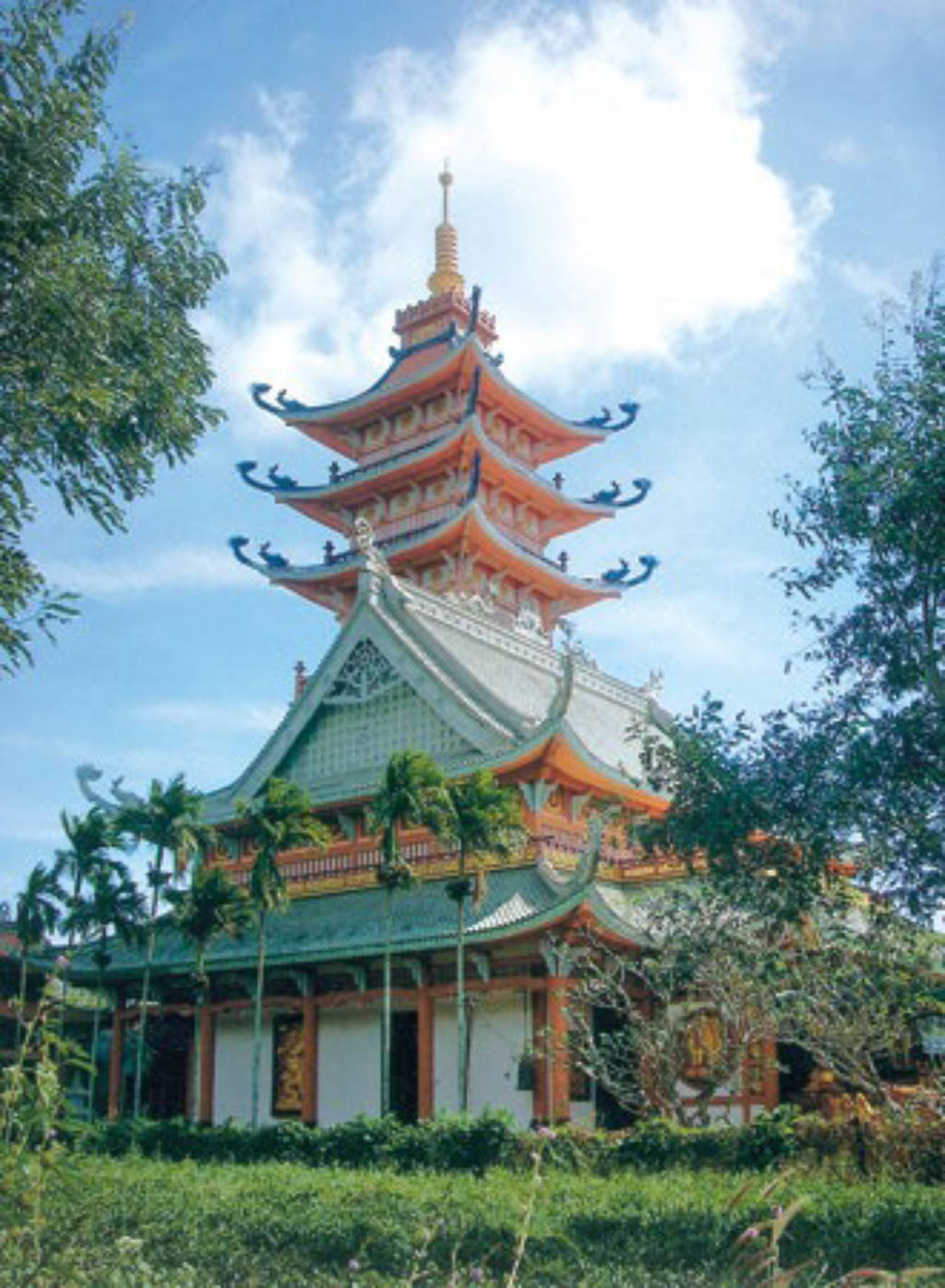
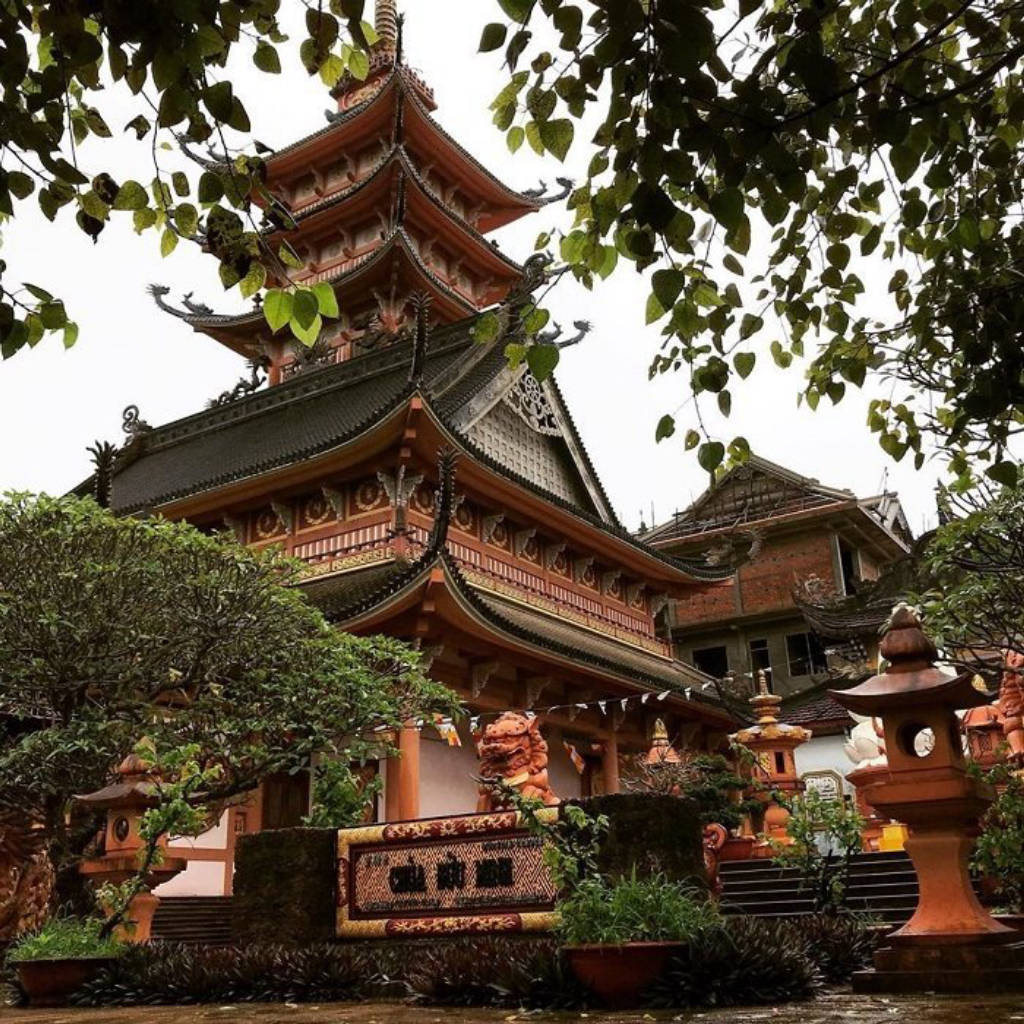
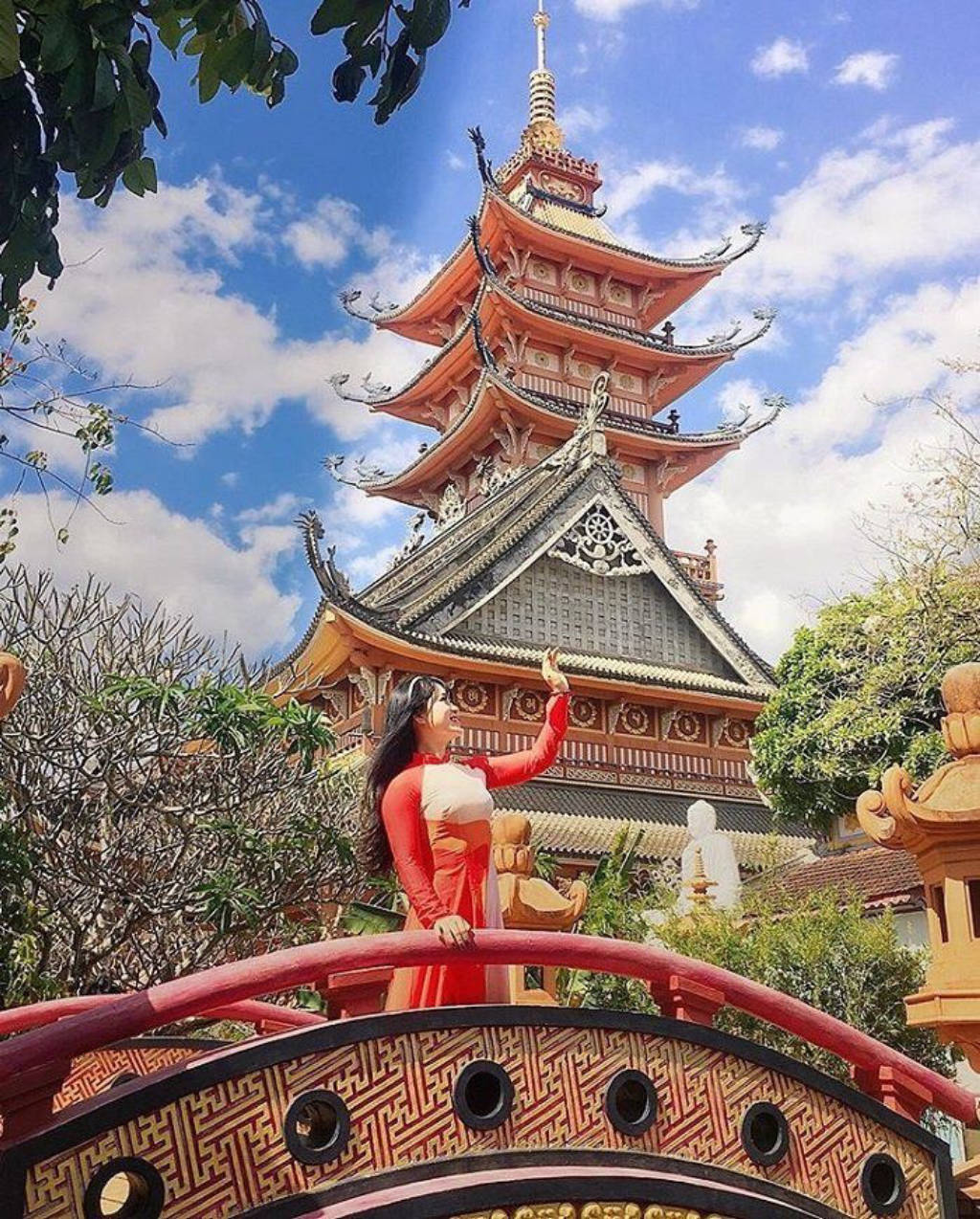
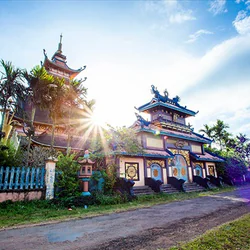
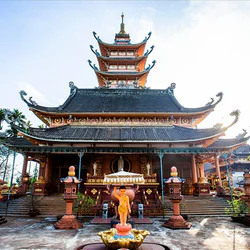
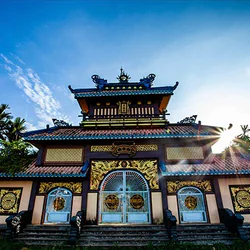
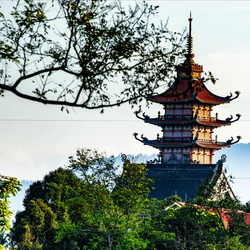
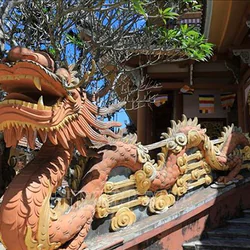
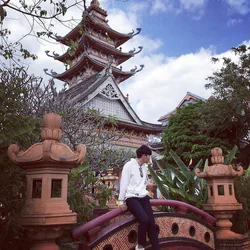
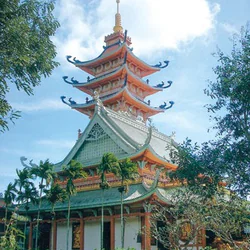
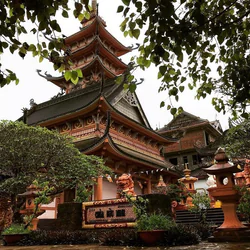
Buu Minh Pagoda is located in hamlet 1, Nghia Hung commune, Chu Pah district, Gia Lai, more than 15 km from the center of Pleiku city to the north. This is one of the temples that harmoniously combines the ancient temple architecture in the North and the Central region with the Japanese and Taiwanese temple designs.
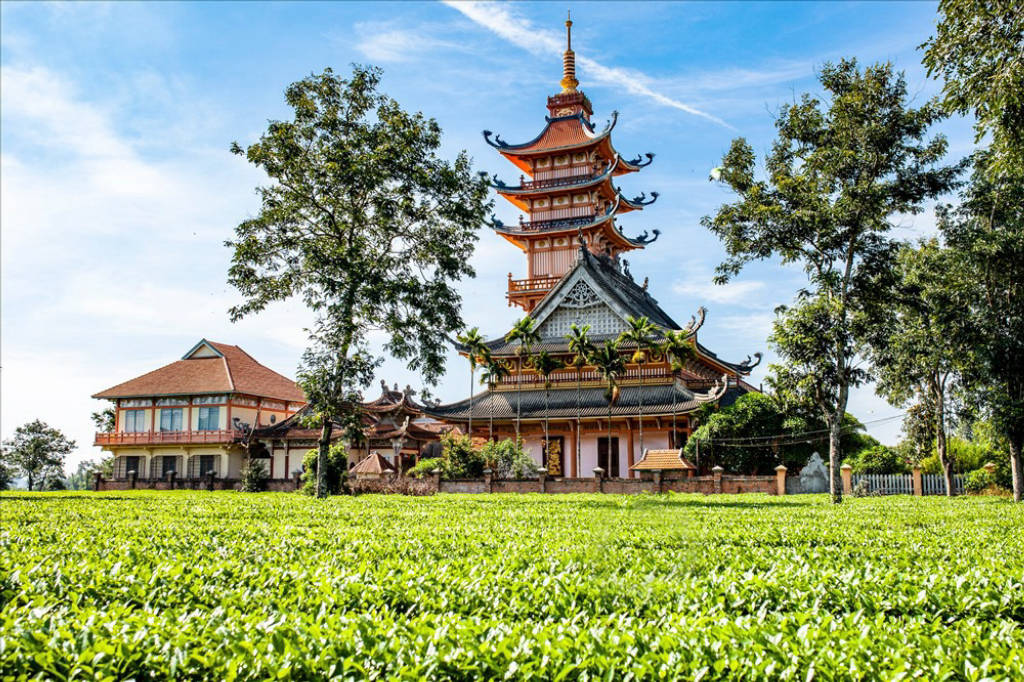
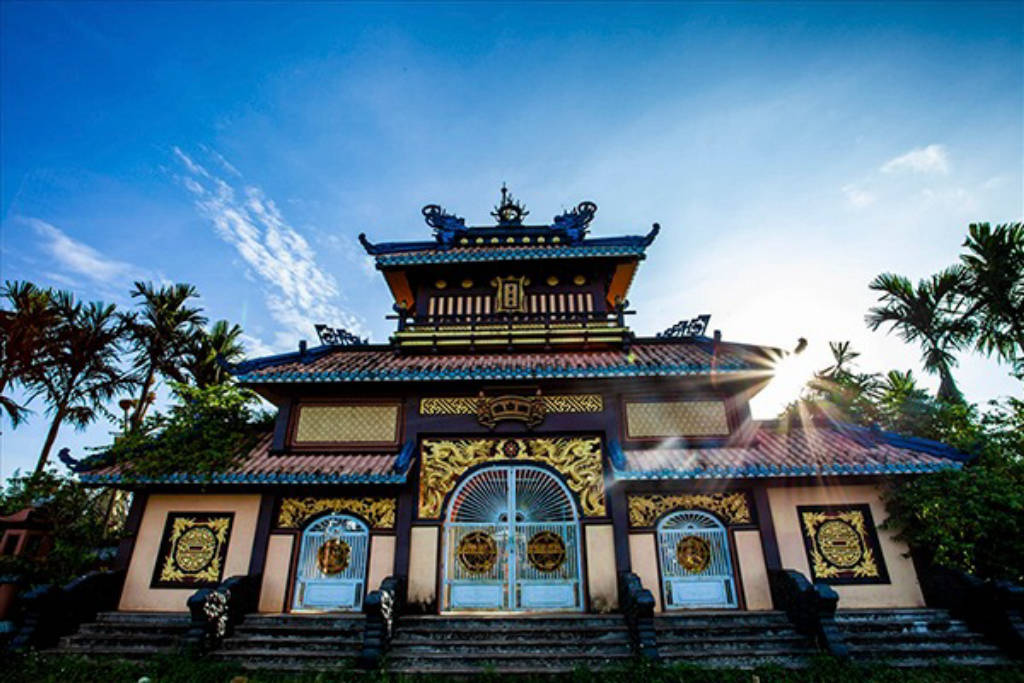
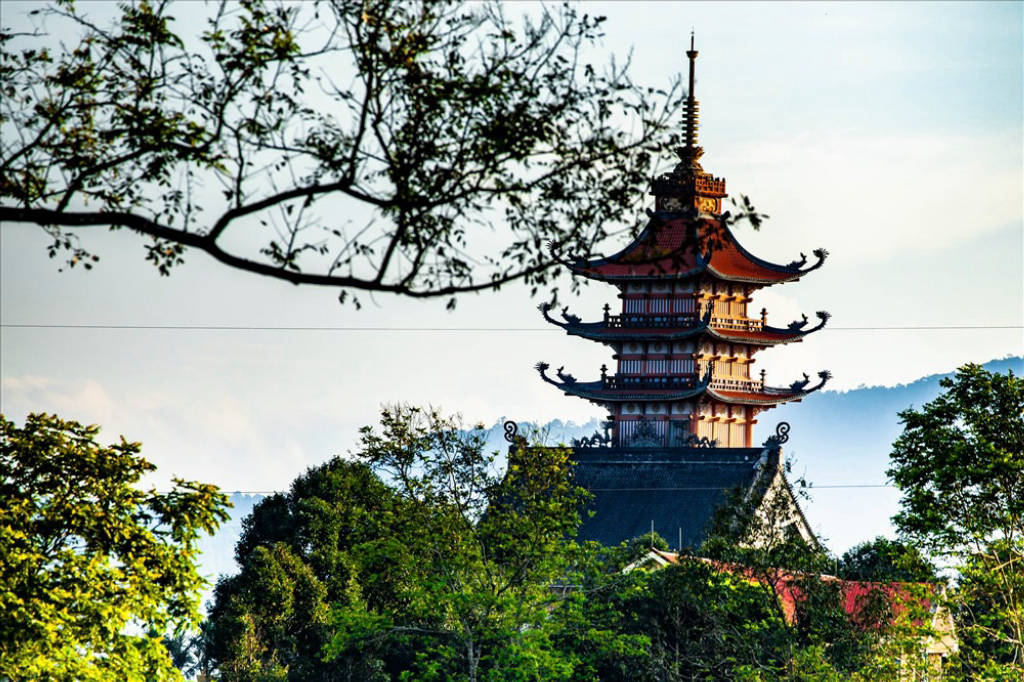
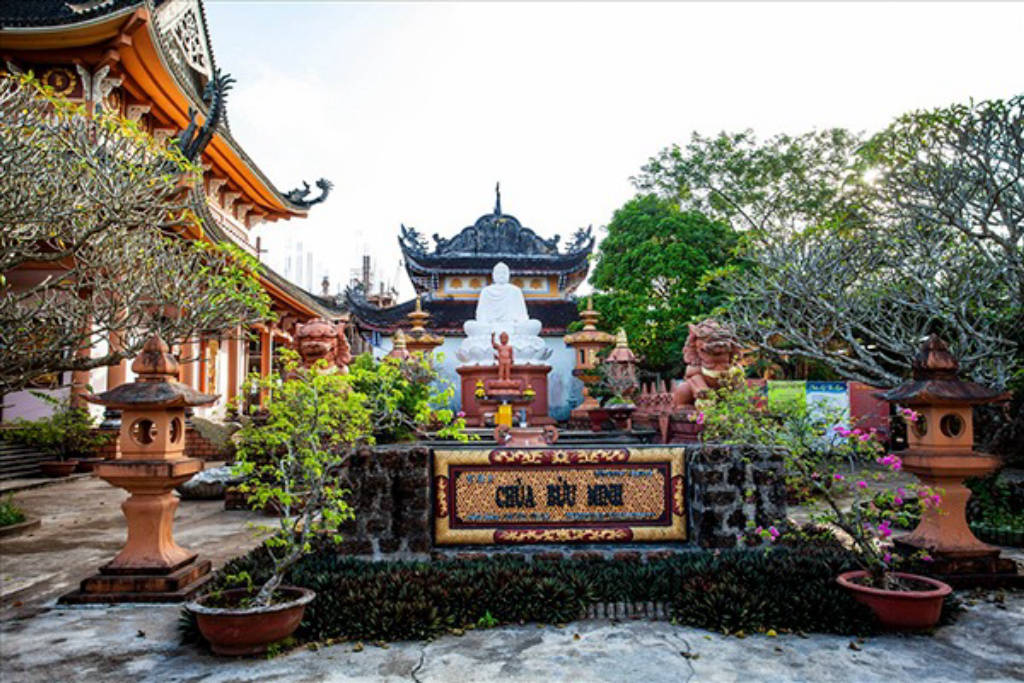
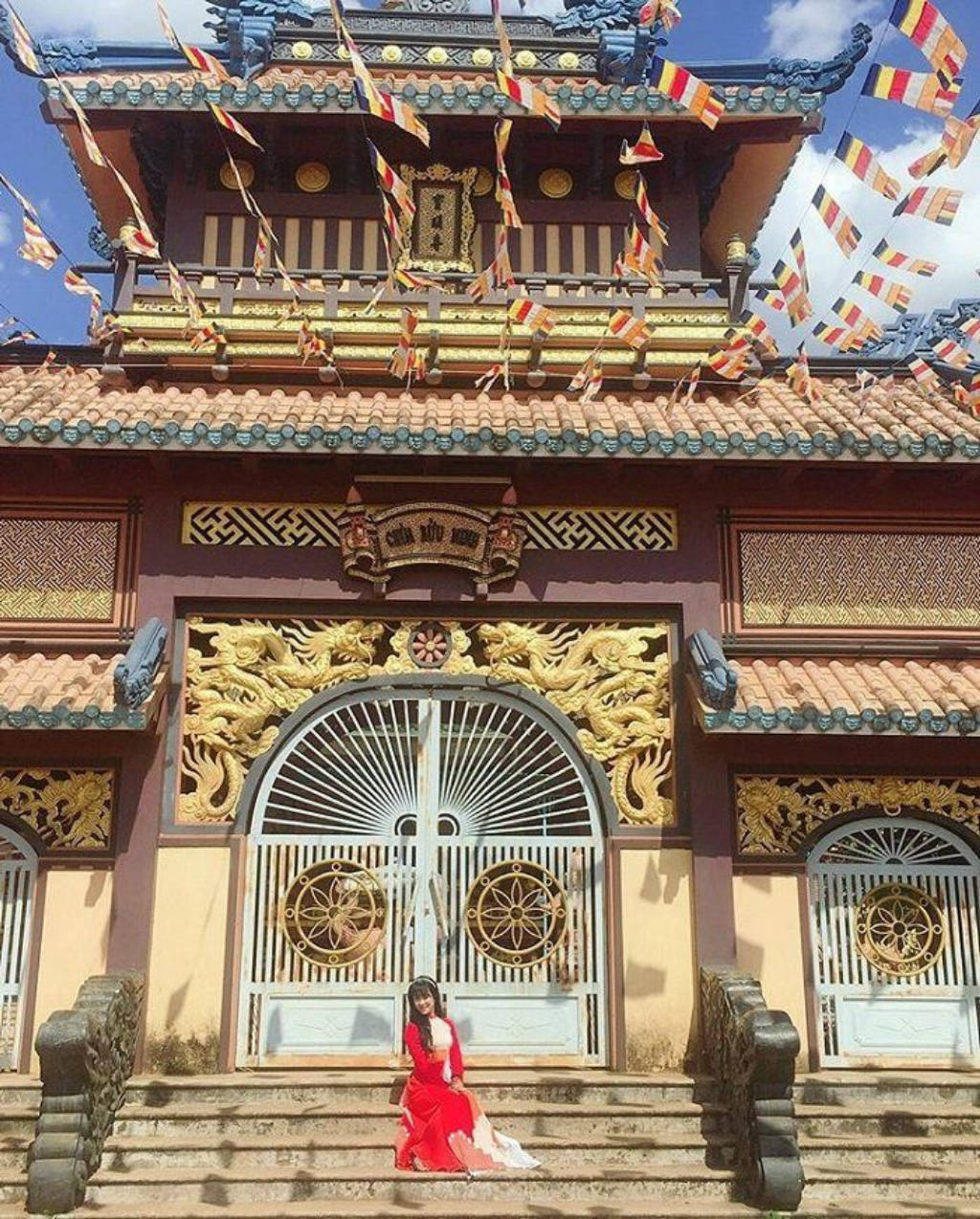
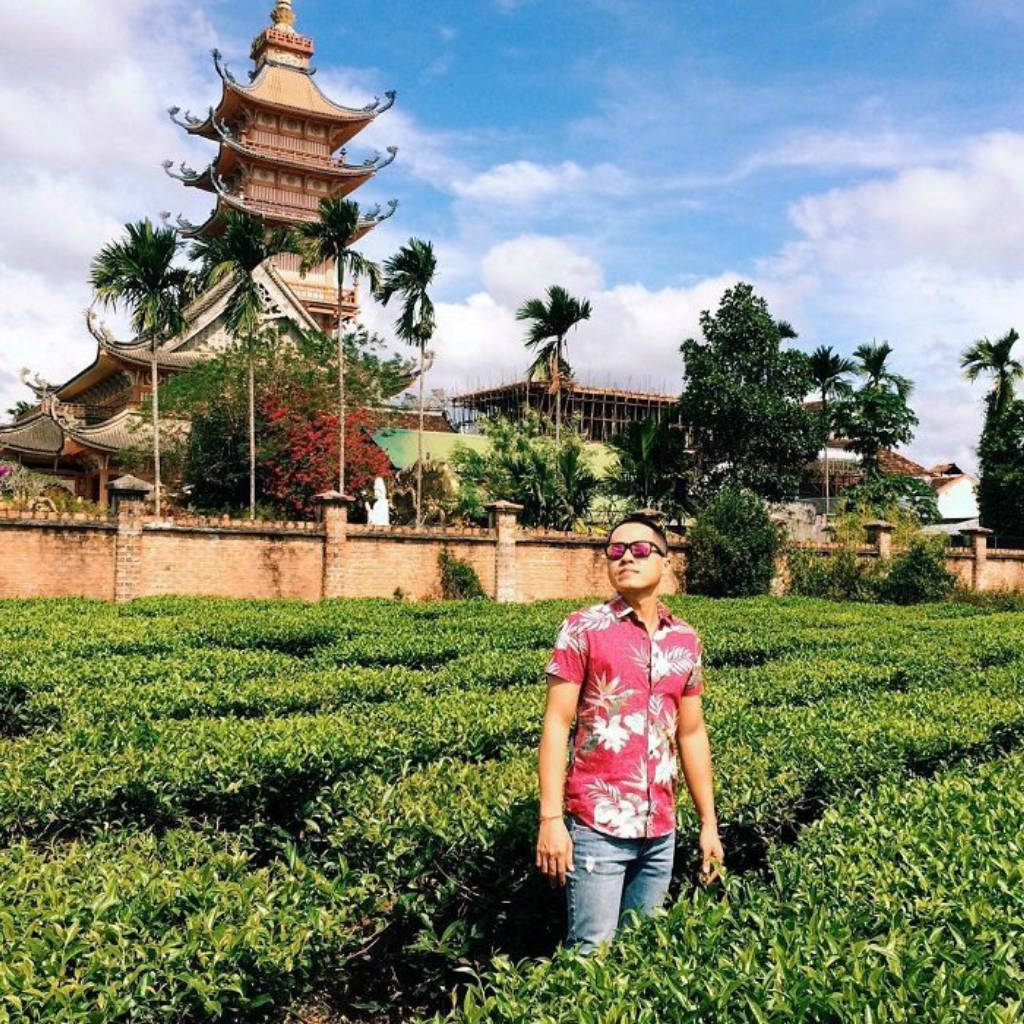
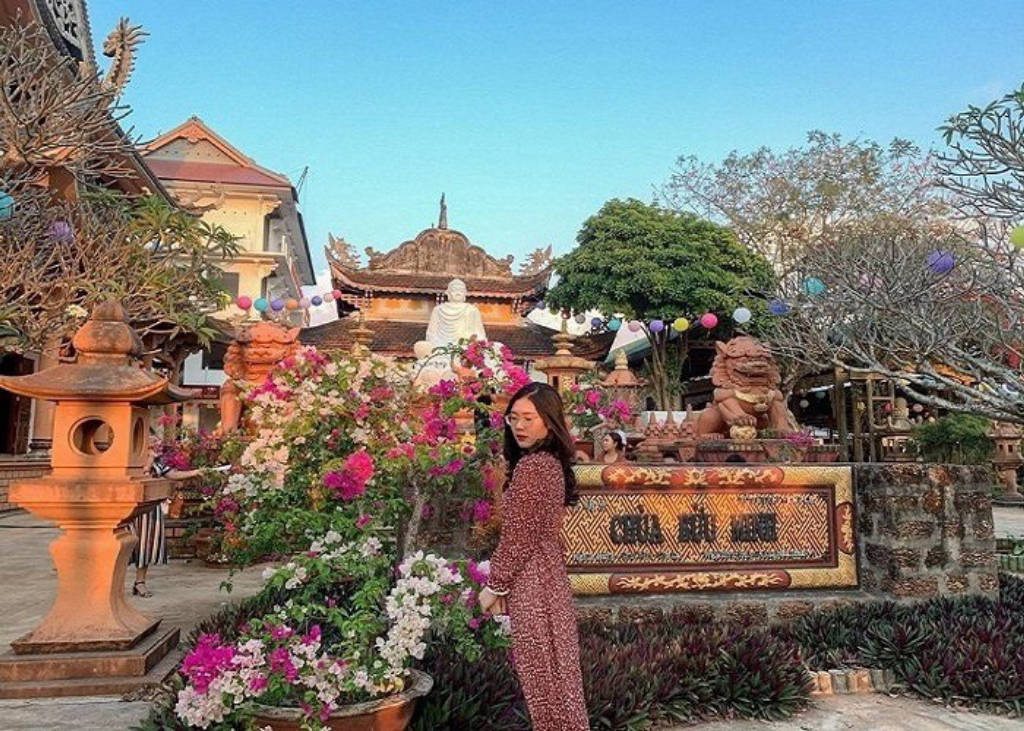
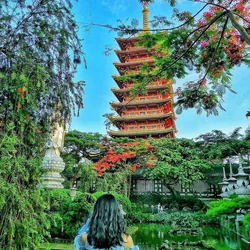
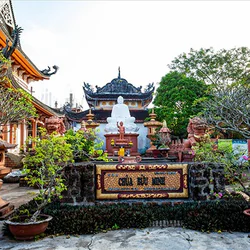
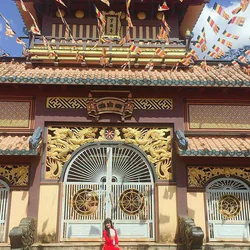
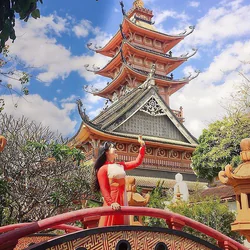
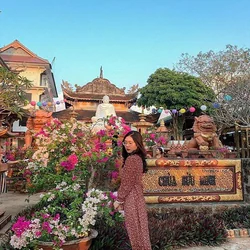
Buu Minh Pagoda is also known as Bien Ho Tra Pagoda, because the construction process of the pagoda is associated with the formation of the Bien Ho Tea Department since the French colonial period. In the early twentieth century, residents from the coastal plain came to this land and built a village named "Co May Village". In the middle of the "sacred forest, poisoned water", people have established the "Son Hai Mieu" precursor of Buu Minh Pagoda as a place of worship on the shores of the Lake. In 1936, the pagoda was first built with the name "Buddhist Temple" by Mr. Nguyen Van Khanh (from Hue) who mobilized workers in Co May village to establish a place to study. In 1947, the pagoda was completely damaged. Then in 1961, the pagoda was rebuilt by local Buddhists, named Buu Minh Pagoda. Up to now, the old houses of the tea plantation workers in the past are only left on the fingers, but the bones of the old temple are still there and in the temple grounds are keeping many tea roots with the age of nearly a hundred years. Buu Minh Pagoda has a very unique architecture, the whole temple is designed with reinforced concrete, has a harmonious combination of wooden architecture, with the motif of ancient pagodas in the North and Central of our country. Japanese and Taiwanese temple designs. The unique feature of Buu Minh Pagoda is that it has only a single thunderstorm, with a front roof and a rear roof sloping up to 45 degrees, creating a soaring and elegant shape like the roof of a communal house in the Central Highlands. Particularly, the rear roof is designed to be more breakthrough because there is a tower in the center of the roof, creating a common space inside the tower and the main hall. On the right side of the temple yard is an open-air statue of Shakyamuni, this statue is more than 3m high and placed in a sitting posture. In addition, the temple also has another statue of Sakyamuni 11m long placed in a lying position with a peaceful and free face. In front of the pagoda, facing T'Nung lake, the back rests on Tien Son mountain, creating an extremely good feng shui position, helping the pagoda's path to always flow and flow. Another special feature that tourists love when coming to Buu Minh Pagoda is the temple's three-way area. Tam Quan of the pagoda was built according to the model of "Hien Lam Cac" of Hue Citadel, with 5 roofs (representing the five blessings) with 3 entrances representing the "three treasures" (Buddha, Dharma, Sangha). In addition, there are 4 porcelain trees with a hundred years old and the relics of "Son Hai Mieu". .
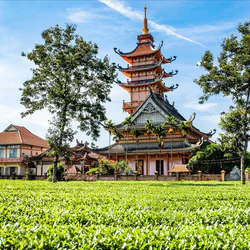
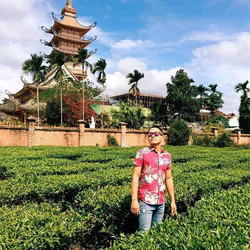
Besides, Buu Minh Pagoda is located in a place that is bestowed by nature with the most beautiful scenery in Gia Lai province, surrounded by famous tourist attractions such as: To Nung Lake, Tea Lake, Mountain. fire Chu Dang Ya. At Buu Minh Pagoda, if the room is about 1 km to the west, visitors will see the To Nung Lake, in the distance, visitors can directly see the majesty that nature has bestowed on Chu Dang volcano. Yes. If you have the opportunity, you can combine visiting the tea hills in the early morning, when the fog is still around the tea hills, creating a beautiful scene. Then visiting the temple will definitely give visitors a strange sense of peace.
Address: Lien Street, Nghia Hung, Pleiku City, Gia Lai, Vietnam.