


See all results for ""

 Anytime
 Tiếng ViệtEnglish
 日本語
日本語 한국어
한국어 简体中文
简体中文 Français
 Deutsch
 Español
 Italiano
 Русский


 Login for Corporates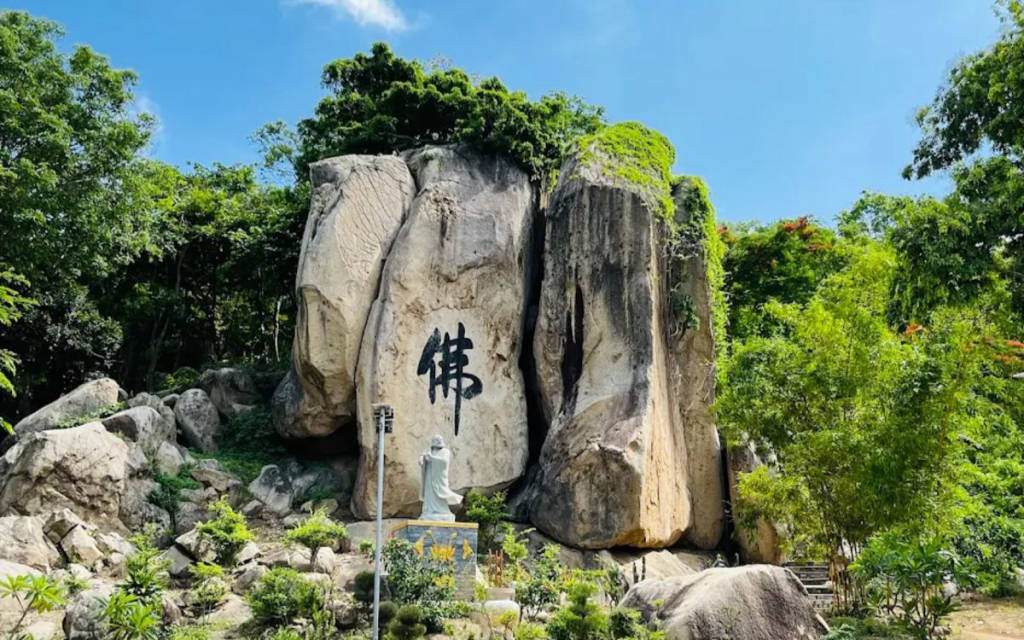
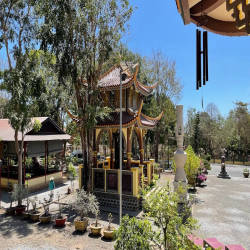
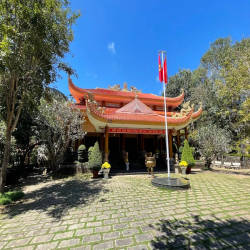
Truc Lam Chan Nguyen Zen Monastery
 At the foot of Ky Van Mountain, Phuoc Hai Town, Dat Do District, Ba Ria – Vung Tau Province.
Truc Lam Chan Nguyen Zen Monastery is an ideal spiritual destination for those seeking peace, worship, and inner calm in a serene Zen environment harmoniously integrated with nature in Ba Ria – Vung Tau.
1. Overview of a serene Zen sanctuary at the foot of Ky Van Mountain
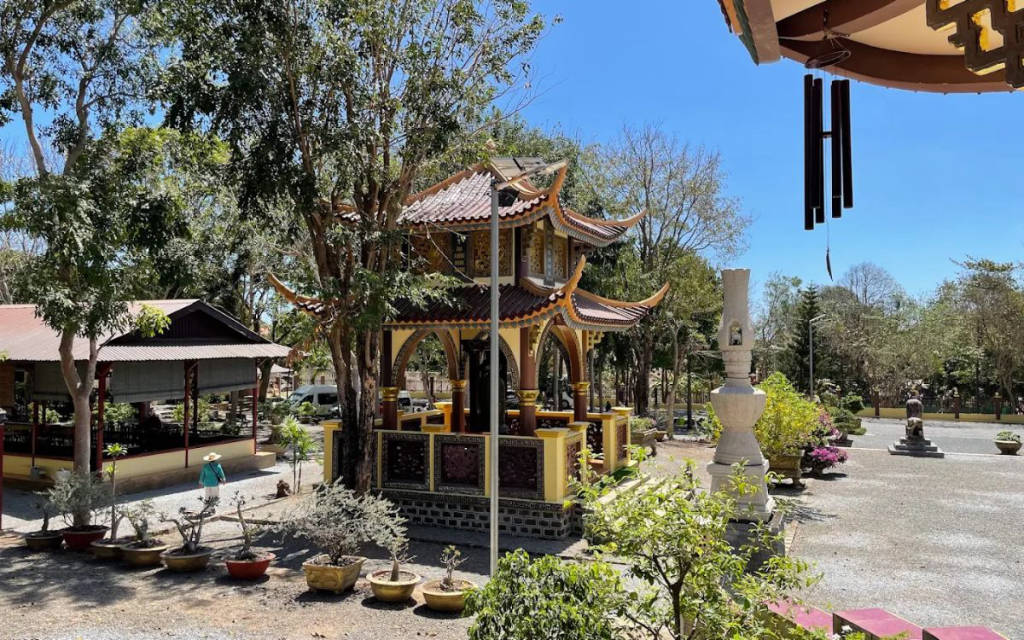
Located at the mist-covered foot of Ky Van Mountain, Truc Lam Chan Nguyen Zen Monastery is not merely a pagoda, but a spiritual retreat for souls seeking inner refuge. Inaugurated in 1990, the monastery belongs to the Truc Lam Yen Tu Zen lineage and embodies the philosophy of Vietnamese Zen Buddhism: engaging with the world without being bound by worldly dust. Amid the vast natural setting of Dat Do’s mountains and forests, the monastery appears like a pure lotus flower, completely separated from the hustle and bustle of the busy coastal roads nearby.
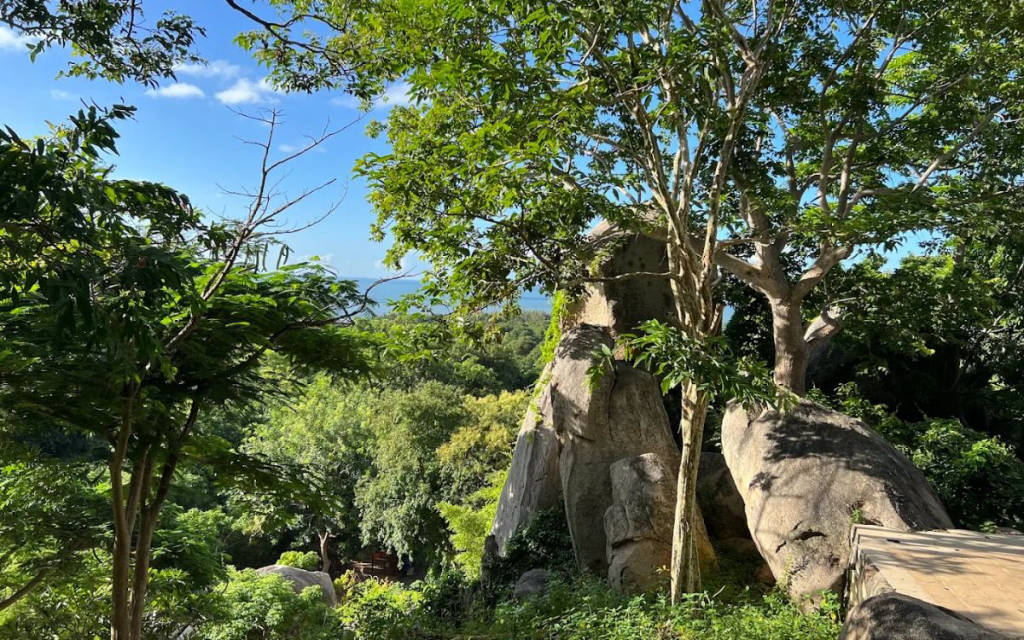
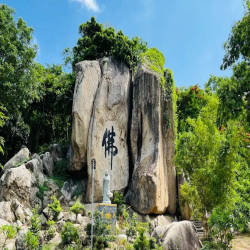
The beauty of Truc Lam Chan Nguyen lies in the perfect harmony between human craftsmanship and nature. From the monastery courtyard, the majestic rock faces of Ky Van Mountain rise like a protective screen, while in the distance stretches the breezy blue sea of Phuoc Hai. This is an ideal stop for visitors to embark on an inward journey, rediscovering the self and restoring balance amid a fast-paced life.
2. Unique highlights that create the monastery’s special appeal
It is no coincidence that Truc Lam Chan Nguyen leaves a deep impression on visitors from all directions. The monastery possesses distinctive characteristics rarely found elsewhere.
2.1. Solemn yet simple Truc Lam architecture
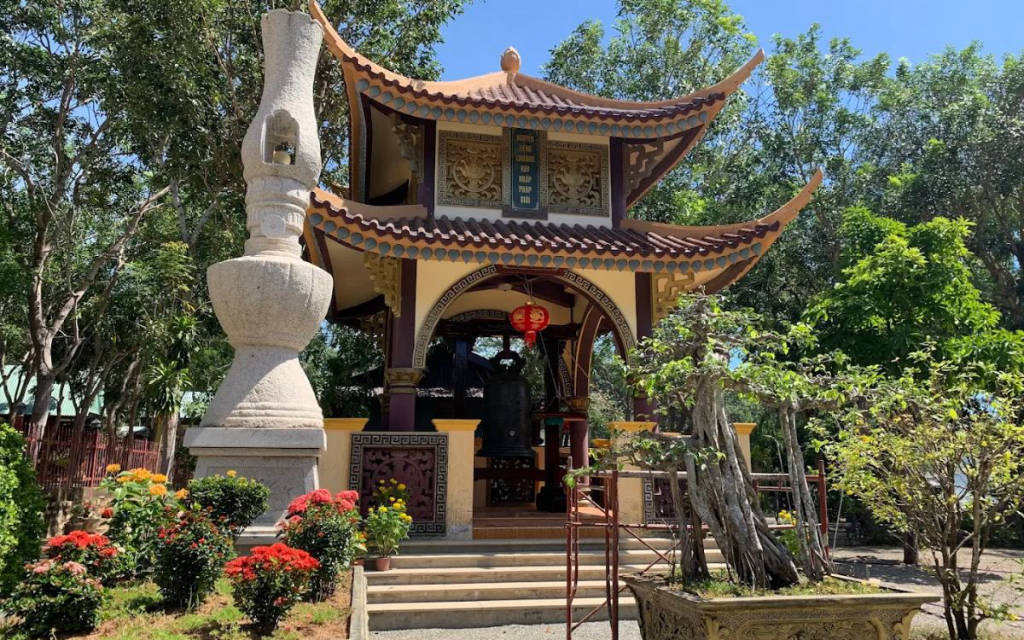
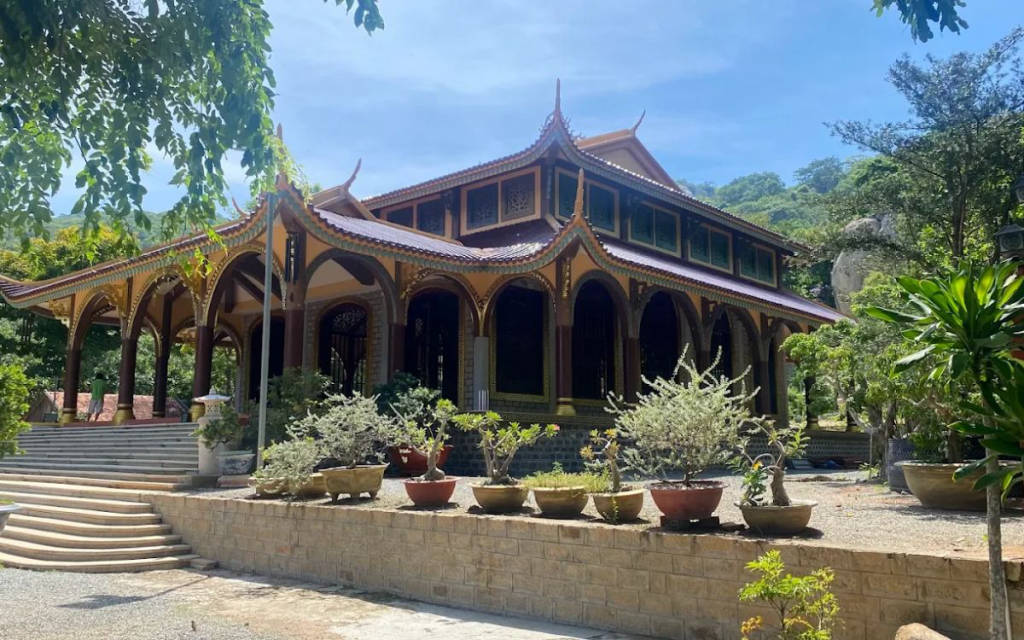
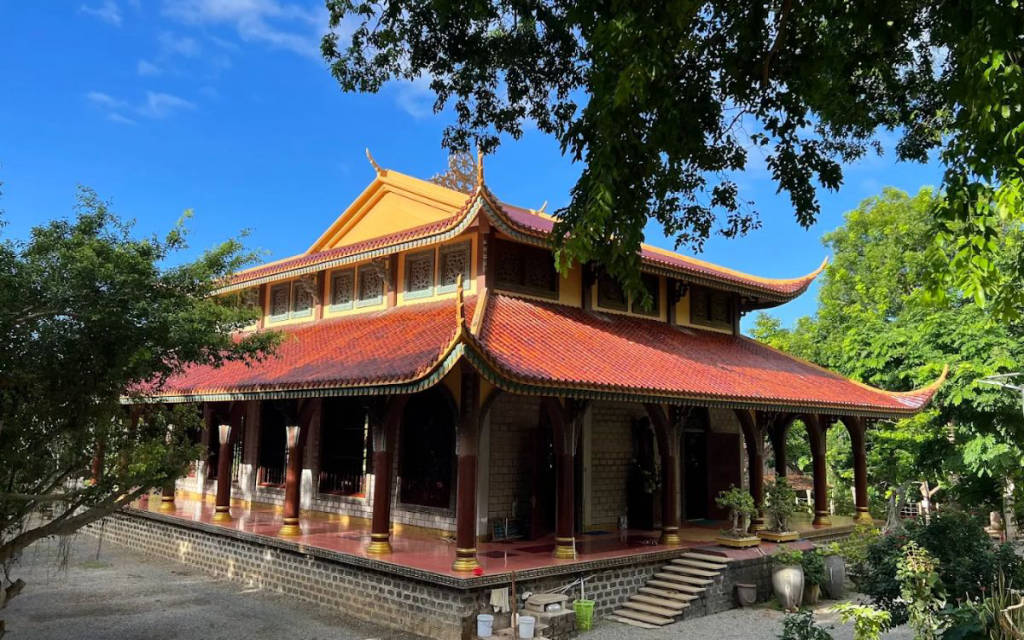
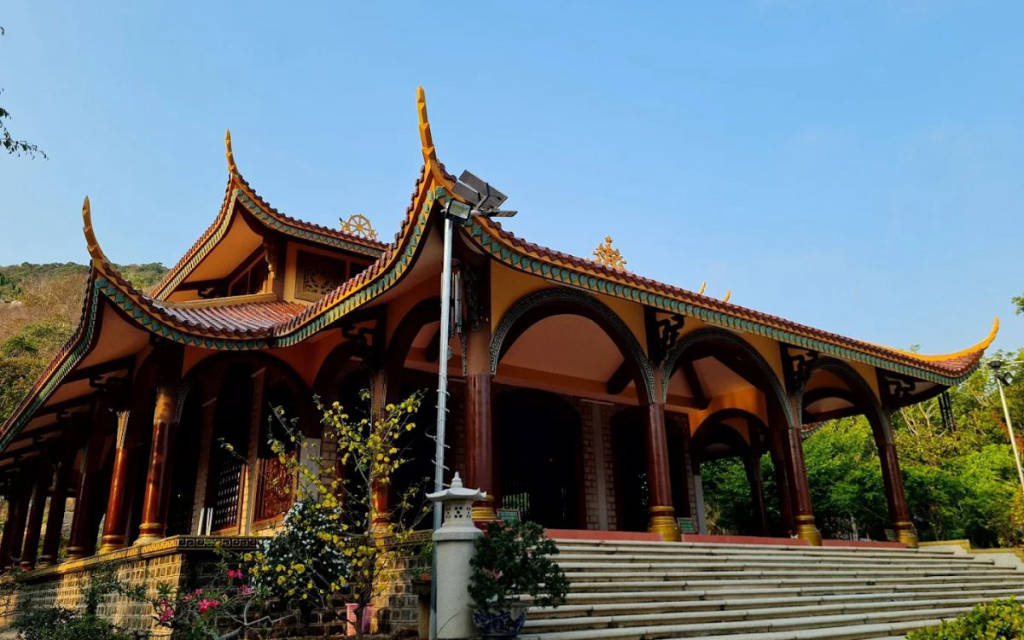
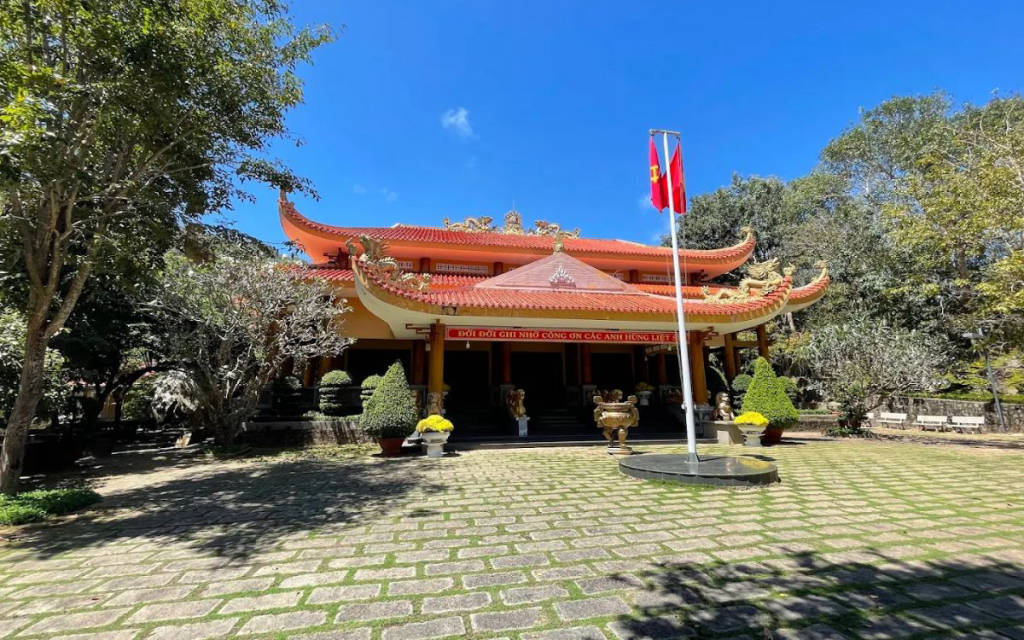
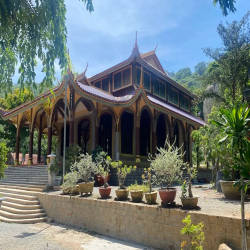
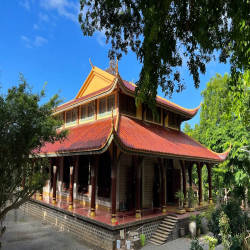
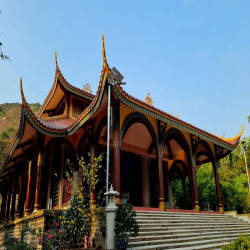
The monastery follows the characteristic architectural style of the Truc Lam Zen school, featuring dark brown tiled roofs, sturdy wooden pillars, and maximally open spaces. The main hall is dignified without extravagance, emphasizing stillness so practitioners can easily enter a meditative state. The minimalist arrangement removes material barriers, leaving only sincerity between worshippers and the Buddha.
2.2. The “Monkey Pagoda” – A remarkable symbiosis between spirituality and life
A unique feature that has made the monastery famous throughout the region is the presence of hundreds of wild monkeys living on the grounds. Cared for and protected by the monks, the monkeys are very friendly toward humans. The sight of monkeys freely playing under ancient trees or quietly sitting on rocky outcrops beside the meditation halls creates a peaceful natural scene, reminding us of equality and compassion among all sentient beings.
2.3. Cave system and uniquely shaped rock formations
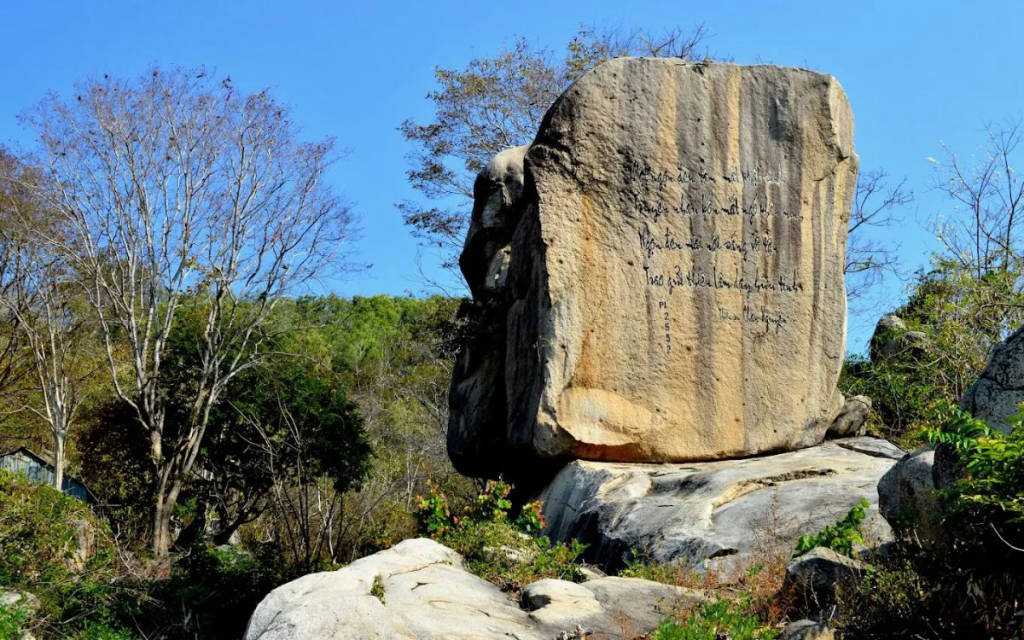
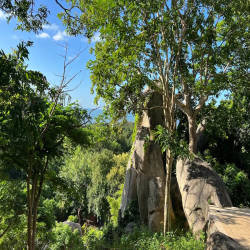
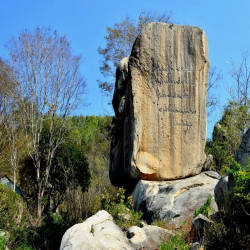
Walking through the monastery grounds, visitors will be amazed by massive natural rock formations sculpted by nature into various intriguing shapes such as turtle heads, resting elephants, and deep, narrow caves. These rocks are not merely scenic features but also places where Zen masters choose to meditate, creating a peaceful and tranquil energy that envelops the entire site.
3. Visitor information and pilgrimage guidelines
To ensure a smooth visit and preserve the inherent solemnity of the monastery, visitors should note the following information.
3.1. Opening and closing hours
The monastery warmly opens its Zen gates to welcome all who come to pay their respects:
- Opening hours: From 05:00 AM to 06:00 PM daily.
- Best time to visit: Early morning to experience the light mountain mist and birdsong, or late afternoon when the sound of temple bells echoes through the mountains.
3.2. Admission fees and website information
Truc Lam Chan Nguyen Zen Monastery is a place of pure spiritual practice, therefore:
- Admission fee: Completely free of charge. The monastery does not collect any entrance fees from visitors.
- Information: Currently, the monastery follows traditional practice and does not maintain an official website with regular updates. Visitors may find additional information through reputable travel platforms such as Vung Tau Travel or the Ba Ria - Vung Tau Tourism Information Portal.
4. Important notes when visiting the monastery
As this is a solemn place of practice, visitors are expected to follow proper etiquette to preserve the Zen atmosphere:
4.1. Dress code and behavior
Visitors should wear modest and respectful clothing (long pants and sleeved shirts). Avoid short skirts or revealing outfits that may disrupt the serenity of the monastery. When moving within the main hall and meditation areas, walk gently, speak softly, and avoid loud noises or playful behavior.
4.2. Interaction with monkeys and nature
Although the monkeys are quite accustomed to human presence, visitors should avoid teasing them excessively or feeding them inappropriate food (such as sweets or soft drinks). Please help protect the environment by not breaking branches, picking flowers, littering, and by respecting the quiet zones reserved for monks in meditation.