


See all results for ""

 Anytime
 Tiếng ViệtEnglish
 日本語
日本語 한국어
한국어 简体中文
简体中文 Français
 Deutsch
 Español
 Italiano
 Русский


 Login for Corporates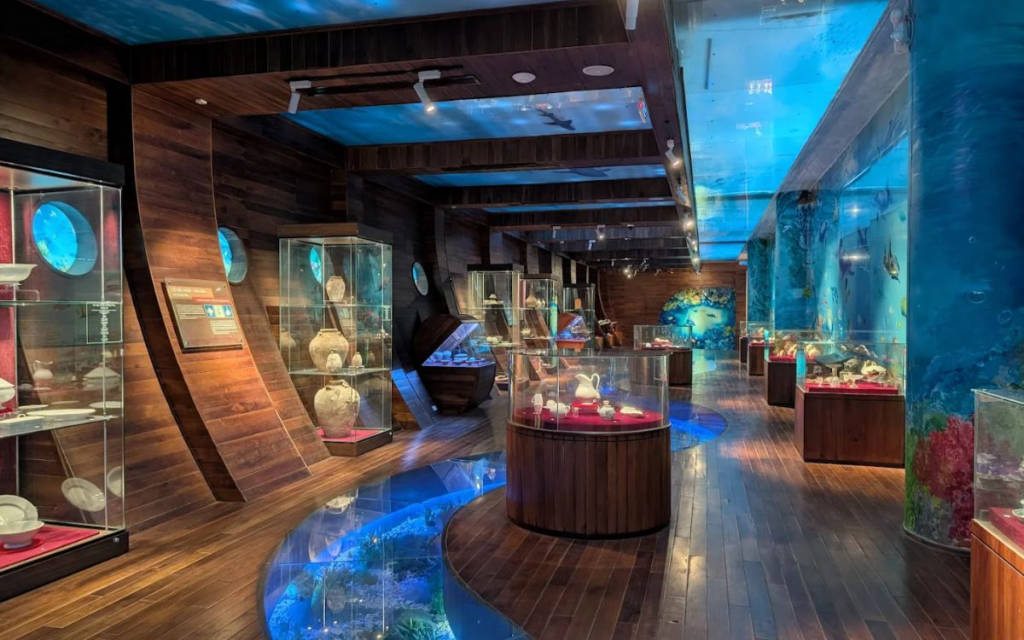
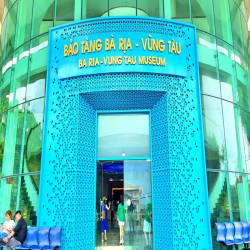
Ba Ria - Vung Tau Museum
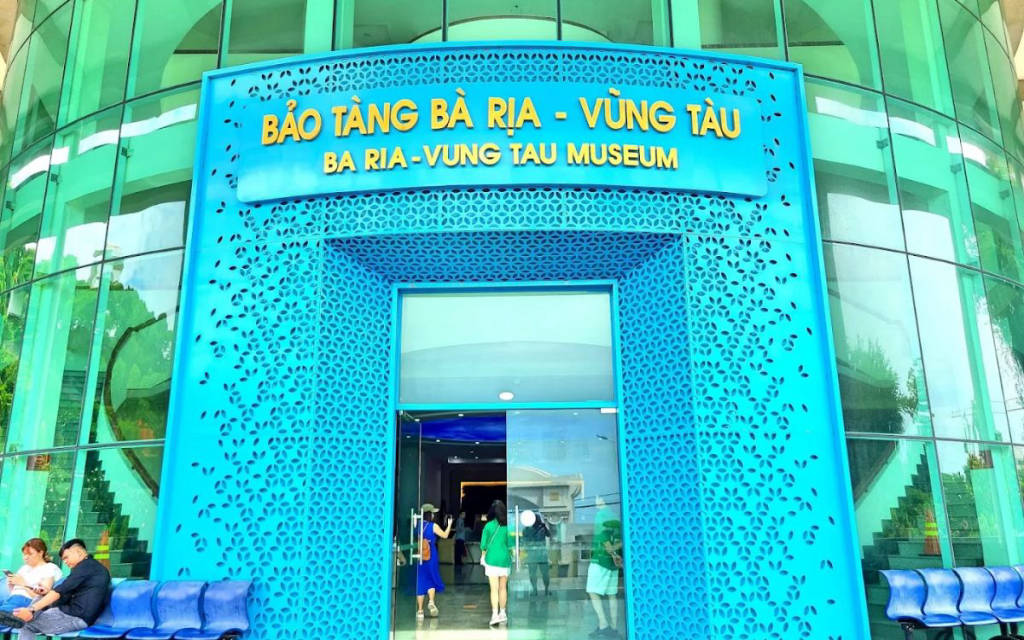
 No. 4 Tran Phu Street, Ward 1, Vung Tau City, Ba Ria - Vung Tau Province.
Explore Ba Ria - Vung Tau Museum, a modern architectural landmark housing thousands of valuable artifacts on history, culture, and relics salvaged from the ocean.
1. Overview of a heritage “treasure trove” by the seaside
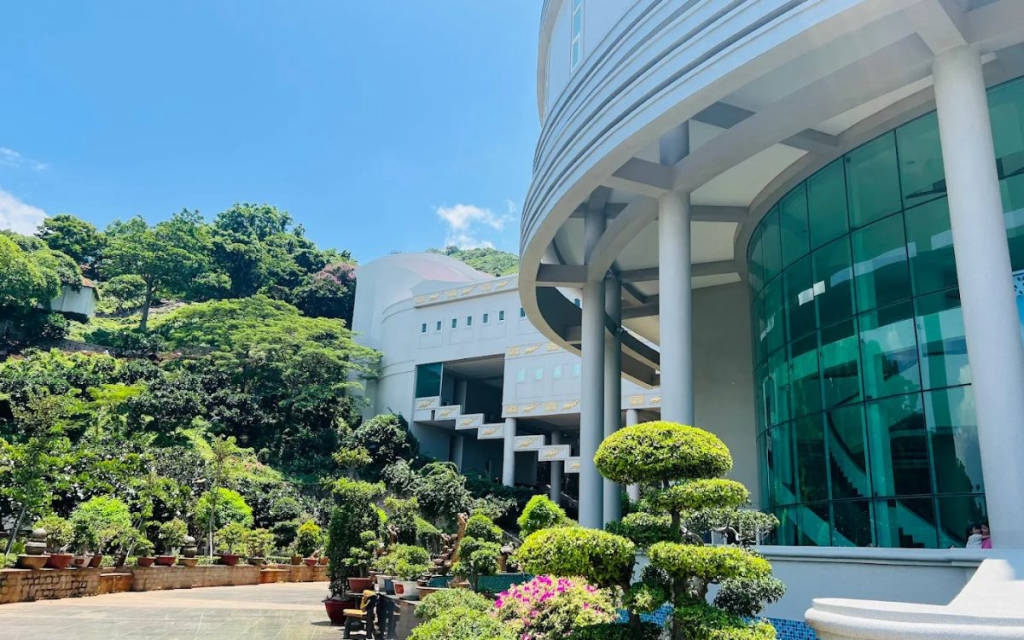
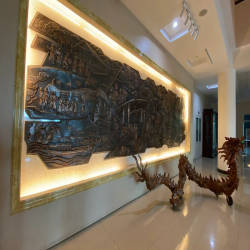
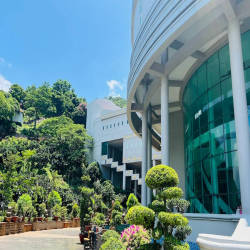
Located at a prime position along Tran Phu coastal road, one of the most beautiful seaside routes in the city, Ba Ria - Vung Tau Museum stands out with its modern architecture inspired by the image of a ship reaching out to the open sea. This is where the entire process of formation and development of Ba Ria - Vung Tau, from early beginnings to the modern industrial era, is vividly reconstructed.
With a spacious exhibition area and advanced display technologies, the museum is no longer a dry collection of walls but a dynamic experiential space. It preserves more than 28,000 valuable documents and artifacts, opening a gateway that takes visitors back in time to understand the cultural depth and resilient spirit of the local people through historical upheavals.
2. Outstanding exhibition spaces that attract visitors
Each floor of the museum represents a chapter in the chronicle of the red land, offering different emotional layers for visitors.
2.1. Collection of artifacts salvaged from the ocean floor
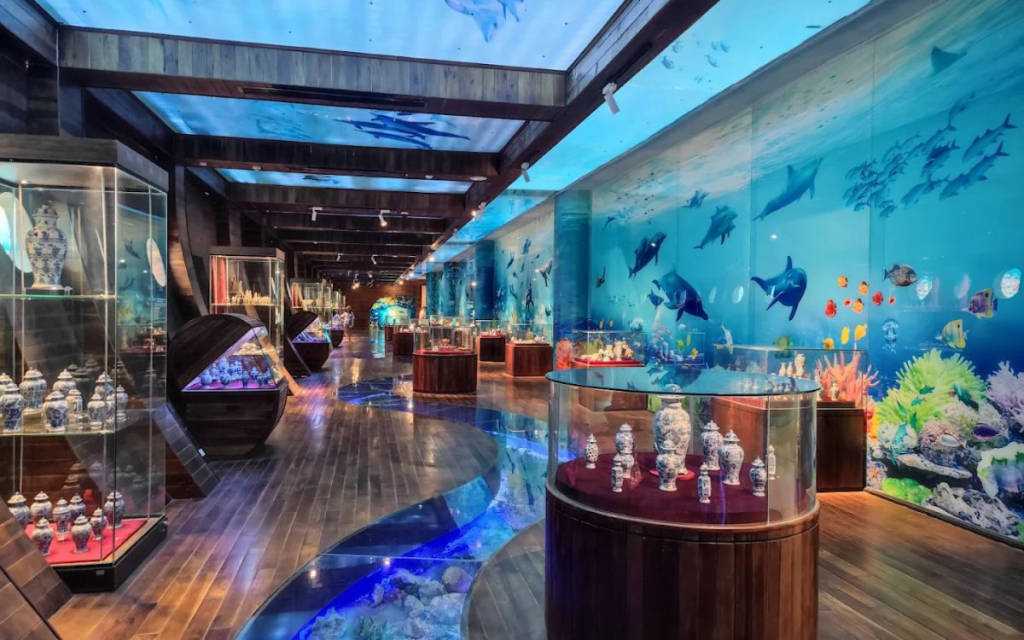
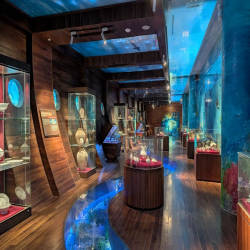
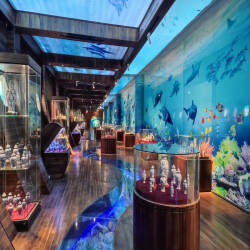
This is the museum’s signature highlight that defines its identity. Located along the “Maritime Silk Road,” Vung Tau showcases thousands of rare artifacts recovered from shipwrecks, such as Kangxi-era ceramics, bronze household items, and relics from the 17th and 18th centuries. These artifacts not only possess high economic value but also tell fascinating stories of international maritime trade hundreds of years ago.
2.2. Reenactment of resistance history and folk culture
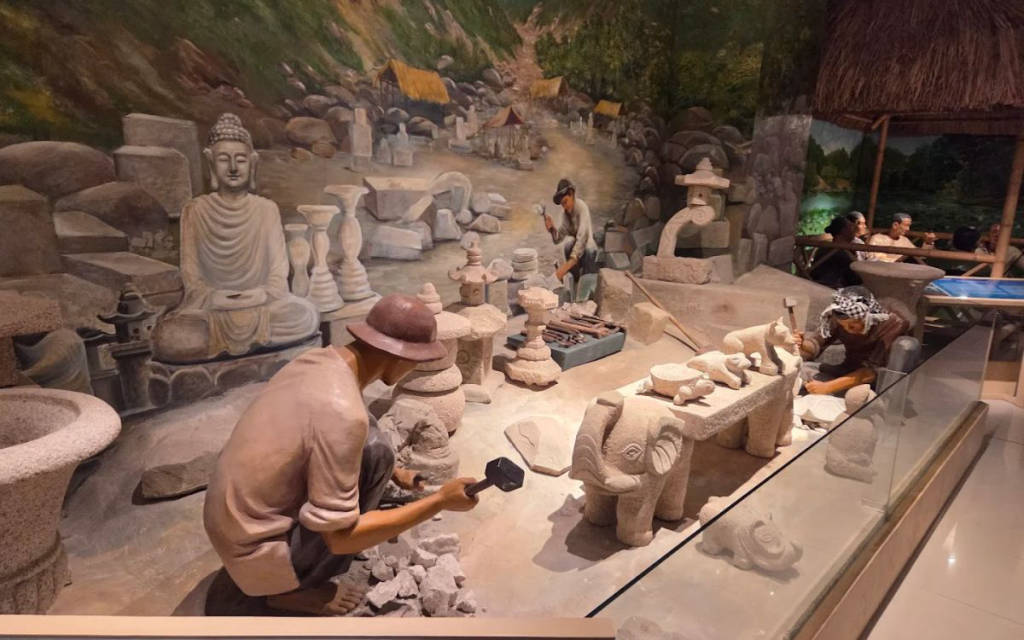
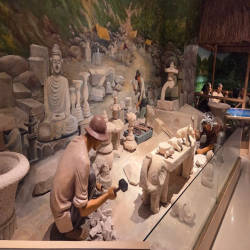
This area brings visitors back to the heroic struggles of the people and armed forces of Ba Ria - Vung Tau during the resistance wars against the French and Americans. In addition, distinctive local cultural spaces such as the Nghinh Ong Festival, salt-making, fishing traditions, and the daily life of the Cho Ro ethnic community are meticulously recreated through highly realistic dioramas and wax figures.
2.3. Development of the marine economy and oil & gas industry
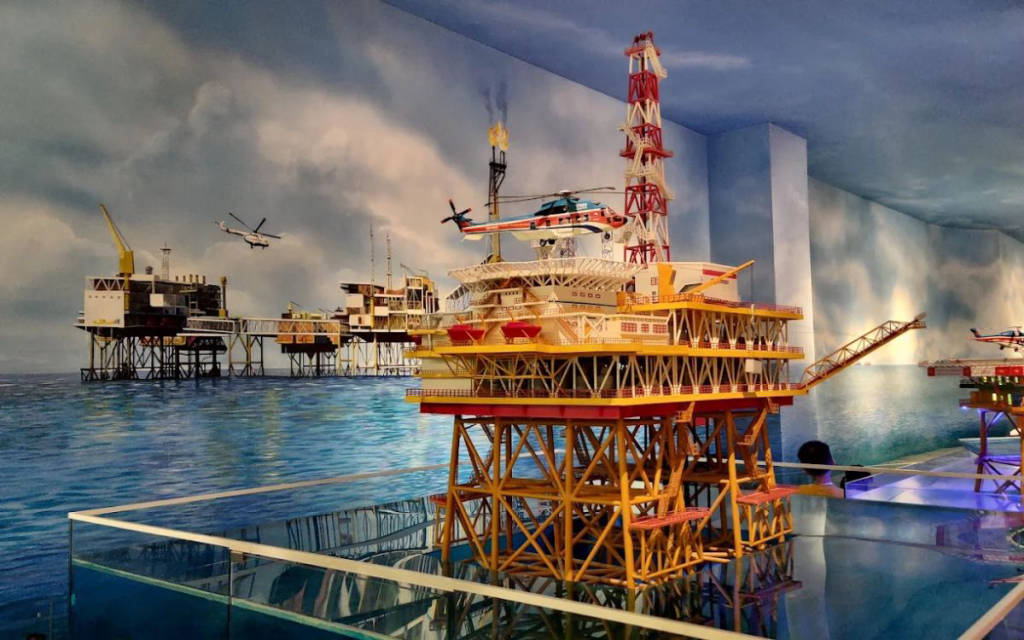
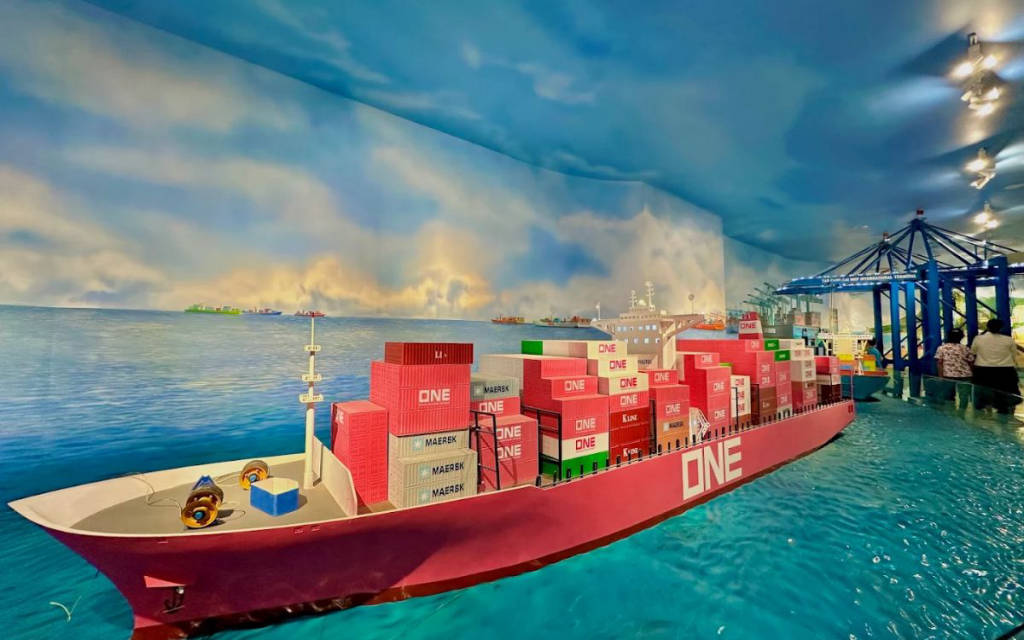
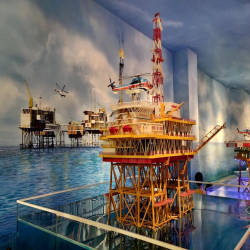
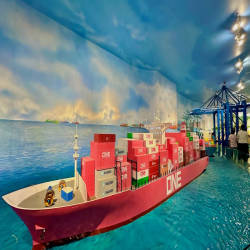
As Vietnam’s oil and gas hub, the museum dedicates an important space to introducing this specialized industry. Visitors can admire models of offshore platforms, learn about the “black gold” extraction process beneath the sea, and explore the province’s vision for sustainable marine economic development in the future.
3. Operating information and visitor policies
To make your visit more complete, please note the following details on opening hours and ticket prices.
3.1. Opening and closing hours
The museum is open to visitors every day of the week:
- Morning: From 08:00 to 11:30.
- Afternoon: From 13:30 to 17:00.
- Note: The museum is usually crowded on weekends, so visiting on weekdays is recommended for a quieter experience and better photo opportunities.
3.2. Admission fees and information sources
Currently, the museum applies a very reasonable entrance fee to ensure accessibility for all visitors:
- Adult ticket price: Approximately 40,000 VND per visit.
- Students and children: Often receive a 50% discount or free admission (depending on specific regulations at each time).
- Reference sources: You can update the latest information on the official Fanpage of Ba Ria - Vung Tau Museum or the provincial Department of Culture and Sports portal.
4. Useful tips when visiting the museum
For an enjoyable and respectful heritage exploration, visitors should keep the following in mind:
4.1. Photography rules and artifact preservation
The museum features many elegant European-style architectural corners ideal for check-in photos. However, in areas displaying rare artifacts, please follow posted signs regarding flash photography and strictly avoid touching the exhibits to prevent damage.
4.2. Ideal visiting duration
You should allocate at least 1.5 to 2 hours to leisurely explore all floors of the museum. After your visit, you can take a stroll across the street by the sea to enjoy the breeze or visit Bach Dinh (White Palace), another famous historical site located just a few steps away.