


See all results for ""

 Anytime
 Tiếng ViệtEnglish
 日本語
日本語 한국어
한국어 简体中文
简体中文 Français
 Deutsch
 Español
 Italiano
 Русский


 Login for Corporates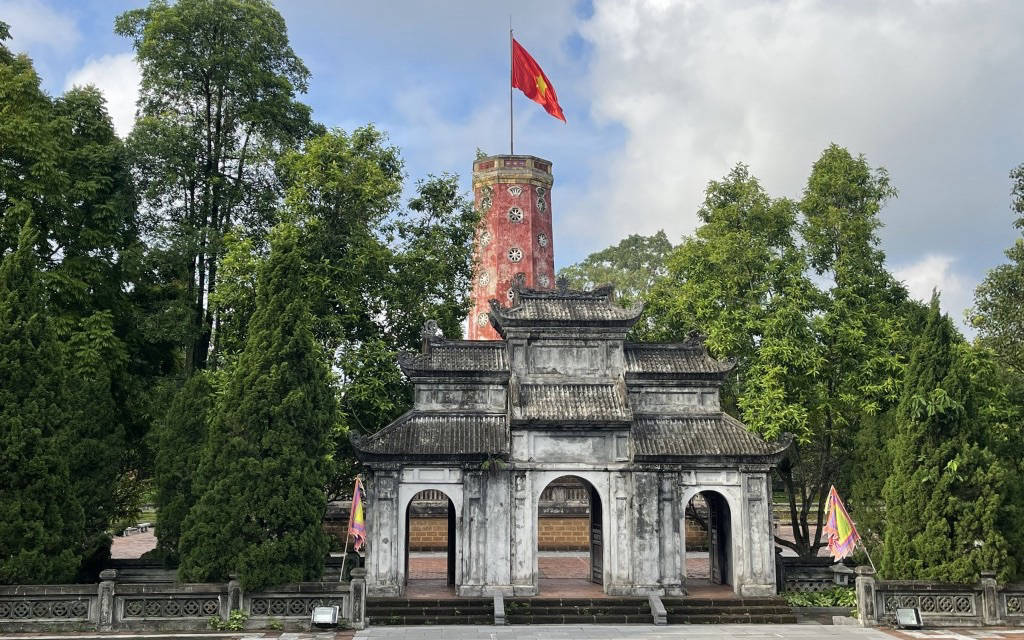
Son Tay Citadel, Hanoi.
 Thành cổ Sơn Tây, Hoàng Diệu, Lê Lợi, Sơn Tây, Hà Nội, Việt Nam
The capital city of Hanoi is famous for its historical sites, including the Thang Long Imperial Citadel and Co Loa Citadel. Among these, Son Tay Citadel stands out with its unique and ancient architecture. With a rich history, Son Tay Citadel is an ideal destination for those who love to explore Vietnam’s history and culture.
Historical Development
Son Tay Citadel originated from the Son Tay district, established in 1831 during the reign of King Minh Mang. In 1461, under King Le Thanh Tong, the administrative unit known as ""Son Tay Thua Tuyen"" was officially created. Initially, the district headquarters was located in La Pham village, later relocated to a higher area due to flooding.
In 1822, the district headquarters moved to the central location of modern Son Tay town, marking the area’s growth in Vietnam’s history. The citadel was constructed in a quadrilateral shape, surrounded by deep and wide moats, creating a solid defense system.
Distinctive Architecture
Son Tay Citadel features many important architectural works symmetrically aligned along a north-south axis. According to the ""Son Tay Geography"" by Pham Xuan Do, the citadel stands 5 Tây inches high with a circumference of 1,304 Tây inches. The citadel gates were built in a semi-circular shape, contributing to its unique beauty.
Inside the citadel, there were once numerous structures such as the governor's residence and granaries. Today, only the Vong Palace, Martial Arts Temple, and Water Tower remain. A notable feature is the Vong Tower, standing 18 Tây inches high, built in 1822, which previously housed an electric horn to signal time to residents.
Historical Turmoil
Son Tay Citadel has witnessed many ups and downs throughout history. In 1884, it was occupied by French forces, and in 1924, it was officially recognized as a historical site. In 1994, the Ministry of Culture and Information classified this citadel as a valuable historical and cultural monument.
In 2009, the Hanoi People’s Committee decided to restore and renovate the site to celebrate the 1,000th anniversary of Thang Long – Hanoi, preserving the cultural and historical values of the citadel.
Tourism and Exploration
Today, Son Tay Citadel is not only a prime travel destination but also a place that preserves unique cultural and historical values. Visitors can freely explore the distinctive architectural works, learn about the history, and immerse themselves in the ancient atmosphere of the site.
Come to Son Tay Citadel to embark on a journey of discovery and experience the historical values that this remarkable place has to offer!