


See all results for ""

 Anytime
 Tiếng ViệtEnglish
 日本語
日本語 한국어
한국어 简体中文
简体中文 Français
 Deutsch
 Español
 Italiano
 Русский


 Login for Corporates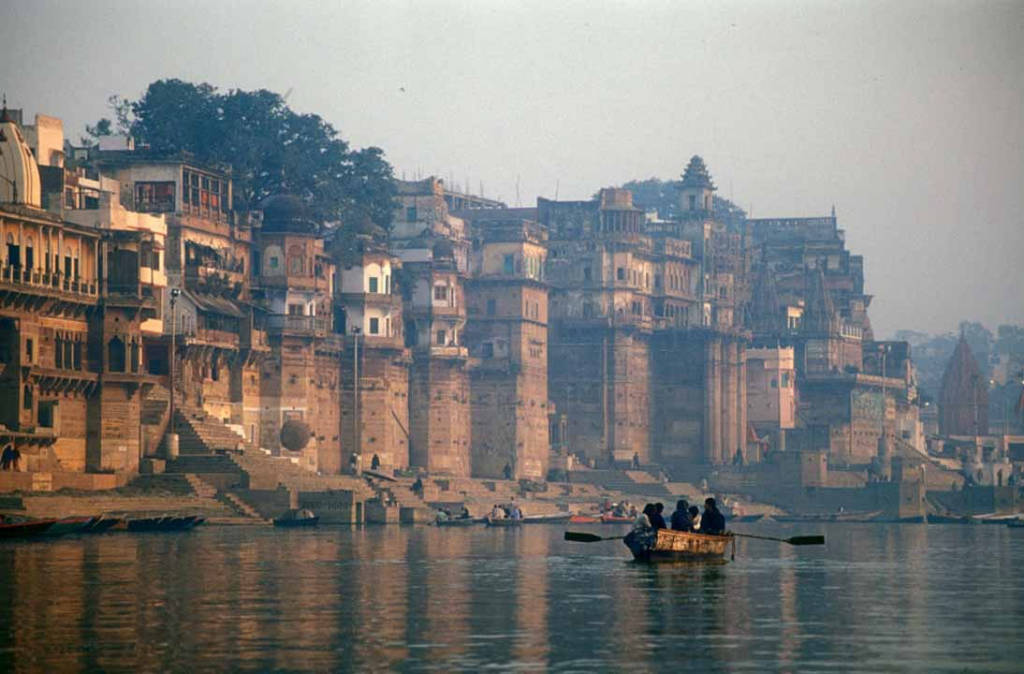
Ganges River
 Varanasi, Uttar Pradesh, India
Located in the Himalayas and flowing more than 2,500 km through India and Bangladesh before emptying into the Bay of Bengal, the mighty Ganges River is the world's third largest river after the Amazon and Congo. The places where the Ganges flows like Kannauj, Kampilya, Allahabad, Patna, Bhagalpur, Murshidabad, Baharampur, Kolkata and Dhaka… But nowhere is the Ganges more famous than the holy city of Varanasi in Uttar Pradesh.
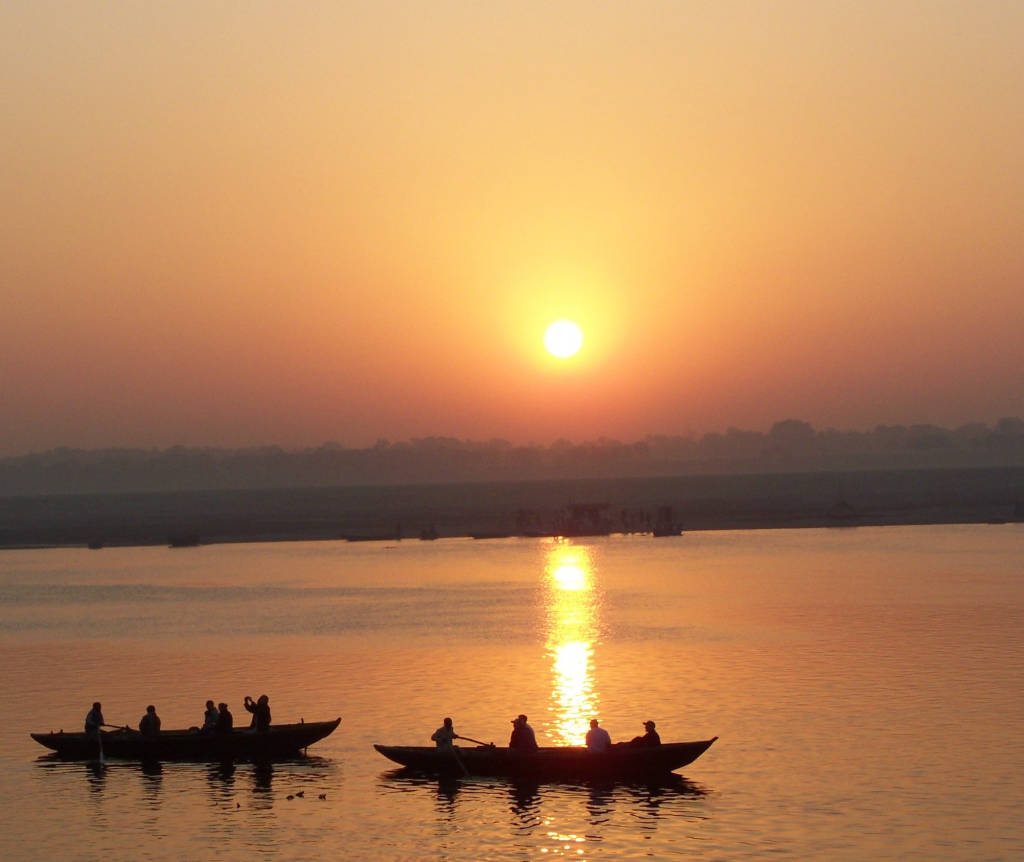
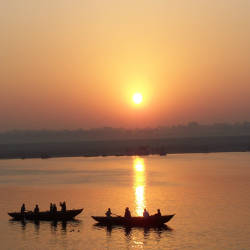
The Ganges is the most sacred river for Hindus, who believe it flows from heaven to purify people. It is also a lifesaver for millions of Indians who depend on it for their daily needs. And its importance in every sense - spiritually, economically and politically. And the city of Varanasi, the “City of Life” is one of the oldest continuously inhabited cities in the world and visitors can experience the essence of Varanasi with a sunrise cruise along it. Ganges River.
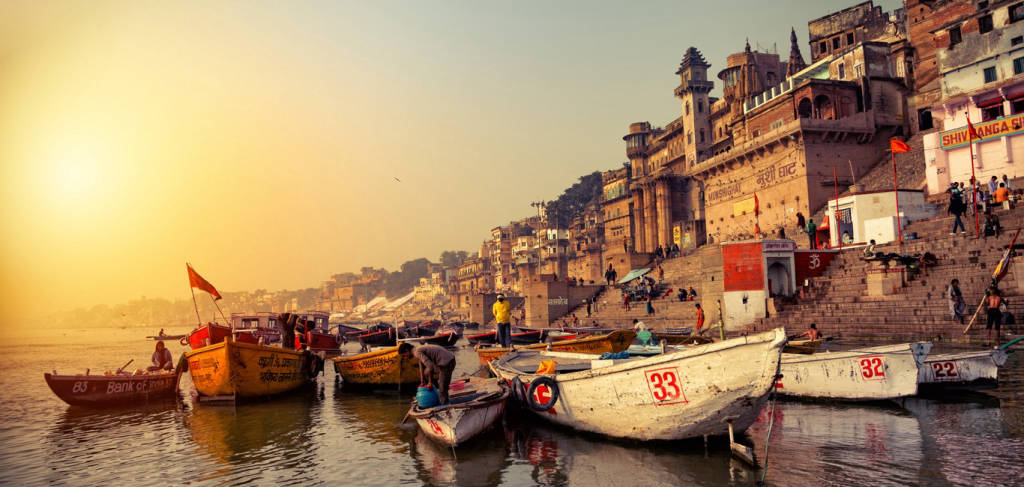
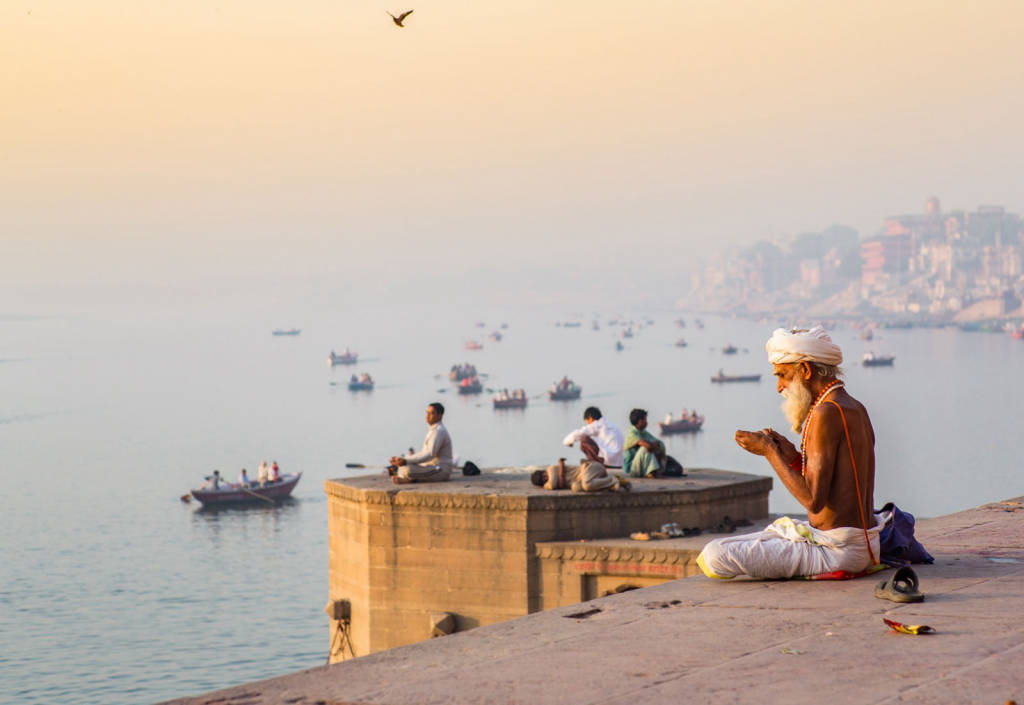
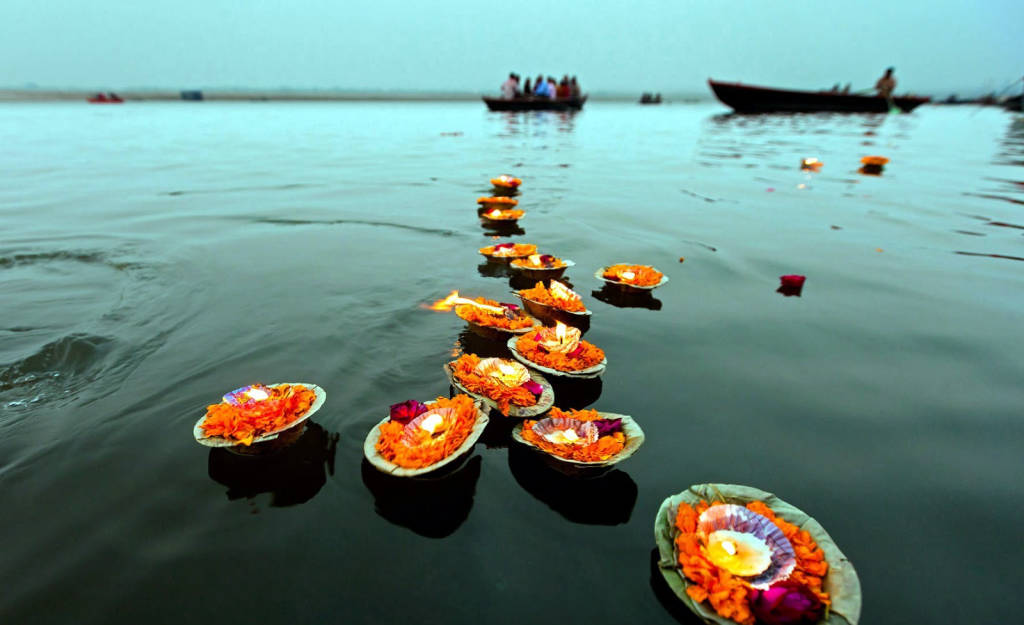
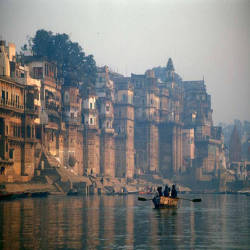
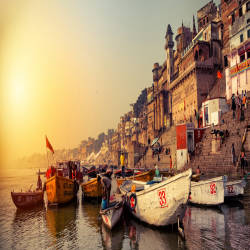
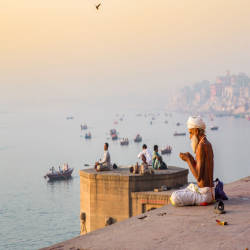
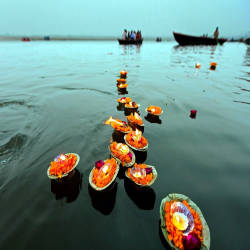
The great riverbanks are built high with pavilions from the 18th and 19th centuries and palaces, temples and terraces. As dawn blankets everything in a crimson light, there's excitement and commotion at the riverside temples and ghats - stone steps that lead down to the water - as locals come to the steps to offer prayers and flowers to the river. There were about a hundred ghats, large and small, attended by many early morning bathers, Brahmin priests offering pujas, and others practicing meditation and yoga.
Hindus consider the Ganges to be the elixir of life, bringing purity to the living and saving the dead. But the well-documented fact is that the river is heavily polluted, in some places more than 100 times the official limit set by the Government of India. Pollution not only threatens humans but also endangered fish, amphibians and Ganges dolphins. Therefore, tourists are always advised not to participate in bathing in the Ganges with locals.
Opening hours: 24/24