


See all results for ""

 Anytime
 Tiếng ViệtEnglish
 한국어
한국어 日本語
日本語 简体中文
简体中文 Français
 Deutsch
 Español
 Italiano
 Русский


 Login for Corporates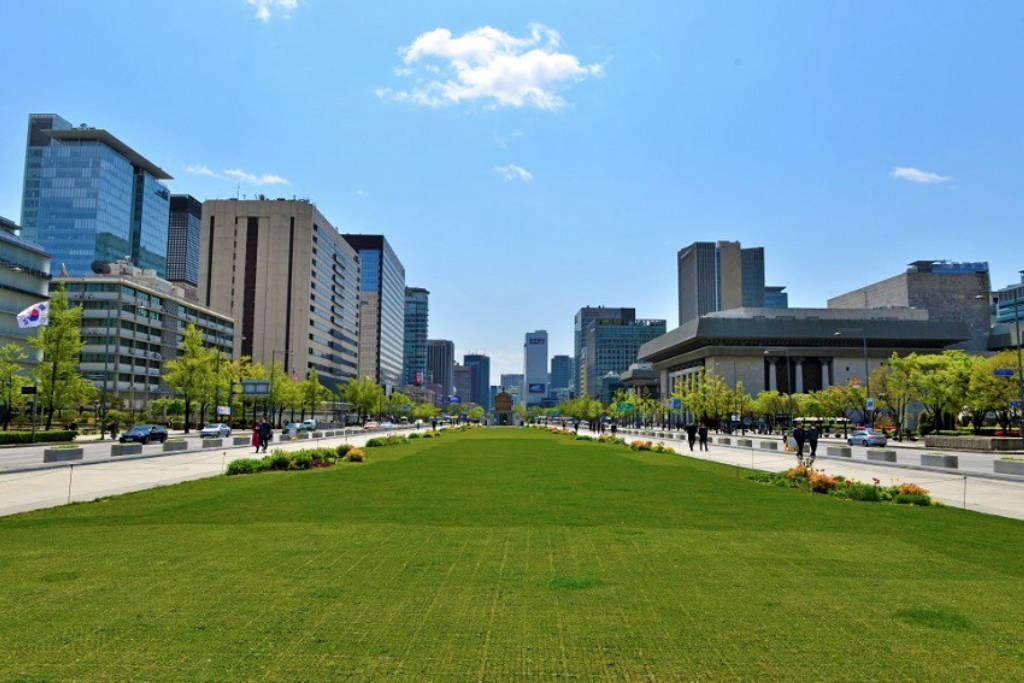
Gwanghwamun Square - Gwanghwamun Square - Seoul - South Korea
 지하172 Sejong-daero, Jongno-gu, Seoul, South Korea
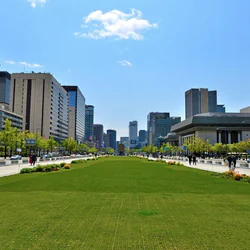
Gwanghwamun Square is the largest and most beautiful square located at Sejongno Street, Jongno-gu, Seoul, South Korea. It is famous for its statue of the most respected king in the Joseon Dynasty - King Sejong. The square was opened on August 1, 2009 by the Seoul government and is part of an eco-friendly renovation project that includes Cheonggye Stream and Seoul Square.
Gwanghwamun Square is the largest and most beautiful square located at Sejongno Street, Jongno-gu, Seoul, South Korea. It is famous for its statue of the most respected king in the Joseon Dynasty - King Sejong. The square was opened on August 1, 2009 by the Seoul government and is part of an eco-friendly renovation project that includes Cheonggye Stream and Seoul Square.
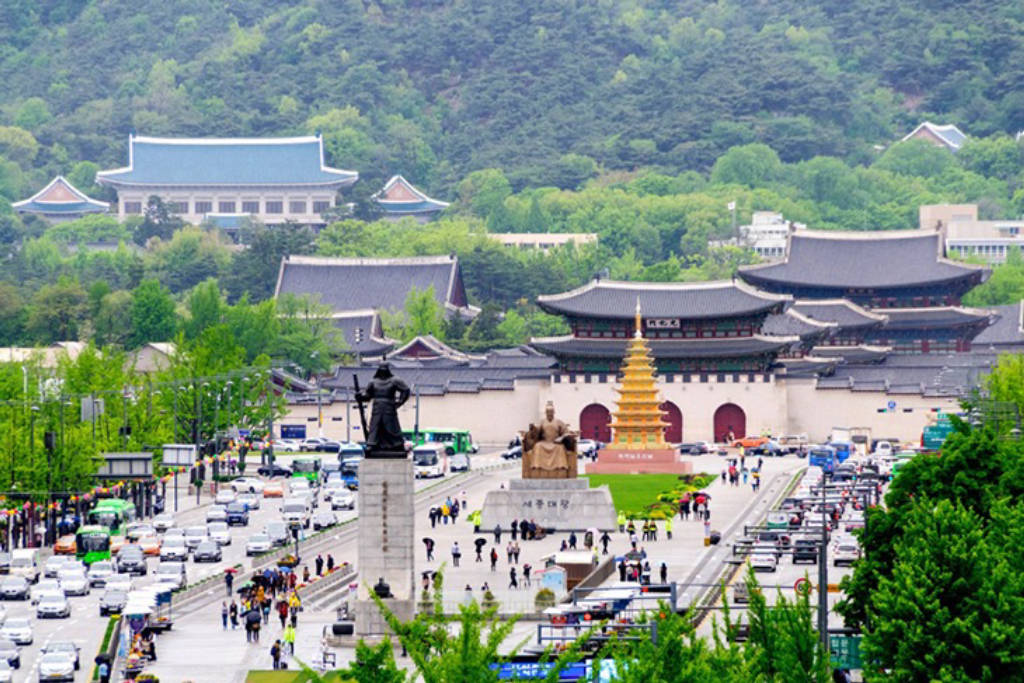
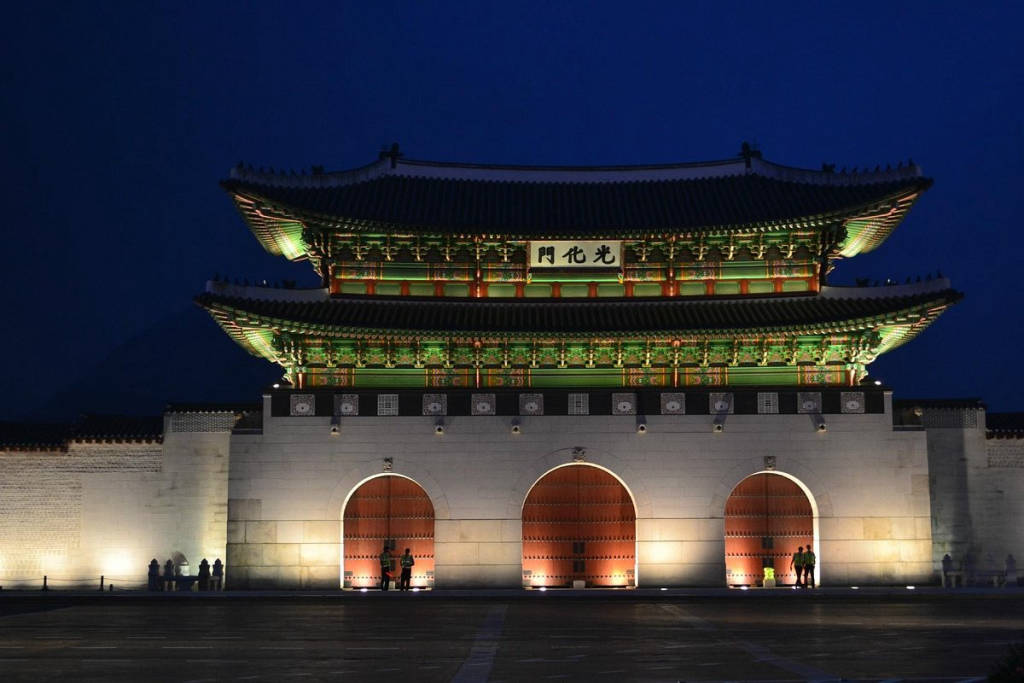
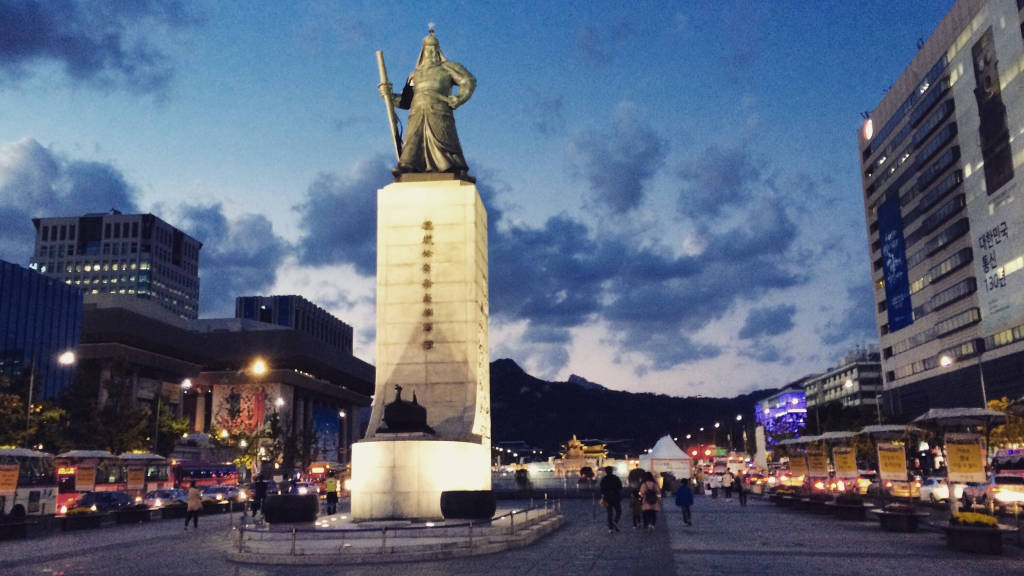
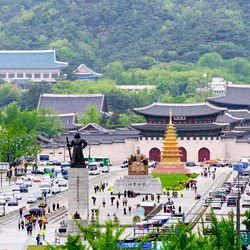
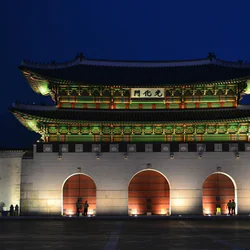
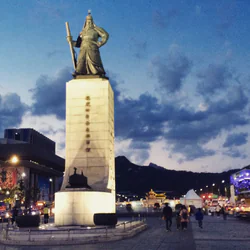
In front of the square's main door is a statue of King Sejong - the fourth and greatest king of the Joseon Dynasty, the creator of Hangul (the Korean alphabet) that is commonly used today, and Behind is Gyeongbok Palace - The main palace of the five palaces in Seoul. In particular, the statue of General Lee Sung Shin is the leading statue in this Gwanghwamun Square, because he made a great contribution to the victory over the Japanese with the successful construction of the turtle boat. Gwanghwamun has a unique feature that attracts visitors as both sides of the square are new and modern buildings, in contrast to an ancient square. That makes visitors temporarily forget about the distance of space and time, as well as the change of generations, or the difference in ancient and modern architectural styles.
Gwanghwamun Square is divided into 6 main areas, the central area is two statues of King Sejong and General Lee Sun Shin located on a straight road towards Namdaemun. In addition, the square also has a fountain 12.23 with many colors 364 m high, this fountain was built to commemorate the feat of General Lee Sun Shin in the naval battle with the Japanese army. The two east and west sides of the square are an underwater walkway 1m wide, 2cm underwater and the length of each walkway is about 365m. The east side of Gwanghwamun Square is clad with 627 stones along the flooded walkway because it is associated with many significant historical events that took place from 1392, the beginning of the establishment of the Joseon Dynasty to its completion and inauguration. into this central square of Gwanghwamun. The West Passage has also been prepared with stones to be ready to mark important events in the future. These two underwater passages meet at Sejongno Road and merge into one through a glass tunnel before merging into the Cheonggyecheon Stream. Gwanghwamun Square is the most popular tourist attraction in Seoul today because it regularly holds large charity fairs, as well as outdoor performances. Visitors can take a stroll to admire the scenery, or buy and sell goods at the market and enjoy the traditional art stage.