


See all results for ""

 Anytime
 Tiếng ViệtEnglish
 한국어
한국어 日本語
日本語 简体中文
简体中文 Français
 Deutsch
 Español
 Italiano
 Русский


 Login for Corporates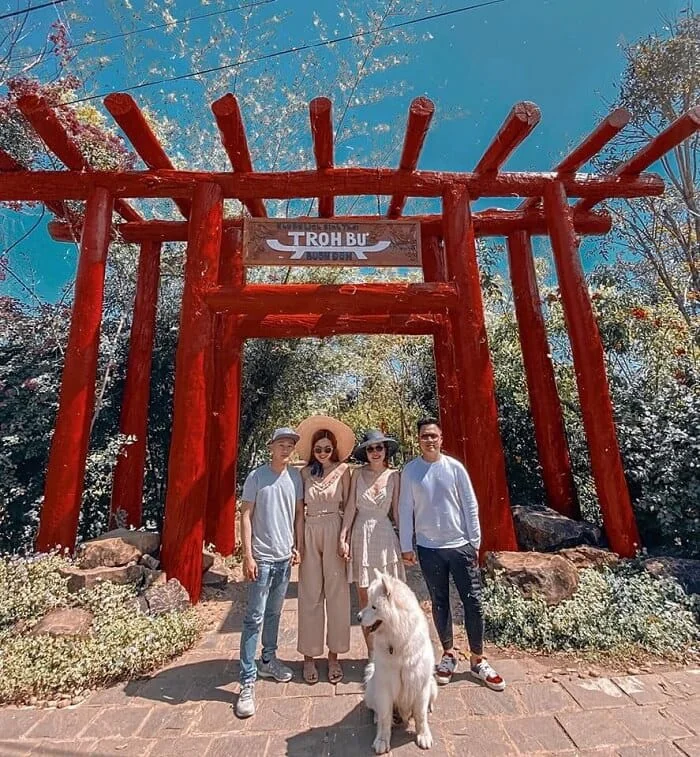
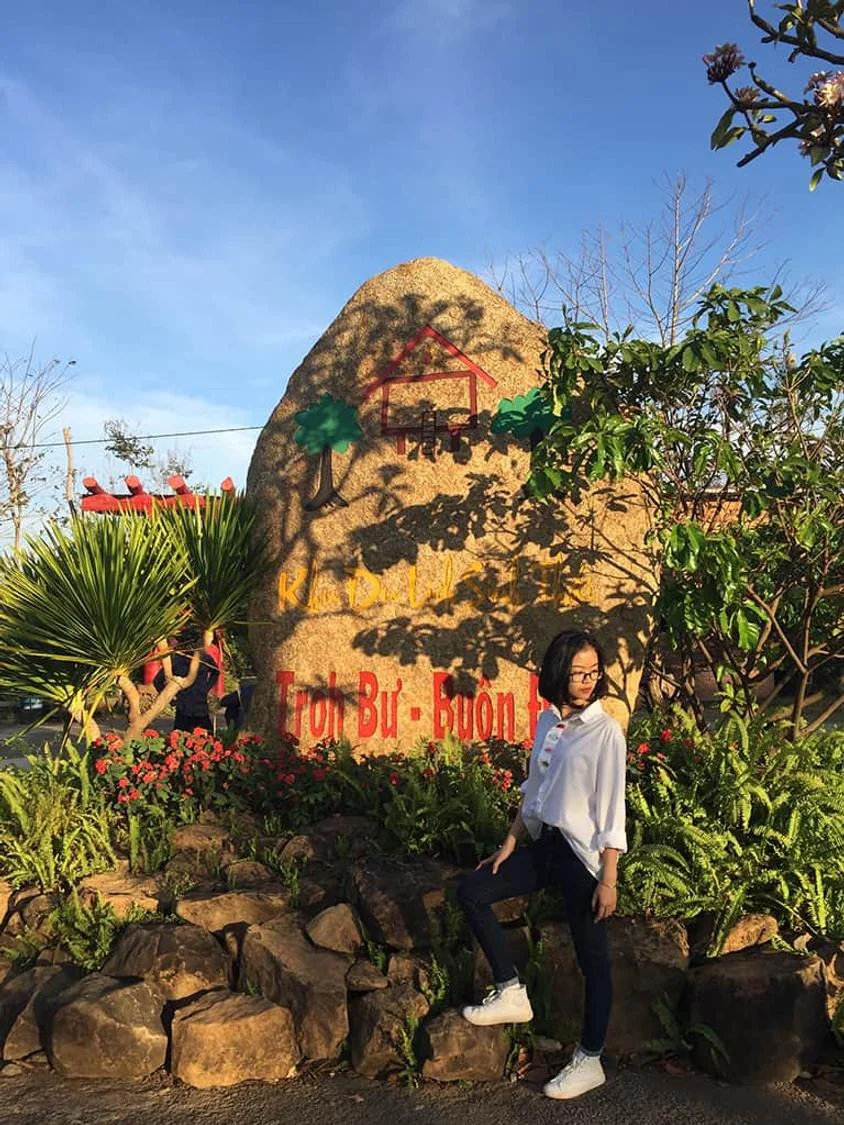
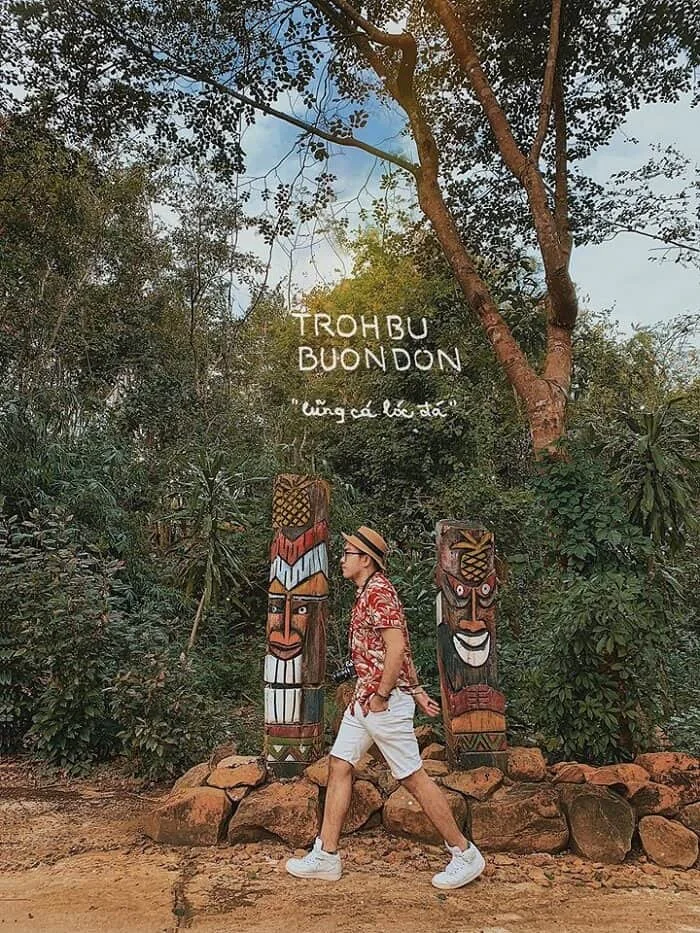

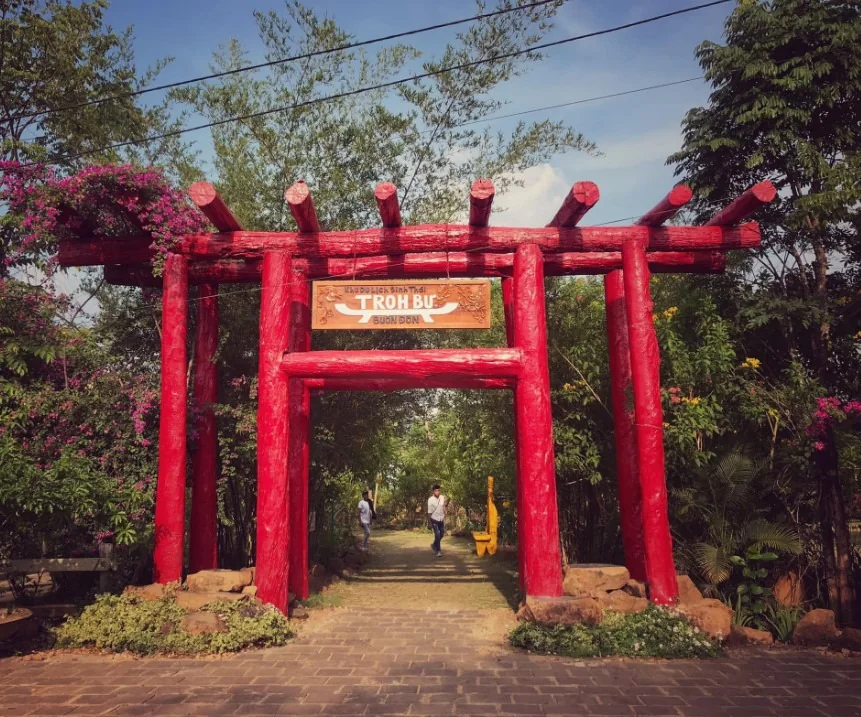


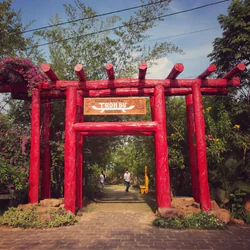
Khu du lịch sinh thái Troh Bư
 Buôn Niêng 3, Xã Ea Nuôl, Buôn Đôn, Buôn Ma Thuột, Việt Nam
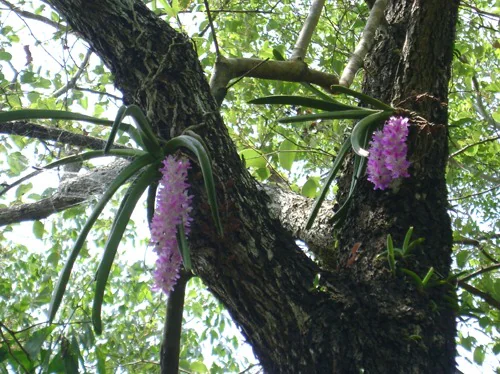
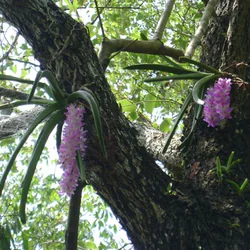
Khu du lịch sinh thái Troh Bư nằm ở địa phận Buôn Niêng, xã Ea Nuôl, huyện Buôn Đôn, cách Buôn Ma Thuột hơn 10 km về phía Tây theo đường Nguyễn Thị Định (tỉnh lộ 1) đi Buôn Đôn. Đây là một vườn thực vật tư nhân, được xây dựng theo mục tiêu chính là bảo tồn các loài lan rừng tự nhiên Việt Nam vùng cao nguyên.
Theo tiếng Ê Đê thì Troh Bư có nghĩa là “lũng cá lóc đá”. Theo lời các người già Ê Đê kể lại, xưa kia tại vùng đất nọ có một lần Giàng làm khô hạn, mấy năm liền không cho một giọt mưa. Đất đai nứt nẻ không còn trồng tỉa được, người dân trong làng phải đi rất xa mới tìm được nước dưới những lòng suối sâu. Chợt một sáng nọ, họ thấy trước mặt có một vùng cây xanh tốt, mọi người không ai bảo ai cùng nhanh chân bước. Đến nơi, họ thấy đó là một khu rừng đất đai màu mỡ, cây cối tốt tươi. Lúc ấy, trời đã quá trưa, họ dừng chân ở một nguồn suối nhỏ bên một thung lũng lấp xấp nước, trong lúc tìm cái lót dạ, họ bỗng phát hiện trong thung lũng kia có rất nhiều cá lóc suối sinh sống. Mọi người lấy làm vui mừng, cùng nhau be bờ, tát cá, khi nước cạn, họ bỗng lấy làm lạ vì cá ở đâu cứ như từ dưới đất chui lên, bắt mãi mà chẳng hết. Rồi họ phát hiện quanh đó có rất nhiều những nguồn nước mạch chảy tự nhiên, thật trong lành, mát ngọt; lại còn có cả một dòng suối lớn quanh năm đầy nước thật thuận tiện cho việc lập buôn làng mới. Cho rằng Giàng đã giúp mình, cả làng quyết định dừng chân cúng tạ và bắt tay vào việc lập buôn làng mới. Họ đặt tên cho buôn mới là Buôn Niêng và gọi dòng suối chảy qua làng là suối EaNuôl, còn thung lũng đầy cá lóc suối đã nuôi sống lũ làng khi mới đến kia là Troh Bư.
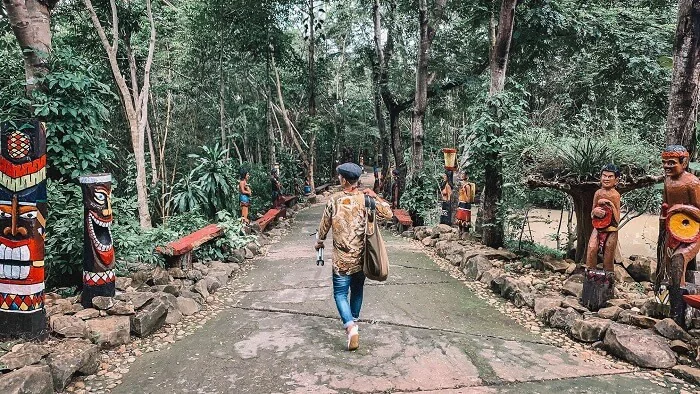
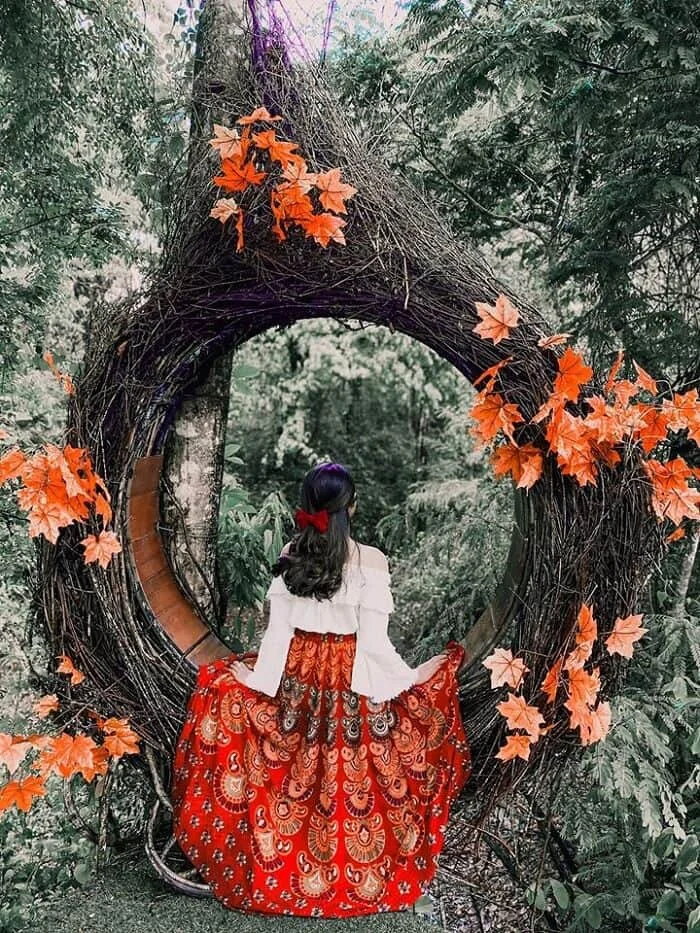
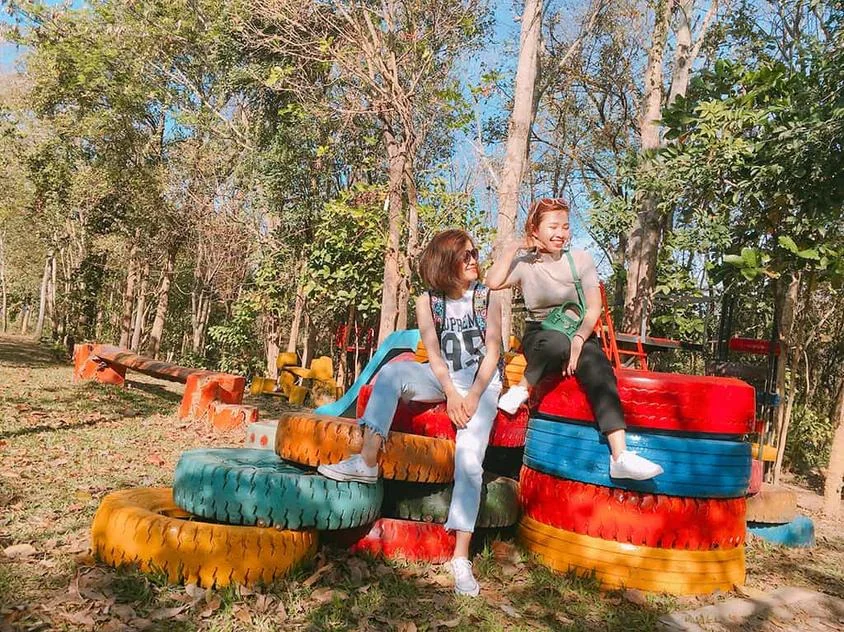
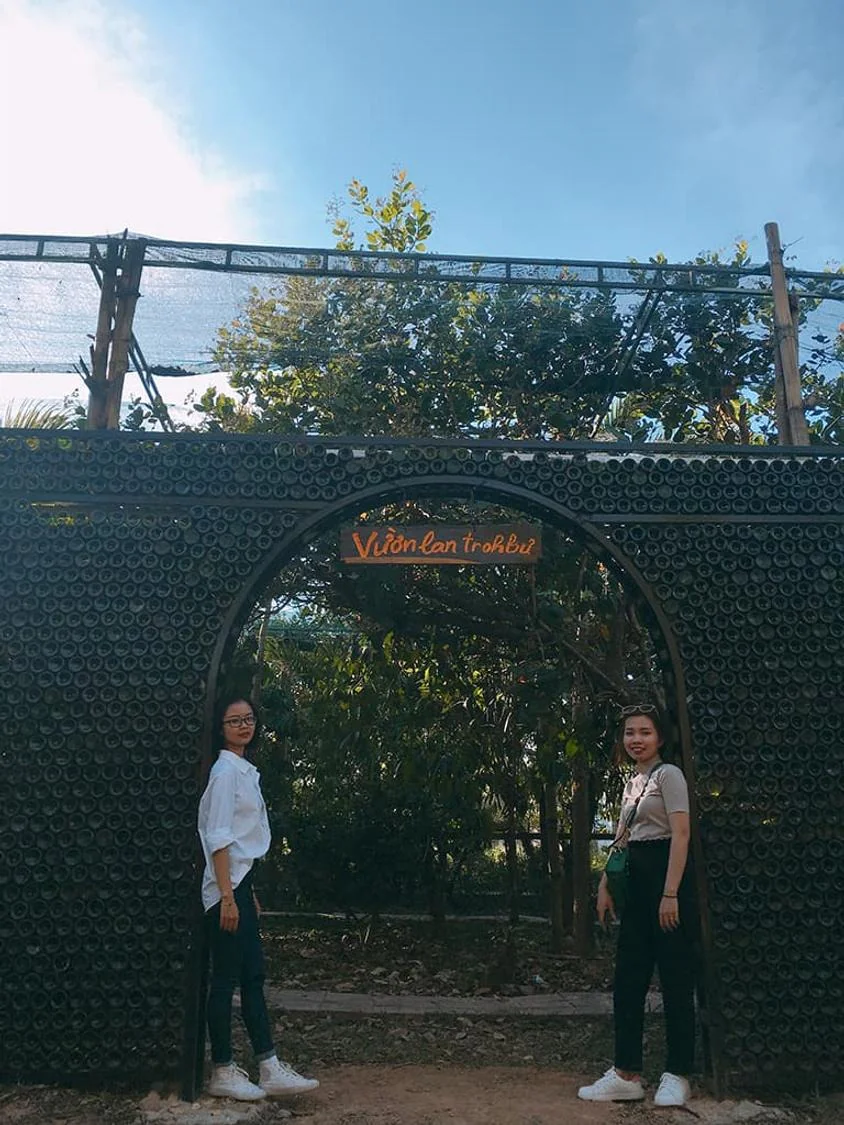
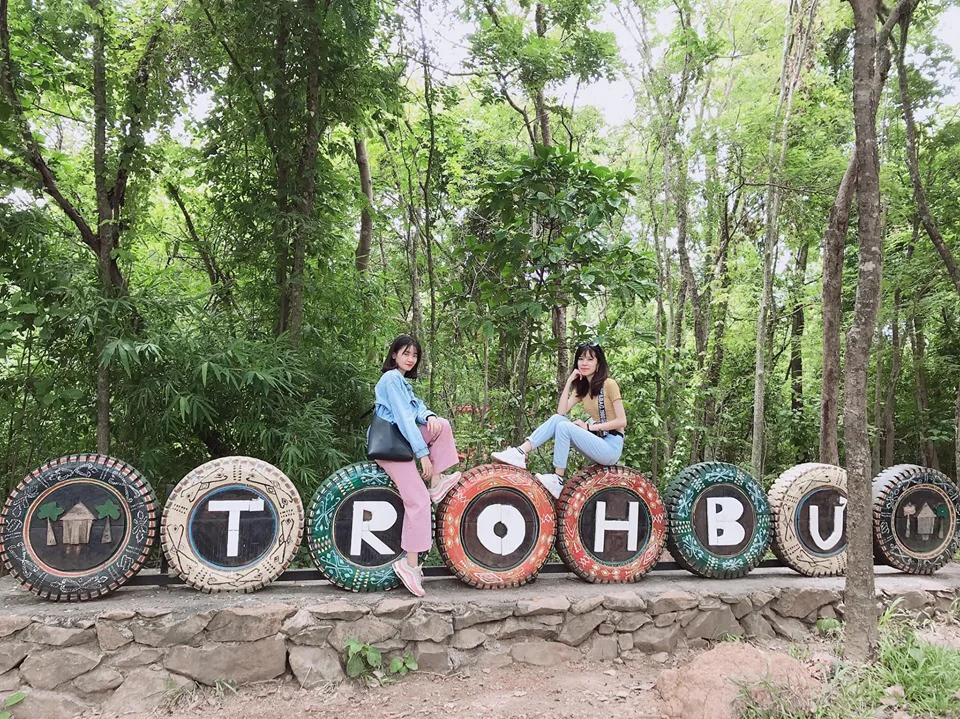
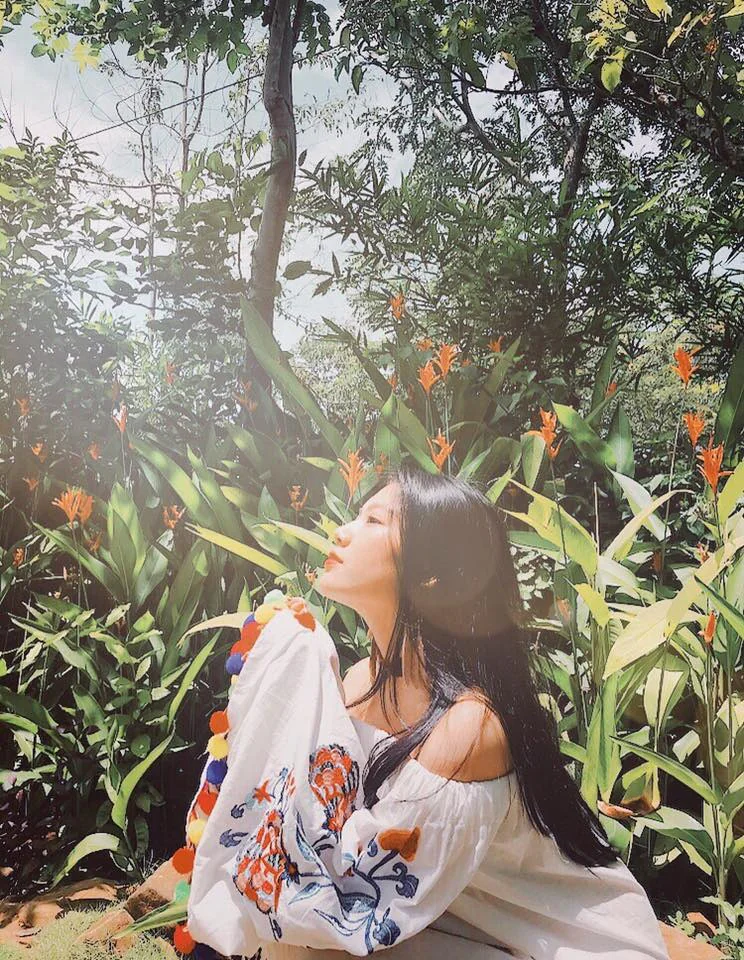
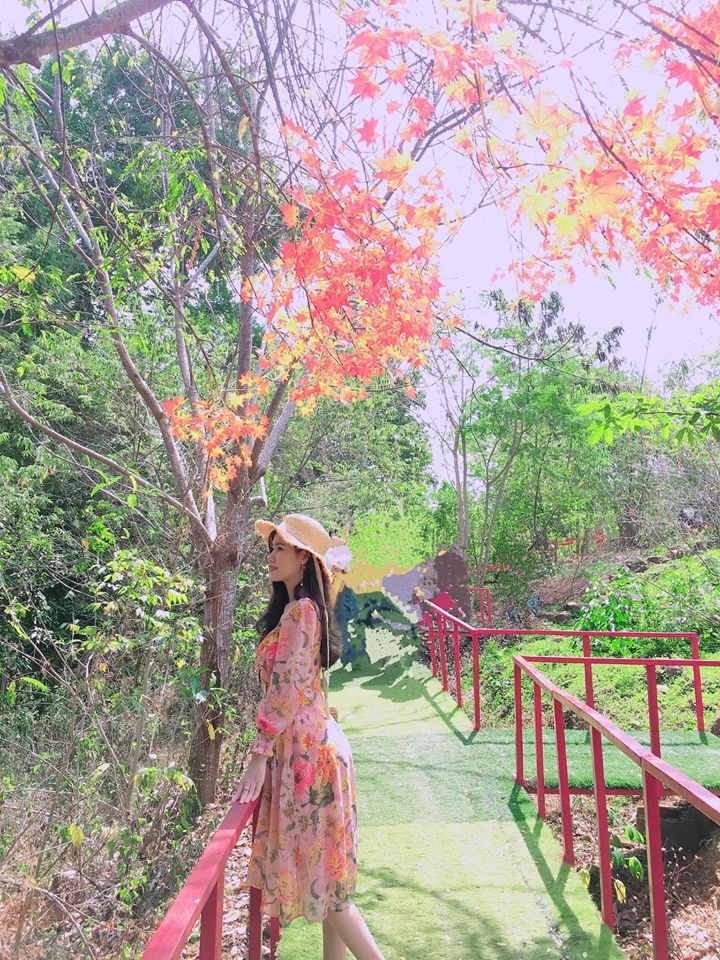
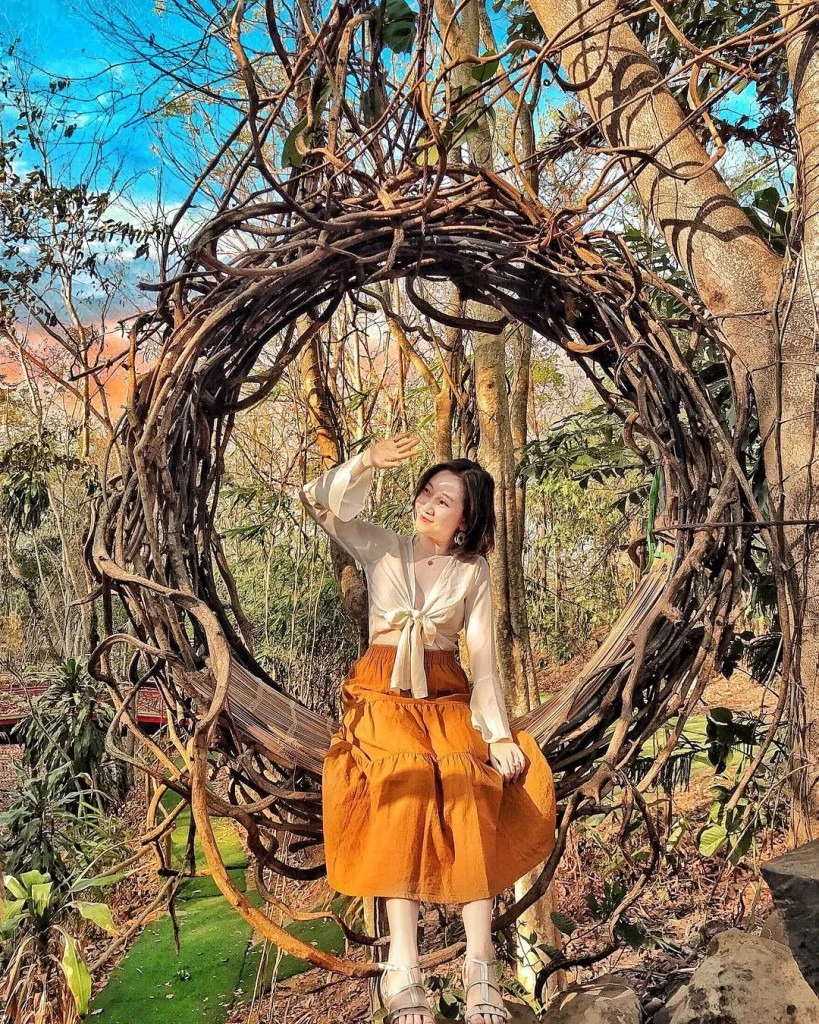
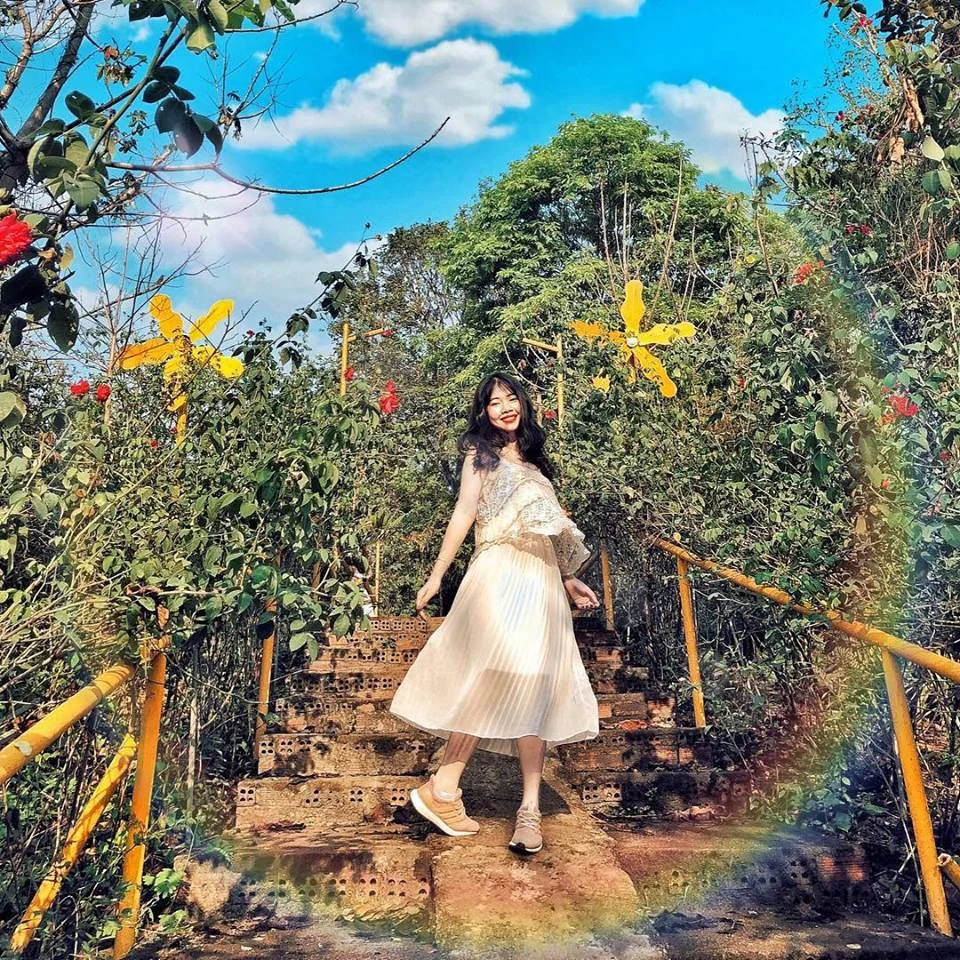
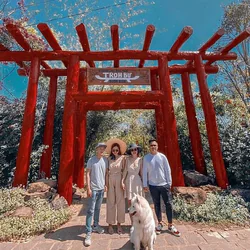
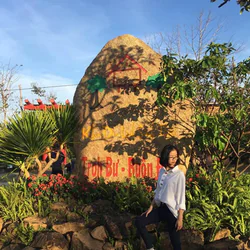
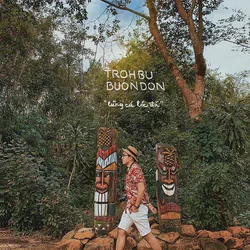
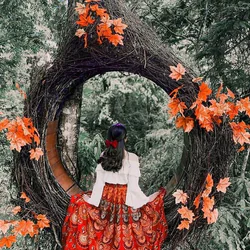
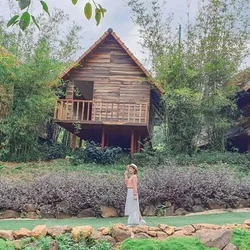
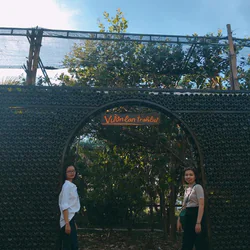
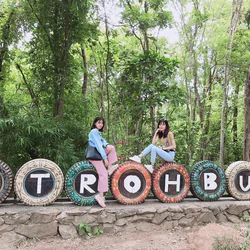
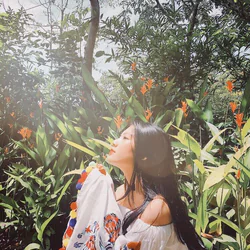
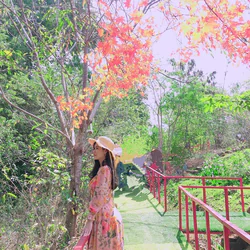
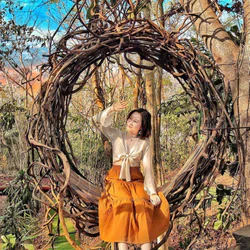
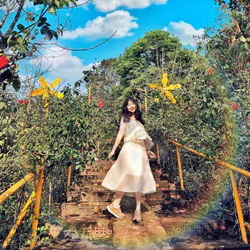
Tại khu du lịch sinh thái Troh Bư, du khách sẽ có dịp tham quan mô hình đồn điền cà phê xưa của vùng đất Buôn Mê hay tham quan khu vườn cảnh với 1.000 loài hoa, tìm hiểu cây rừng và bộ sưu tập lan rừng Tây Nguyên với hàng trăm loại lan rừng quý hiếm, có đủ chủng loại và màu sắc khác nhau. Ngoài ra, du khách có thể khám phám 3 kỷ lục Việt Nam mà vườn đã xác lập là Bộ sưu tập lan rừng bảo tồn lớn nhất Việt Nam, chiếc thuyền độc mộc lớn nhất Việt Nam và dàn chiêng đá cổ và nguyên bản nhiều thanh lớn nhất Việt Nam. Bên cạnh đó, nơi đây còn có khu vực giúp trẻ em tiếp cận, khám phá và tìm hiểu những loài vật nuôi hiền lành, đáng yêu như đàn chó Phú quốc lai, Hươu sao, Nai, Công, Thỏ, chim Trĩ, gà rừng, Heo rừng. Đối với những bạn trẻ yếu thích sống ảo thì nơi đây có khu vực cầu gỗ nhỏ với tán lá phong đỏ, xích đu tổ chim kiểm Bali cực bắt mắt hay những lốp xe được sơn đủ màu, tất cả đều mang đến góc hình đẹp để sống ảo.
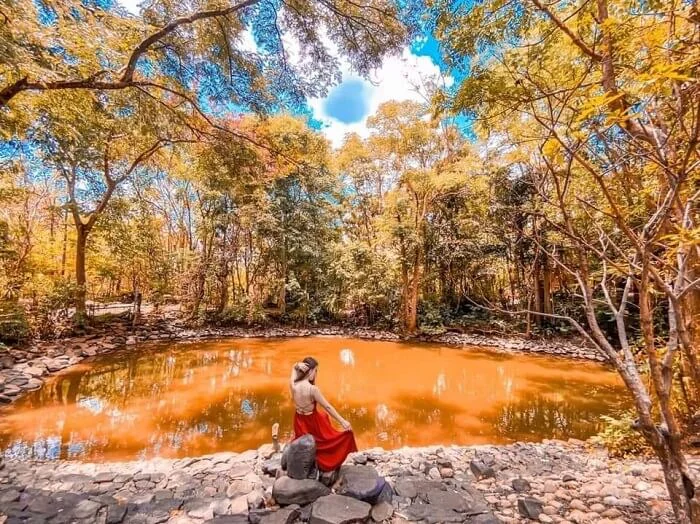
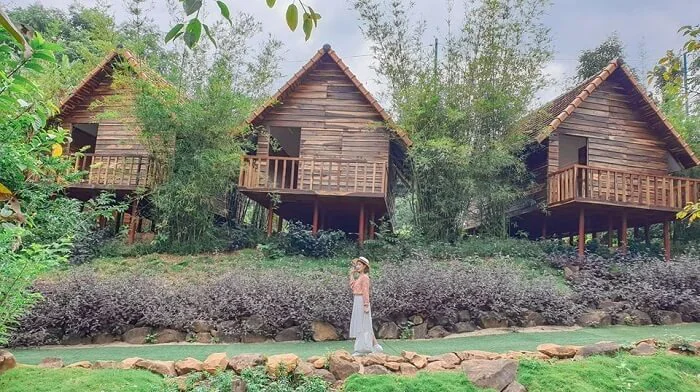
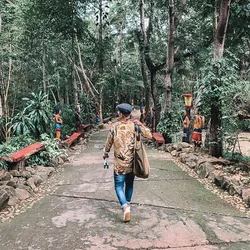
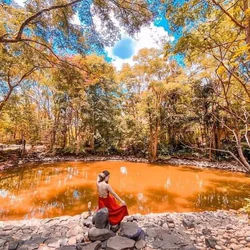
Đặt chân đến khu du lịch sinh thái Troh Bư, du khách sẽ lạc giữa một khu vườn cổ tích với một không gian xanh ngát, xung quanh là cây xanh, hồ nước… tất cả hiện lên như một bức tranh giữa núi rừng Tây Nguyên.
Giá vé: 35.000 VND/người
Điện thoại: 0905055888 – 0935441761
Địa chỉ: Buôn Niêng 3, Xã Ea Nuôl, Buôn Đôn, Buôn Ma Thuột, Việt Nam.