


See all results for ""

 Anytime
 Tiếng ViệtEnglish
 日本語
日本語 한국어
한국어 简体中文
简体中文 Français
 Deutsch
 Español
 Italiano
 Русский


 Login for Corporates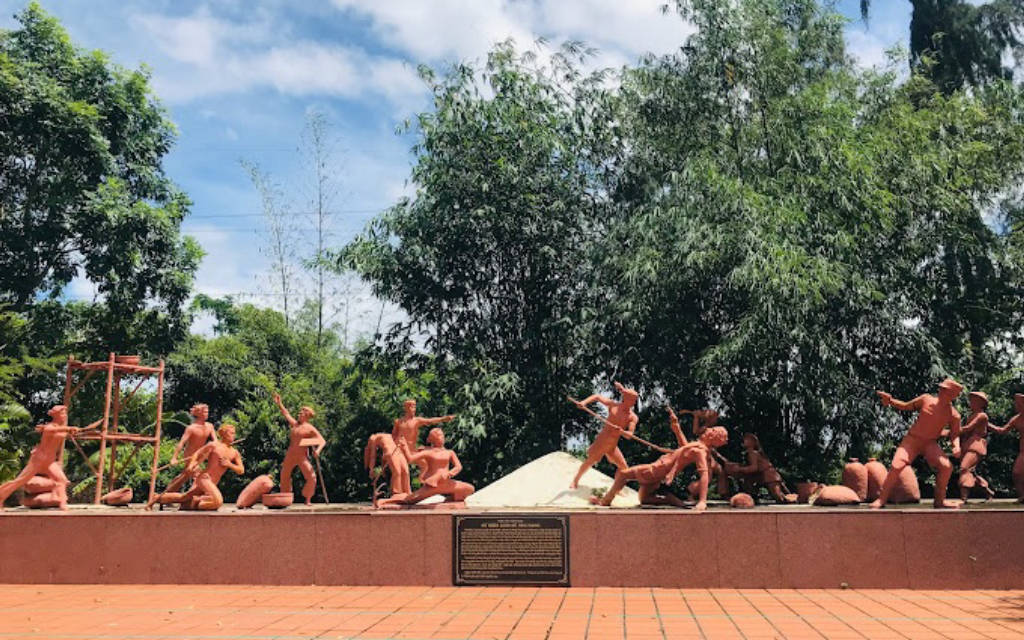

Nọc Nạng Historical Site, Bac Lieu.
 Di tích Lịch sử Nọc Nạng, Phường 1, Giá Rai, Bạc Liêu, Việt Nam
The uprising of the Mười Chức brothers in the Nọc Nạng fields, Phong Thạnh commune, Giá Rai district, Bạc Liêu province, is a significant event in the history of the Southern farmers' struggle against colonial and feudal systems. This historical and cultural site not only commemorates the efforts and sacrifices of the local people but also plays a role in educating the younger generation about the value of fighting for justice.
History of Formation
The Nọc Nạng fields were once a pristine area, filled with swamps, tràm trees, and reeds. When the first settlers arrived to cultivate the land, they had to clear trees, drive stakes into the mud, and raise their platforms to avoid wild animals, giving rise to the name Nọc Nạng. This land has witnessed many ups and downs in the lives of its inhabitants.
The Uprising of 1928
In 1928, the uprising led by the Mười Chức brothers erupted after a series of injustices related to land ownership. Nguyễn Thành Luông, the local headman and ancestor of the Biện Toại family, had been granted ownership of 73 hectares of land in the Nọc Nạng forest. However, upon his death, his son, Nguyễn Văn Toại (Biện Toại), inherited the land.
In 1917, a Chinese merchant named Bang Tắc employed various tactics to seize this land. Despite the Biện Toại family’s attempts to file lawsuits, they lost due to bribery of officials. Tensions escalated when soldiers came to confiscate their rice, leading to a confrontation.
The Decisive Day
On the morning of February 16, 1928, when government soldiers arrived to enforce the confiscation order, the Biện Toại brothers decided to resist. Armed with knives, spears, and sticks, they were ready to defend the land they had cultivated. In the ensuing conflict, four of Biện Toại's brothers, including Mười Chức, Nhẫn, Nhịn, and his pregnant wife, Bà Nghĩa, were shot dead. Mười Chức also managed to injure a French soldier.
This incident shocked the nation and drew public attention to the hardships faced by farmers. As a result, the Biện Toại brothers were ultimately victorious in their legal battle, a meaningful triumph in a challenging context.
Historical Site Today
To honor the sacrifice and struggle of the Mười Chức brothers, Bạc Liêu province has established the Nọc Nạng Memorial Site. This site not only recreates daily and cultural activities but also depicts the struggles of Bạc Liêu farmers during difficult times. It serves as an ideal destination for tourists and the younger generation to learn about the history and culture of the region.
The memorial site frequently hosts educational activities, attracting many students and visitors, thereby raising awareness of the historical significance and the fighting spirit of their ancestors. Preserving and promoting these historical and cultural values is essential in today's context, helping future generations understand the past and appreciate the achievements built by their forebears.