


See all results for ""

 Anytime
 Tiếng ViệtEnglish
 한국어
한국어 日本語
日本語 简体中文
简体中文 Français
 Deutsch
 Español
 Italiano
 Русский


 Login for Corporates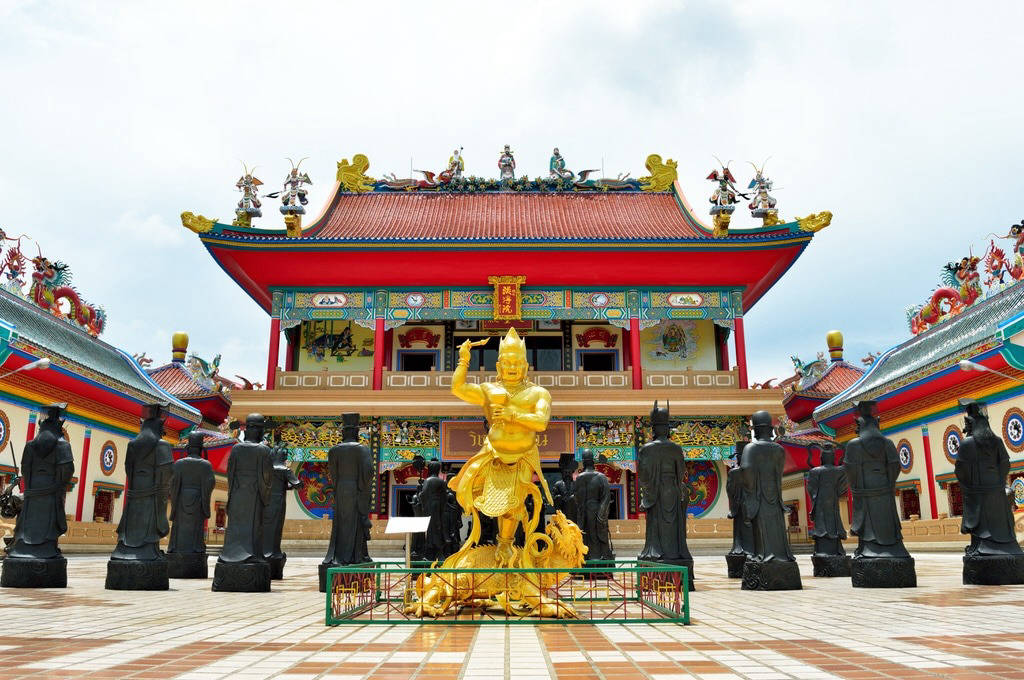
Viharn Sien Temple - Anek Kusala Sala - Unique collection of Chinese artifacts and antiques
 1000 หมู่ที่ 11 Bang Lamung District, Chon Buri 20150, Thailand
The Viharnra Sien Chinese Temple in Pattaya is one of Thailand's most important centers of Chinese culture and artwork. It houses one of the largest collections of Chinese art and antiquities outside of China.
Thailand and China have a long historical relationship. Today, there are a large number of Chinese Thais in Thailand who can trace their roots back to ancestors who migrated from China. They bring with them their cultural, culinary, religious and artistic aspects. The Viharnra Sien temple pays homage to this age-old relationship.
The Viharnra Sien temple is the image of the monk Sanga Kulkobkiat. Born in Bangkok Thailand in 1925, but raised in China, this temple is one of his legacies to celebrate the cultures of both countries. He also created a second Viharnra Sien in Chaozhou City, Guangdong, China. He wants them to help encourage cooperation between China and Thailand.
In 1987, monk Sanga Kulkobkiat's vision became a reality. Later, King Bhumibol Adulyadej gave royal permission to build the temple complex. The king granted him 7 rai of land (2.7 acres) to build in the temple grounds of Wat Yansangwararam. On June 6, 1988, the king inaugurated the building and gave it the Thai name Anek Kusala Sala.
Master Kulkobkiat oversaw the entire project, from design to construction. For more than 5 years, the temple held its opening ceremony on December 24, 1993. During the ceremony, Thai-Chinese people provided the building and presented many antiques and large works of art in its honor. King.
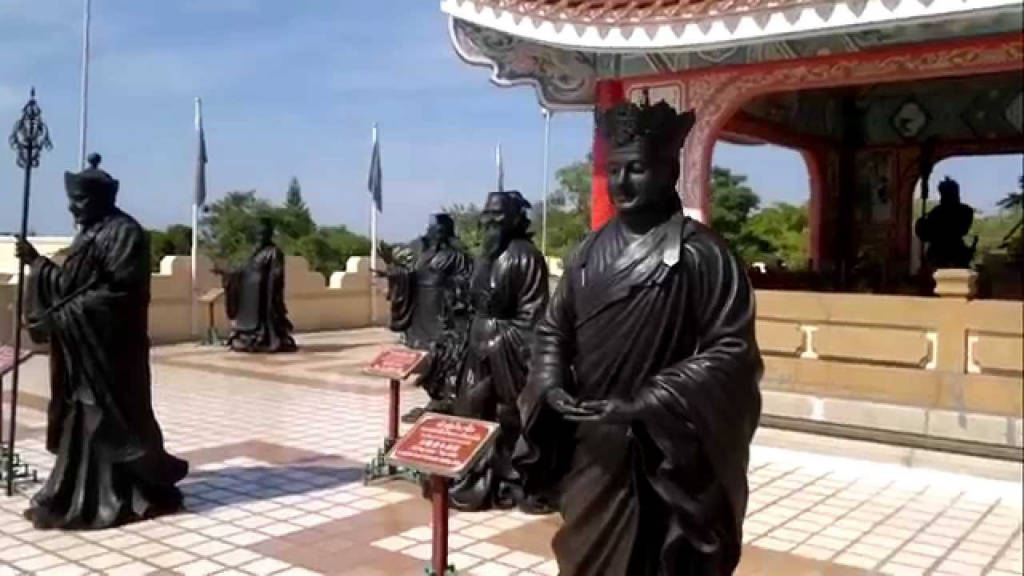
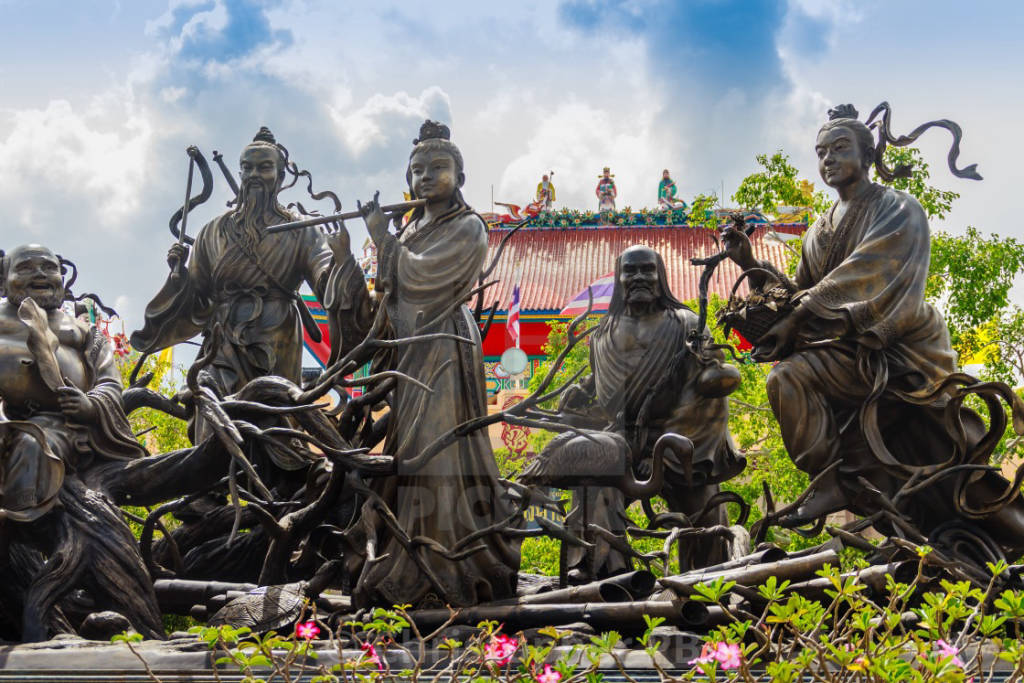
The temple has an extensive collection of bronze statues, jade carvings, paintings, and countless other cultural and artistic relics of Thailand and China. The Chinese government has also contributed a large number of works for permanent display at the temple.
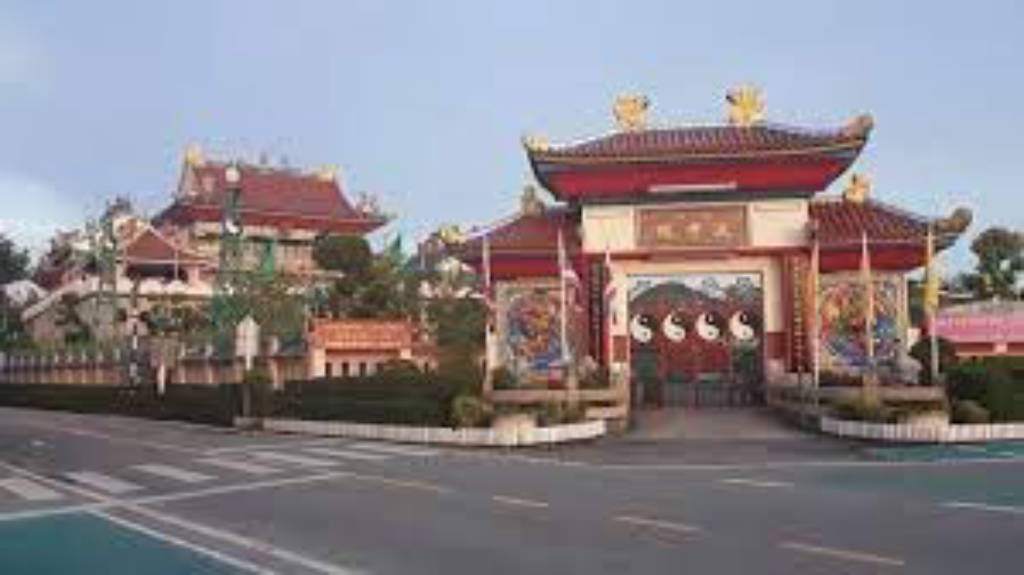
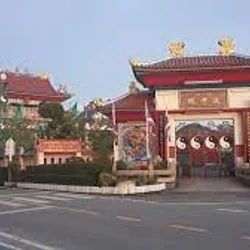
Upon arrival for the first time, you will see a large Chinese gate with a red tiled roof and decorated golden dragons. Two large yin and yang signs on either side of the entrance. The museum and temple are in the background, looking like an ancient Chinese palace protected by outer walls.
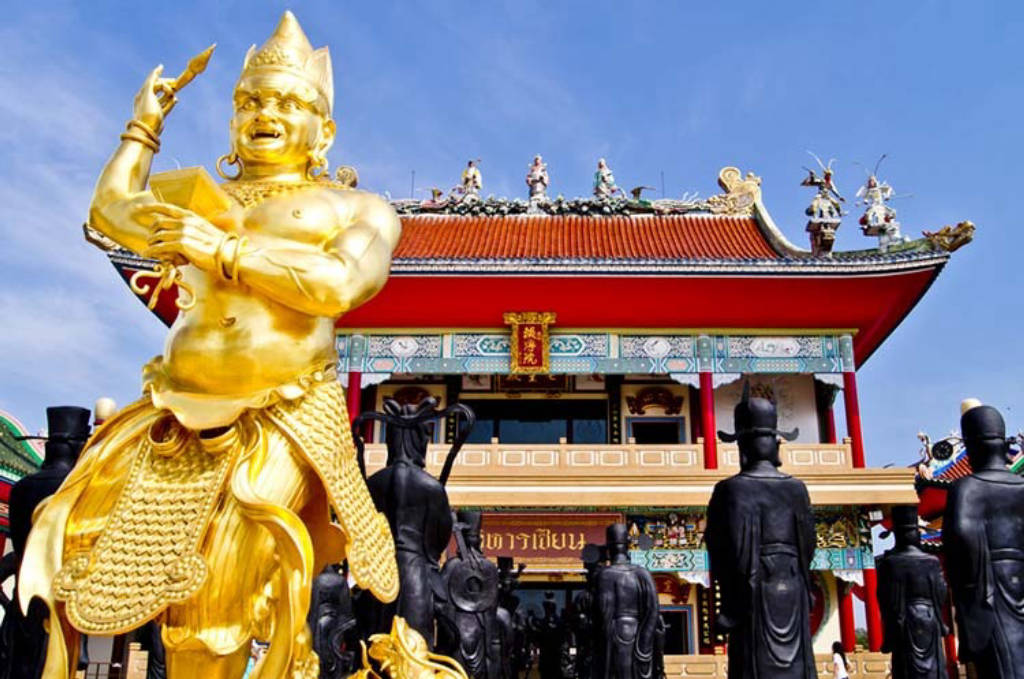
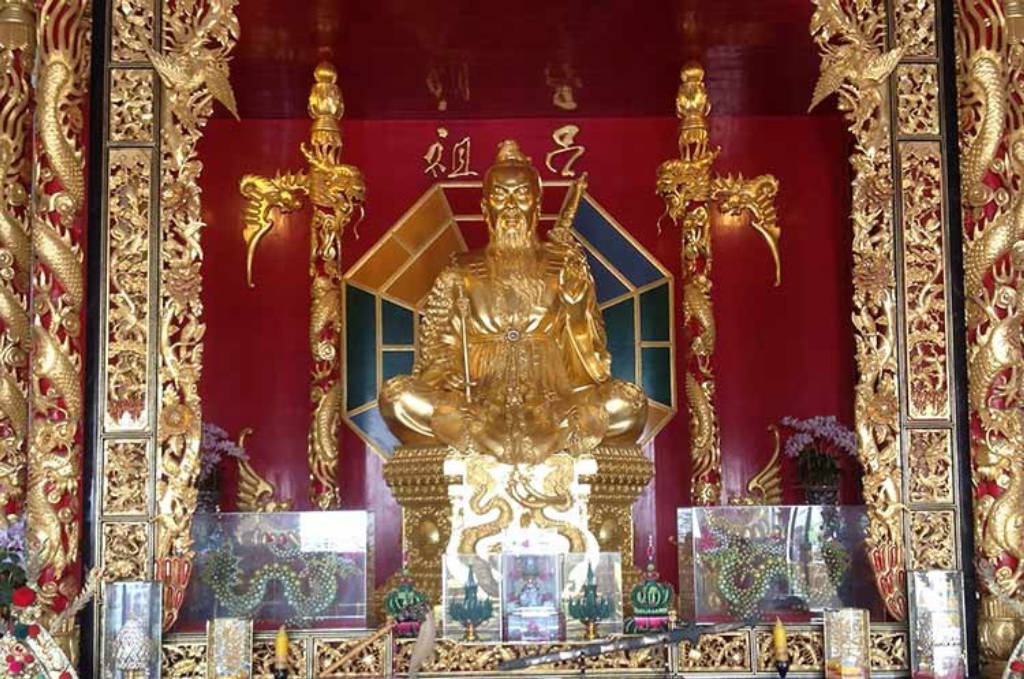
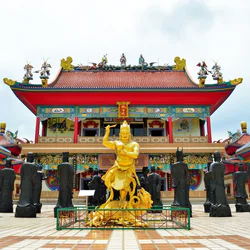
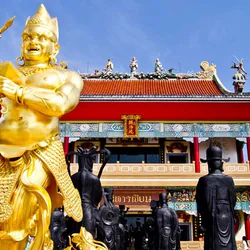
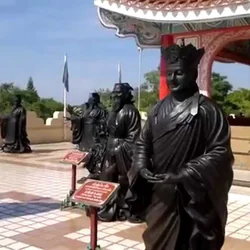
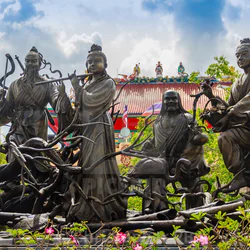
After passing through the gate, you'll find yourself in a courtyard paved with concrete and decorated with a collection of bronze statues, trees, plants, and flowers. Take in the peaceful scenery before going inside. In one corner of the courtyard you will find a large statue of the founder, Monk Sanga Kulkobkiat, sitting in his chair.
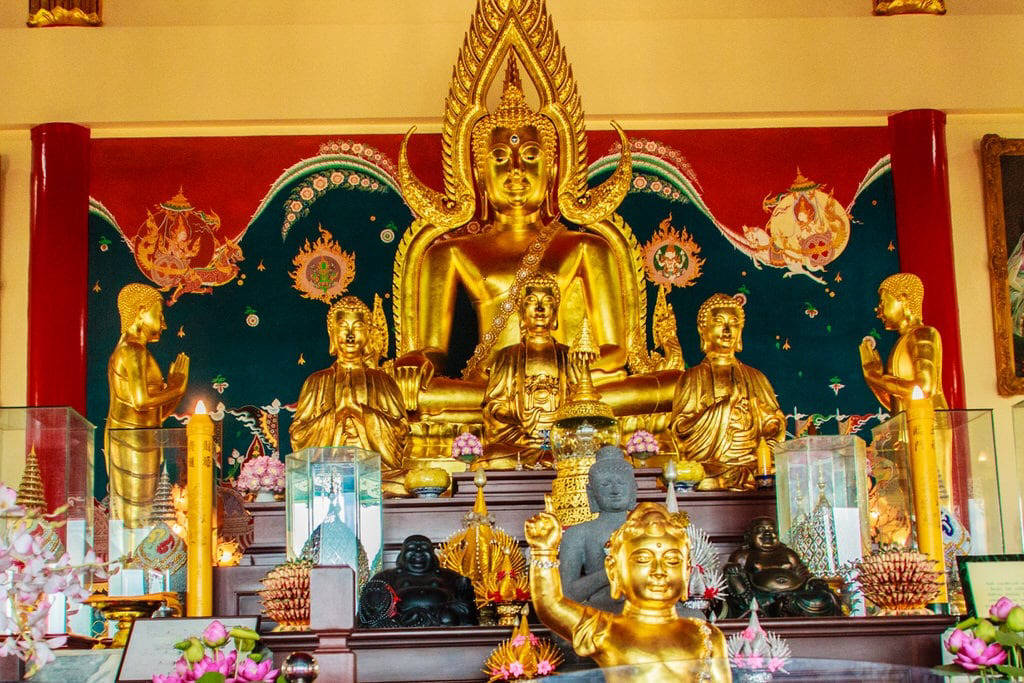
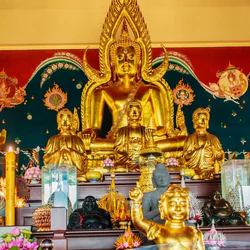
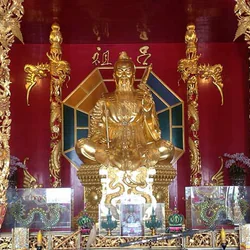
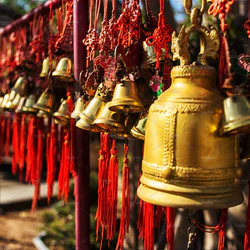
Once inside the museum, you will be able to see a variety of bronze statues and artworks that are thousands of years old. There are many collections of artwork related to Chinese religions such as Buddhism, Confucianism and Taoism.
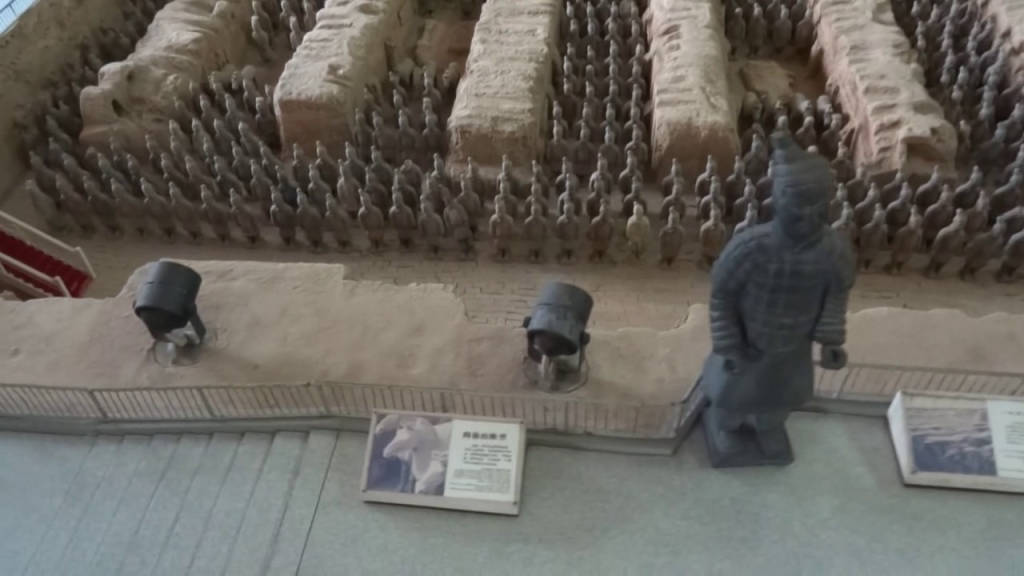
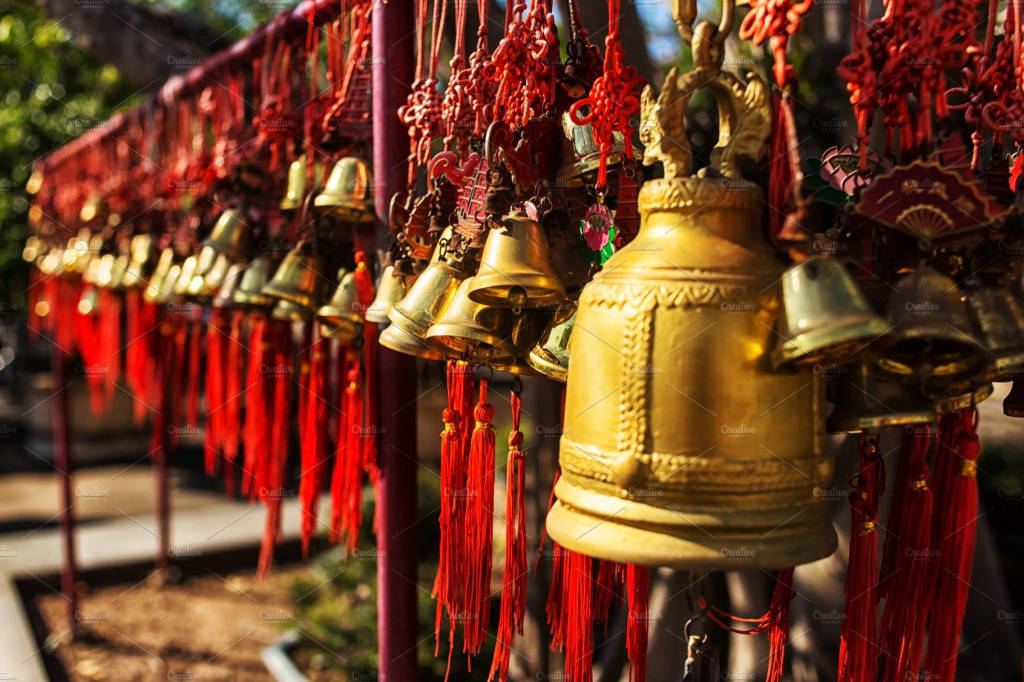
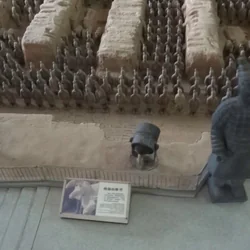
Among the many drums, bells, Buddha statues and other cultural artifacts, you will find a miniature replica of the clay army archaeological site found at the tomb of Qin Shi Huang. There are even some real clay warriors on display. A rare treat to see something like this outside of China.
The other floors of the museum are also worth a visit. The highlight on the 2nd floor is the large outdoor terrace with Shaolin monks in various kung-fu poses. The 3rd floor is home to Thai history and artwork and is well worth a visit.
Food and drinks are sold at stalls outside the temple. Picking up a snack is a good opportunity to head down to the lake across the street and take in the view.
You will see a lot of people referring to this temple with different names - Viharnra Sien, Viharn Sien, Wihan Sien, Anek Kusala Sala. So what is the correct name?
There are actually three correct names for the temple. The signboards at the temple all read Viharnra Sien, so just walking into it is a good indicator it's the correct name. However, Anek Kusala Sala and Dan Fu Yuan are also right. The former is Thai, the latter a Chinese name meaning "house of the gods". All three are the proper names of this Chinese temple. However, since there is no exact English transliteration, you will also get other spellings such as Wihan Sien and Viharn Sien.
Opening hours: daily, from 08:00 to 17:00
Appropriate attire is required when visiting the temple.
Ticket price: 50 Bath/pax