


See all results for ""

 Anytime
 Tiếng ViệtEnglish
 한국어
한국어 日本語
日本語 简体中文
简体中文 Français
 Deutsch
 Español
 Italiano
 Русский


 Login for Corporates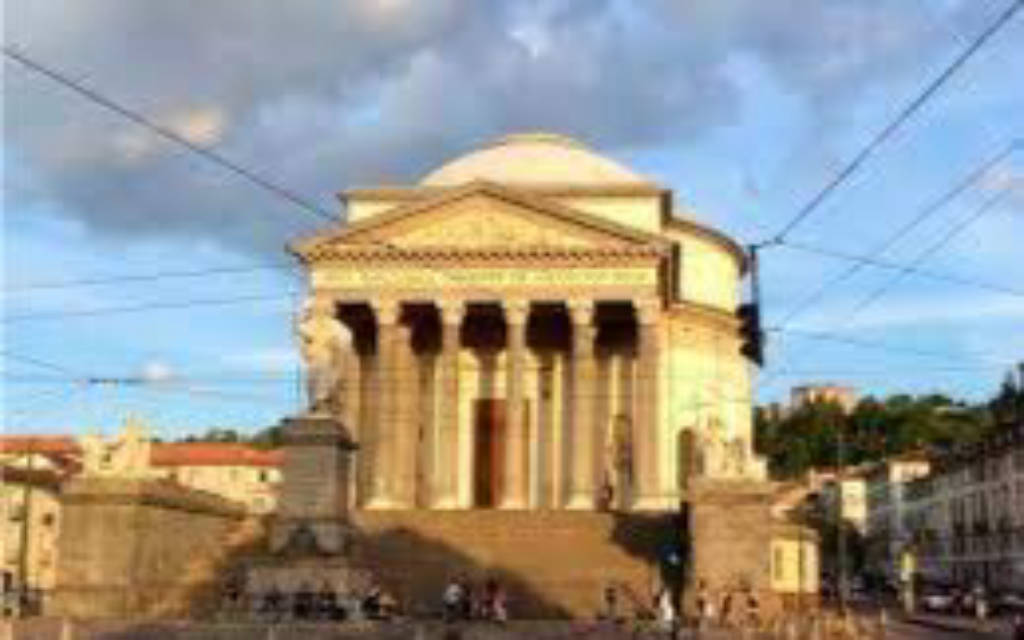
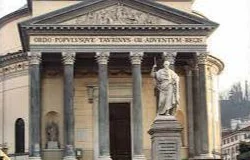
Chiesa della Gran Madre
 Piazza Gran Madre di Dio, 4, 10131 Torino TO, Ý
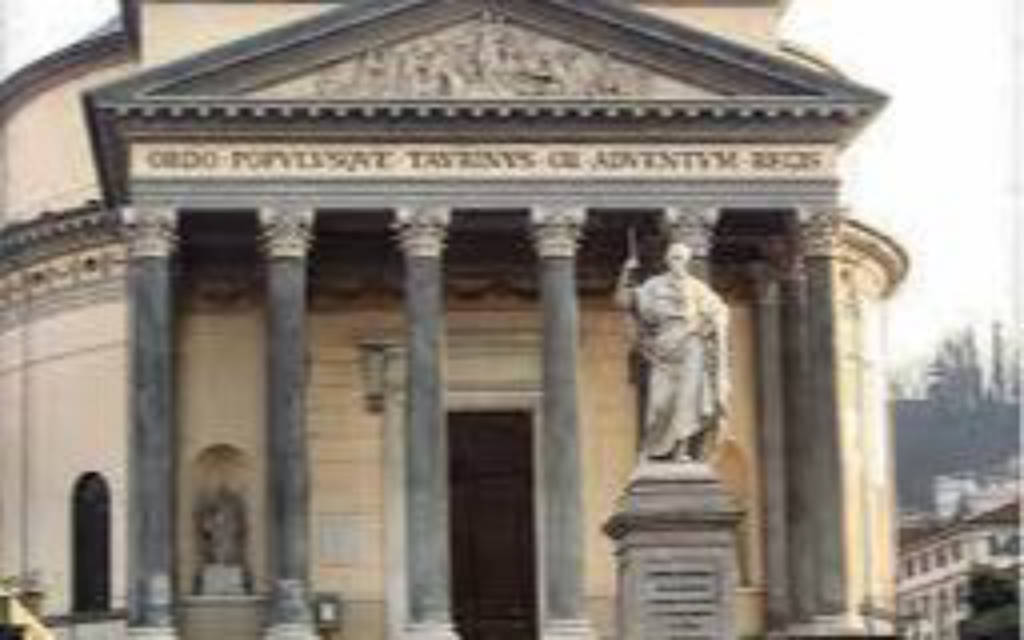
Nestled at the end of the expansive Piazza Vittorio Veneto, the Chiesa della Gran Madre di Dio stands as a majestic symbol of faith and neoclassical grandeur in the heart of Turin.
Nestled at the end of the expansive Piazza Vittorio Veneto, the Chiesa della Gran Madre di Dio stands as a majestic symbol of faith and neoclassical grandeur in the heart of Turin. Conceived as a votive church, its construction began in 1818 and was completed in 1831, designed by architect Ferdinando Bonsignore.
The church is dedicated to the Virgin Mary, under the title of "Gran Madre di Dio" (Great Mother of God), and was commissioned by King Vittorio Emanuele I to commemorate the return of the House of Savoy after the Napoleonic era.
Architecturally, the church is an exemplar of neoclassical style, inspired by ancient Greek and Roman elements. Its monumental façade is adorned with six Corinthian columns supporting a triangular pediment, creating a visual spectacle that commands attention.
Upon entering, visitors are greeted by a sense of tranquility and awe-inspiring beauty. The interior features a Latin cross layout with a dome, and it houses several notable artworks, including a statue of the Virgin Mary in the apse and a replica of the Shroud of Turin.
The location of the Chiesa della Gran Madre di Dio at the terminus of the Piazza Vittorio Veneto provides a dramatic backdrop to the square, enhancing its significance as both a religious and civic focal point. The church's commanding presence and historical importance make it a must-visit destination for those exploring the rich cultural heritage of Turin. Keep in mind that details might have evolved since my last update in January 2022.