


 Tiếng ViệtEnglish
 한국어
한국어 日本語
日本語 简体中文
简体中文 Français
 Deutsch
 Español
 Italiano
 Русский


 Login for Corporates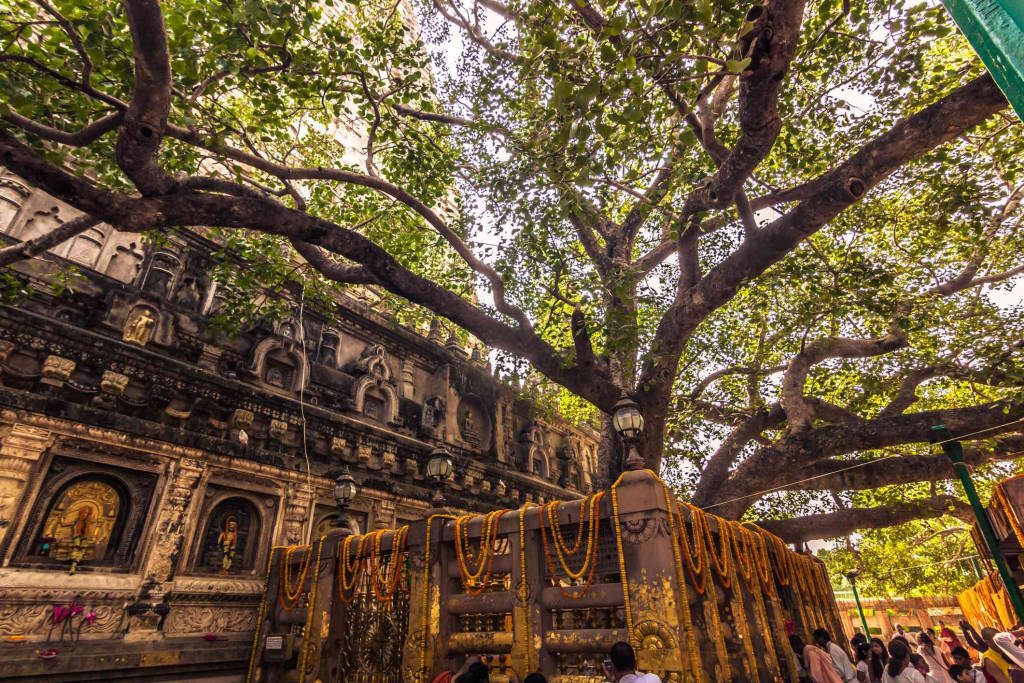
Bodh Gaya (Bodh Gaya)
 Bodh Gaya, Bihar, India
When thinking about the Buddha, especially a Buddhist, one cannot fail to remember four important relics in Buddhism, and one of them is Bodh Gaya. This is the place where Buddha attained enlightenment, a relic with religious colors, a long history and an architectural heritage. Therefore, it attracts not only pilgrims but also international tourists.
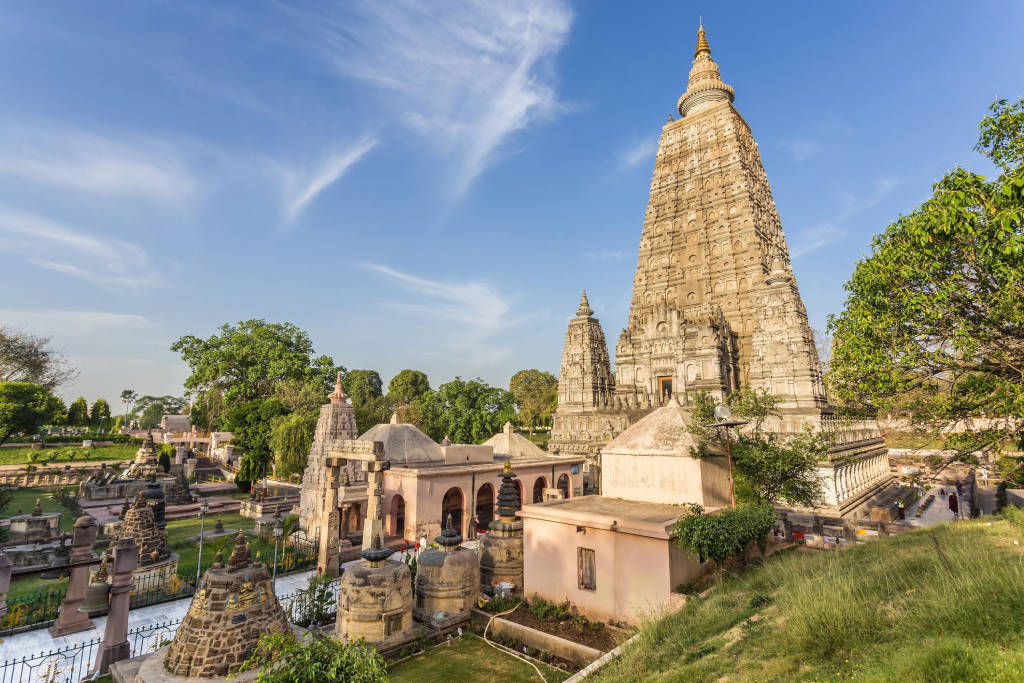
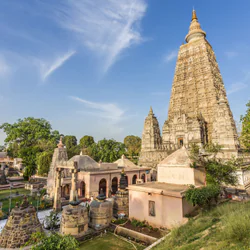
The Bodhgaya area is about 4.8 hectares wide, including the main items: the Great Enlightenment tower, also known as the Great Stupa, the Mahabohdi Temple, the Bodhi tree, the Golden Temple. Cuong (Vajirasana), lotus pond (Lotus Pond) and places where Buddha meditated after attaining enlightenment, ...
The first temple was built by King Asoka in the 3rd century BC, the king had a wish to go on a pilgrimage through the Buddhist regions and when he came to Mahabodhi village, he built this temple to commemorate the Buddha as well as the Buddha. built a 3m high wall to protect the first Bodhi tree where the Buddha sat in meditation to attain enlightenment and become a Buddha. At the same time, the king allowed to propagate the cuttings and send them to many places at home and abroad. But unexpectedly his wife let someone secretly cut down the original Bodhi tree, King Asoka replanted it from a branch extracted from the original tree.
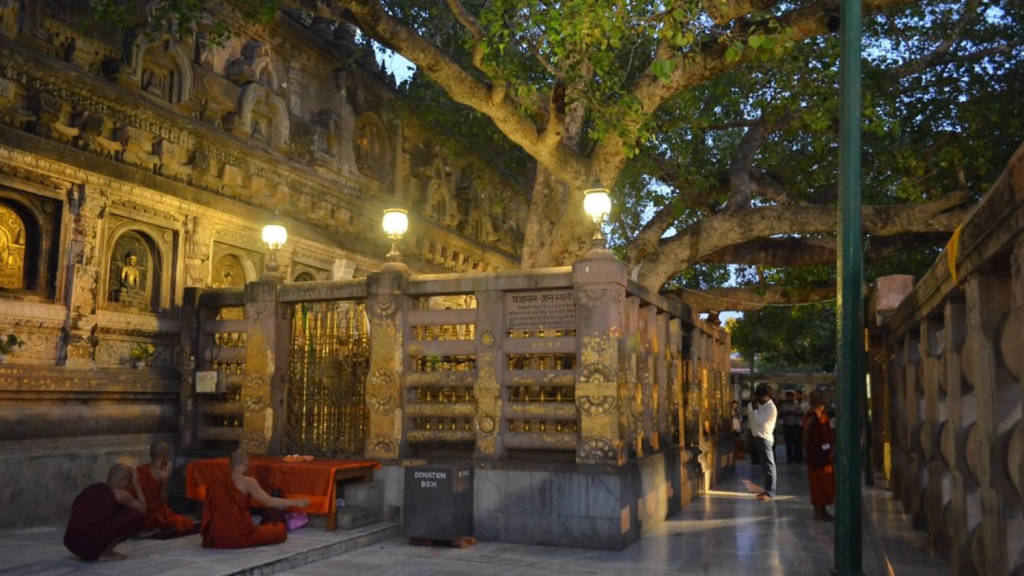
In the second century BC, the temple and the tree were both destroyed in the killing of the Buddhists. Then the third Bodhi tree was also replanted but was again cut down by the king of Ganda in 600. It was not until 620 that the fourth Bodhi tree was planted by King Purnavarama, the last heir of the king's reign. Asoka, replanted and built a 7m high wall to protect the tree as it is today. In 1220, the tree was again cut down by the Muslim army invading India at that time. Then the fifth Bodhi tree was revived quickly and in 1876 the tree fell and died in a storm. In 1881, an English general, Sir Alexander Cunningham, planted a sixth Bodhi tree, which was obtained from the fruit of the fifth tree. Since then, the tree has grown well and sustainably to this day and has become a must-visit place when coming to Bodh Gaya.
The architectural complex that King Asoka first built in the third century, including Dai Giac tower, Diamond building, 3m fence to protect Bodhi tree, has undergone many restorations and constructions under many dynasties. Various Buddhism, completed in the 7th century, under the Gupta dynasty. Over the years, the complex suffered many historical events, became derelict and restored many times. A major, complex and investment-intensive restoration took place in 1880-1881 by the British government in India to restore the original temple and stupa to its original state. As a result, UNESCO recognized this as a world heritage site on June 27, 2003, putting Bodh Gaya on the list of world cultural relics.
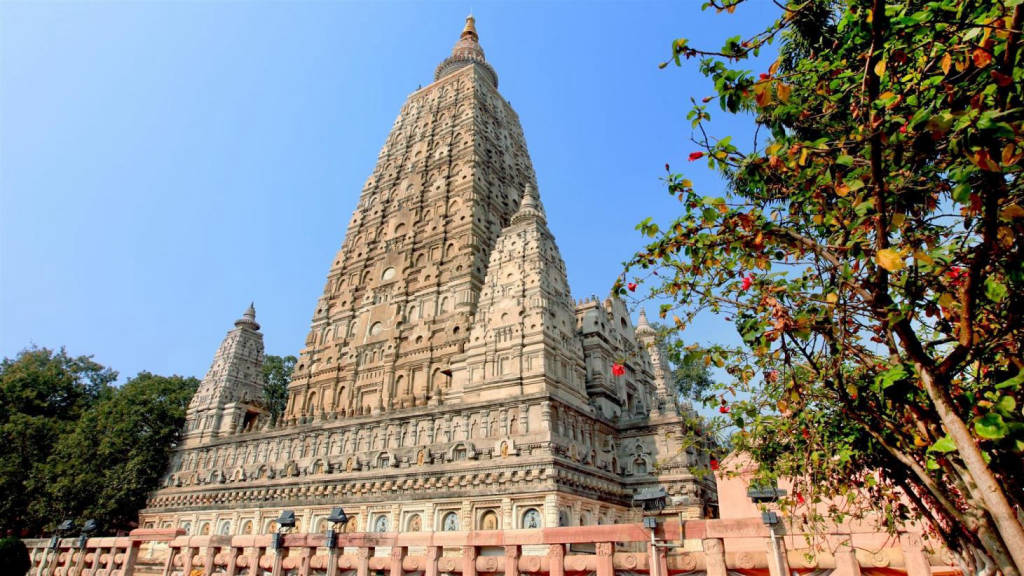
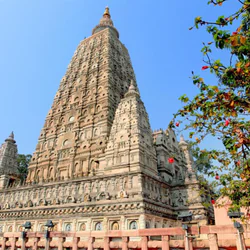
Speaking of architecture, the Mahabodhi temple is one of the few surviving examples of early Indian brick structures that have had a significant influence on the development of architecture. over many centuries. The present temple is one of the earliest and monumental structures built entirely of brick at the end of the Gupta period.
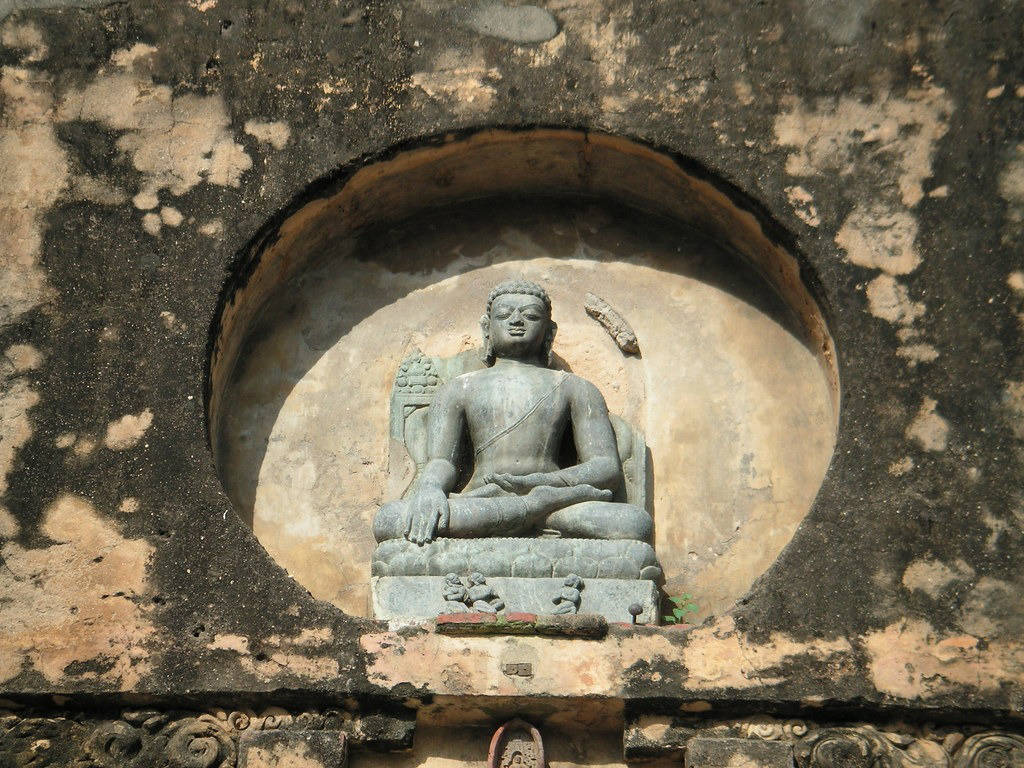
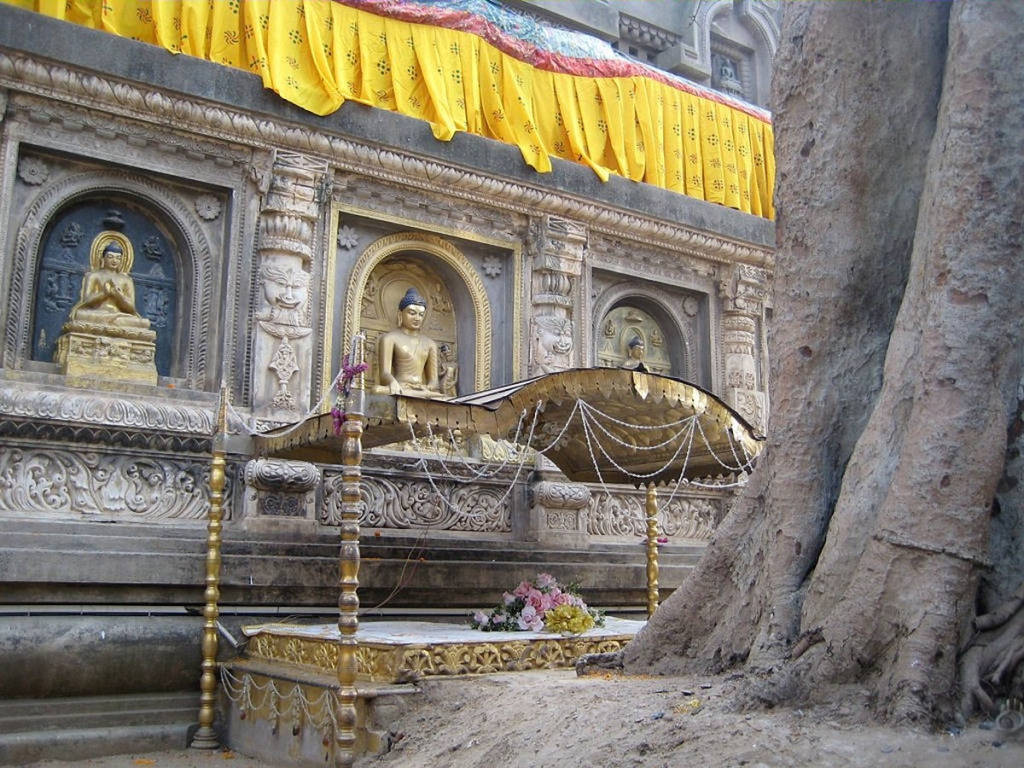
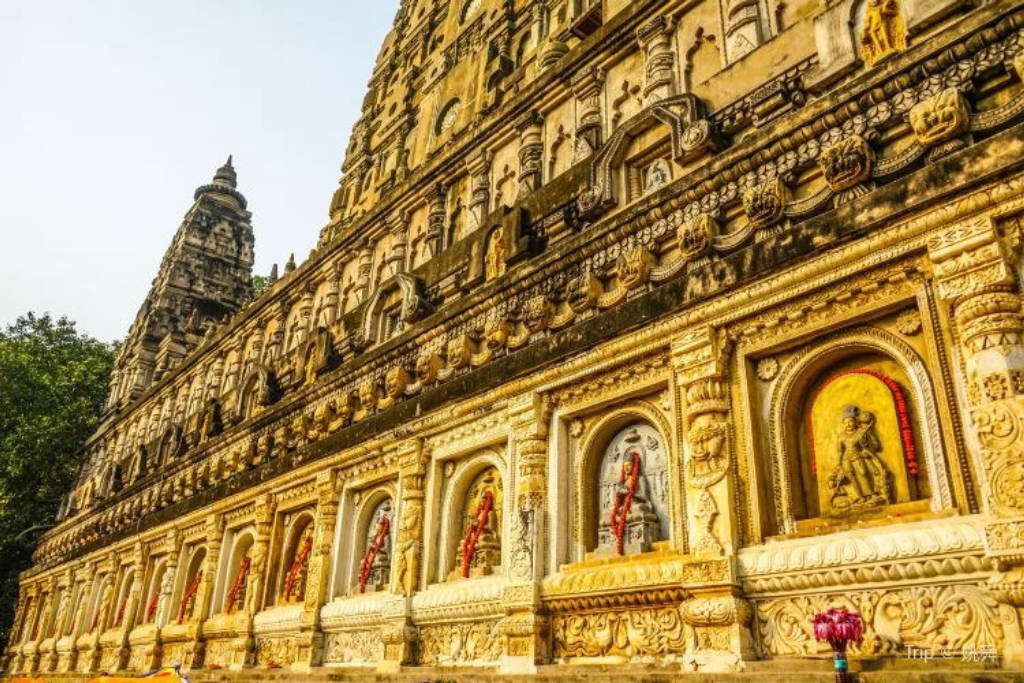
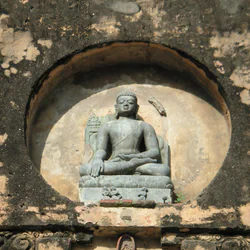
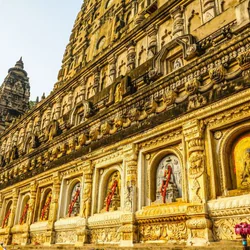
The 55-meter-tall temple, its pyramid-shaped Shikhara (tower) consists of several layers of niches, arch motifs, and intricate carvings of Buddha, bodhisattvas, and deities in the Mahayana tradition. The striking structure is the umbrella-like dome, on which the main tower has small towers at four corners, each identical to its central tower. An shrine inside the temple houses a yellow sandstone Buddha statue encased in glass. The Buddha statue is 2m high, placed on a 6m high stone pedestal, with a very serene Buddha face, with a finger pointing to the ground, the face of the statue is facing the East.
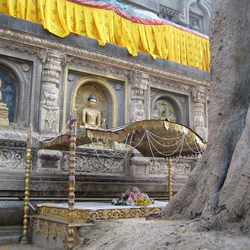
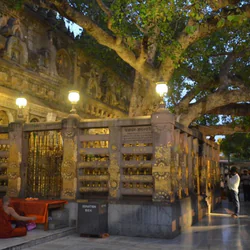
Behind the temple is the sacred Bodhi tree and Ashoka's stone slab for the purpose of marking the exact location where the Buddha sat (this is just a stone marking the position of the Buddha sitting on a simple and friendly bunch of fresh grass. ), traditionally known as the Buddha's Vajrasana (literally "diamond throne", "throne" or "thunderbolt"). One of the most famous of Ashoka's many pillars (on which are engraved edicts and many religious teachings) is located in the southeastern corner of the temple.
Bodh Gaya city today concentrates a lot of pagodas of countries and territories such as Bhutan, Nepal, Japan, Taiwan, Myanmar, Sri Lanka, China, Tibet, Thailand, Vietnam,... The temples. Each has its own unique look with its own unique architecture according to the Buddhist tradition of each country.
Vietnam also has four pagodas here, including: Vietnam Buddhist Monk Huyen Dieu, Do Sanh Pagoda of Vietnamese-American monk, Vien Giac Pagoda of German-Vietnamese monk and Ky Hoan Vihara of Thich Giac Vien is from Vung Tau.
Opening hours: 06:00 – 19:30