


 Tiếng ViệtEnglish
 한국어
한국어 日本語
日本語 简体中文
简体中文 Français
 Deutsch
 Español
 Italiano
 Русский


 Login for Corporates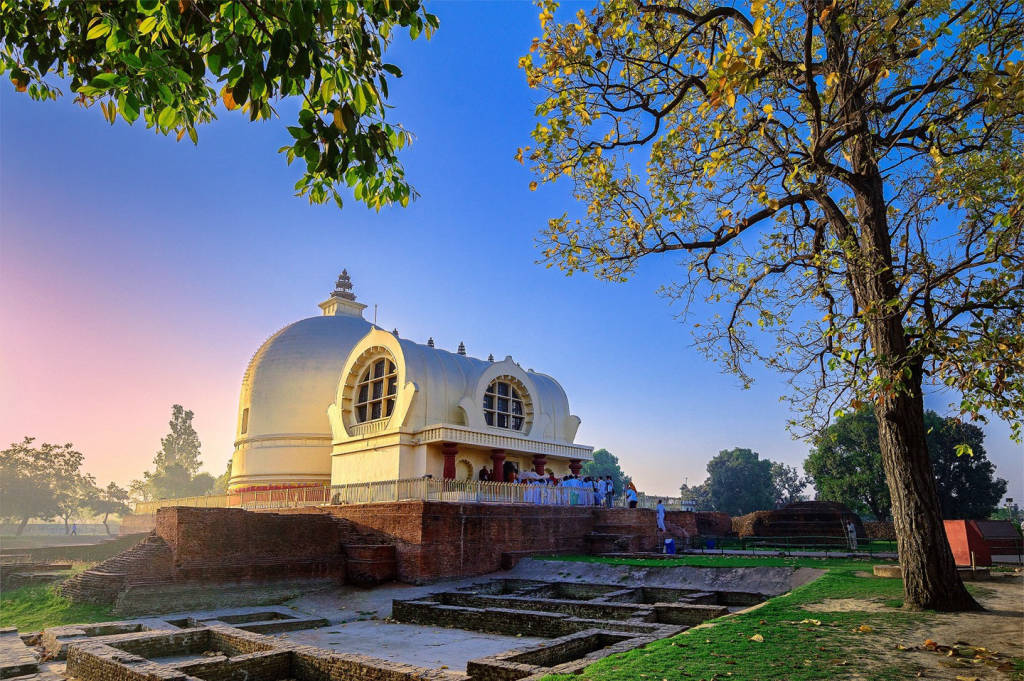
Kushinagar (Kushinagar)
 Kushinagar, Uttar Pradesh, India
Kushinagar is a religious pilgrimage center in Kushinagar District in the beautiful state of Uttar Pradesh, Kushinagar is the place where Buddha entered Nirvana. It is famous for its numerous monasteries and stupas dating back many years, mostly in ruins. Every year many devotees flock to this site from all over the world.
Thi Na is the place where Shakyamuni Buddha chose to enter Nirvana, ending his life at the age of 80, in 544 BC, and ending 45 years of teaching from the age of 35.
The verse of Thina dates back many centuries it is said that the town got its name from Lord Rama's son, Kusha. Many stupas here were built many centuries ago and it is said that King Ashoka of the Mauryan kingdom made an important contribution to the construction of this place. Legend has it that it was an important site for Jainism, Vaishnavism and Shaivism values
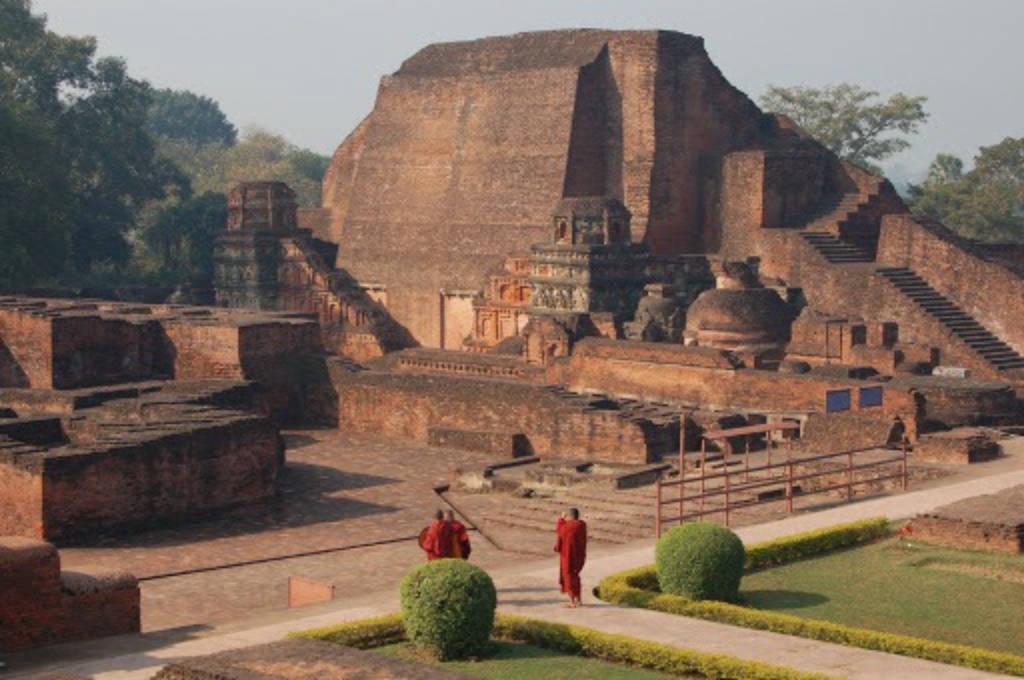
At the end of the 5th century, the ancient stupa was built and in 1825, the survey team began to survey the area and found traces of the Buddha statue entering Nirvana. But excavation work had to stop in 1912 and the Indian government began to restore the ruins. In 1927, two Burmese Buddhists asked to rebuild the new Nirvana pagoda and tower complex on the old ruins. This complex was restored twice in 1956 and 1972. Since then, the architecture of the pagoda and Nirvana tower has existed to this day, prominent among the surrounding monuments are a number of small towers and foundations and walls. Old bricks of monasteries and viharas of the past.
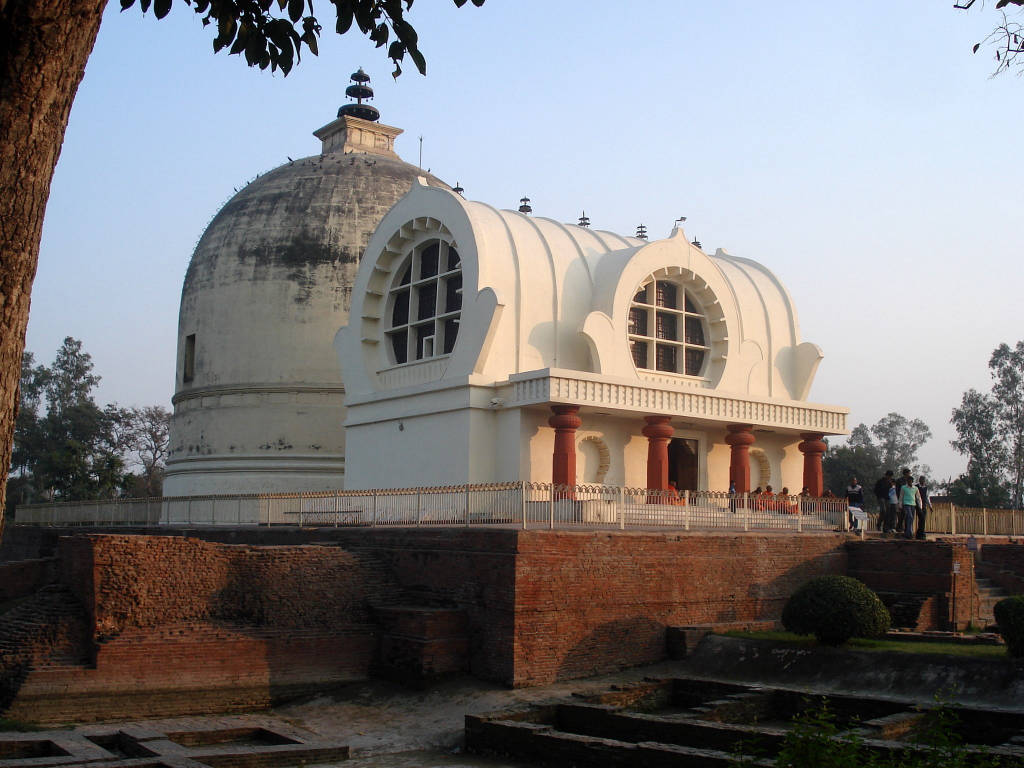
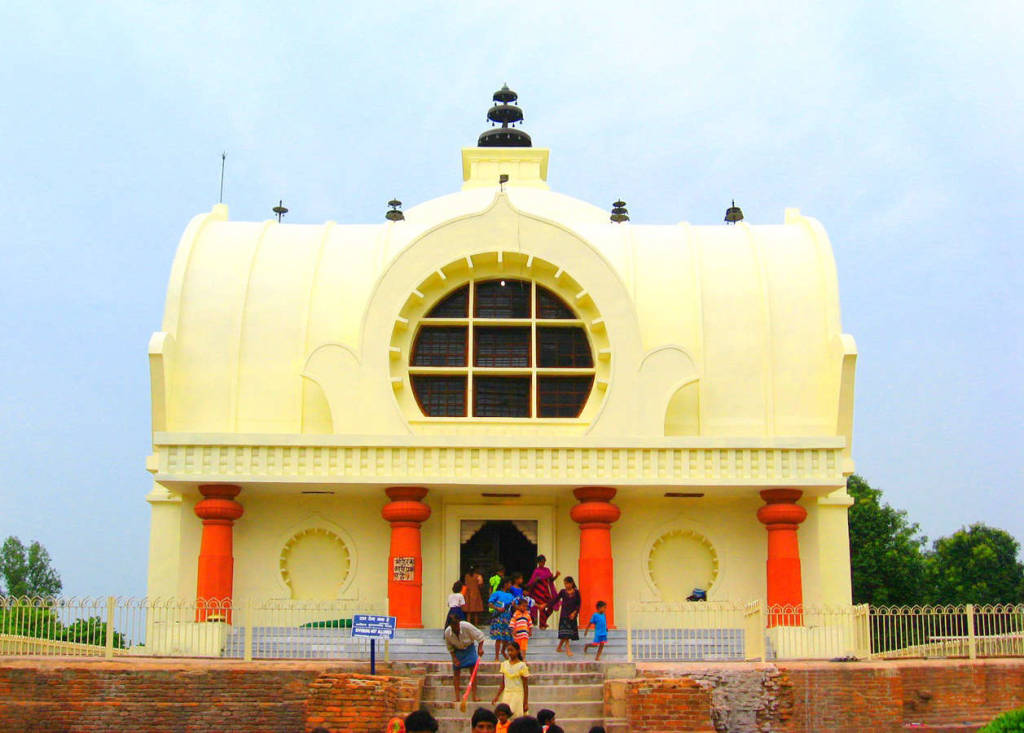
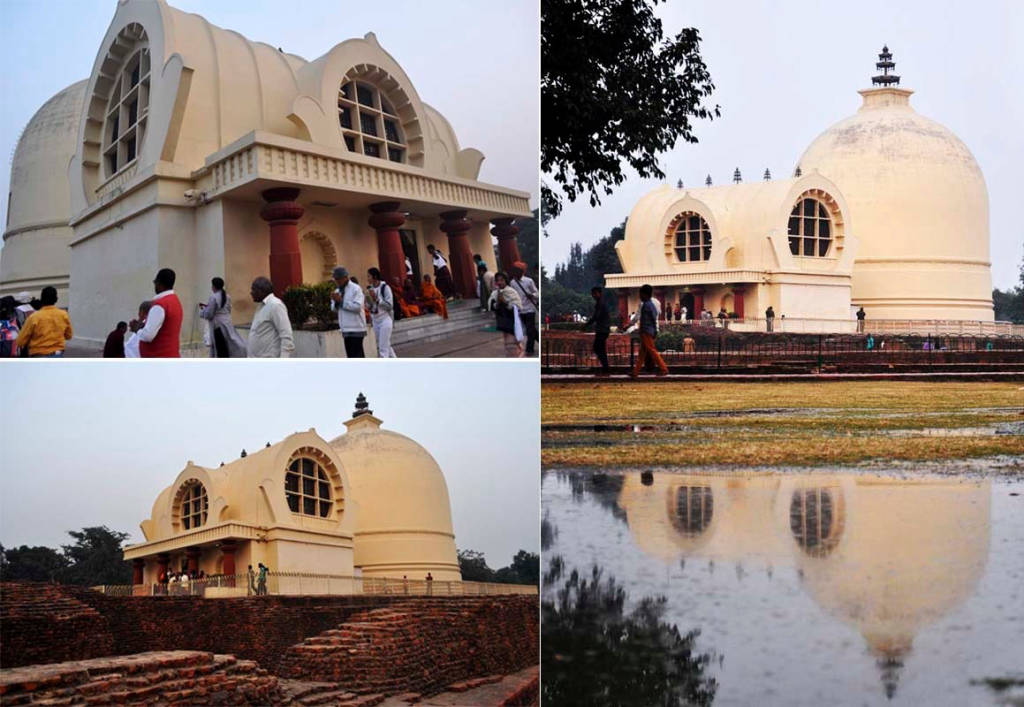
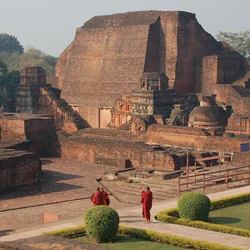
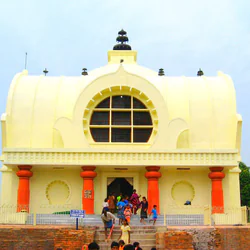
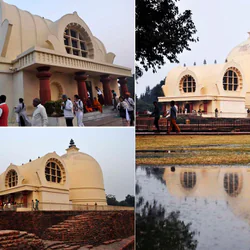
Most of these are ruins restored, cared for and preserved by the Indian government. The complex of Nirvana pagoda and tower consists of two white buildings with Western architectural appearance, both categories are newly built on a part of the ruins, about 2.7m high, creating a contrast in terms of architecture. modern and ancient architecture, about the dark red color of the base block with the white color of the building block. The most impressive and prominent are the Mahaparinirvana Temple, the Nirvana tower, also known as the Buddha's relics and the Angrachaya or Tra Pi tower where the Buddha's body was cremated.
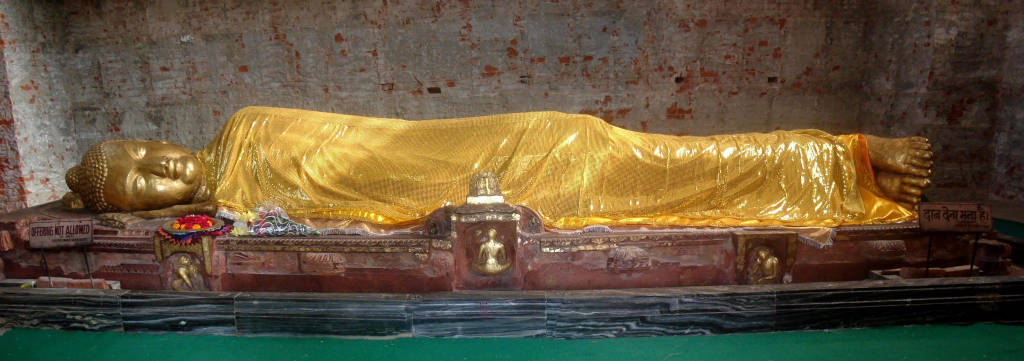
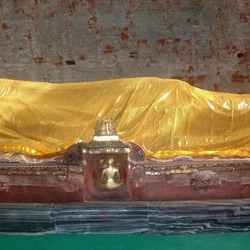
The Mahaparinirvana Pagoda, rebuilt in 1927 and set among vast lawns, is said to be one of the holiest temples for Buddhists around the world. The pagoda was built in the traditional Buddhist architectural style. The ground floor of the pagoda has four red round pillars, from the roof to four directions, there are four identical windows, the inside is divided into nine small glass panes. In the temple is a peaceful 5th-century reclining Buddha excavated in 1876. The 6-meter-long statue depicts the Buddha on a bed when he entered Nirvana. At dusk, the monks cover the statue with a long saffron-colored silk, as if putting the Buddha to bed for the night.
The Nirvana tower was established by King Asoka in the 3rd century BC to mark the place where Buddha died, but unfortunately the works, inscriptions, stone pillars of the same time were also buried into oblivion from the invasions. Muslim army from the 12th century. The stupa was excavated by an archaeologist named General Cunningham in 1876 and then restored to its original state that year. Brahmi inscriptions on the walls say that the cremated remains of the Buddha are kept here. The stupa is about 45m high, has a round shape, the dome is 15.81m high with a pointed top of the tower body, which is closed with no entrance.
East of Nirvana Pagoda is Tra Ti tower, a giant tomb-shaped tower more than 15m high, the outside is covered with ancient bricks. This is the most intact relic found in 1956, the tower is the place where the Buddha's body was cremated. Next to the tower there are eight small towers representing the eight countries and tribes assigned to preserve the Buddha's relics from the past.
Opening hours: 06:00 – 20:00