


 Tiếng ViệtEnglish
 한국어
한국어 日本語
日本語 简体中文
简体中文 Français
 Deutsch
 Español
 Italiano
 Русский


 Login for Corporates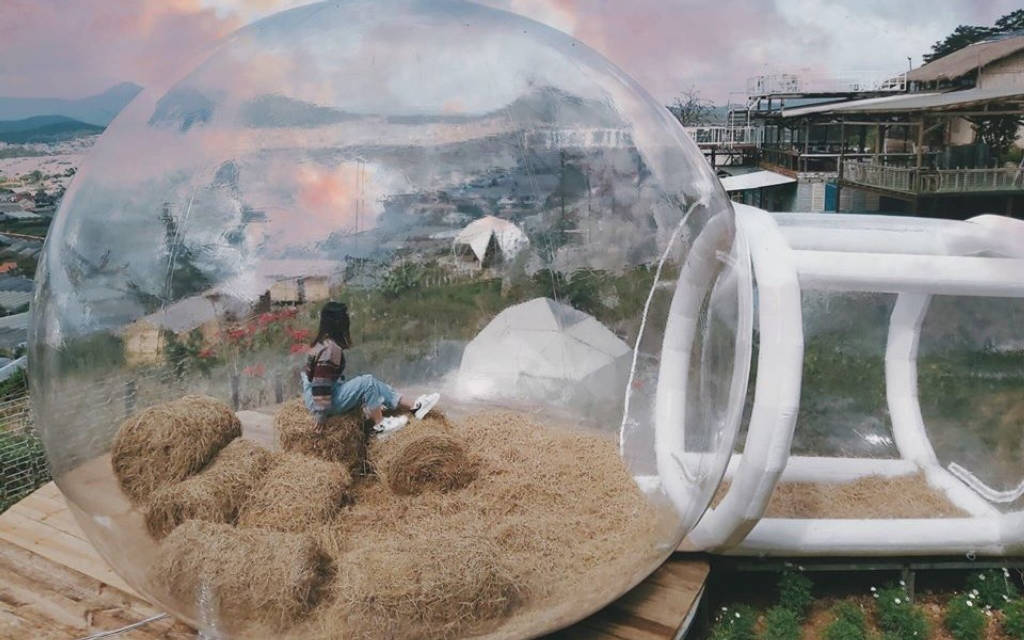
Cafe Sunny Farm Dalat
 Dốc số 7 đường Tự Phước, phường 11, thành phố Đà Lạt
Sunny Farm cafe, where the famous heaven ladder has created a photography fever among young people when coming to Da Lat.
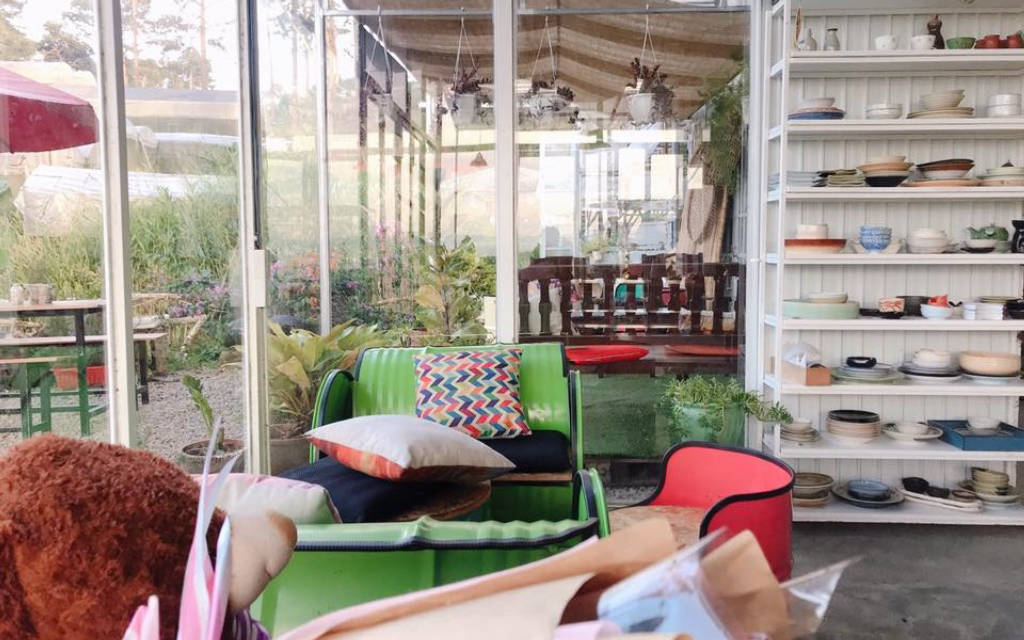
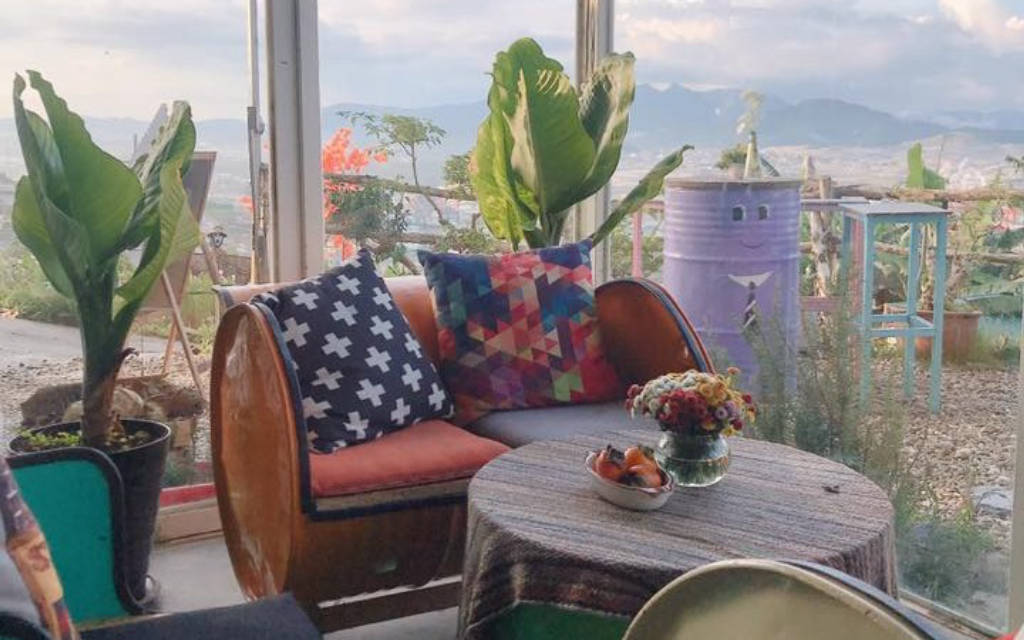
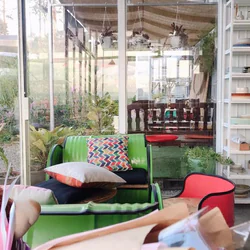
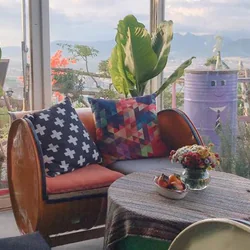
Da Lat is quite famous for many beautiful photography locations in which it is impossible not to mention Sunny Farm Dalat. Located about 7km from the city center towards Trai Mat. Sunny Farm Dalat has now become a place that attracts many young people when coming to Da Lat. Sunny Farm Dalat area has a very unique coffee shop, the shop is designed with glass to create an open space for visitors to come here to enjoy delicious glasses of water while looking at the surrounding scenery. Drinks of the bar are also very diverse and prices range from 25,000 VND to 60,000 VND per drink. Especially in the evening, a scene in front of the shop becomes shimmering when the flower greenhouses below the valley turn on the lights to warm the flowers.
Sunny Farm is very famous for its heavenly ladder, also known as the infinity staircase, the ladder of heaven is simply the stairs firmly fixed on the ground, the other end is built high towards the sky, with a shooting angle. Going up high with the creativity of young people has produced very special photos that are not available everywhere. In addition to the ladder of paradise Sunny Farm, there are many other beautiful landscapes such as wooden bridges, swings, wooden houses... are also places chosen by young people to take pictures a lot. Sunny Farm also has a colorful homestay for young people who like to experience stargazing at night because these rooms are designed around glass, so you can watch the night sky while sleeping, with a unique design. The ingenious position of the owner with the surrounding flowers, the electric lights help these homestays stand out more at night. If you have the opportunity to come to Da Lat, take advantage of visiting Sunfarm to take beautiful pictures with the ladder of heaven
Open: 7:30-22:00
Ticket price: Free