


 Tiếng ViệtEnglish
 한국어
 日本語
 简体中文
 Français
 Deutsch
 Español
 Italiano
 Русский


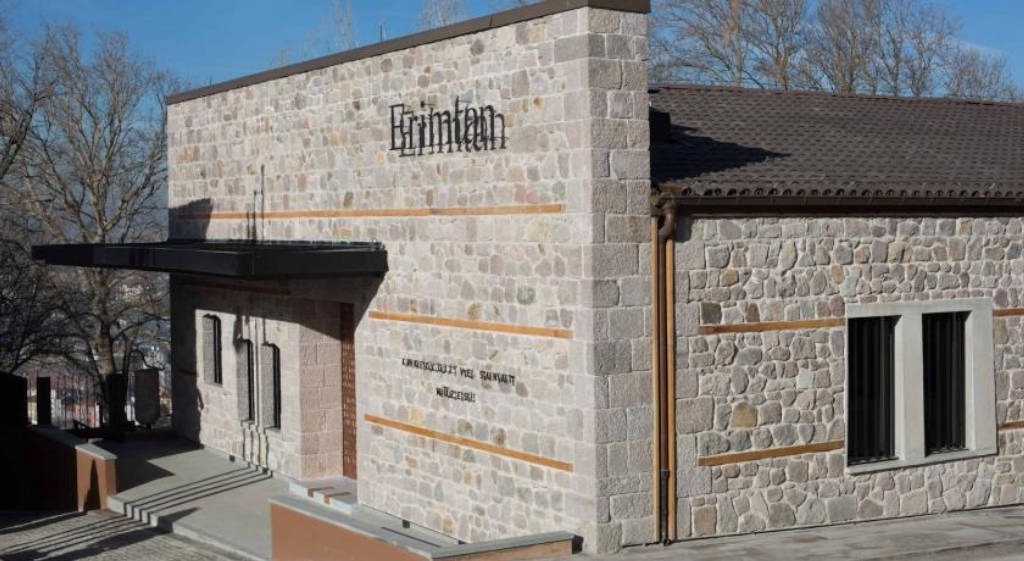
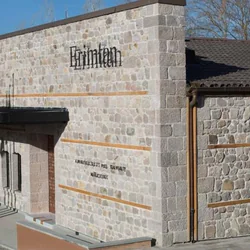
Erimtan . Museum of Art & Archeology
 10 Gözcü Sokak, Kale, Altindag, Ankara
The Erimtan Museum's collection is primarily focused on the Antiquity period, so this museum acts as a great addition to the city's main Museum of Anatolian Civilizations. Breaking free from the rigors of traditional museums, Erimtan's contemporary layout enlivens the exhibits of this private collection, allowing visitors to understand more about everyday life during the Hellenistic period and Rome.
The Erimtan Museum of Art and Archeology Collection is an exceptional archaeological collection of two thousand movable works, most of which are of Anatolia origin. The collection was born when Yüksel Erimtan purchased his first Roman stone jewelry in 1960, and has expanded over time in consultation with professional archaeologists. The collection, including artifacts, dates back to 3000 BC. until the Byzantine Empire, or artifacts belonging to civilizations such as the Hittites, Urartu, Assyria, Achaemenids and Byzantines.
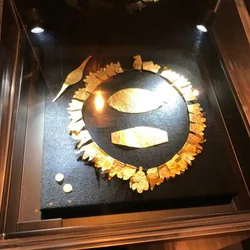
The majority of the works in the collection include finds from ancient Greece and Rome. These finds include bowls, vases, mugs, measuring cups, rings, beakers, perfume bottles, ring stones with seal engravings, tweezers, gold crowns, jewelry, mirrors, glass mixing sticks and many coins of gold, silver and bronze.
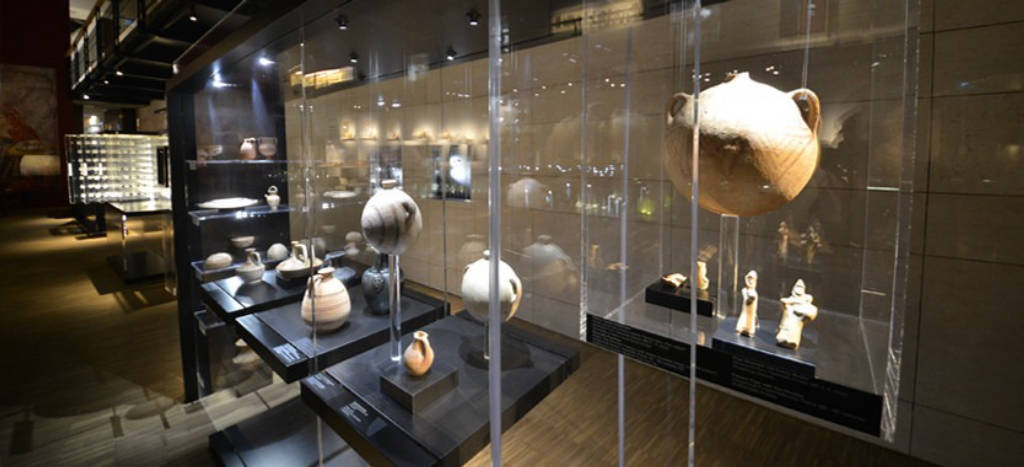
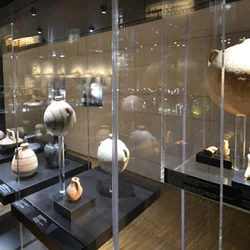
The works in the museum's collection not only emphasize the cultural heritage of the Anatolian landscape, but are also brought together in a way that introduces the viewer to unique methods of exhibition that highlight visual value. of works, while allowing viewers to draw similarities between the works and elements from their daily lives.
Ceramic artifacts
Ceramics entered everyday life in the Near East starting in 7000 BC. for storage, cooking and transportation purposes, and spread rapidly due to its ease of manufacture and resistance to heat. The durability of ceramic has allowed many works to be preserved to this day. Among the ceramic works bring us about the economic, political, social and cultural advancements of the society in which they were used. Ceramic artifacts on display include beaked ceramic vases typical of the Anatolian Bronze Age, pots and pans from Eastern Anatolia Van-Urmia and Urartu, and Proto-Geometric ceramics from Cyprus and Western Europe. Ceramics of the Roman period are displayed in the museum with a rich collection of daily life and eating culture during this period. In addition to their archaeological value, the ceramics on display resemble works of art in their form, color, and decoration. The presentation highlights the chronology, attributes of each work and the culture it belongs to, and contextualizes the social history associated with each work. For example, pottery from the Roman era is displayed in the context of their role in everyday life, as well as themes such as life inside the kitchen, dining and parties.
Glass artifacts
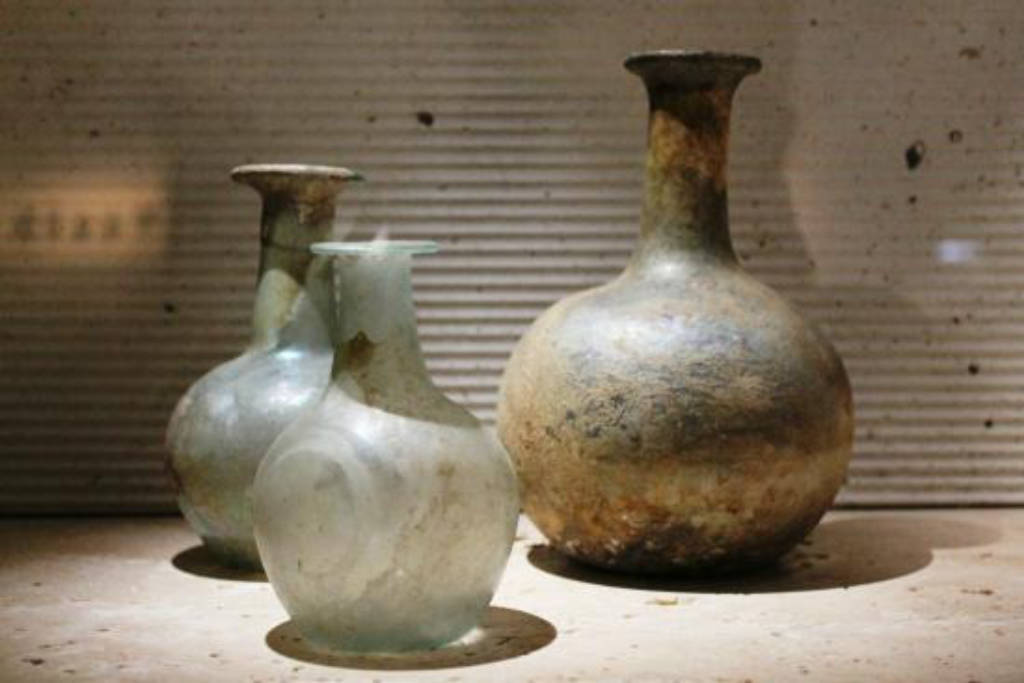
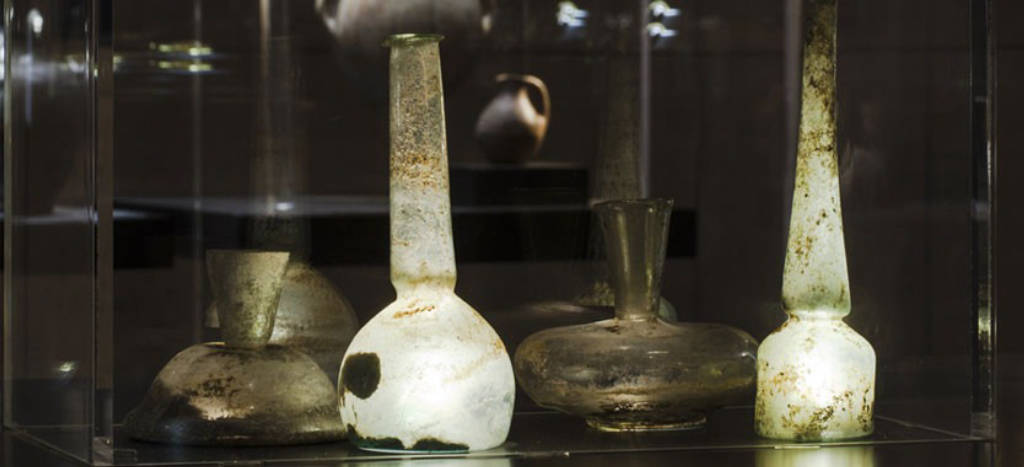
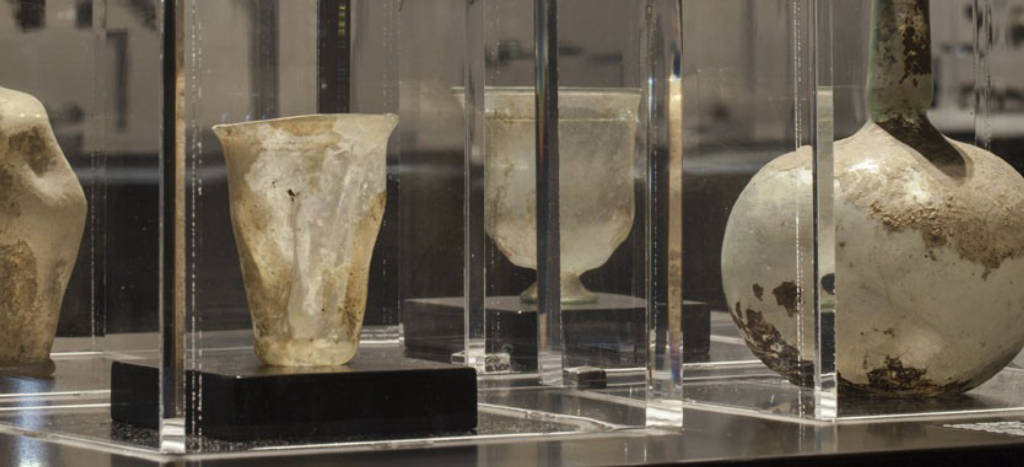
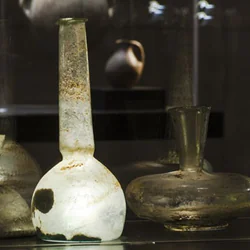
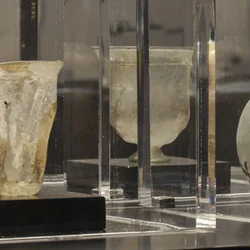
The Erimtan Museum of Art and Archeology Collection contains 273 works of glass. The pieces in the collection were produced using free-blowing and blow-molding techniques from the 1st to 3rd centuries BC, when Anatolia was under Roman rule. The largest part of the collection consists of small scent boxes or perfume bottles placed as gifts inside Roman tombs, as part of a popular tradition. The collection also includes many valuable spherical or rectangular bottle holders that were popular during the Late Roman period. In addition to the cups and bowls used in everyday life, many pieces of jewelry such as glass bracelets, rings and necklaces are also featured in the collection.
Bronze Artifacts
Among the 364 bronze works in the collection spanning from the Bronze Age to the Byzantine period are tools of war such as spears, arrowheads and axes; jewelry such as bracelets, rings, armbands, necklaces, belts, pins and straps; Classical tools such as oil lamps, crucifixes, mirrors, tweezers, braces, swings and bowls, as well as puzzle pieces such as rhymes and belief boards used in religious ceremonies. A significant portion of the bronze works include statues of animals, gods and goddesses. These figurines, which symbolize rituals for prosperity, protection, sacrifice and devotion, are quite varied in their patterns.
Ring Stone Collection
The Erimtan Museum of Art and Archeology Collection has 176 stone rings and 92 rings. The seal rings, which include decorative details carved with expert craftsmanship on small semi-precious stones, are used as personal seals. The sealing rings, which form a special group within the larger collection, represent the finest examples of the glycine art. Many of the stones are from the Roman period and some are still on their original rings. The figurines of emperors, gods, and goddesses, as well as the many myths carved into the sealing stones, present a richness of narrative and visual imagery.
Coins
There are 563 coins in the museum. Coins were created by minting metals such as gold, silver, and copper and bore the official seal of the ruling political power. The 80 coins in the collection are gold, while the rest are silver, bronze and gold-silver alloys. Most of the coins are from the Hellenistic, Roman and Byzantine periods. Factors such as the metal each coin was made from and its period were considered for the classification system to determine their presentation in the museum. The collection also includes groups that are considered treasures. The most prominent of these include 21 gold coins found inside a clay pot. These coins belonged to four different emperors in the Roman family Valentinian and were all printed in the Antiochian mint. II. The Valentinian coin (AD 375-392) contained in this treasure is a rare antique.
Jewelry
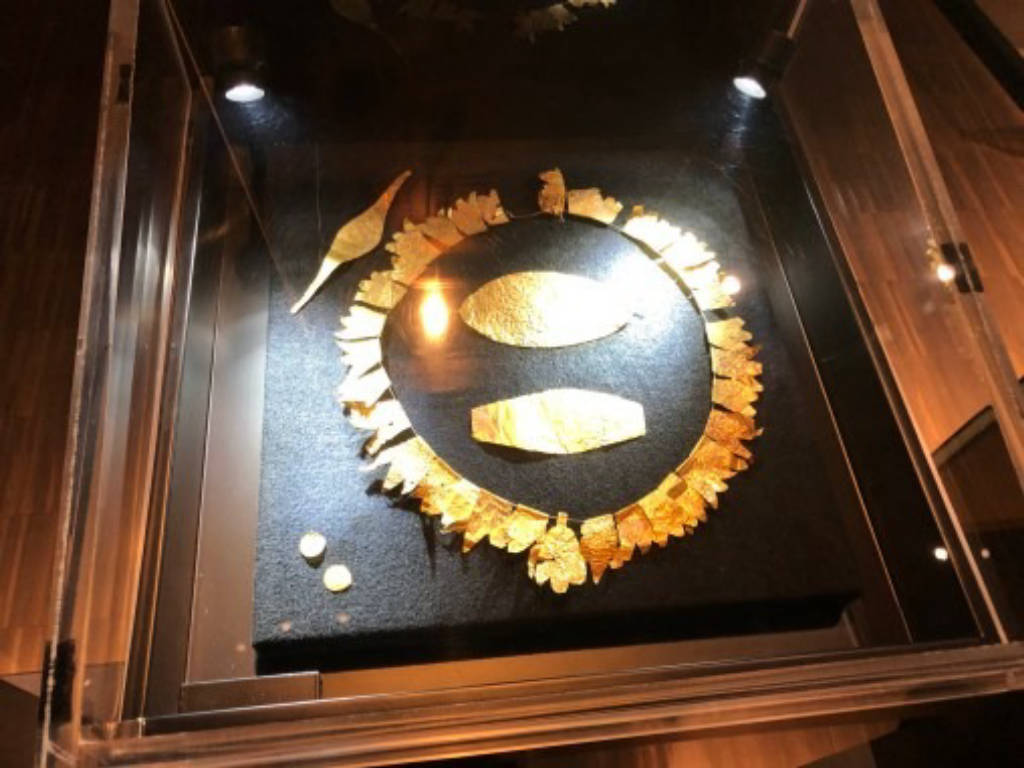
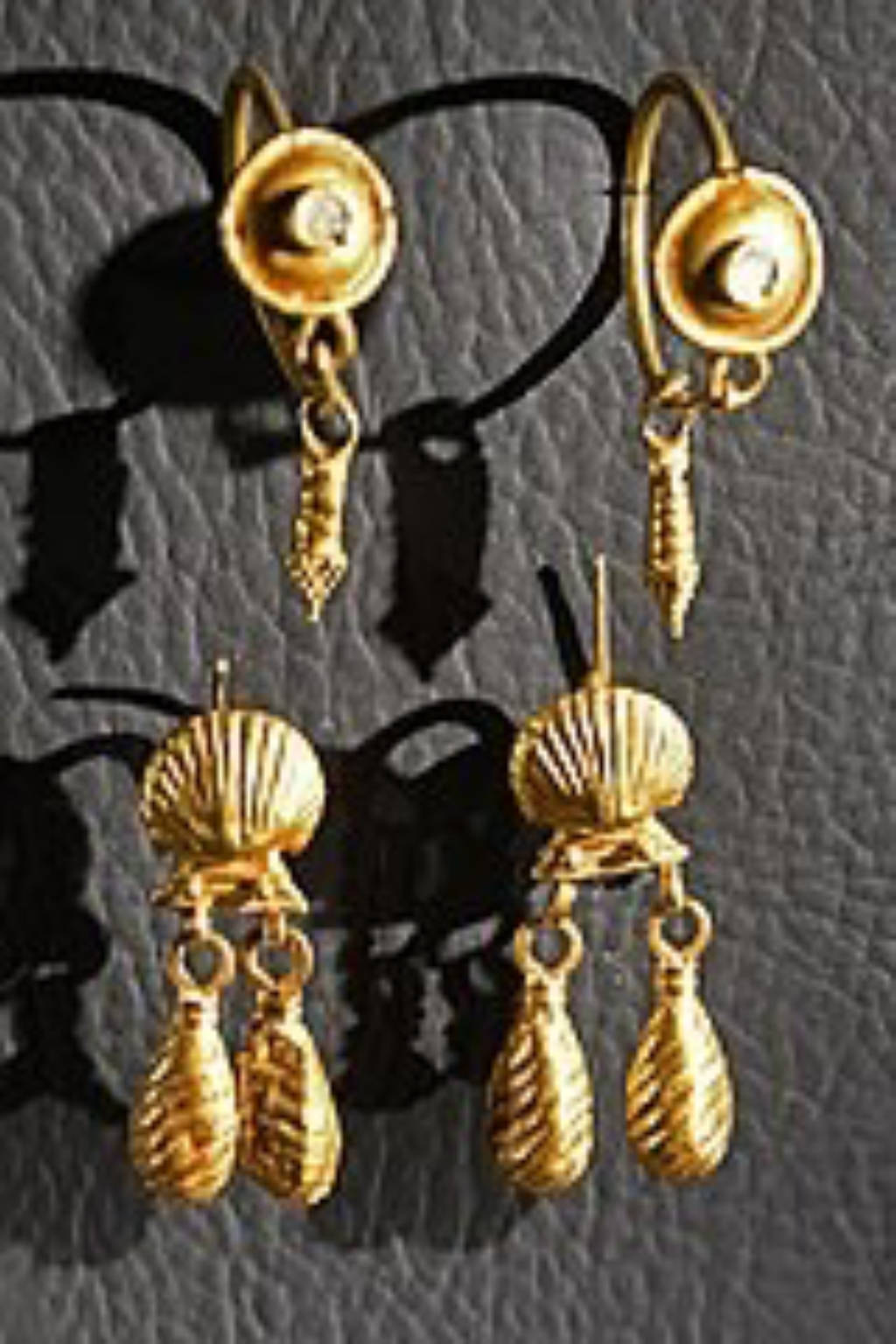
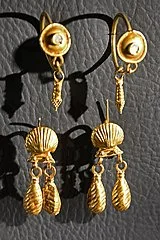
Jewelry in the Erimtan collection is grouped into items such as: necklaces, pendants, bracelets, rings, earrings, armbands and pins. Much of the jewelry in the collection belongs to the Roman period. Jewelry is one of the most striking pieces of the collection. Crowns, mouthpieces, eye rings and earrings are known as formal goods that bear witness to the art and craft of that period, which have made it up to this day.
In addition to the permanent collection, Erimtan also regularly hosts temporary exhibitions in its lower lobby whose content often focuses on specific archaeological sites or Turkish culture. The museum grounds also host a periodical evening classical concert.
Business hours:
From Tuesday to Sunday, from 11:00 to 17:00
Closed Mondays
Fare:
Adults: 10 liras/pax
Children: 5 liras/pax
Address: 10 Gözcü Sokak, Kale, Altindag, Ankara
Phone: +90 312 311 04 01