


 Tiếng Việt
 English
 한국어
한국어 日本語
日本語 简体中文
简体中文 Français
 Deutsch
 Español
 Italiano
 Русский




Những con đường mòn đi bộ tốt nhất ở Hồng Kông
 Hong Kong
Hồng Kông được biết đến với nhiều di sản văn hóa phong phú, ẩm thực đa dạng, kiến trúc pha trộn giữa cũ và mới, và tất nhiên không thể không kể đến là đường chân trời mang tính biểu tượng. Nhưng it ai nghĩ rằng Hồng Kông là một nơi lý tưởng cho các hoạt động dã ngoại, đặc là đi bộ đường dai (hiking). Hồng Kông được bao bọc bởi những ngọn đồi xanh tươi với những hòn đảo tráng lệ và những khối đá hùng vĩ và cách tốt nhất để khám phá những nét đẹp khác của thành phố là đi bộ trên những con đường mòn vắng vẻ, yên bình. Dưới đây là một số lựa chọn cho bạn và những người thân yêu của mình có thể trải nghiệm nếu có dịp ghé thăm xứ Cảng Thơm.
Dragon’s Back
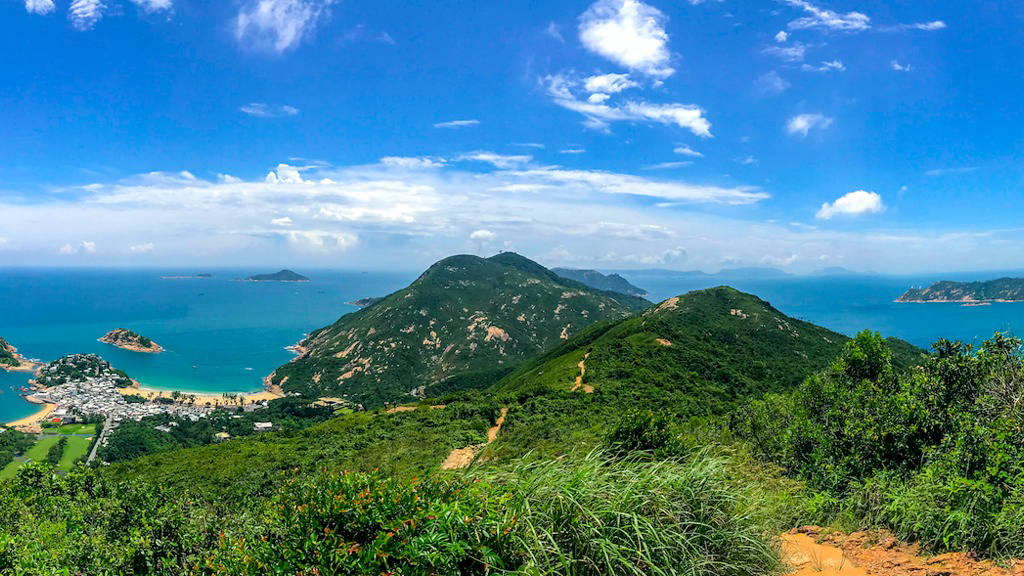
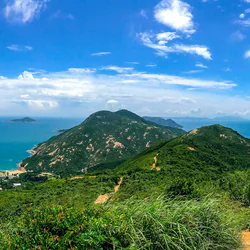
Là một trong những đường mòn đẹp nhất nằm trong khu vực trung tâm thành phố, Dragon’s Back là một điểm đến yêu thích cho những ai thích khám phá thiên nhiên và thử thách bạn thân. Nơi đây cho phép bạn thưởng ngoạn khung cảnh toàn thành phố, các hòn đảo phía Nam và đường bờ biển dài tuyệt đẹp. Chuyến đi bộ đường dài kết thúc tại Vịnh Big Wave, vì vậy bạn có thể ngâm mình trong biển hoặc dùng bữa thư giãn tại bất kỳ nhà hàng nào ngay cạnh bờ biển. Bắt đầu chuyến hành trình tại To Tei Wan trên Đường Shek O và đi theo Đường mòn Hồng Kông đến đài quan sát Bán đảo Shek O. Sau đó, tiếp tục đi bộ cho đến khi bạn đến được bệ lộ thiên trên Đỉnh Shek O, nơi mở ra cho bạn tầm nhìn ngoạn mục ra đường bờ biển. Sau đó, tiếp tục lên dốc để đến với Dragon’s Back view nơi bạn có thể nhìn lại Vịnh Tai Tam và đôi khi cả Đảo Lamma vào một ngày nắng đẹp. Khi đã sẵn sàng, bạn có thể bắt đầu đi xuống và men theo biển chỉ dẫn để đến thiên đường lướt sóng của Hồng Kông, Vịnh Big Wave.
- Cấp độ: mọi cấp độ, đặc biệt cho người mới bắt đầu làm quen với môn đi bộ đường dài
- Khoảng cách: 8.5 km
- Thời lượng dự kiến: 3 tiếng đồng hồ
- Độ khó: 2.5-5
- Lưu ý: Cung đường này không có bóng râm, vì vậy hãy đảm bảo bạn mang theo đủ nước và kem chống nắng cho chuyến hành trình khám phá này
- Phương tiện di chuyển: từ trung tâm thành phố, bạn có thể đi xe buýt số 9 hoặc xe buýt nhỏ màu đỏ từ bến xe buýt Shau Kei Wan đến To Tei Wan trên Đường Shek O. Tại Vịnh Big Wave, bạn có thể bắt lại xe buýt số 9 hoặc xe buýt nhỏ màu đỏ để quay lại Shau Kei Wan.
Đảo Lamman (Lamma Island)
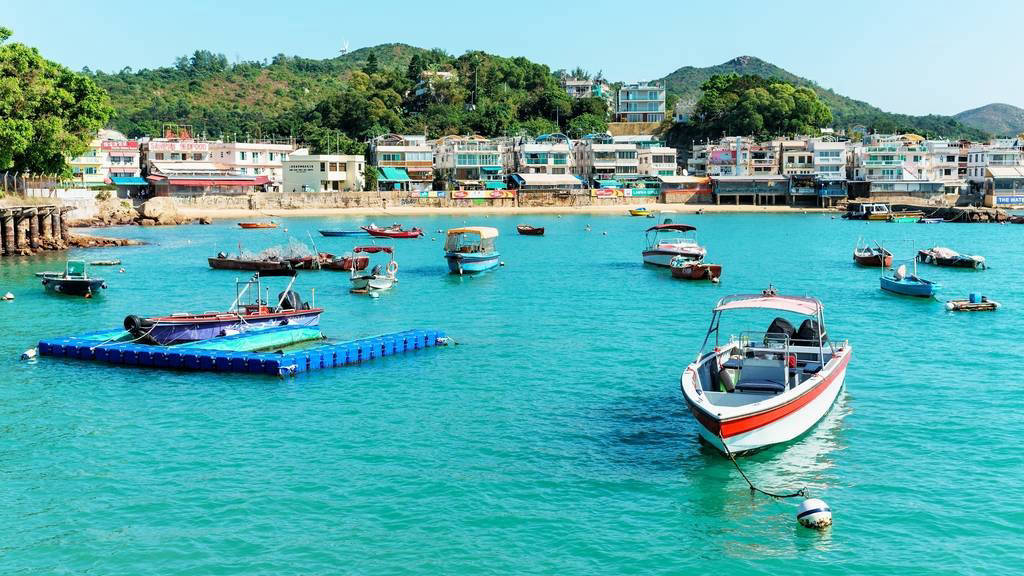
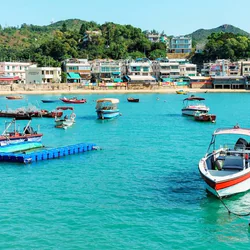
Đảo Lamma là hòn đảo lớn thứ ba ở Hồng Kông và chỉ cách Trung Hoàn 30 phút đi phà. Nơi đây được yêu thích vì không khí trong lành, quang cảnh tuyệt đẹp và có nhiều quán ăn từ các nhà hàng hải sản truyền thống của Trung Quốc đến các quán cà phê và quán bar hiện đại. Đi phà từ Bến tàu Trung Hoàn và bạn sẽ đến Yung Shue Wan. Từ đây, bạn có thể dành chút thời gian để đi lang thang quanh làng. Khi bạn đi qua ngôi làng, hãy tìm bảng chỉ dẫn đến Sok Kwu Wan và đi theo bảng chỉ dẫn đến Trạm Phong điện, cối xay gió đầu tiên của Hồng Kông. Bạn thậm chí có thể dừng lại để thăm trung tâm triển lãm và tìm hiểu lịch sử của khu vực này. Tiếp tục đi bộ đường dài và bạn sẽ đến Bãi biển Hung Shing Ye, nơi bạn sẽ tìm thấy các cửa hàng tự phát, khu vực tiệc nướng BBQ, cũng như nhà vệ sinh và phòng tắm. Rời bãi biển và tiếp tục đi lên dốc cho đến khi bạn đến điểm cuối cùng đánh dấu điểm cao nhất của chuyến đi bộ này. Tiếp tục đi bộ và cuối cùng bạn sẽ đến được Sok Kwu Wan, nơi có một vài nhà hàng nhìn ra biển tuyệt đẹp.
- Cấp độ: mọi cấp độ, đặc biệt cho người mới bắt đầu làm quen với môn đi bộ đường dài
- Khoảng cách: 7 km
- Thời lượng dự kiến: 2 tiếng đồng hồ
- Độ khó: 2.5-5
- Lưu ý: Bạn có thể bắt đầu hành trình từ Yung Shue Wan hoặc Sok Kwu Wan. Hãy nhớ kiểm tra lịch trình của phà để đảm bảo có đủ thời gian trên đảo.
- Phương tiện di chuyển: các chuyến phà từ Bến tàu Trung Hoan 4 (Central 4) đến cả Yung Shue Wan và Sok Kwu Wan.
Đỉnh Thái Bình (The Peak)
Đây là một địa điểm không thể bỏ qua ở Hồng Kông, The Peak rất nổi tiếng nhờ vào một tầm nhìn tuyệt đẹp ra Cảng Victoria và thành phố. Cách độc đáo nhất để khám phá Đỉnh Thải Bình là đi bộ đường dài một giờ xung quanh. Đường Harlech Road và Lugard Road Round Walk bắt đầu bên cạnh Tháp the Peak, nơi có tầm nhìn 360 độ ra thành phố. Đường đi bộ bằng phẳng và có thể đi lại bằng xe đẩy trẻ em. Ngoài ra, bạn có thể thử sức chinh phục đỉnh Thái Bình vào buổi tối để ngắm nhìn đường chân trời mang tính biểu tượng của Hồng Kông vào ban đêm. Nếu lịch trình của bạn cho phép, hãy ghé thăm Victoria Peak Garden, cách Peak Tower chỉ 10 phút đi bộ. Đây là nơi ở trước đây của Thống đốc Hồng Kông, sau đó đã bị phá bỏ.
- Cấp độ: mọi cấp độ, đặc biệt cho người ai thích trải nghiệm các hoạt động ngoài trời
- Khoảng cách: 3.5 km
- Thời lượng dự kiến: 1 tiếng đồng hồ
- Độ khó: 1-3
- Lưu ý: Cung đường này phù hợp cho các gia đình nhưng khá đông đúc vào cuối tuần
- Phương tiện di chuyển: Đi xe điện từ ga cuối Peak Tram trên đường Garden, hoặc bắt xe buýt số 15 từ ga Exchange Square và xuống xe tại trạm The Peak
Sunset Peak
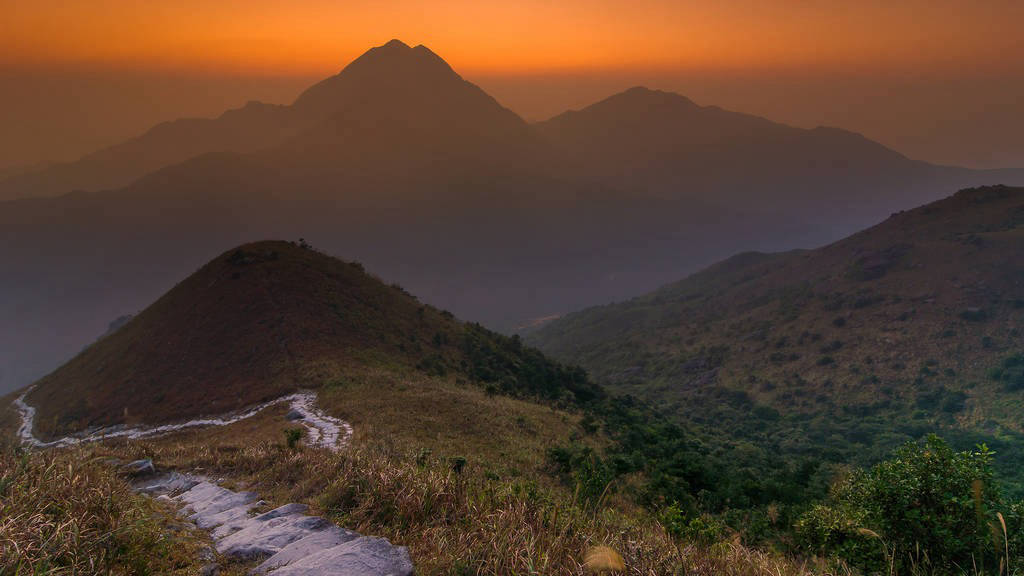
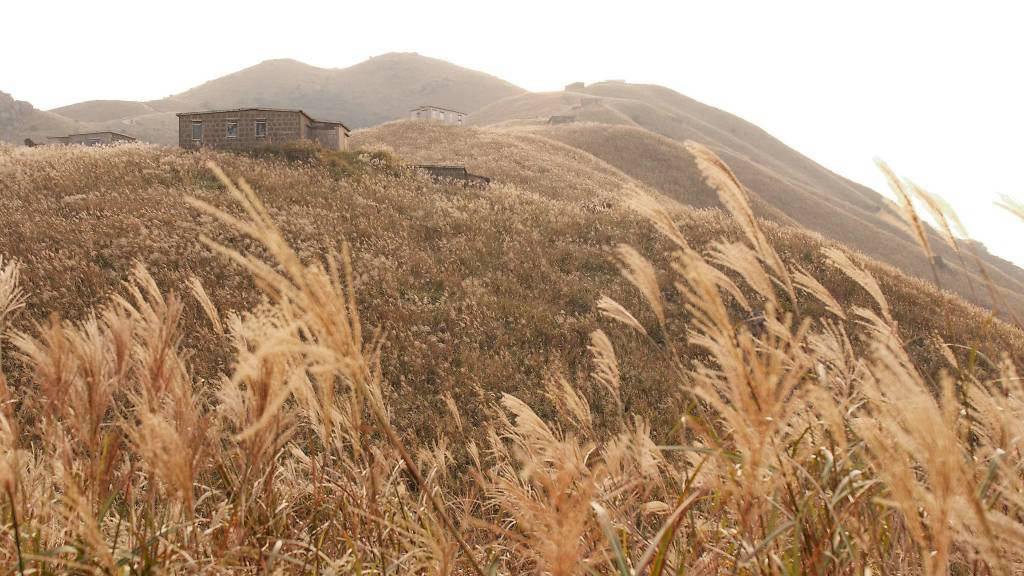
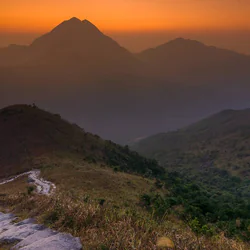
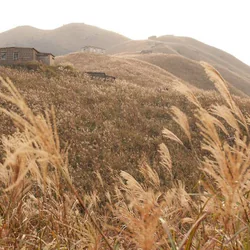
Thử trải nghiệm leo lên đỉnh cao thứ ba của Hồng Kông để phóng tầm nhìn xuống một khung cảnh thiên nhiên buổi tối tuyệt vời nhất, chắc chắn đây là một trải nghiệm tuyệt vời nhất trong chuyến du lịch Hồng Kông của bạn. Bắt đầu hành trình khám phá đầy ấn tượng này tại Pak Kung Au, nơi dẫn bạn lên Đường mòn Lantau đầy cỏ để ngắm nhìn toàn cảnh từ Sunset Peak. Hãy tận hưởng đường bờ biển Lantau, Pui O trên đường đi. Khung cảnh lãng mạn trên đỉnh núi sẽ khiến chuyến leo núi gian khổ trở nên đáng giá hơn rất nhiều. Từ giữa tháng 10 đến đầu tháng 11, đó là mùa cỏ bạc, bạn sẽ có dịp chứng kiến một biển cỏ bạc tỏa sáng dưới sắc vàng của ánh hoàng hôn. Nếu bạn muốn ngắm hoàng hôn, hãy mang theo đầy đủ dụng cụ chiếu sáng vì tại đây trời tối rất nhanh. Bạn nên bắt đầu hành trình từ khoảng 3 giờ chiều để đảm bảo bạn có đủ thời gian để quay lại trung tâm thành phố khi trời vừa tối.
- Cấp độ: mọi cấp độ, đặc biệt cho người ai thích trải nghiệm các hoạt động ngoài trời
- Khoảng cách: 7 km
- Thời lượng dự kiến: .3.5 tiếng đồng hồ
- Độ khó: 4-5
- Lưu ý: Đường đi lên từ điểm xuất phát đến đỉnh là khoảng 529m, vì vậy hãy đảm bảo rằng thể chất của bạn phù hợp với cung đường. Nếu bạn muốn đón hoàng hôn, hãy mang theo đèn pha và dành đủ thời gian để đi bộ trở lại. Nơi đây khá đông đúc trong mùa cỏ bạc
- Phương tiện di chuyển: Đi xe buýt số 11, 23 hoặc 3M từ Bến xe buýt Ga Tung Chung đến Pak Kung Au. Từ điểm cuối bắt xe buýt 3M đến Ga Tung Chung hoặc đến trạm Mũi Wo.
Lion Rock
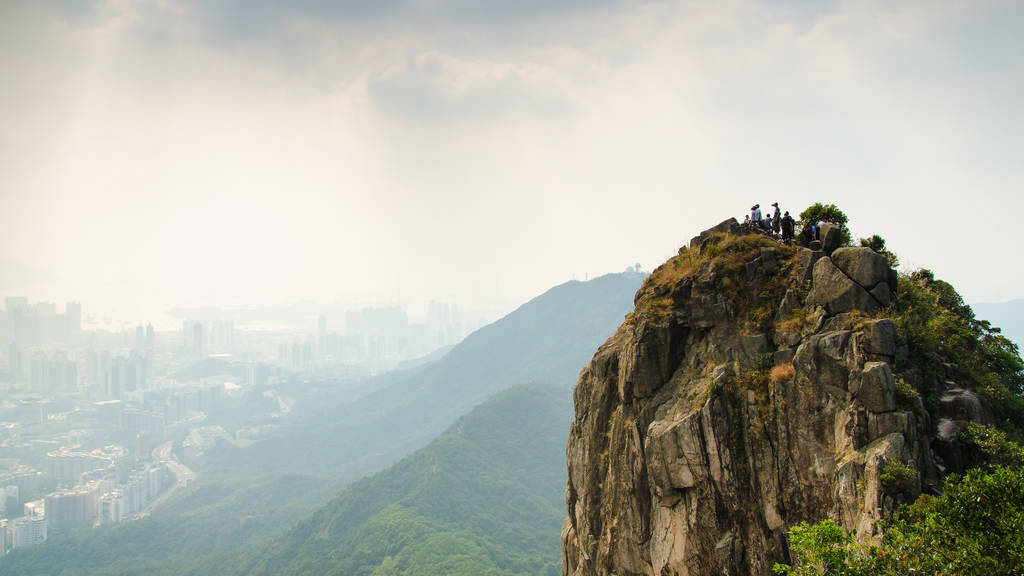
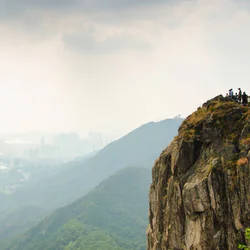
Được đặt tên do hình dạng giống với đầu của Sư tử, Lion Rock được coi là một trong những đường đi bộ đường dài mang tính biểu tượng nhất của Hồng Kông. Nhiều bài hát Cantopop và chương trình truyền hình đã đề cập đến Lion Rock vì nó được cho là hiện thân của tinh thần của người Hồng Kông. Ở đỉnh cao 495m, những người đi bộ đường dài sẽ có dịp phóng tầm nhìn 360 độ không bị cản trở bởi bất kỳ chướng ngại gì ra Cửu Long và Đảo Hồng Kông (quay mặt về phía Nam) và Tân Giới (quay mặt về phía Bắc). Đường đi bộ có độ khó trung bình do ban đầu dốc nghiêng với nhiều bậc thang. Địa hình có sự pha trộn giữa những con đường trải nhựa, bậc thang và những con đường mòn tự nhiên. Đường đi lên có những dải đất, không có nhiều bóng râm, vì vậy bạn hãy nhớ mang theo kem chống nắng. Sau khi bạn thưởng ngoạn quang cảnh trên đỉnh núi, con đường đi xuống có nhiều bóng râm hơn. Chuyến đi bộ bắt đầu tại Đền Hill Fat Jong, nơi bạn sẽ nhìn thấy đường đèo Shatin. Đi theo con đường đó cho đến khi bạn đến lối vào Công viên Quốc gia Lion Rock. Khi xuống dốc, bạn sẽ muốn đi theo các biển chỉ dẫn đến Công viên Lion Rock, là công viên nằm ở chân núi, nơi kết thúc chuyến đi bộ của bạn. Đó là một chặng đường đi bộ tương đối ngắn, nhưng bạn nên uống ít nhất 1 lít nước để đảm bảo bạn được cung cấp đủ nước trong suốt hành trình.
- Cấp độ: mọi cấp độ, đặc biệt cho người ai thích trải nghiệm các hoạt động ngoài trời
- Khoảng cách: 6 km
- Thời lượng dự kiến: 2-3 tiếng đồng hồ
- Độ khó: 4-5
- Lưu ý: Bạn nên thu xếp đi vào các ngày trong tuần, và nên đi sáng sớm để tránh ánh nắng giữa trưa hoặc chiều muộn để có thể ngắm hoàng hôn tuyệt đẹp. Vì đây là một địa điểm đi bộ đường dài nổi tiếng nên các buổi chiều cuối tuần có xu hướng khá đông đúc
- Phương tiện di chuyển: Đến ga tàu điện ngầm Wong Tai Sin và đi theo lối ra B3, trước khi bắt xe buýt nhỏ 18M đến Đền Temple Hill Fat Jong.