


Xem tất cả kết quả cho ""

 Ngày bất kỳ
  Tiếng Việt
 English
 한국어
한국어 日本語
日本語 简体中文
简体中文 Français
 Deutsch
 Español
 Italiano
 Русский


 Đăng nhập cho Doanh nghiệp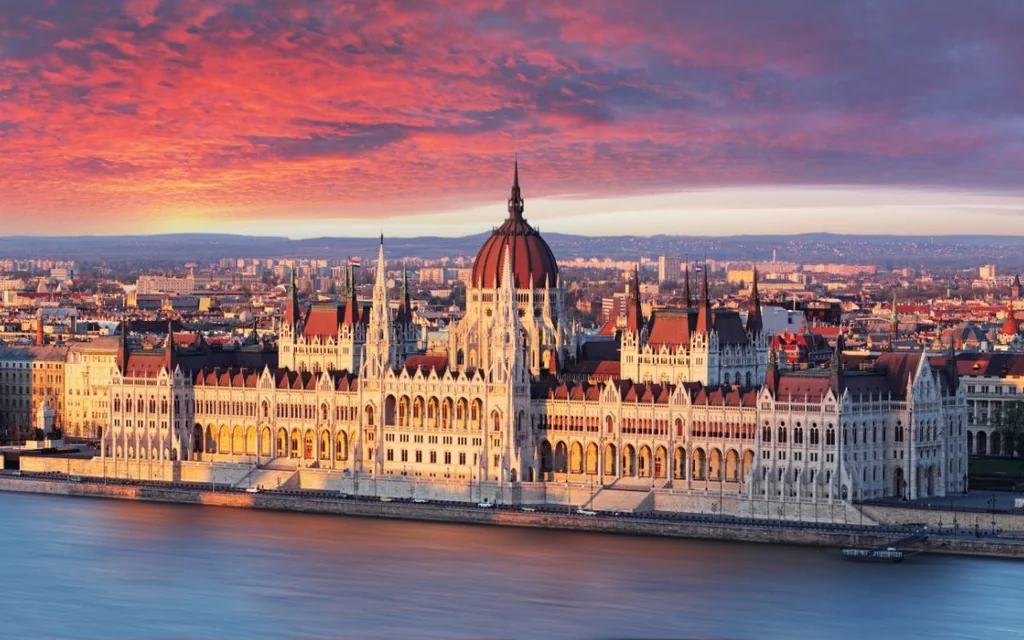
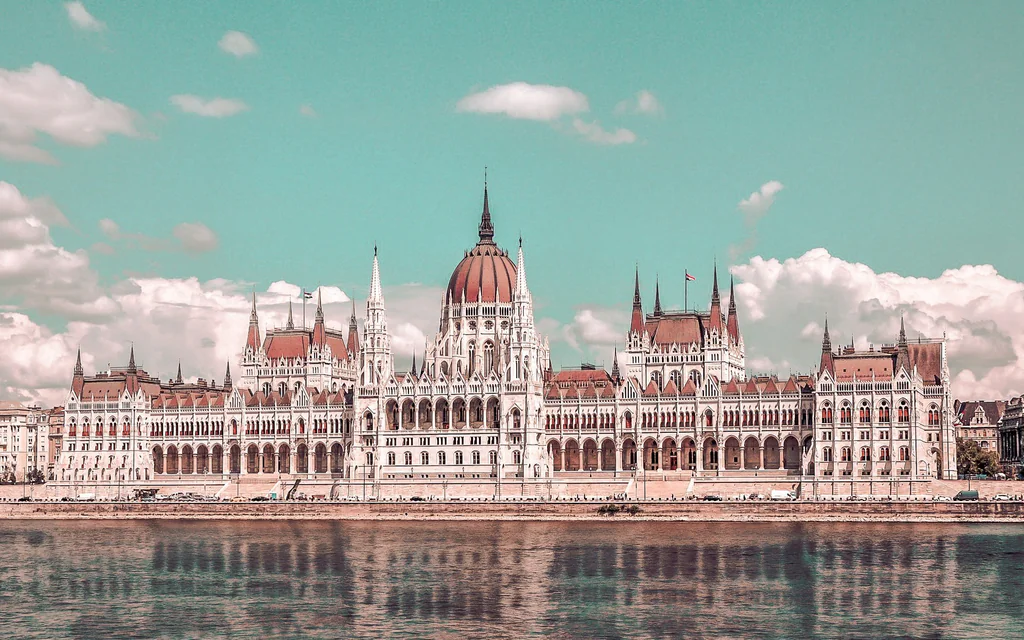
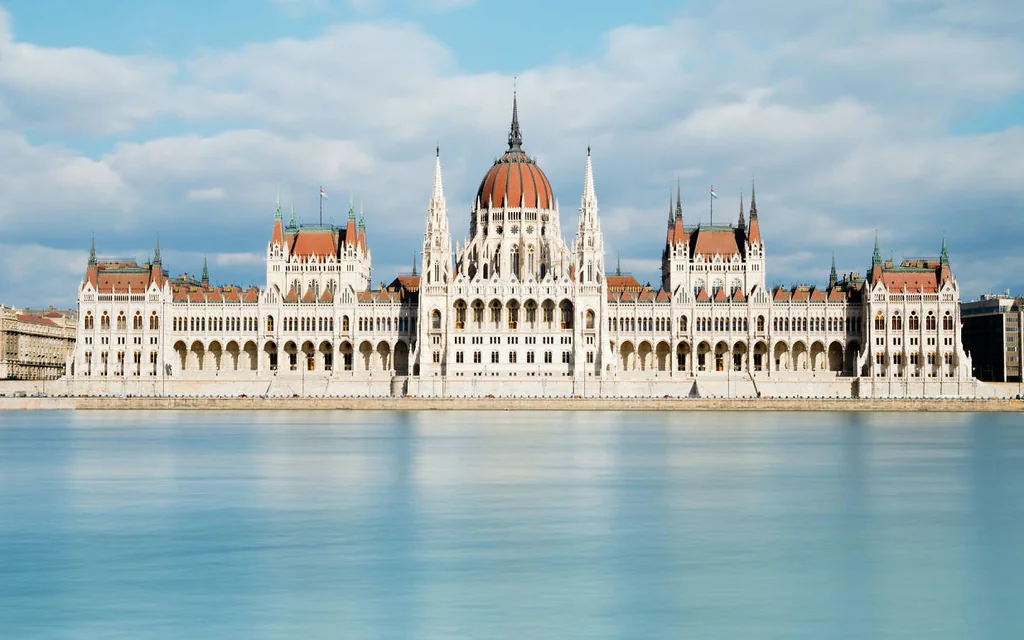
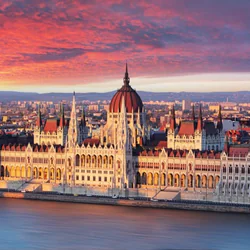
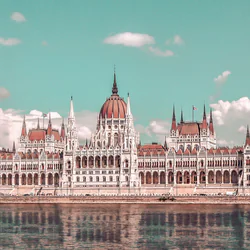
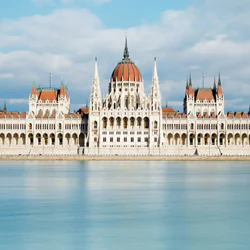
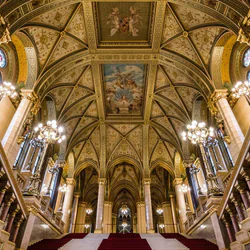
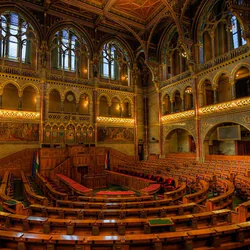
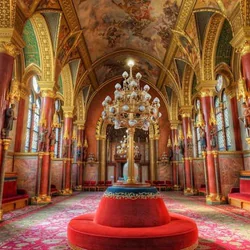
Toà nhà Quốc hội Hungary
 Budapest, Kossuth Lajos tér 1-3, 1055 Hungary
“Một trong những toà nhà mang tính biểu tượng nhất của thành phố và cũng là một trong những ví dụ điển hình nhất về kiến trúc Gothic Revival và Renaissance Revival trên thế giới”
Quốc hội Hungary là một trong những toà nhà đẹp nhất trên thế giới, nó còn là biểu tượng của đất nước và mọi thứ Hungary đã trải qua trong nhiều năm. Cho đến năm 1843, người Hungary không có toà nhà Quốc hội của riêng mình. Sau sự thay đổi của thủ đô Bratislava ngày nay đến Budapest, người dân cảm thấy cần thiết phải xây dựng một toà nhà đế quốc cho Chính phủ.
Năm 1880, một kiến trúc sư người Hungary đã thắng giải thiết kế cho toà nhà Quốc hội Hungary, lấy cảm hứng từ toà nhà Quốc hội Anh. Tương tự như toà nhà Quốc hội Anh, toà Quốc hội Hungary cũng nằm trên bờ sông Danube. Các yếu tố kiến trúc mang phong cách noe-Gothic và Phục hưng đã tạo thêm nét duyên dáng cho toà nhà. Hoàn thành vào năm 1902, toà nhà Quốc hội kiên cường và đã đứng trước thử thách của thời gian. Nó đã sống sót qua hai cuộc Chiến tranh Thế giới, các cuộc nổi dậy, các cuộc biểu tình và các cuộc cánh mạng. Bất chấp lịch sử đầy biến động mà nó đã chứng kiến, toà nhà Quốc hội Hungary đứng cao và hùng vĩ bên bờ sông Danube.
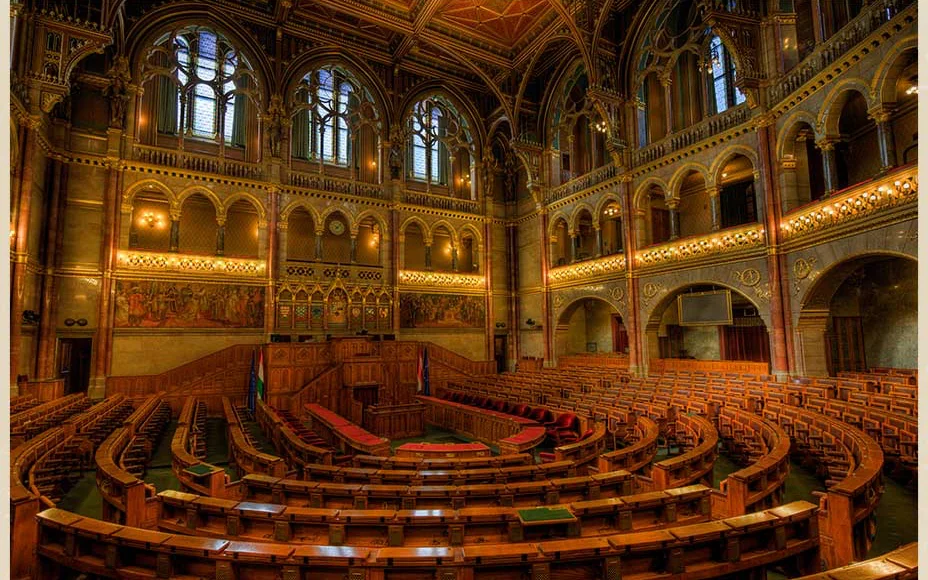
Có hai hội trường chính trong Quốc hội, cả hai đều bằng nhau, để biểu thị sự bình đẳng của cả hai ngôi nhà (Thượng viện và Hạ viện). Một trong những hội trường này được Chính phủ và những những nhà chính trị sử dụng cho các tour du lịch có hướng dẫn. Toà nhà có 691 phòng được trang trí đẹp mắt, trong đó một số phòng được mở để trưng bày. Có 242 tác phẩm điêu khắc trên tường và các hành lang và phòng có tượng của những người cai trị Hungary, những người cai trị Transylvanian và quân đội Hungary. Một trong những phần nổi tiếng nhất của toà nhà Quốc hội là một hình lục giác hoặc mười sáu sảnh với một phòng Thượng và Hạ viện liền kề nó.
Những điểm tham quan nổi bật trong toà nhà Quốc hội bao gồm:
- Vương miện Hungary: Vương miện đính đá quý và các phù hiệu khác nằm trong Hội trường mái vòm, nơi được bảo vệ 24/7 bởi lính canh.
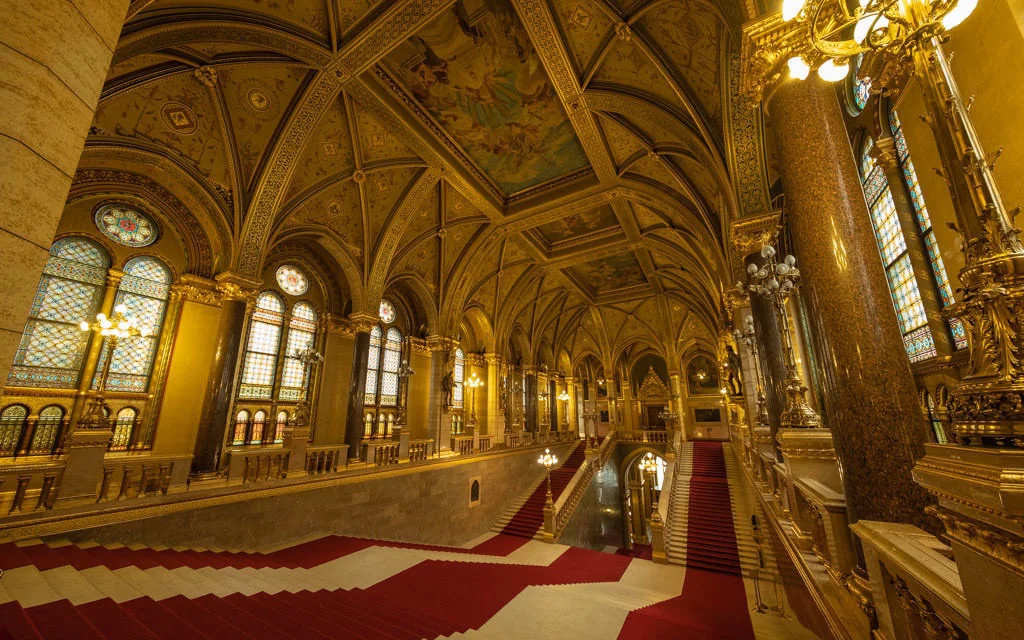
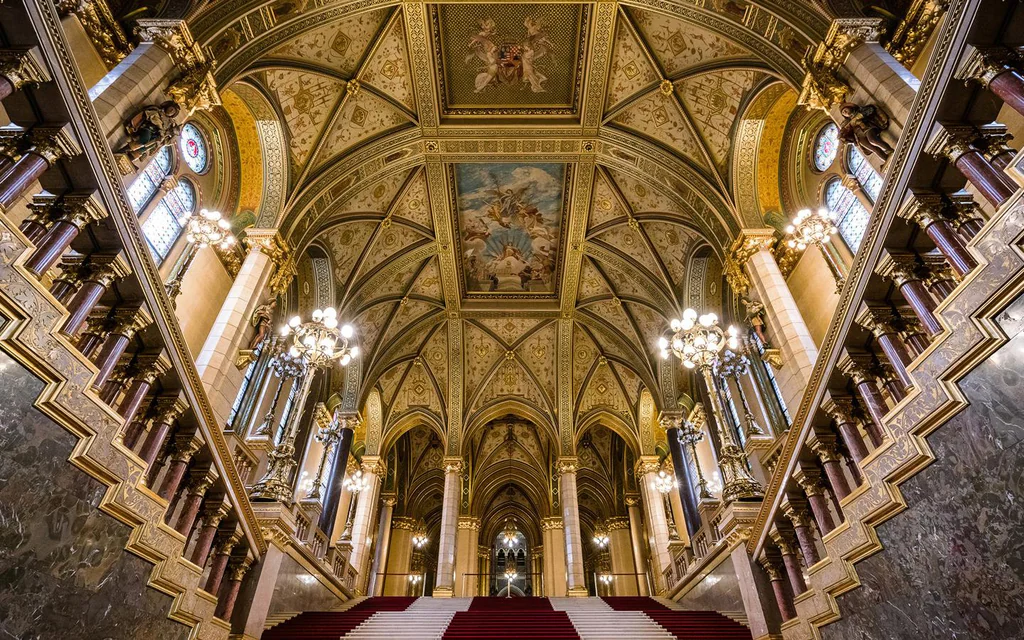
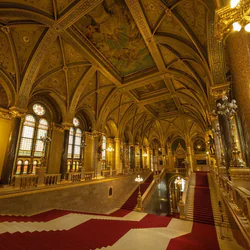
- Cầu thang XVII: một cầu thang mạ vàng trang trí. Nó dẫn đến tầng chính của Toà nhà Quốc hội. Cửa sổ kính màu, những bức bích hoạ phong phú đầy màu sắc như chào đón du khách đến với sự sang trọng của toà nhà.
- Hội trường Upper House cũ: hội trường này từng là nơi đặt Thượng viện của Quốc hội cho đến khi Hungary quyết định biến nó thành House Government. Hội trường được sử dụng cho các hội nghị và các cuộc họp chính thức hiện nay. Đây là một căn phòng lộng lẫy, với đồ trang trí mạ vàng và phòng trưng bày. Đằng sau bục phát biểu, có những bức tranh về phù hiệu của các gia đình hoàng gia Hungary. Có chỗ ngồi cho 453 người trong phòng này.
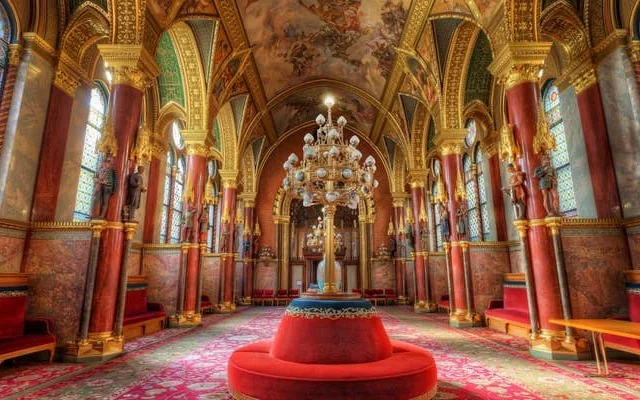
- Upper House Lobby: điểm đặc biệt của Upper House Lobby là một tấm thảm trải sàn màu ngọc lam. Các trụ cột được trang trí với các bức tượng của các nhóm quốc gia Hungary cũ và hàng thủ công văn hoá Hungary. Sảnh có trần mạ vàng trang trí công phu với những bức tranh.
- Hội trường mái vòm: có vương miện Hungary và phù hiệu hoàng gia. Mái có trần hình vòm được hoàn thiện bởi những bức tranh kính màu trên cửa sổ. Trên nền của các cột, có các bức tượng của những người cai trị Hungary trên bệ vàng.
- Grand Stairway: chuẩn mực của vẻ đẹp và sự sang trọng trong toà nhà Quốc hội Hungary. Cầu thang này có 96 bước được trải thảm đỏ, làm tăng thêm vẻ hoàng gia của toà nhà. Nó kết nối lối vào chính của Hội trường mái vòm. Tám cột đá granit, kiểu dáng độc đáo quanh đến nổi chỉ có 12 cột như vậy trên thế giới.
- Bảo tàng Quốc hội Hungary: bảo tàng mở cửa miễn phí cho công chúng để kể những câu chuyện lịch sử của Hungary. Hiện tại nó đang có những triễn lãm về “100 năm pháp luật Hungary”, “Lịch sử xây dựng”, “Bảo tàng đá”, “Đài tưởng niệm 1956” (biểu tượng cho cuộc nổi dậy năm 1956 chống lại Liên Xô).
Địa chỉ: Kossuth Lajos tér 1-3, 1055 Budapest
Giờ tham quan: - 1 Tháng 4 – 31 Tháng 10: mỗi ngày 08:00 – 18:00
- 1 Tháng 11 – 31 Tháng 3: mỗi ngày 08:00 – 16:00
Vé tham quan: HUF 6700 (người lớn) / HUF 3500 (trẻ em & học sinh 6-24 tuổi) / miễn phí cho trẻ dưới 6 tuổi