


See all results for ""

 Anytime
 Tiếng ViệtEnglish
 日本語
日本語 한국어
한국어 简体中文
简体中文 Français
 Deutsch
 Español
 Italiano
 Русский


 Login for Corporates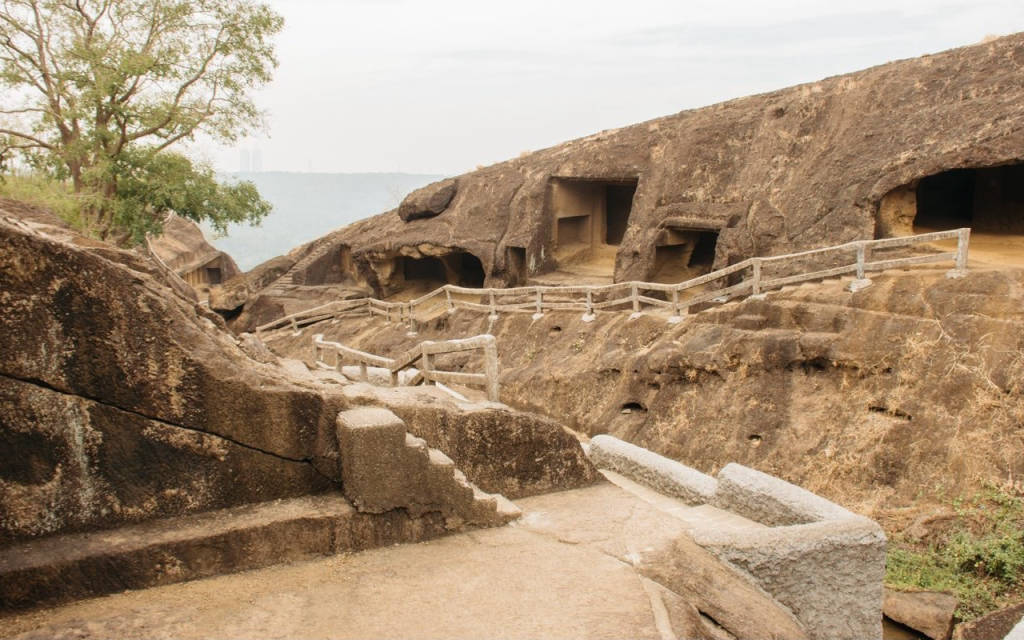
Kanheri Động Cave
 Mumbai, Maharashtra, India
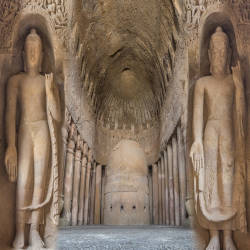
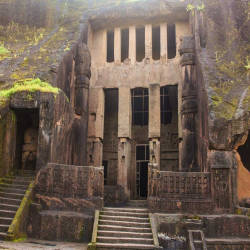
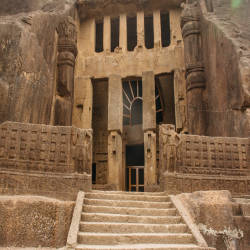
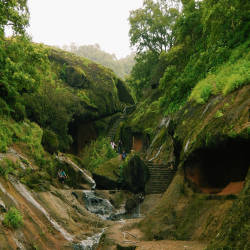
Kanheri Cave. is located on the outskirts of Mumbai, away from the hustle and bustle of the city. This green and spacious tourist attraction is a cave complex located on the hillside. It is one of the places worth visiting in Mumbai.
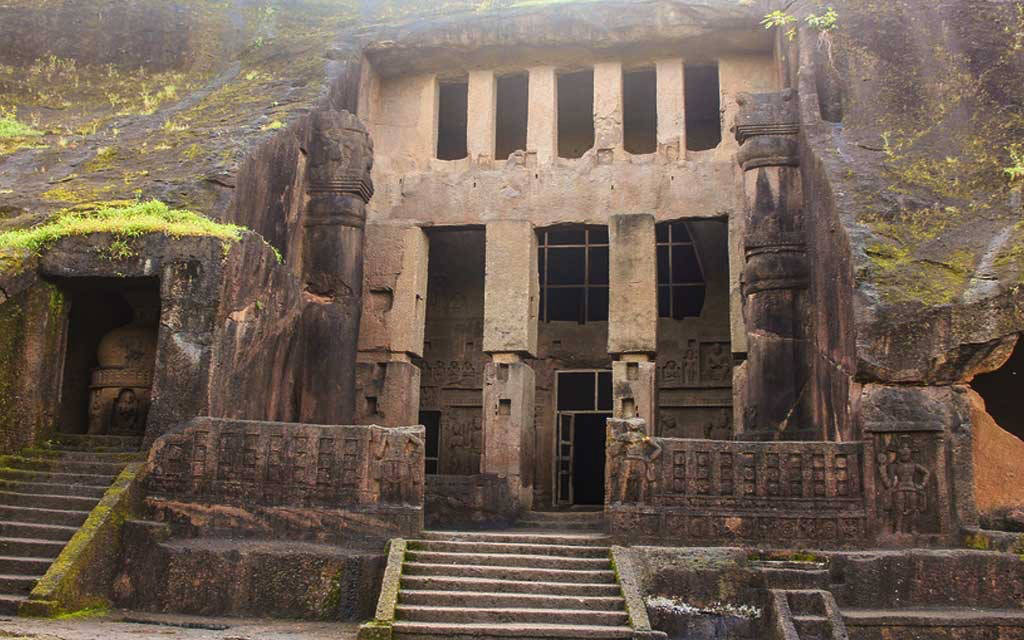
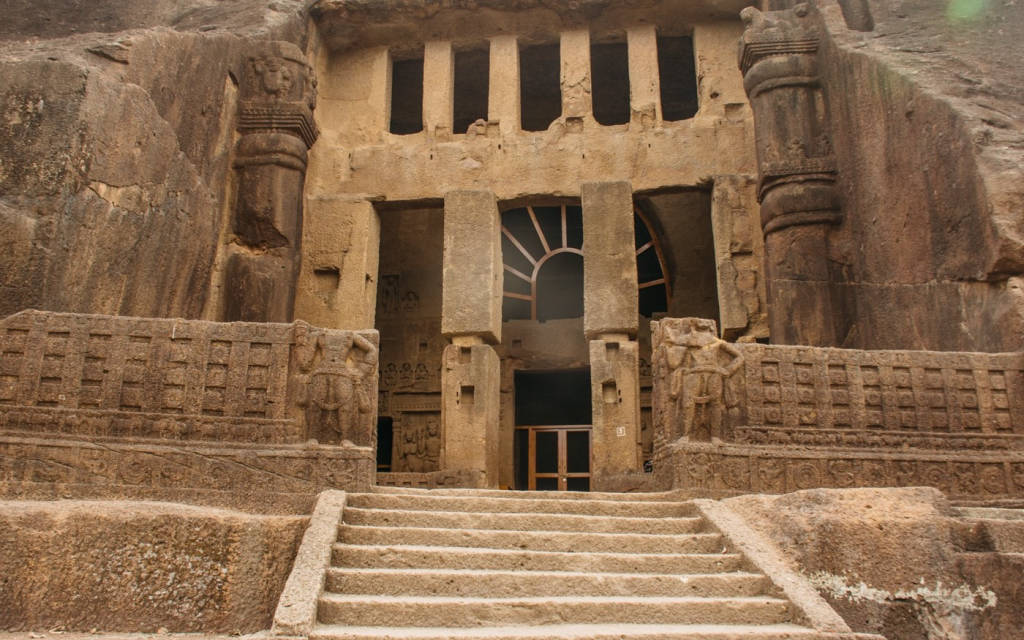
The Kanheri cave complex was built over a long period of time. This is a chain of 109 caves, with the oldest dating back to the first century BC. These caves are relatively equal to those built later. The most recent caves are from the 11th century, most of them as Buddhist monasteries. Although the caves have changed a lot, one thing that remains the same is the stone column in each cave.
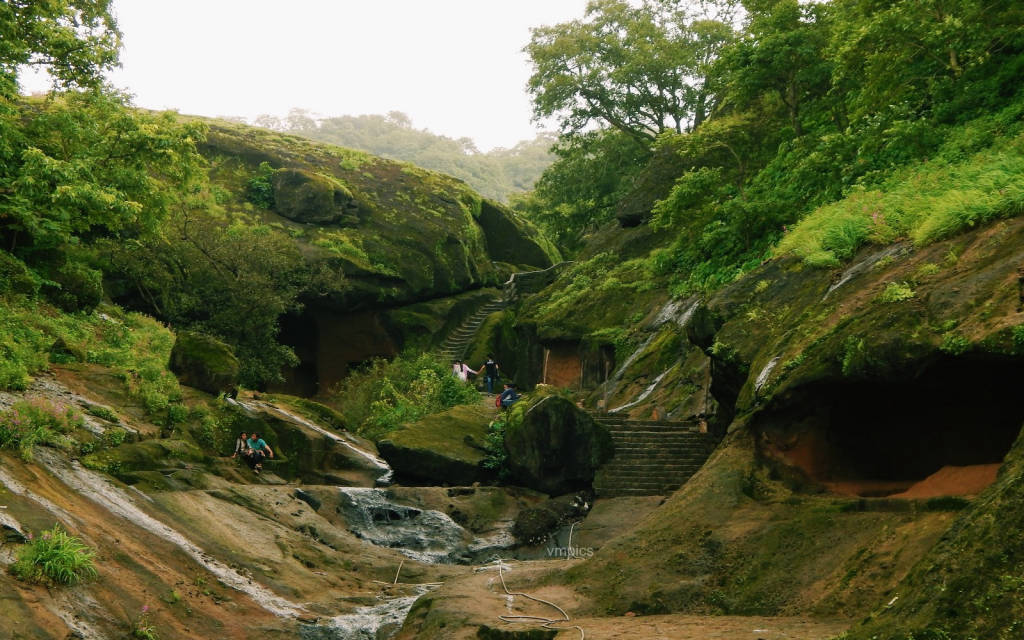
Kanheri Cave was once a Buddhist monastery and a place for worship, study and meditation. It is located in Sanjay Gandhi National Park and visitors will need to hike through the forests to reach the caves.
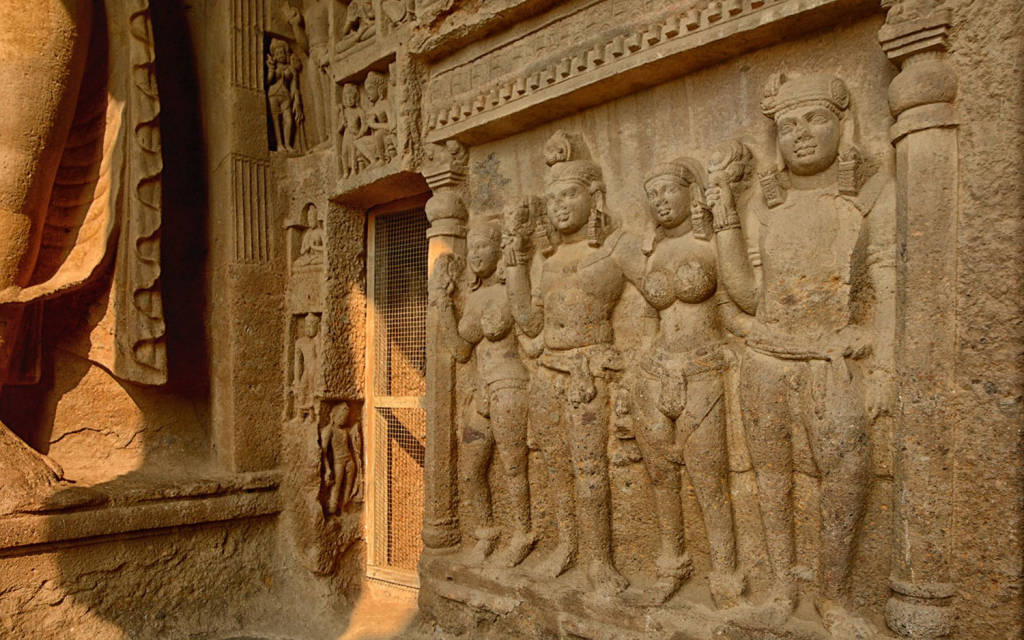
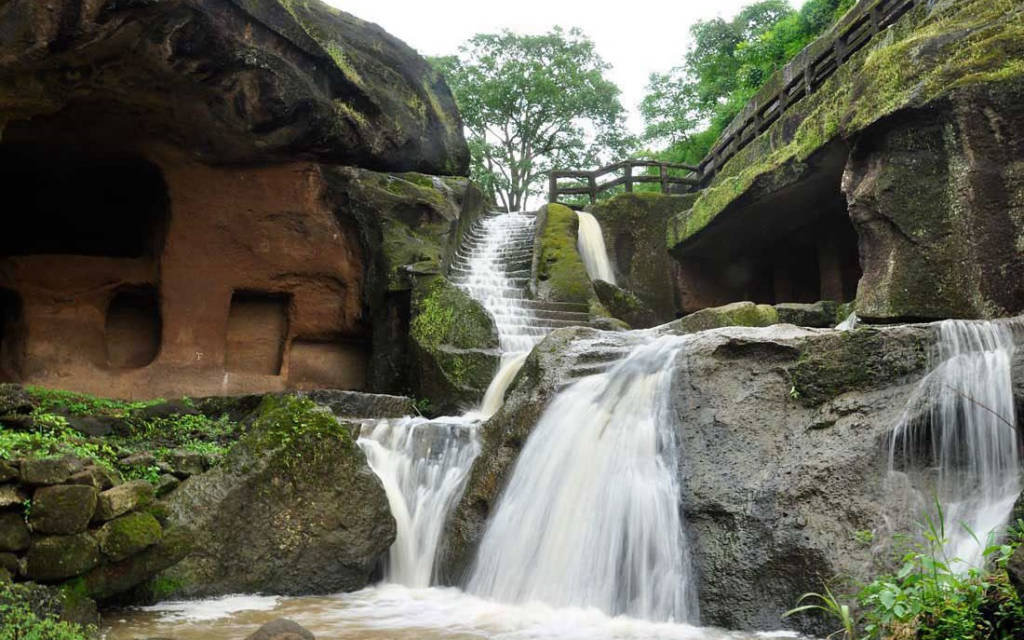
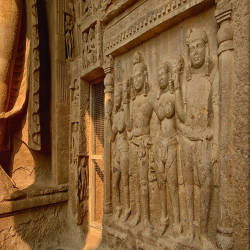
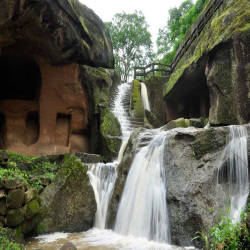
In addition to exploring the caves and nearby scenery, visitors can also view many Buddhist sculptures and paintings, some of which are still unfinished. It was a famous center of learning in its infancy and was also the residence of Buddhist monks. Traders and passersby also used the place as a stopover. Kanheri Cave also has many small springs and waterfalls. If you are looking for a quiet place to see the city skyline, then Kanheri Cave in Mumbai should be a great choice.
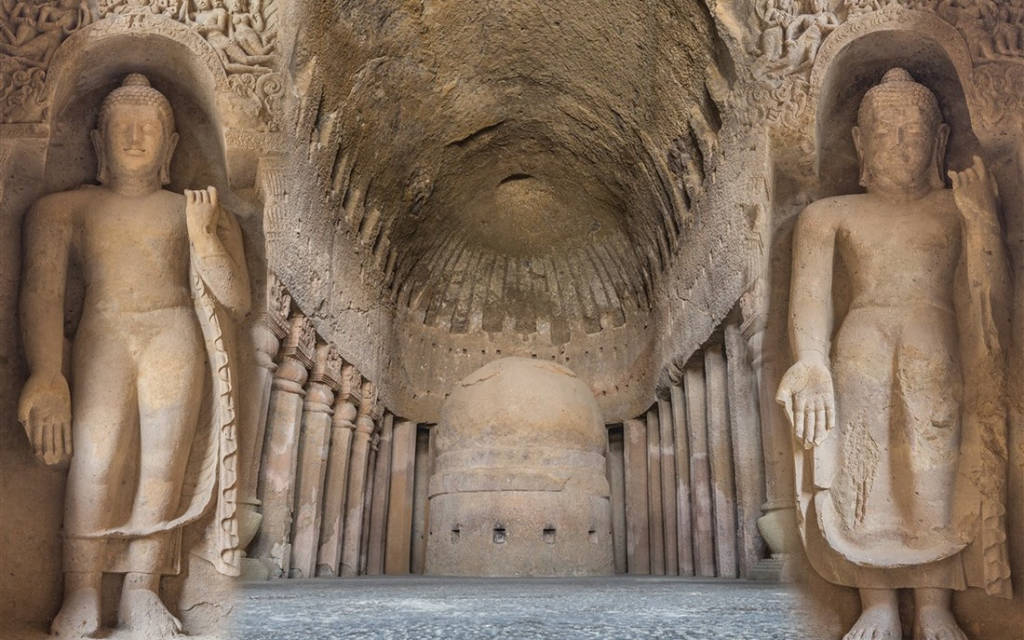
The architecture of Kanheri cave is not too complicated but different caves have different characteristics. Cave 1 is the unfinished electricians and has two floors. Cave 2 takes the form of a large hall consisting of three stupas, and the walls are carved with Buddha sculptures.
Cave 3 is the largest of the Kanheri caves, the most elaborately constructed and the most remarkable. An intricately carved screen separates the courtyard from the front. These shrines also have tall pillars and a stupa at one end, in addition to a large Buddha statue at the entrance. These three caves and others in the vicinity are part of a Buddhist monastery.
Cave 4 is the oldest of the caves and the next two - Hang 5 and Hang 6, are water tanks.
Other important caves are those numbered 11, 34, 41, 67 and 90. Cave 11 was once the Darbar Hall or Assembly Hall. A statue of Buddha is placed in the center. Cave 34 is notable for its paintings of Buddha on the ceiling, although still unfinished.
After that, Cave 41 was the residence of the eleven-headed Avalokitesvara Bodhisattva, symbolizing the gradual progress towards enlightenment. Cave number 67 has another statue of Avalokiteshvara and contains scenes from the Jataka story. Cave 90 is the darkest cave there and is known for having the oldest preserved mandala (from the 6th century AD).
Most caves also have channels cut out to store rainwater. The caves contain numerous Brahmi and Devanagari inscriptions, and some remains in Pahlavi.
The word 'Kanheri' is derived from Krishnagiri, a Sanskrit word meaning "Black Mountain". This ancient monastery is carved out of black basalt and is a center of learning and pilgrimage site for Buddhists. The majority of the inscriptions remain undeciphered, but it is believed that the first excavations began around the 1st or 2nd century BC. The large halls with stupas suggest that the cave was meant as a Buddhist temple and that the place played an important role in the spread of Buddhism in India.
Trekking to Kanheri Cave is worth a try whether you are a beginner or an expert hiker, you will feel wonderful due to the scenery there, with the surrounding greenery, many small waterfalls increasing add its charm. And visitors can also occasionally see the animals that inhabit the outer reaches of Sanjay Gandhi National Park.
Opening hours: 07:30 - 17:00
Admission: free