


 Tiếng Việt
 English
 한국어
한국어 日本語
日本語 简体中文
简体中文 Français
 Deutsch
 Español
 Italiano
 Русский


 Đăng nhập cho Doanh nghiệp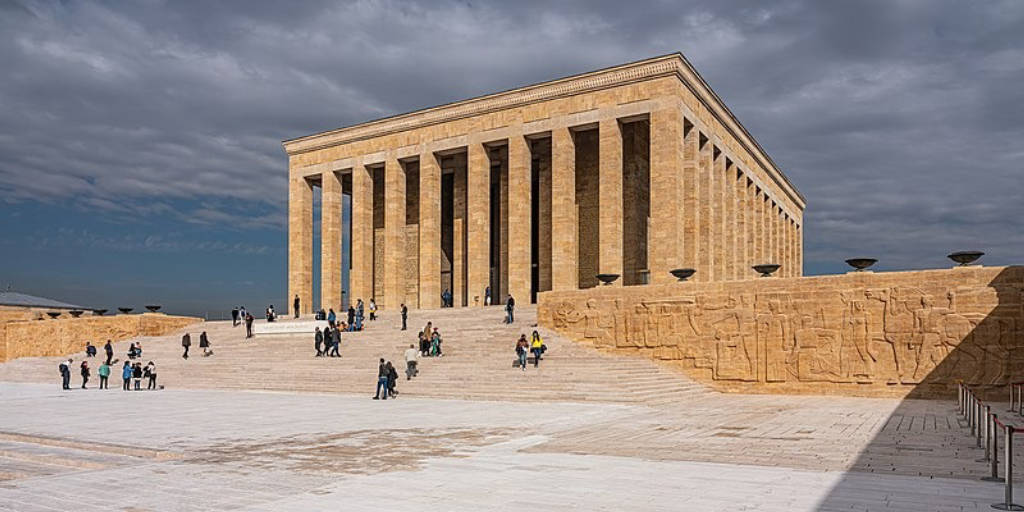
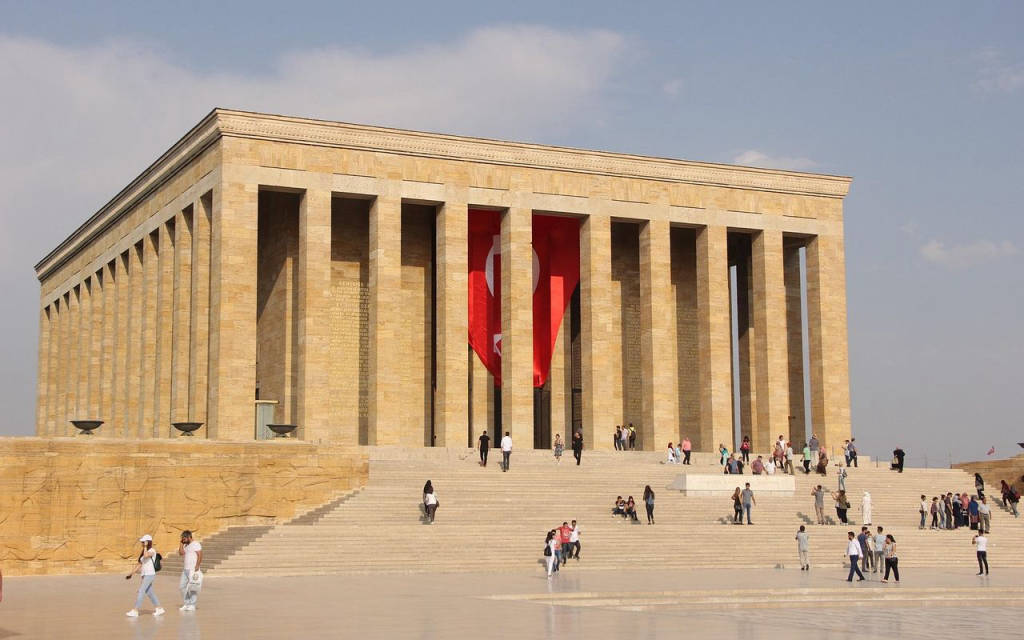
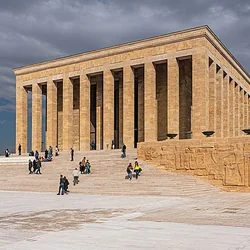
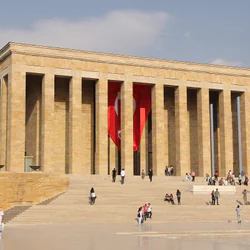
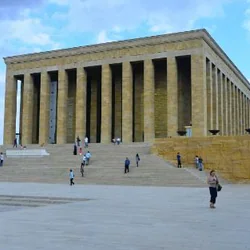
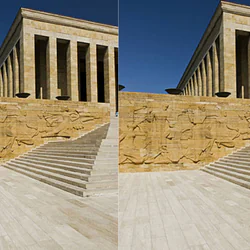
Lăng mộ Anitkabir Hành Trình Về Lăng Mộ Atatürk: Biểu Tượng Của Độc Lập và Tự Do
 Yücetepe, Akdeniz Cd. No:31, 06570 Çankaya/Ankara, Turkey
Đặt chân đến Ankara, không thể bỏ qua Anıtkabir – lăng mộ của Mustafa Kemal Atatürk, vị Tổng thống đầu tiên và cũng là “cha đẻ” của Thổ Nhĩ Kỳ hiện đại. Nằm hiên ngang trên đỉnh Yücetepe, công trình không chỉ là nơi an nghỉ cuối cùng mà còn là biểu tượng cho khát vọng độc lập, tự do và tinh thần đổi mới mạnh mẽ của cả dân tộc.
Location and Historical Significance
When visiting the capital city of Ankara, Anıtkabir – the mausoleum of Atatürk – stands as an unmissable landmark. Located proudly atop Yücetepe Hill, the monument is not only the final resting place of Mustafa Kemal Atatürk – the “Father of the Turks” – but also a powerful symbol of Turkey’s pursuit of independence, modernization, and national identity.
Atatürk was born in 1881 and passed away in 1938. After his death, his body was temporarily placed at the Ankara Ethnography Museum while a permanent mausoleum was being constructed. The project began in 1944 and was completed in 1953. The grand inauguration ceremony took place on September 1, marking a significant milestone in Turkish history.
Architecture and Surroundings
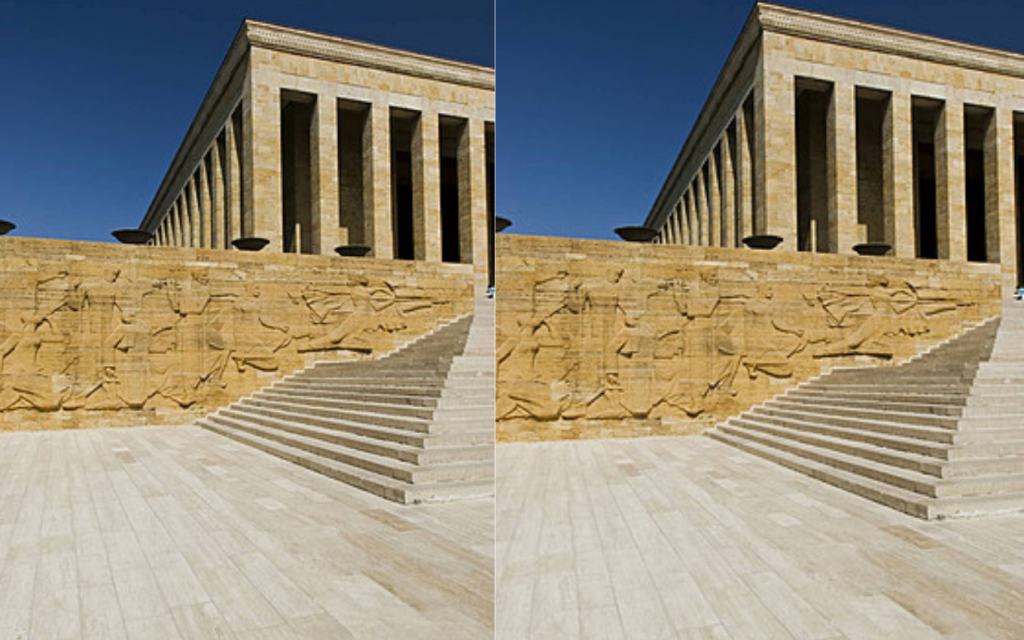
Anıtkabir was designed by architects Emin Halid Onat and Ahmet Orhan Arda. The structure blends classical symmetry with elements inspired by Ottoman, Seljuk, and modern architectural styles, resulting in a powerful yet elegant national monument.
The ceremonial entrance begins with the Road of Lions, a 262-meter pathway lined with majestic lion statues symbolizing strength and peace. This path leads to the vast Ceremonial Plaza, capable of accommodating thousands of visitors during national commemorations.
Inside the Hall of Honor, a 40-ton symbolic sarcophagus stands prominently, while the actual burial chamber lies beneath. The ceiling features intricate golden mosaics and refined decorative details. Surrounding the mausoleum is the Peace Park, home to tens of thousands of trees and flowers, creating a serene and contemplative atmosphere.
An Emotional Experience
Walking along the Road of Lions feels like stepping back in time. Every architectural detail – from the column heights to the carefully spaced stone slabs – encourages reflection and admiration.
Inside the Hall of Honor, the solemn lighting and quiet ambiance evoke deep emotion. Standing before the sarcophagus, visitors can sense the profound respect and gratitude the Turkish people hold for their founding leader. In the Peace Park, surrounded by fresh air and gentle rustling leaves, Atatürk’s famous words echo meaningfully: “Peace at home, peace in the world.”
Why Visit Anıtkabir
Anıtkabir is not only a historical site but also a place to understand the spirit, resilience, and transformation of the Turkish Republic. It offers a moment of quiet reflection within a monumental yet understated space. More importantly, it bridges past and present, reminding visitors of the enduring values of independence, self-determination, and progress.
Visitor Tips
The best times to visit Anıtkabir are early morning or late afternoon, when the light is softer and the atmosphere cooler. Visitors are encouraged to dress respectfully, as this is a sacred national site. Plan to spend several hours exploring the entire complex, including the Road of Lions, Ceremonial Plaza, Hall of Honor, Atatürk Museum, and Peace Park, to fully appreciate its historical and cultural depth.
Anıtkabir is more than the resting place of a great leader; it is a symbol of hope, justice, freedom, and progress. Standing before this monument, one does not simply observe history – one connects with the enduring spirit of a nation shaped by resilience and vision.