


Xem tất cả kết quả cho ""

 Ngày bất kỳ
  Tiếng Việt
 English
 한국어
한국어 日本語
日本語 简体中文
简体中文 Français
 Deutsch
 Español
 Italiano
 Русский


 Đăng nhập cho Doanh nghiệp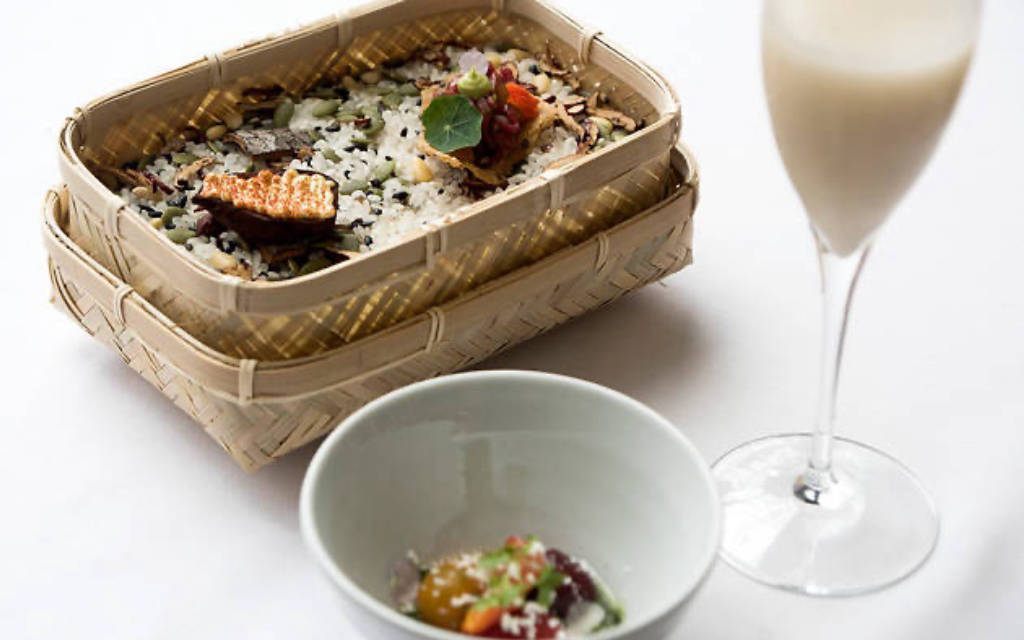
Boxing dog F1963
 20 Gurak-ro 123(baegisipsam)beon-, Mangmi 2(i)-dong, Suyeong-gu, 부산광역시 South Korea
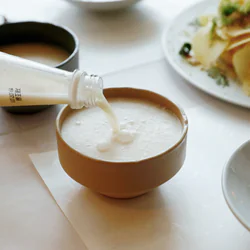
“A fine-dining restaurant known for fostering a revival of the traditional rice wine 'mekgeolli', serving a superb menu with Korean and Western influences.”
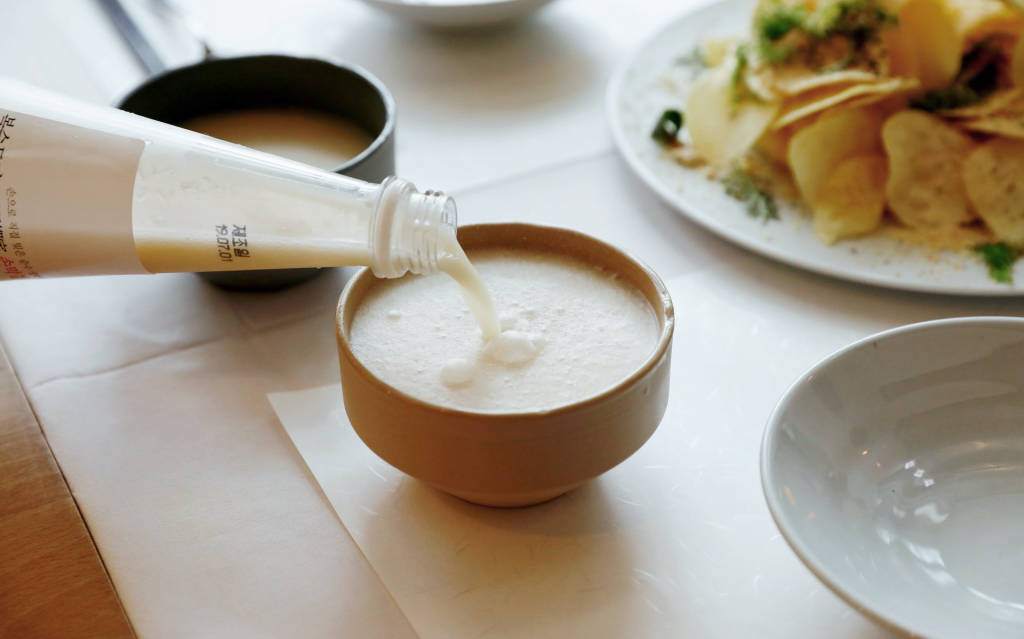
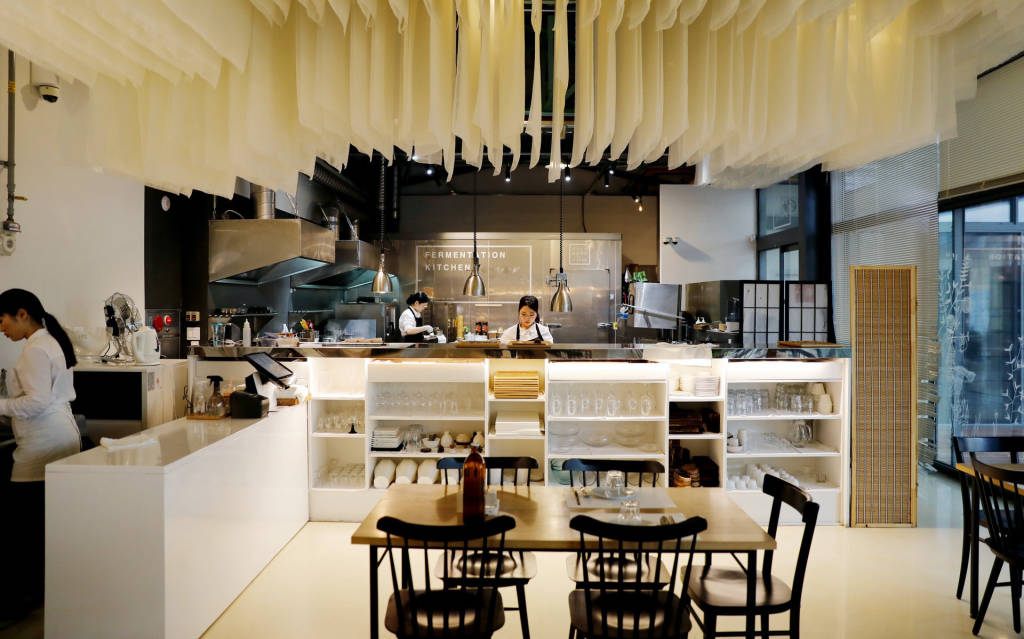
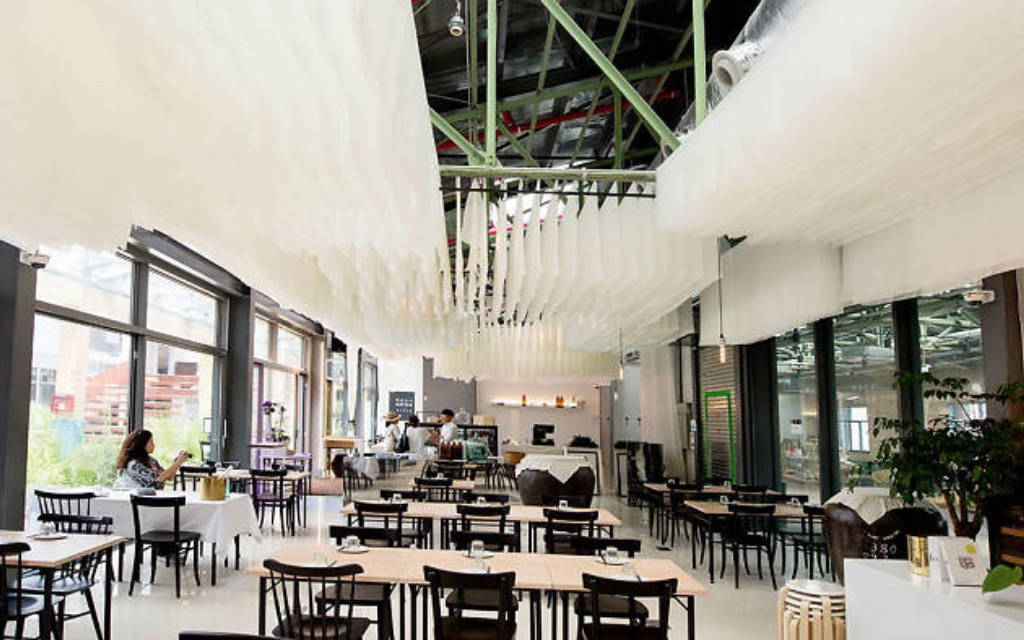
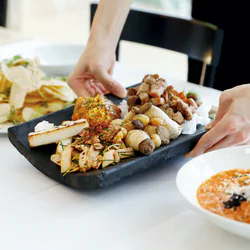
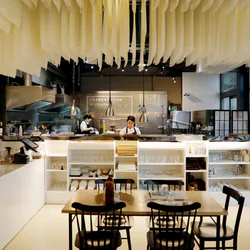
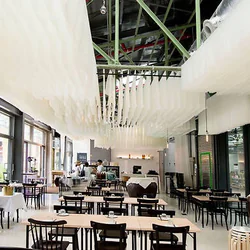
Boksoondoga F1963 stands firmly on the list of the most attractive restaurants in Busan. Long known for the brand's traditional family-style makgeolli made with rice and homemade nuruk (fermented appetizer) at the Ulsan brewery, Boksoondoga has opened a modern Korean restaurant in Mangmi- dong, Suyeong-gu, next to Costco. The venue, once a wire factory from 1963 to 2008, is now filled with elegant decor that embodies the original identity of the brand: the traditional makgeolli filter cloth meticulously finished on the upper. ceiling, while the pleasant sound of water flowing from a large vat of makgeolli fermenters filled the entire venue.
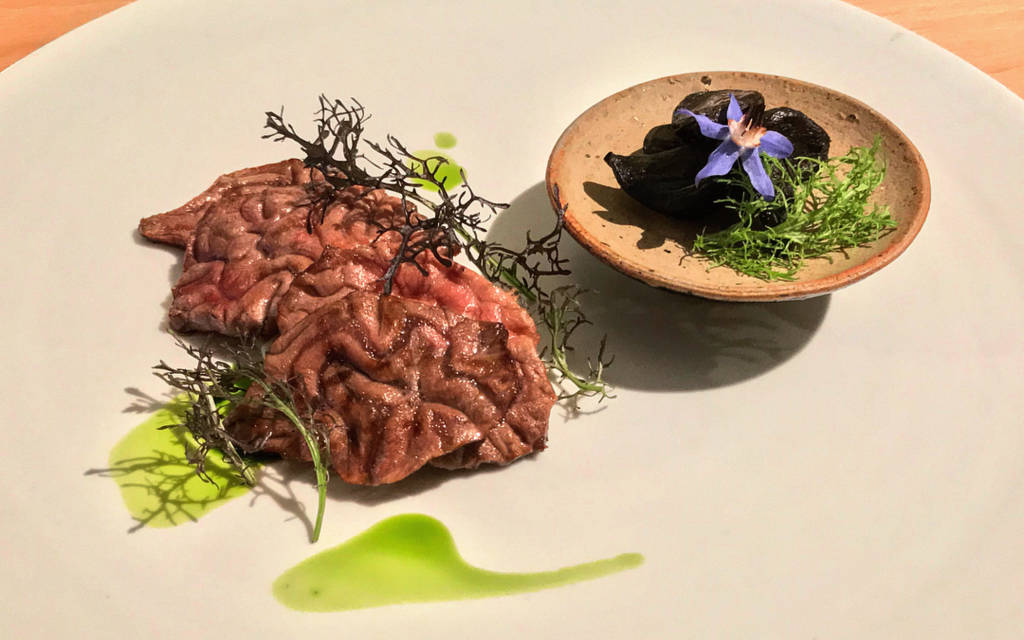
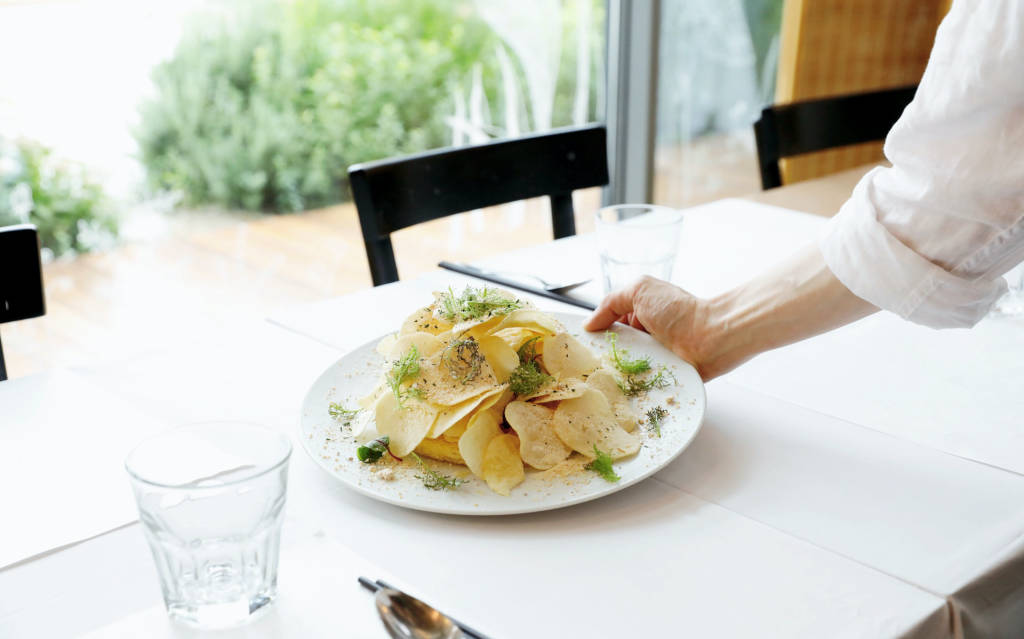
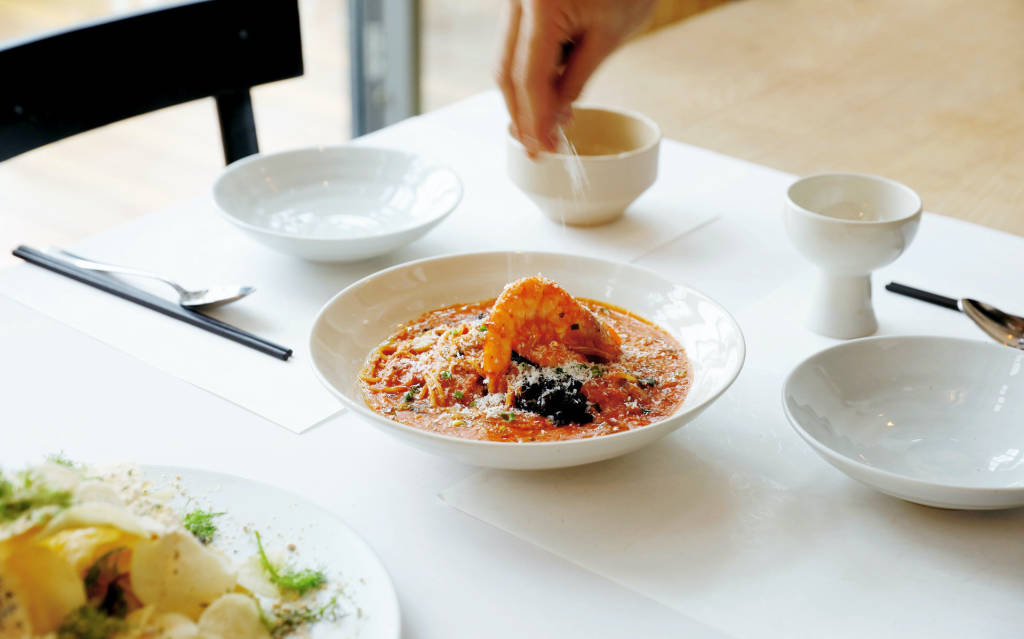
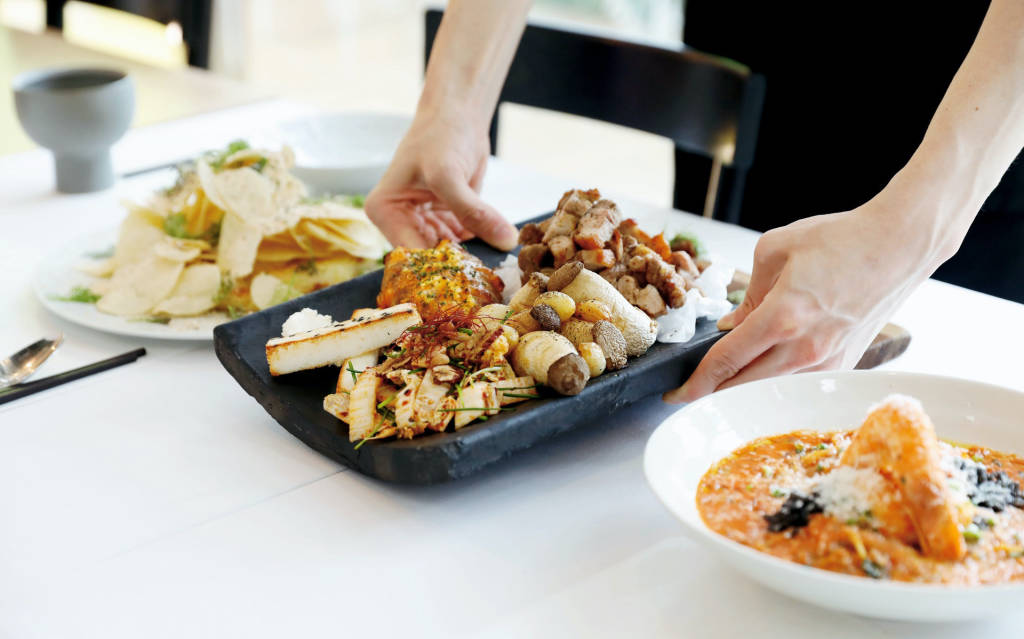
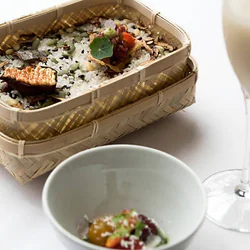
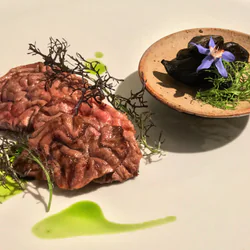
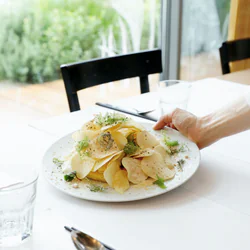
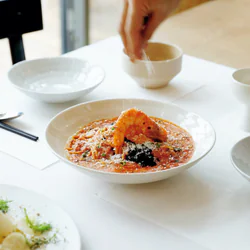
The spacious open plan kitchen, which occupies almost half of the restaurant's space, is led by executive chef Lee So-hyeong, who has had extensive international experience in Spanish and Melbourne restaurants for many years. Incorporating diverse seasonal ingredients such as sweet potato from Yeoju and Greater Amberjack from the waters near Jeju, the menu introduces a new wave of Korean cuisine combined with inspiration from homemade makgeolli, handcrafted spices and Park Bok-soon's jam. The same set menu served for both lunch and dinner costs 80,000 won. More affordable options on the a la carte menu are also available. Both the dessert and the appetizer were highly praised by the diners.
Locals often go to Boksoondoga F1963 to enjoy Makgeolli. Visitors here can also take a look at the preparation process of this rice wine. Great traditional atmosphere and delicious food. In terms of entertainment and culture, it offers live music as well as a secondhand bookstore set up by Yes 24, an e-commerce company based in Korea. Guests can also enjoy the signature quaint bamboo garden outside the venue, as well as the delicious coffee and beer options offered by Terarosa Coffee and Prague 993, which share the complex with the restaurant still keeping a original factory structure number.
Address: 20 Gurak-ro 123(baegisipsam)beon-, Mangmi 2(i)-dong, Suyeong-gu, Busan
Opening hours: daily 11:30 – 15:00 & 17:00 – 20:30