


Xem tất cả kết quả cho ""

 Ngày bất kỳ
  Tiếng Việt
 English
 한국어
한국어 日本語
日本語 简体中文
简体中文 Français
 Deutsch
 Español
 Italiano
 Русский


 Đăng nhập cho Doanh nghiệp

Tremé
 New Orleans Ct, Claremont, CA 91711, Hoa Kỳ
Tremé, a historic neighborhood in New Orleans, stands as a living testament to the city's rich cultural heritage, resilience, and the profound influence of African-American and Creole traditions.
Tremé, a historic neighborhood in New Orleans, stands as a living testament to the city's rich cultural heritage, resilience, and the profound influence of African-American and Creole traditions. Named after Claude Tremé, a street planner in the 18th century, this vibrant community is renowned as one of the oldest African-American neighborhoods in the United States.
At the heart of Tremé is Congo Square, a hallowed ground where enslaved Africans gathered on Sundays to celebrate their cultural heritage through music, dance, and communal festivities. This sacred space played a pivotal role in the development of jazz and the preservation of African cultural practices in the New World.
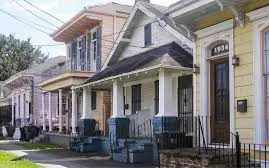
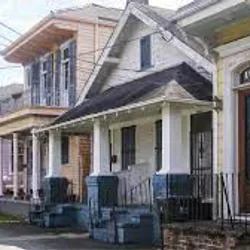
The architecture of Tremé tells a story of resilience and community spirit. Historic Creole cottages, shotgun houses, and vibrant shotgun doubles line the streets, showcasing a unique blend of French, Spanish, African, and Caribbean influences. The neighborhood has been recognized for its cultural significance and preservation efforts, contributing to its designation as a National Historic District.
Tremé's cultural vibrancy extends to its music scene. Brass bands, jazz funerals, and second-line parades are integral to the neighborhood's identity. Preservation Hall, a legendary jazz venue, is a cultural cornerstone that continues to attract musicians and enthusiasts from around the world.
Despite facing challenges over the years, Tremé remains a beacon of cultural pride and community resilience. Its residents, deeply connected to their heritage, contribute to the neighborhood's unique identity through festivals, art, and a strong sense of community. Tremé is not just a place; it's a living embodiment of the enduring spirit of New Orleans and a testament to the cultural richness that defines this remarkable city.