


 Tiếng Việt
 English
 한국어
한국어 日本語
日本語 简体中文
简体中文 Français
 Deutsch
 Español
 Italiano
 Русский


 Đăng nhập cho Doanh nghiệp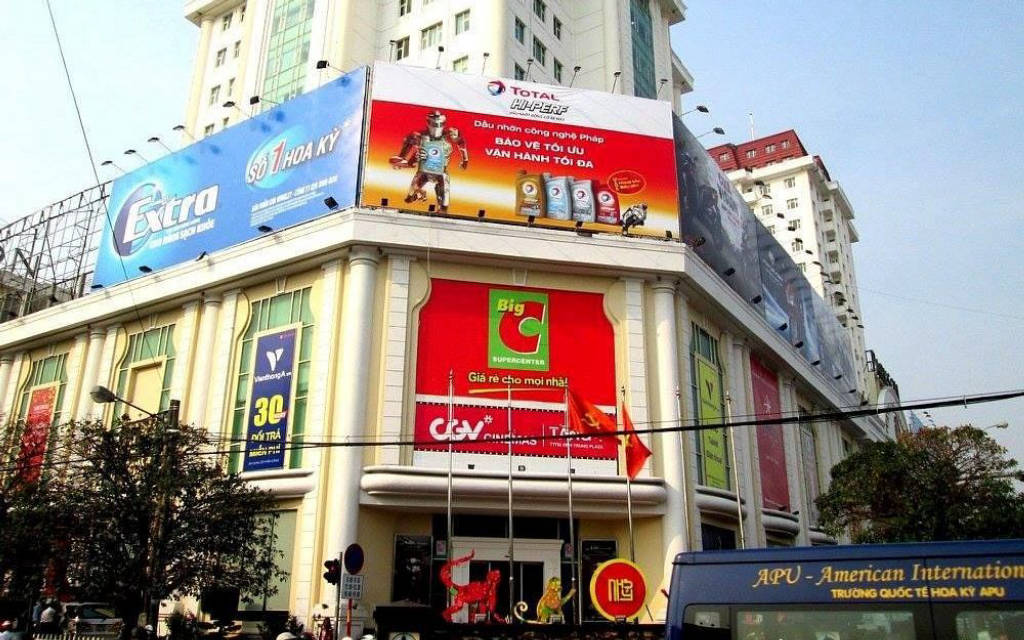
Đà Nẵng - Vinh Trung Plaza
 78 đường Đỗ Quang, phường Vĩnh Trung, quận Hải Châu, Đà Nẵng
Bạn đang tìm kiếm một điểm dừng chân thuận tiện, phong phú và phù hợp với gu thưởng thức cá nhân khi khám phá Đà Nẵng? Vinh Trung Plaza chính là lựa chọn lý tưởng cho những du khách yêu thích sự tự do trong hành trình của mình. Nằm ngay trung tâm thành phố, trung tâm thương mại này không chỉ là nơi mua sắm sầm uất mà còn là điểm ngao du kết hợp ẩm thực và giải trí, giúp bạn trải nghiệm trọn vẹn không gian hiện đại pha lẫn nét văn hóa đặc trưng của miền Trung. Trong bài viết này, chúng ta sẽ cùng khám phá lịch sử hình thành, trải nghiệm mua sắm, khu ẩm thực và những hoạt động thú vị khác tại Vinh Trung Plaza để bạn có thể du lịch theo gu riêng mà vẫn trọn vẹn.
Lịch Sử Hình Thành Vinh Trung Plaza
Vinh Trung Plaza được xây dựng từ những năm đầu thập niên 2000, nhanh chóng trở thành một trong những trung tâm thương mại nổi bật tại Đà Nẵng. Ban đầu, nơi đây chỉ là khu mua sắm nhỏ phục vụ nhu cầu cơ bản của người dân địa phương. Tuy nhiên, với tầm nhìn hướng tới phát triển du lịch và thương mại hiện đại, Vinh Trung Plaza đã không ngừng mở rộng quy mô, nâng cấp cơ sở hạ tầng và đa dạng hóa các dịch vụ. Ngày nay, trung tâm thương mại này trở thành một điểm đến quen thuộc không chỉ của người dân địa phương mà còn của các du khách trong và ngoài nước.
Mua Sắm Theo Gu – Từ Thương Hiệu Nội Địa Đến Quốc Tế
Một trong những điểm nổi bật của Vinh Trung Plaza là hệ thống mua sắm đa dạng, đáp ứng mọi gu thẩm mỹ và nhu cầu của du khách. Từ các thương hiệu thời trang Việt Nam với giá cả hợp lý, đến những nhãn hàng quốc tế đình đám, bạn có thể thoải mái lựa chọn trang phục, phụ kiện, mỹ phẩm hay đồ gia dụng. Không gian bày trí hiện đại, rộng rãi giúp du khách tự do khám phá từng gian hàng, tạo cảm giác vừa thân thiện vừa sang trọng. Các chương trình khuyến mãi, sự kiện theo mùa cũng thường xuyên được tổ chức, mang lại trải nghiệm mua sắm thú vị cho cả gia đình.
Khu Ẩm Thực – Hòa Quyện Hương Vị Địa Phương và Quốc Tế
Sau khi tham quan và mua sắm, du khách đừng bỏ qua khu ẩm thực tại Vinh Trung Plaza. Nơi đây hội tụ nhiều quán ăn, nhà hàng và cà phê, từ ẩm thực truyền thống miền Trung đến các món ăn quốc tế. Bạn có thể thưởng thức bún bò, mì Quảng, hải sản tươi ngon hay pizza, sushi theo sở thích cá nhân. Không gian thoáng đãng, được trang trí tinh tế là điểm lý tưởng để nghỉ ngơi, trò chuyện và cảm nhận nhịp sống sôi động của Đà Nẵng.
Hoạt Động Giải Trí và Thư Giãn
Vinh Trung Plaza không chỉ là nơi mua sắm và ẩm thực, mà còn là điểm giải trí hấp dẫn cho cả gia đình. Trung tâm có rạp chiếu phim hiện đại, khu vui chơi trẻ em, cùng nhiều hoạt động sự kiện vào cuối tuần. Du khách có thể tự do lựa chọn trải nghiệm theo gu của mình, từ việc tham gia các workshop, thử sức với các trò chơi điện tử, đến việc thưởng thức nhạc sống tại các quán cà phê. Đây là điểm nhấn giúp Vinh Trung Plaza trở thành nơi gắn kết giữa mua sắm, giải trí và khám phá văn hóa.
Hướng Dẫn Tham Quan Tự Do
Để tận dụng tối đa chuyến đi, du khách nên dành ít nhất 3–4 giờ để khám phá toàn bộ trung tâm. Thời điểm lý tưởng là vào buổi chiều, khi ánh sáng tự nhiên hòa cùng không gian hiện đại tạo cảm giác dễ chịu. Bạn có thể bắt đầu từ khu mua sắm, ghé khu ẩm thực, sau đó thưởng thức các hoạt động giải trí hoặc dừng chân tại các quán cà phê để thư giãn. Đặc biệt, trung tâm còn gần các điểm du lịch nổi tiếng khác của Đà Nẵng, thuận tiện cho những ai muốn kết hợp hành trình ngao du tự do.
Kết Luận
Vinh Trung Plaza không chỉ là trung tâm thương mại đơn thuần, mà còn là điểm đến đa năng giúp du khách tận hưởng du lịch theo gu riêng, từ mua sắm, ẩm thực đến giải trí. Với lịch sử phát triển bền vững, không gian hiện đại và dịch vụ phong phú, nơi đây chắc chắn sẽ mang lại những trải nghiệm đáng nhớ trong chuyến hành trình Đà Nẵng. Khi đến Vinh Trung Plaza, hãy để bản thân tự do khám phá, thưởng thức và cảm nhận nhịp sống sôi động của thành phố biển xinh đẹp này.