


 Tiếng Việt
 English
 한국어
한국어 日本語
日本語 简体中文
简体中文 Français
 Deutsch
 Español
 Italiano
 Русский


 Đăng nhập cho Doanh nghiệp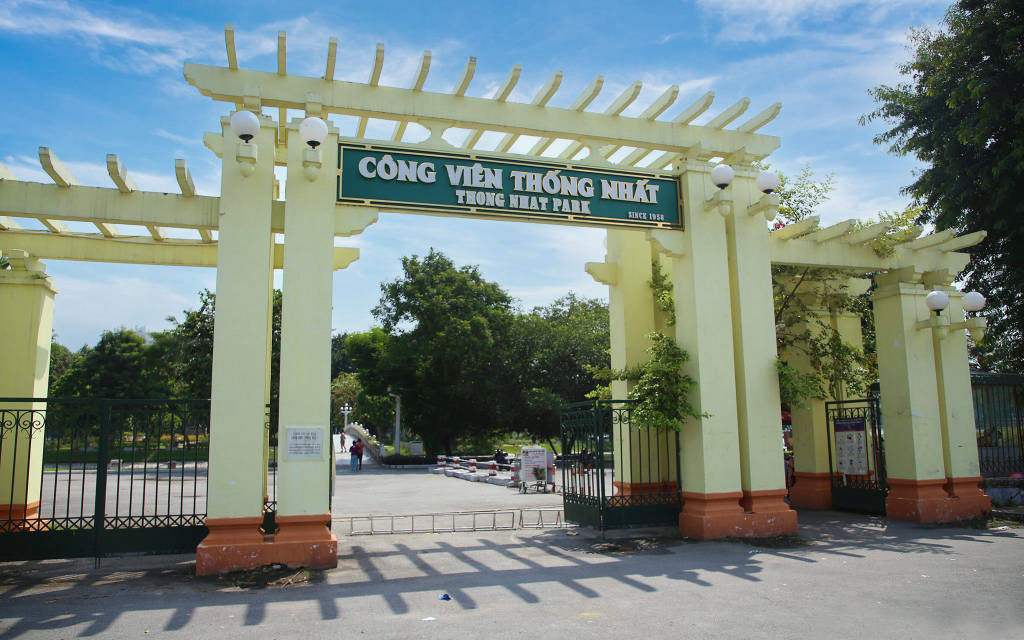
Công viên Thống Nhất
 Đường Lê Duẩn, P. Lê Đại Hành, Q. Đống Đa, Tp. Hà Nội, Việt Nam
Công viên Thống Nhất là một trong những công viên lớn nhất tại Hà Nội, nổi bật với hồ Bảy Mẫu thơ mộng, hệ thống cây xanh tươi mát và các khu vui chơi giải trí hấp dẫn. Đây là điểm đến lý tưởng để thư giãn, tập luyện thể thao và hòa mình vào thiên nhiên. Với vị trí trung tâm, công viên thu hút đông đảo du khách và người dân địa phương.
Công viên Thống Nhất – Lá phổi xanh giữa lòng Hà Nội
Công viên Thống Nhất, một địa danh đặc biệt của Hà Nội, không chỉ mang giá trị về lịch sử mà còn là điểm thư giãn lý tưởng cho cư dân thủ đô. Đây là một trong những công viên lớn nhất tại Hà Nội, nơi gắn liền với bao thế hệ người dân thành phố.
1. Vị trí và lịch sử hình thành
Công viên Thống Nhất nằm ngay trung tâm thành phố Hà Nội, được bao bọc bởi các tuyến phố lớn như Trần Nhân Tông, Đại Cồ Việt và Lê Duẩn. Với diện tích hơn 50ha, công viên không chỉ là không gian xanh rộng lớn mà còn là biểu tượng hòa hợp và thống nhất của đất nước sau khi hai miền Nam - Bắc đoàn tụ vào năm 1975.
Công viên được xây dựng từ năm 1958 và hoàn thành vào năm 1960, trở thành một trong những điểm đến quen thuộc của người dân Hà Nội. Tên gọi “Thống Nhất” mang ý nghĩa sâu sắc, thể hiện khát vọng hòa bình và thống nhất dân tộc trong giai đoạn lịch sử đầy biến động của đất nước.
2. Khung cảnh thiên nhiên yên bình
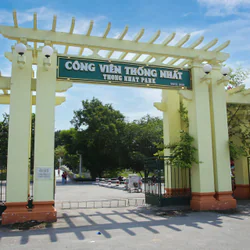
Ngay từ khi bước chân vào cổng chính của công viên, quý vị sẽ cảm nhận được bầu không khí trong lành, thoáng đãng. Công viên nổi bật với hệ thống cây xanh dày đặc, từ những cây cổ thụ cao vút, tỏa bóng mát, đến các loại cây hoa khoe sắc theo mùa. Những con đường lát gạch sạch sẽ, uốn lượn quanh hồ và rừng cây tạo nên cảm giác thư thái và gần gũi với thiên nhiên.
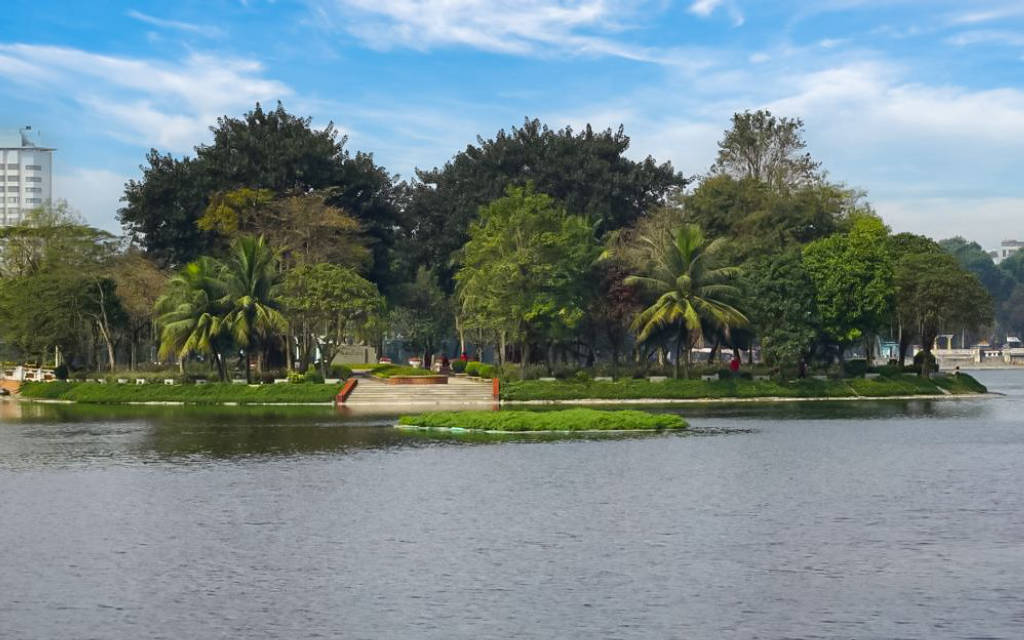
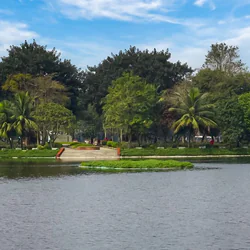
Ở trung tâm công viên là hồ Bảy Mẫu, một hồ nước lớn với diện tích khoảng 28ha. Hồ không chỉ là điểm nhấn cảnh quan mà còn đóng vai trò điều hòa khí hậu cho cả khu vực. Vào những ngày hè oi bức, đứng bên bờ hồ và hít thở làn gió mát từ mặt nước là trải nghiệm vô cùng dễ chịu. Trên mặt hồ còn có những chiếc cầu nhỏ duyên dáng, kết nối các khu vực trong công viên, là nơi lý tưởng để chụp ảnh kỷ niệm.
3. Các khu vực nổi bật trong công viên
Công viên Thống Nhất được chia thành nhiều khu vực khác nhau, phục vụ cho mọi lứa tuổi và nhu cầu giải trí của du khách.
• Khu vui chơi trẻ em:
Nơi đây được trang bị nhiều trò chơi ngoài trời như cầu trượt, xích đu, và các trò chơi vận động an toàn. Đây là địa điểm lý tưởng cho các gia đình có con nhỏ.
• Đường chạy bộ và đạp xe:
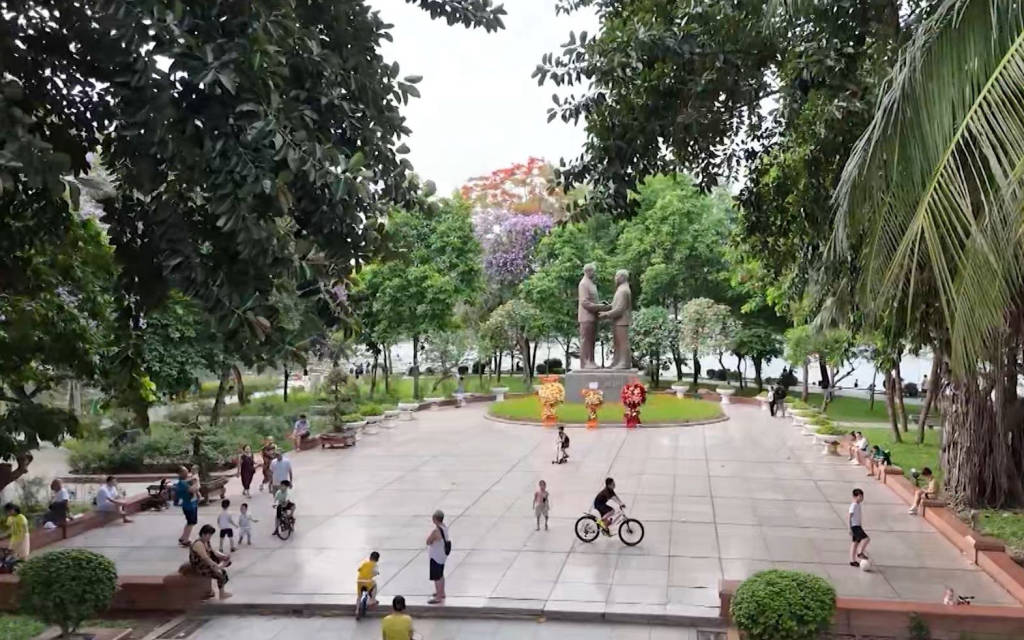
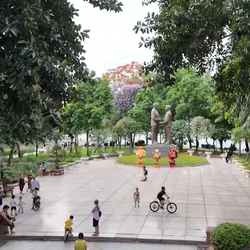
Công viên có các tuyến đường được thiết kế riêng biệt, phù hợp cho việc chạy bộ, đi dạo hoặc đạp xe. Những buổi sáng sớm hay chiều muộn, nơi đây luôn nhộn nhịp với những người yêu thể thao và rèn luyện sức khỏe.
• Khu vườn hoa và cảnh quan:
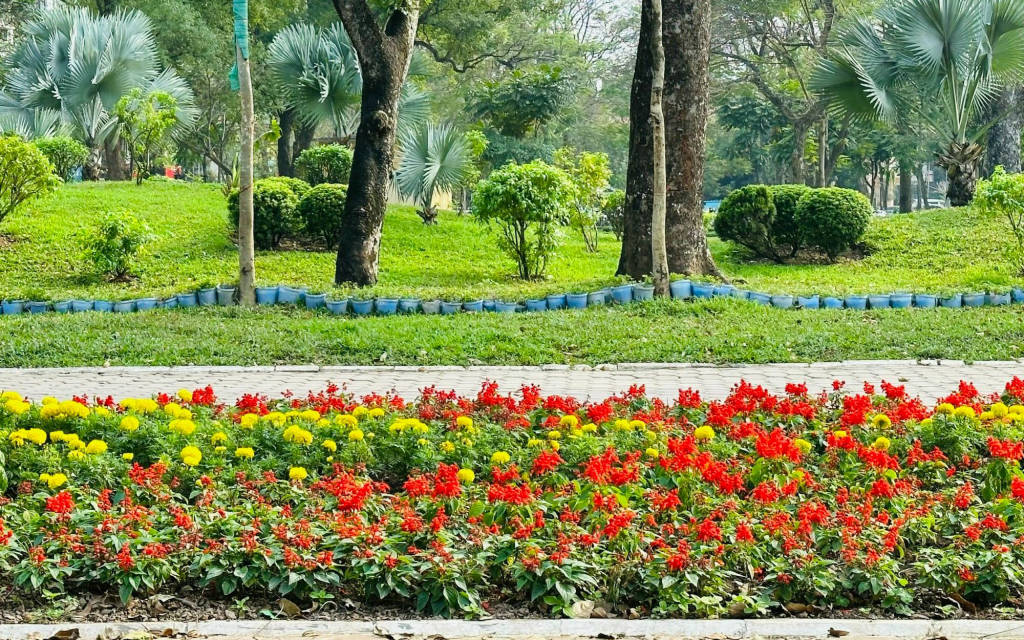
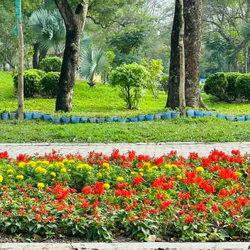
Được chăm sóc kỹ lưỡng, các khu vườn hoa trong công viên luôn rực rỡ sắc màu. Mỗi mùa hoa, công viên lại trở nên sống động hơn với các lễ hội hoa hoặc các hoạt động nghệ thuật ngoài trời.
• Các không gian văn hóa:
Công viên cũng thường xuyên tổ chức các sự kiện văn hóa, hội chợ, hoặc biểu diễn nghệ thuật. Đây là cơ hội để du khách trải nghiệm và hòa mình vào nhịp sống của người dân thủ đô.
4. Ý nghĩa văn hóa và lịch sử
Công viên Thống Nhất không chỉ là một địa điểm vui chơi, mà còn mang giá trị biểu tượng quan trọng. Trong thời kỳ chiến tranh, nơi đây từng là nơi tổ chức các hoạt động xã hội, từ mít tinh đến các sự kiện văn hóa lớn, nhằm cổ vũ tinh thần yêu nước của nhân dân.
Ngày nay, công viên tiếp tục là nơi tổ chức các sự kiện cộng đồng, như lễ hội Trung thu, hội hoa xuân, hay các hoạt động vì môi trường. Đặc biệt, hồ Bảy Mẫu còn là nơi diễn ra các hoạt động thể thao dưới nước và là điểm câu cá yêu thích của nhiều người.
5. Hoạt động thú vị cho du khách
Nếu quý vị muốn có một chuyến đi thư giãn nhưng không kém phần thú vị, công viên Thống Nhất chắc chắn sẽ không làm quý vị thất vọng:
• Dạo bộ ngắm cảnh:
Hãy dành thời gian đi dạo quanh hồ, lắng nghe tiếng chim hót và tận hưởng không khí trong lành.
• Tham gia thể thao:
Nếu yêu thích vận động, quý vị có thể tham gia chạy bộ, đạp xe hoặc yoga trên bãi cỏ rộng rãi.
• Chèo thuyền trên hồ Bảy Mẫu:
Đây là một hoạt động rất thú vị, giúp quý vị khám phá cảnh quan công viên từ một góc nhìn mới mẻ.
• Chụp ảnh lưu niệm:
Với nhiều khung cảnh đẹp như vườn hoa, hồ nước hay những hàng cây xanh mát, quý vị sẽ có những bức ảnh đầy ấn tượng.
6. Kết luận
Thưa quý vị, Công viên Thống Nhất không chỉ là một điểm đến để thư giãn, mà còn là nơi lưu giữ những giá trị lịch sử và văn hóa quý báu của Hà Nội. Dành thời gian tại đây, quý vị sẽ không chỉ cảm nhận được sự yên bình giữa lòng thủ đô nhộn nhịp, mà còn có cơ hội hòa mình vào cuộc sống thường ngày của người dân nơi đây. Hãy ghé thăm Công viên Thống Nhất để cảm nhận một Hà Nội vừa cổ kính, vừa hiện đại, nơi những ký ức và ước mơ hòa quyện trong từng hơi thở của không gian xanh mát.
Gợi ý khi tham quan
• Thời gian lý tưởng: Buổi sáng sớm hoặc chiều muộn là thời điểm đẹp nhất để tham quan công viên, khi không khí mát mẻ và ánh sáng rất lý tưởng.
• Trang phục: Hãy mang giày thể thao hoặc dép thoải mái để dễ dàng di chuyển trong không gian rộng lớn của công viên.
• Giữ gìn vệ sinh: Hãy luôn nhớ giữ gìn môi trường sạch đẹp, không xả rác và tôn trọng cảnh quan chung.