


Xem tất cả kết quả cho ""

 Ngày bất kỳ
  Tiếng Việt
 English
 한국어
한국어 日本語
日本語 简体中文
简体中文 Français
 Deutsch
 Español
 Italiano
 Русский


 Đăng nhập cho Doanh nghiệp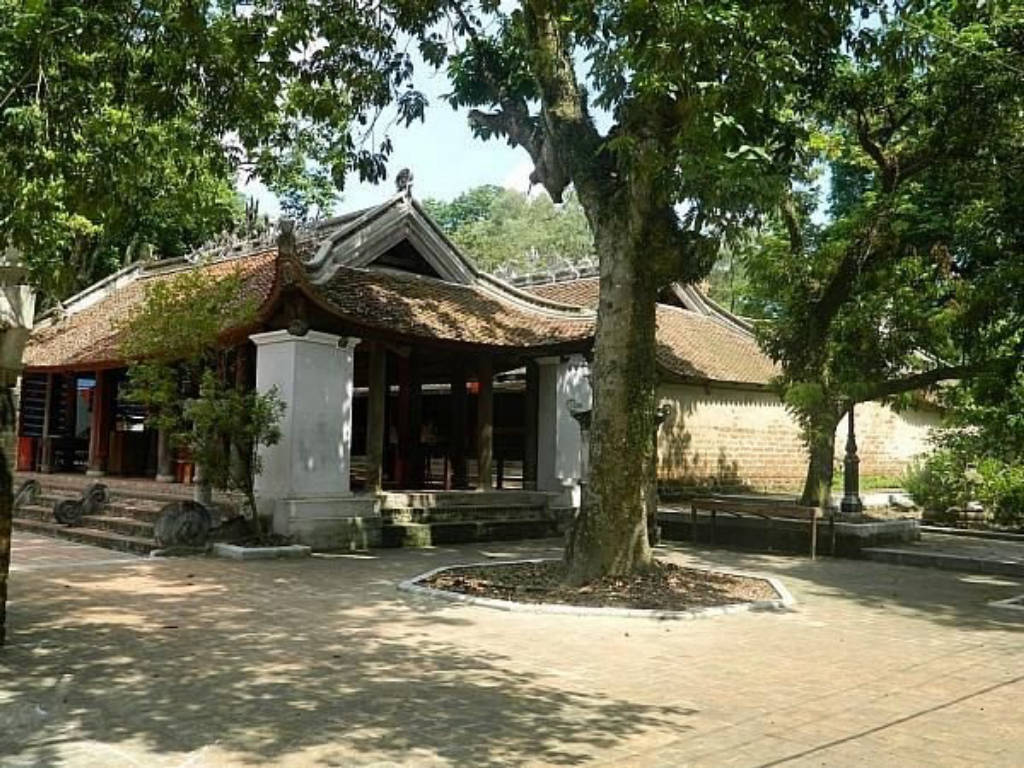
Temple of Va
 Sơn Tây, Hà Nội
Located in Son Tay town, on the outskirts of Hanoi, Va Temple is a sacred destination of Vietnamese pilgrims and a famous scenic spot attracting tourists from all over the world.
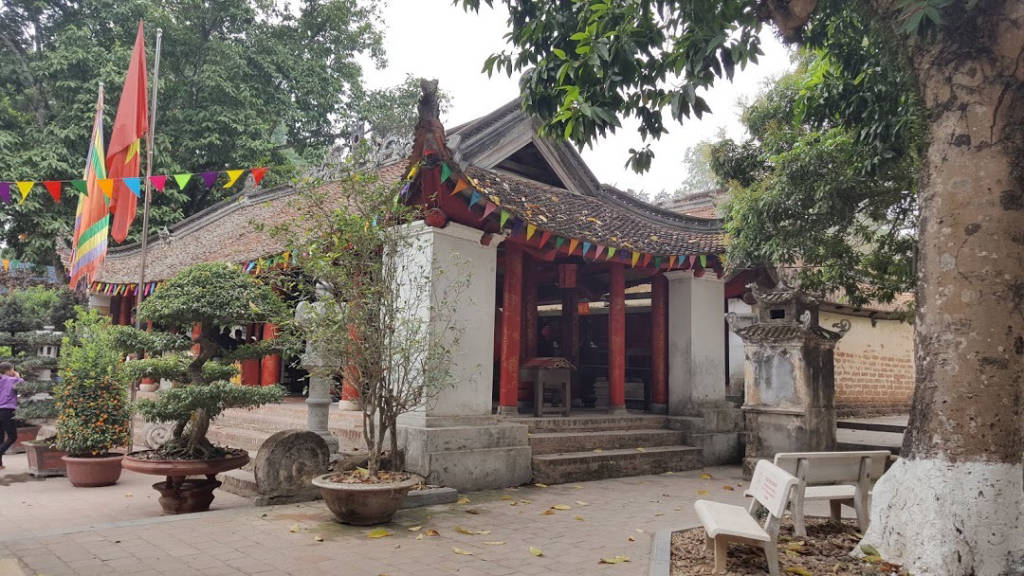
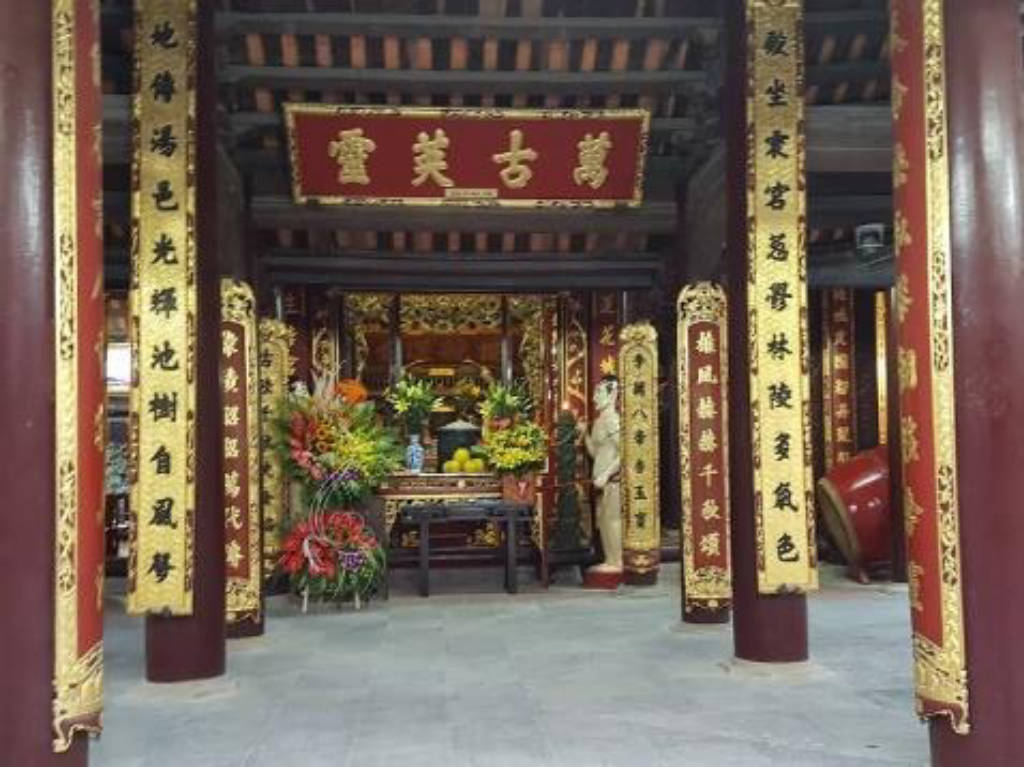
Temple of Saint Tan Vien, one of the four immortals in Vietnamese mythology. And Temple, also known as "Dong Cung", is one of four temples in the Shanxi region that worships this legendary figure. The temple is located on a hill that looks like a turtle turning the sun, in the middle of an ironwood forest about 6 hectares wide, there are nearly 250 ironwood trees, of which 95 are listed as heritage. In the 16th and 17th centuries, the temple was made very crudely of bamboo and cork, but in the 18th century, the temple was rebuilt with the same shape as the present temple. On the stele carved in 1883 during the reign of King Tu Duc, it says that the ancient temple was built during the Tang colonial period.
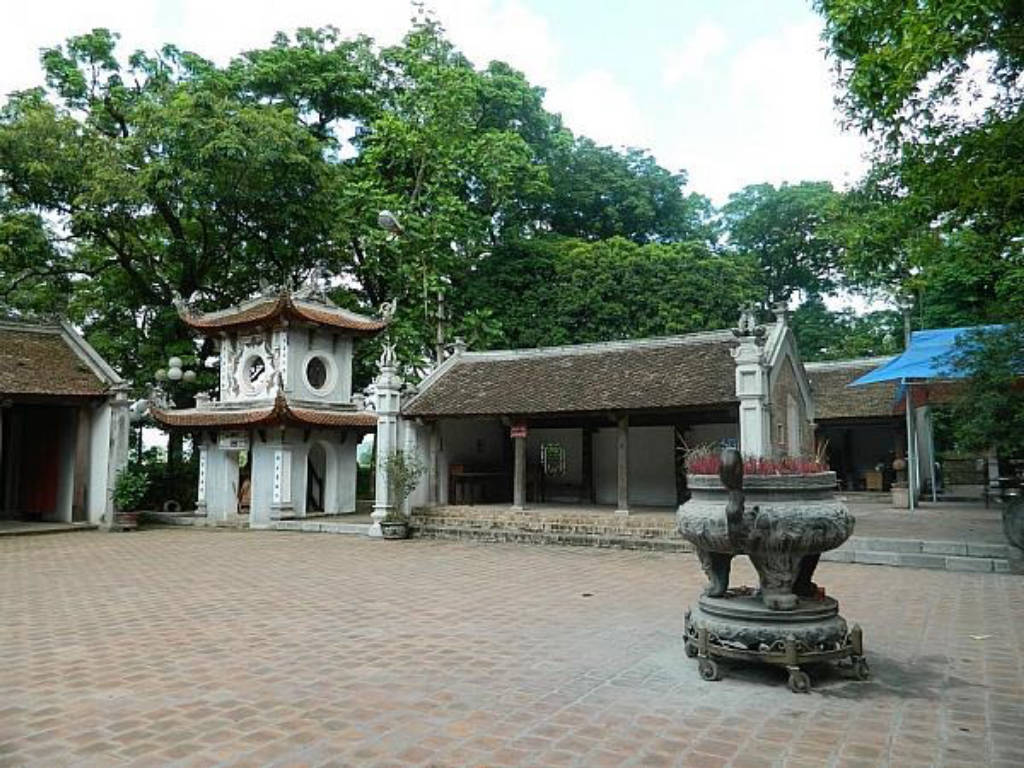
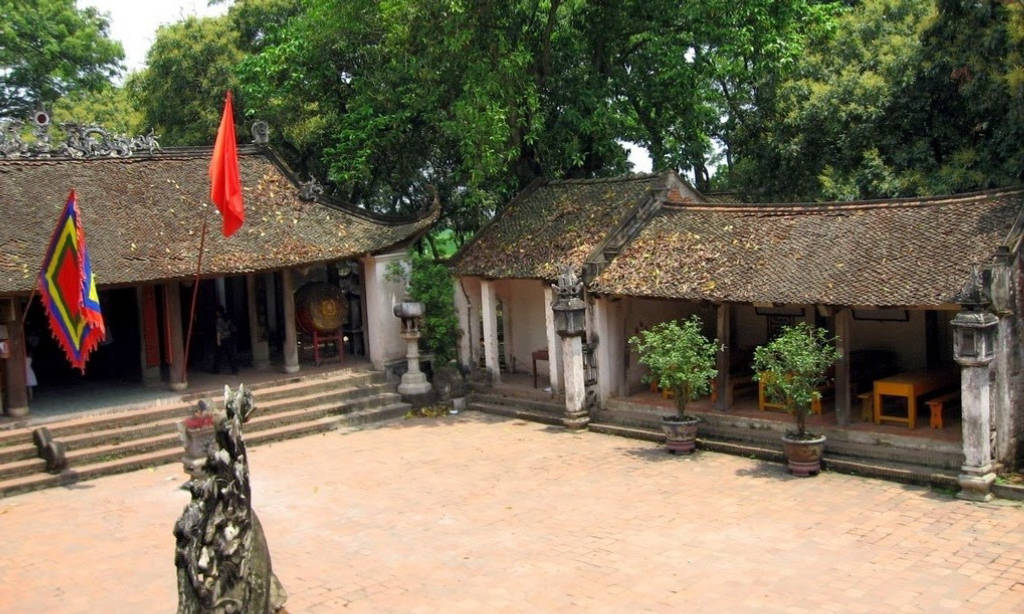
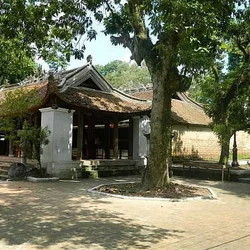
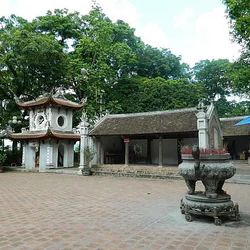
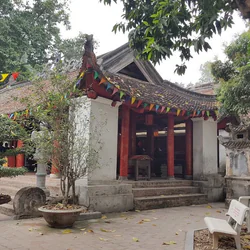
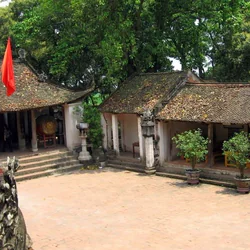
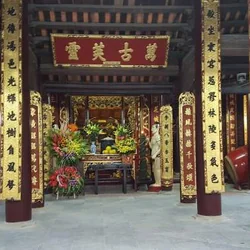
Some works of And temple have been restored and completed, including the largest restoration in 1902. Today's place of worship is more than 2,000m2, surrounded by a two-high laterite wall. meters. According to the traditional architectural rules of Vietnam, the throne is built on the North - South axis and the main gate faces Tan Vien mountain. The main gate consists of three wooden columns, based on a large laterite foundation. Right next to it are two towers facing each other, with a bell and a drum attached. The octagonal roofs are reminiscent of the Khue Van Cac pavilion in the Temple of Literature in Hanoi. The temple's front yard is delicately decorated with the image of five bats surrounding the circular window, an expression of happiness. And Temple is the main place of worship to worship Saint Tan Vien. The Upper, Lower, and Middle Temples are sub-temples worshiping the mother goddesses, the three gods of Tan Vien mountain, and many other Taoist gods.
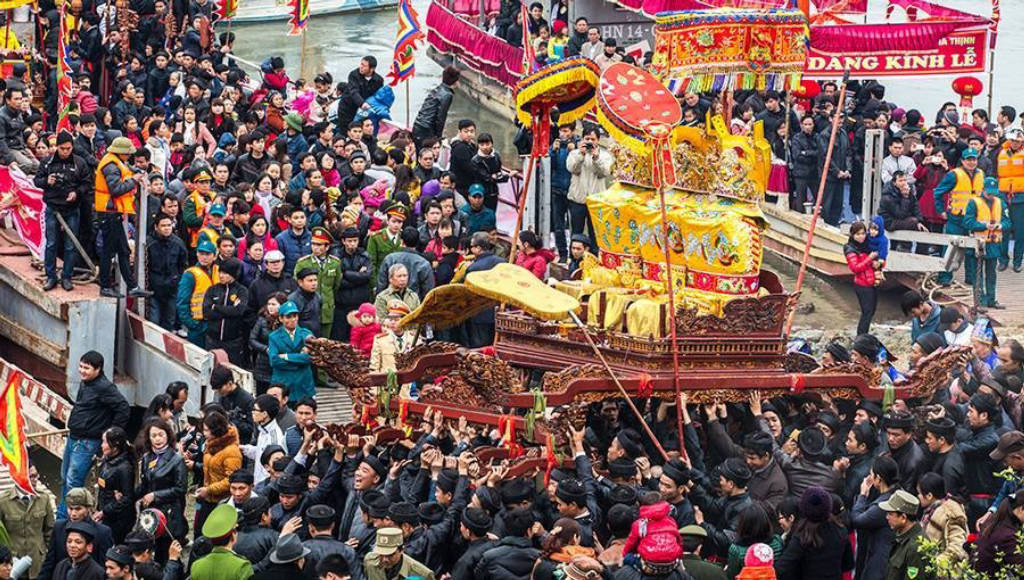
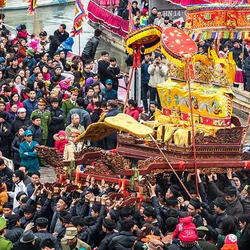
The And Temple Festival takes place every year on the full moon of the first lunar month. The most awaited part of the ceremony is the procession of the ancestral tablet of the three gods of Tan Vien mountain (Saint Tan Vien and two cousins) from the And Temple to Doi Temple in neighboring Vinh Phuc province across the Red River and back to the Va Temple. . The festival takes place in spring and autumn. The first festival takes place over three days, starting from the 15th day of the first lunar month. This is the most awaited and most popular festival. The second festival takes place on the 15th day of the 9th lunar month, honoring the traditions of ancestors. Every year, thousands of pilgrims return to the temple to participate in a three-four-kilometer procession. They believe that participating in the procession will bring good luck and a prosperous year.
The second And Temple Festival takes place in autumn and includes a ceremony in which 99 large fish are caught in the Tich River to offer to Saint Tan Vien. The fish worship ceremony comes from an ancient legend that while teaching the villagers to fish, Thanh Tan Vien caught 100 fish, including a pregnant catfish, which was released with the spirit of charity. Thanks to the heart of Saint Tan, the mother fish and nine fry then turned to stone, turned their heads towards the temple And to thank Saint Tan.
During the holidays, the And Temple welcomes visitors from eight villages in Son Tay, Vinh Phuc and also from all over Vietnam. Visitors come here not only because of the temple's popularity, but to enjoy its architecture. it and admire the beautiful scenery.