


Xem tất cả kết quả cho ""

 Ngày bất kỳ
  Tiếng Việt
 English
 한국어
한국어 日本語
日本語 简体中文
简体中文 Français
 Deutsch
 Español
 Italiano
 Русский


 Đăng nhập cho Doanh nghiệp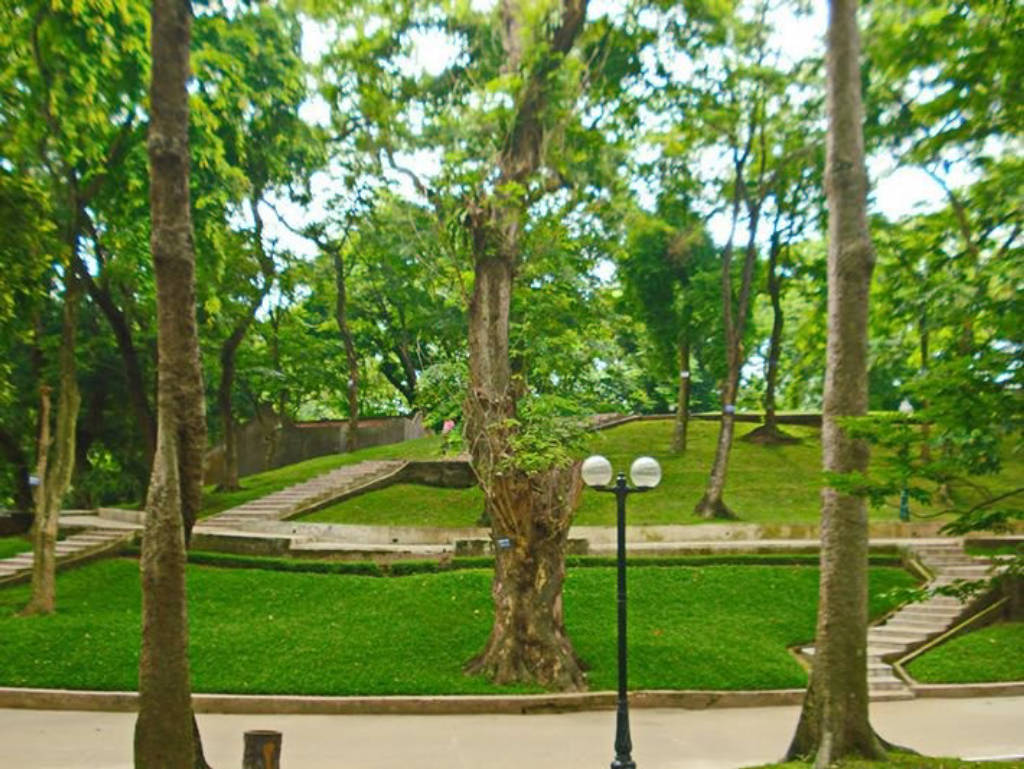
Vườn Bách Thảo
 3 Hoàng Hoa Thám, Ngọc Hồ, Ba Đình, Hà Nội
Vườn Bách Thảo là một ốc đảo xanh và yên bình giữa lòng Hà Nội. Tọa lạc ngay phía sau Lăng Chủ tịch Hồ Chí Minh và Phủ Chủ tịch, công viên Bách Thảo không chỉ đóng vai trò là 'lá phổi xanh' của thành phố, mà công viên trăm năm tuổi này còn là chứng tích lịch sử của thủ đô thiêng liêng và hào hùng.
Nằm ở phía Tây Bắc Hà Nội, thuộc phường Ngọc Hà, quận Ba Đình, công viên được người Pháp thành lập cách đây hơn 100 năm. Ban đầu, khu vườn có diện tích hơn 33 ha, bao quanh một số dinh thự và biệt thự của Pháp. Du khách có thể vào ‘khu rừng mini trong lòng Hà Nội’ xanh mướt này bằng hai lối vào, một cổng phụ ở đầu đường Hoàng Hoa Thám và cổng chính ở giữa phố Ngọc Hà.
Sử sách xưa ghi lại, công viên khang trang xưa kia thuộc địa phận phường Khán Xuân, kinh thành Thăng Long xưa. Năm 1890, chính quyền thực dân Pháp thu giữ đất để xây dựng vườn bách thảo trồng cây, chăn nuôi và đặt tên là vườn thảo mộc, nhưng người già có vẻ quen gọi là “Trại hoa” hay “Vườn bách thú”.
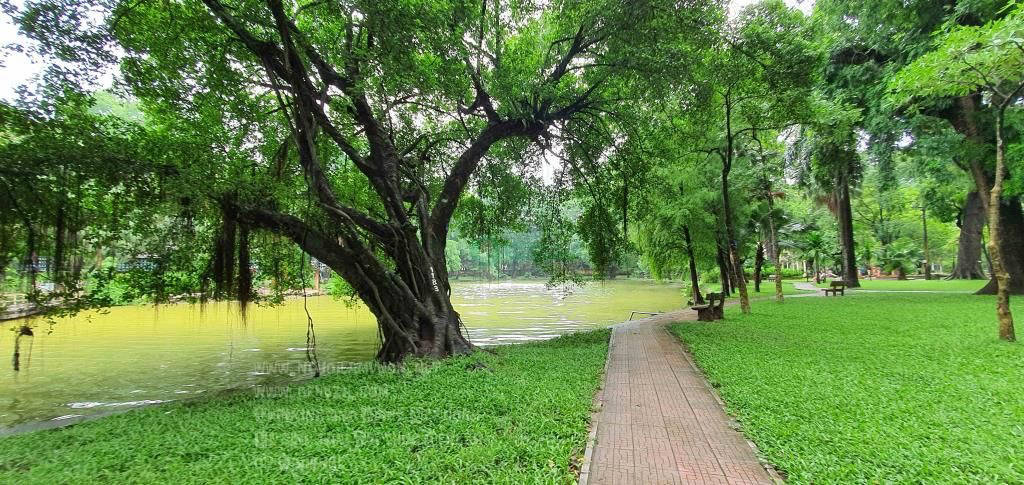
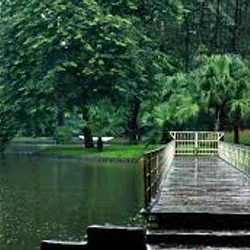
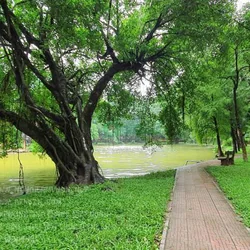
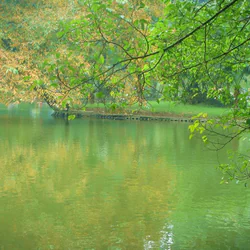
Bên cạnh các loài thực vật bản địa, nhiều loài thực vật nhiệt đới kỳ lạ từ khắp nơi trên thế giới đã được đưa đến đây và tạo thành một khu rừng nhiệt đới ở trung tâm thành phố. Người Pháp cũng trồng những bãi cỏ lớn, đắp đồi bên hồ nước tự nhiên, làm lồng nhốt chim chóc và các loài động vật khác dọc theo những lối đi rợp bóng mát để tô điểm cho khung cảnh.
Do sự khắc nghiệt của Chiến tranh thế giới thứ hai (1939-1945), hầu hết các loài động vật ở sở thú không thể sống sót nếu không được chăm sóc tốt, vì vậy, thực dân Pháp chuyển số động vật còn lại vào Thảo cầm viên Sài Gòn, để cây cối mọc hoang trong khuôn viên của vườn Bách Thảo.
Sau ngày giải phóng thủ đô 10 tháng 10 năm 1954, chính quyền cách mạng đã cải tạo và đổi tên thành Công viên Bách Thảo. Ở góc Tây Bắc của công viên có một gò đất cao, nơi đây trồng nhiều cây cối nên được gọi là núi Nùng. Trên đỉnh núi có ngôi miếu cổ thờ Huyền Thiên Hắc Đế, người có công giúp nhà Lý chống giặc ngoại xâm.
Nhiều năm sau, công viên Bách Thảo bị thu hẹp nhường chỗ cho việc xây dựng quần thể di tích lịch sử Quảng trường Ba Đình. Các loài chim, thú còn sót lại sau năm 1945 được đưa về Thảo cầm viên Thủ Lệ (Hà Nội), Thảo Cầm Viên Sài Gòn (TP. Hồ Chí Minh).
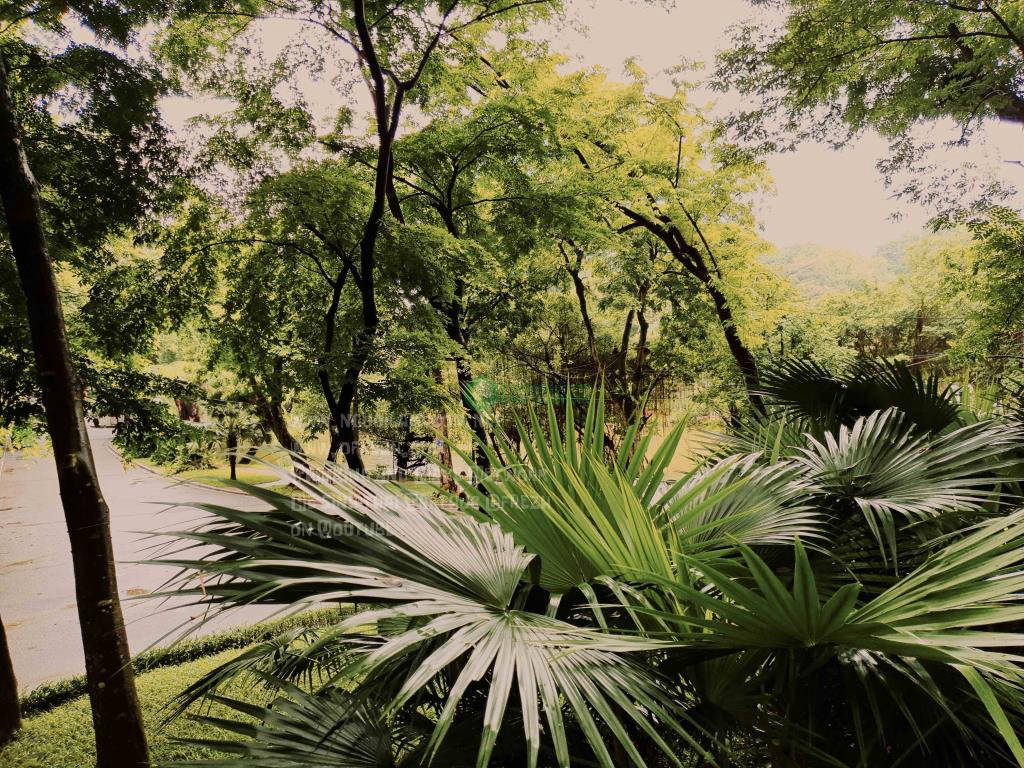
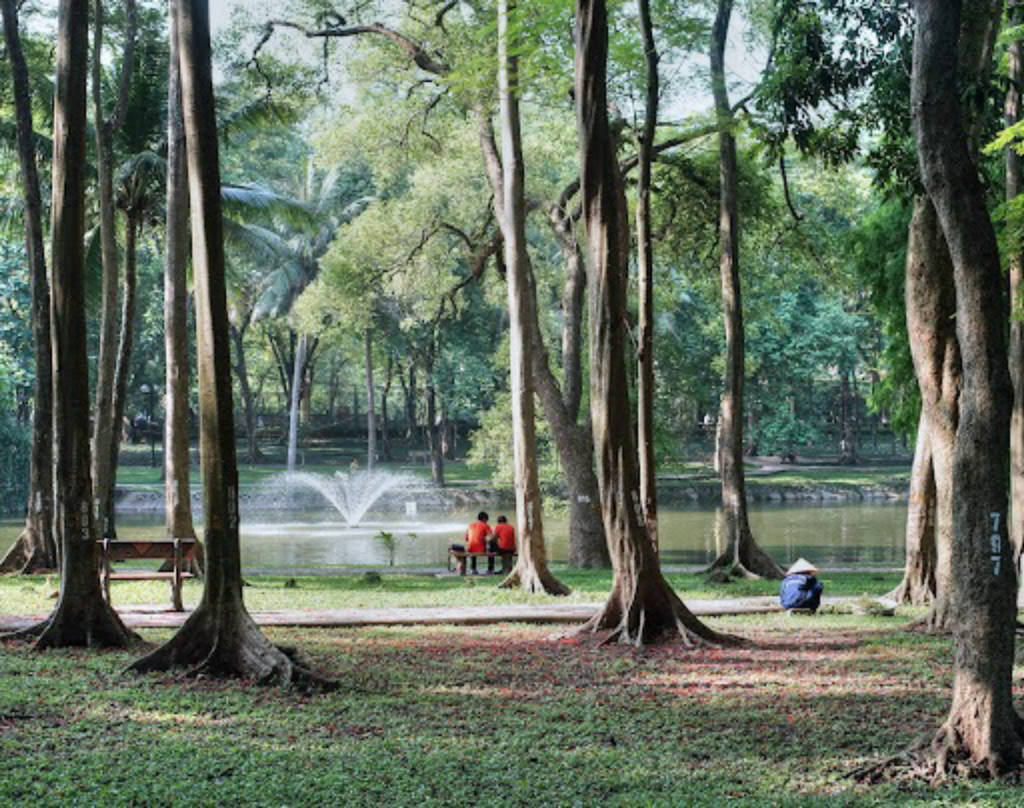
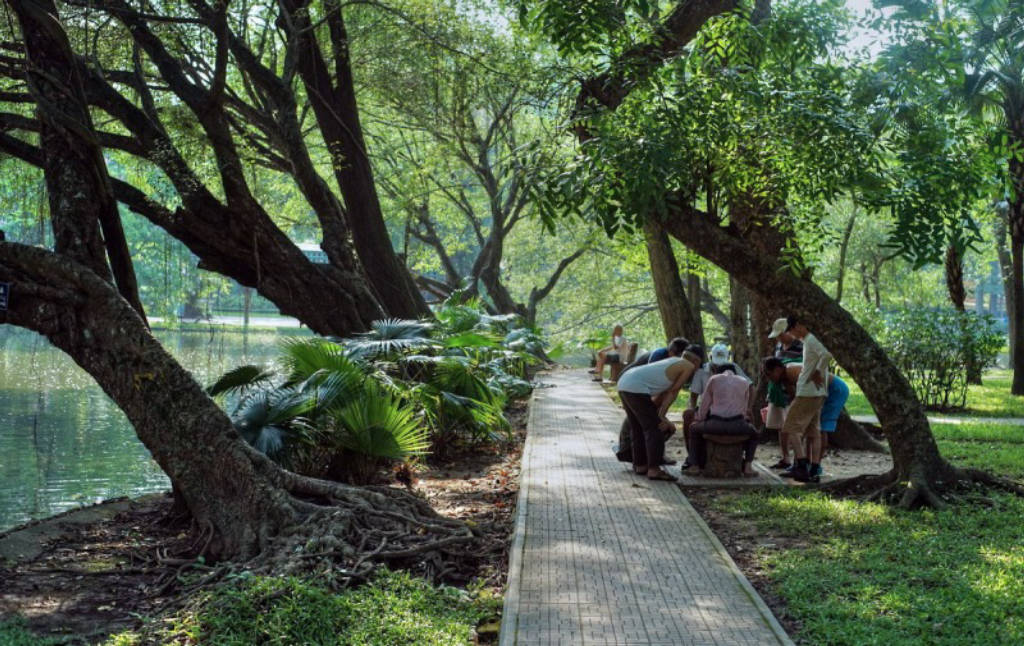
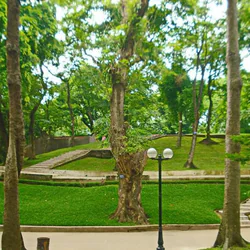
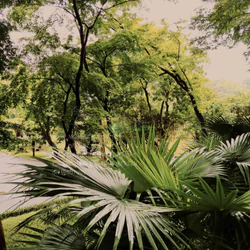
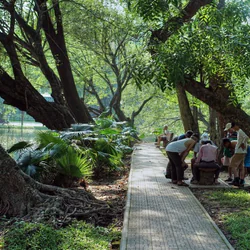
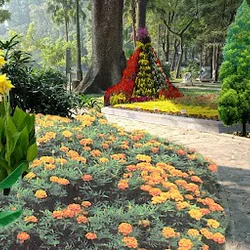
Vườn bách thảo Hà Nội là nơi sinh sống của nhiều loài cây đặc trưng cho rừng nhiệt đới như dừa, cọ, phong lan, cây đa và các loài cây khác. Hai phần ba trong số chúng là cây bản địa, và nhiều loài trong số chúng được nhập khẩu từ các vùng nhiệt đới khác bao gồm Châu Phi, Châu Mỹ và Châu Đại Dương. Có nhiều cây cổ thụ to hai ba người ôm không xuể.
Ngày nay, Vườn bách thảo Hà Nội đã trở thành một địa điểm quen thuộc của người dân Hà Nội để thoát khỏi không khí náo nhiệt của thành phố. Công viên Bách Thảo hay Vườn bách thảo Hà Nội có nghĩa là “trăm loài thực vật” và giống như tên gọi của nó, công viên là một trong số ít những mảng xanh với nhiều loại thực vật phong phú tồn tại giữa lòng thành ngày càng công nghiệp hóa.
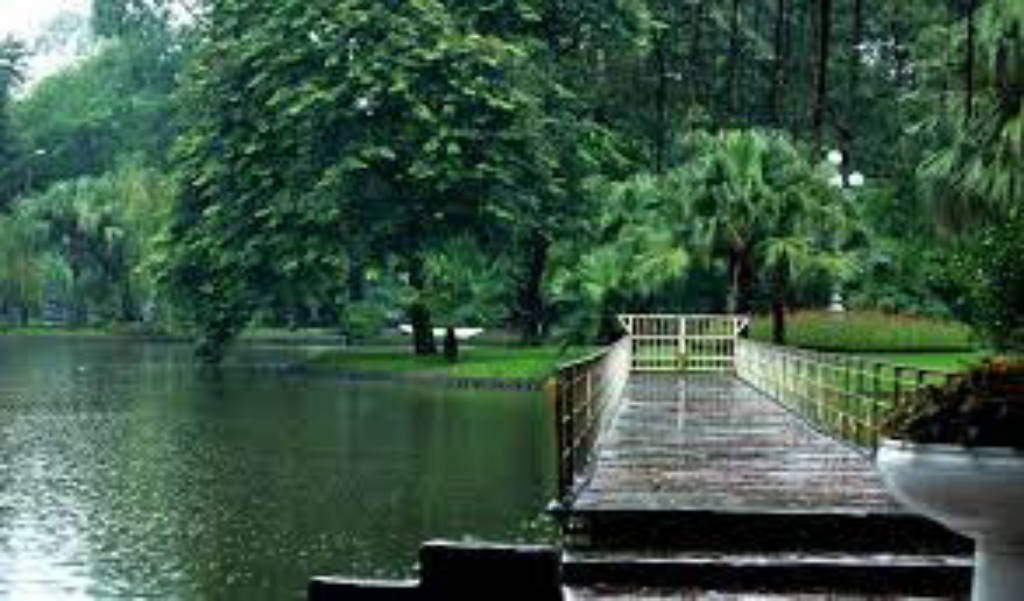
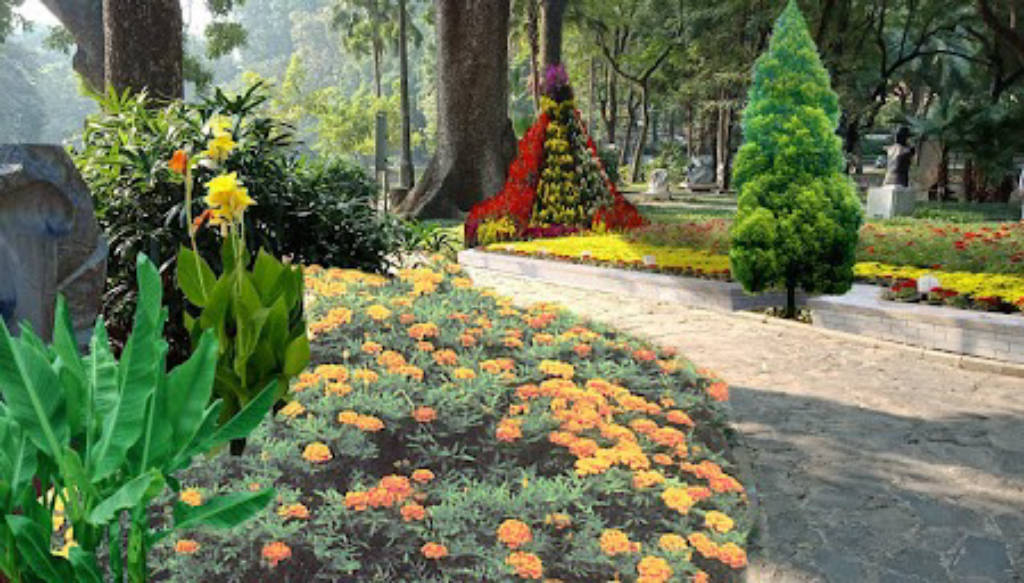
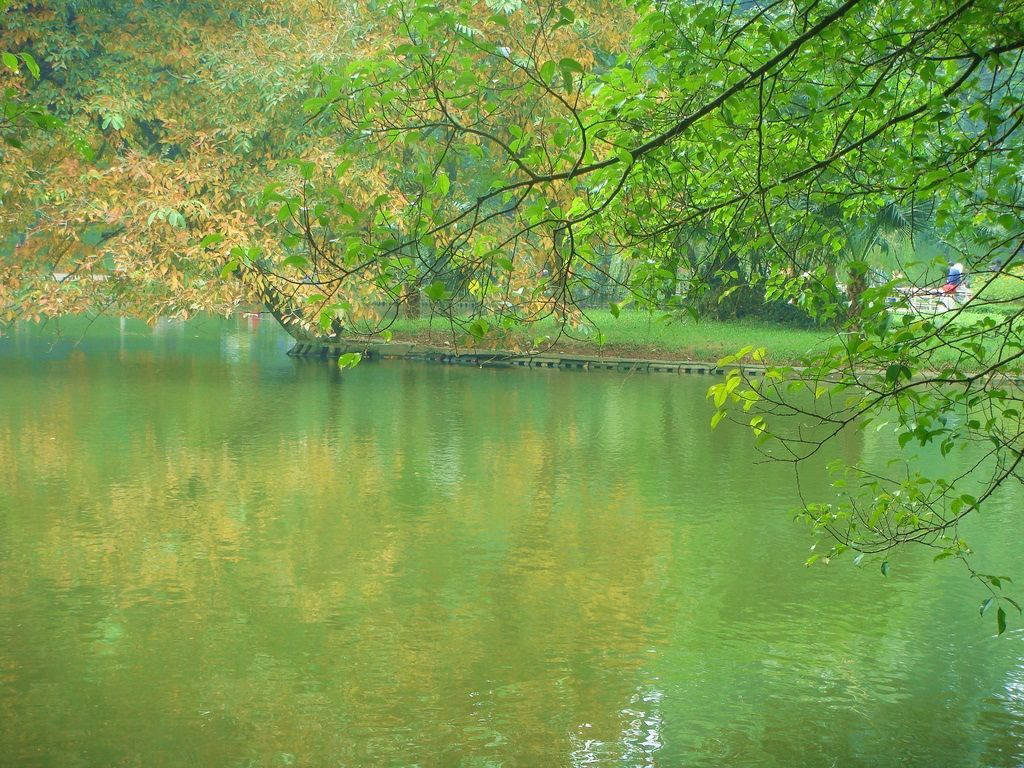
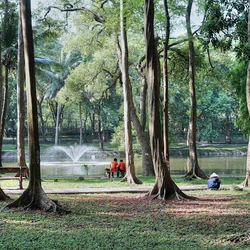
Với không gian xanh mát, thảm thực vật đa dạng, người dân địa phương và du khách đến với Hà Nội đến với công viên để tìm một không gian trong lành, thanh lọc cuộc sống ồn ào. Một số du khách nước ngoài cũng tìm đến công viên để thư giãn. Thật tuyệt khi được tránh xa dòng xe cộ ồn ào và tận hưởng không khí yên bình bên trong khu vườn này. Có một số tác phẩm điêu khắc tuyệt đẹp bên cạnh lối vào chính, hồ nước với đài phun nước ở giữa cũng như những cây cổ thụ khổng lồ là những điểm thu hút của vườn bách thảo.
Hiện tại, công viên là nơi những người yêu thiên nhiên được hòa mình vào không gian xanh mát của rừng cây, với những cây cổ thụ từng chứng kiến nhiều biến cố trong lịch sử của thủ đô. Vào những ngày bình thường, rất nhiều người dân địa phương đến đây để tập thể dục buổi sáng hoặc chiều muộn, chơi cờ trong thời gian rảnh rỗi hoặc chỉ để thư giãn sau một ngày làm việc mệt mỏi. Khách du lịch có thể ghé thăm công viên để biết thêm về lối sống của người dân địa phương và tận hưởng sự yên bình với họ.
Giờ mở cửa: hàng ngày, từ 05:00 – 22:00
Giá vé:
Người lớn: 15.000 VND/khách
Trẻ em: 5.000 VND/khách