


 Tiếng Việt
 English
 한국어
한국어 日本語
日本語 简体中文
简体中文 Français
 Deutsch
 Español
 Italiano
 Русский


 Đăng nhập cho Doanh nghiệp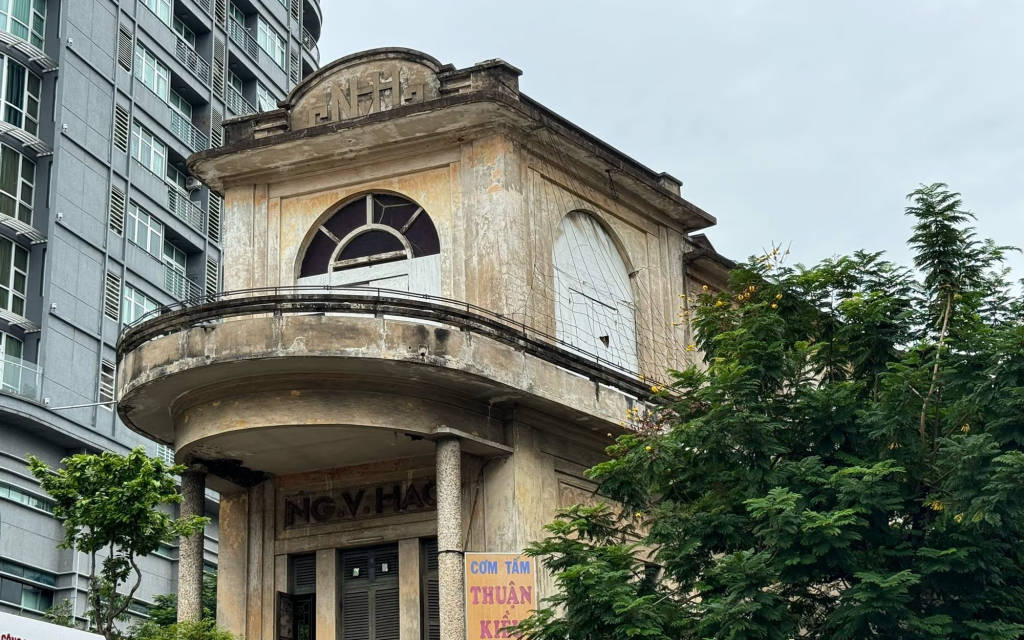
Toà nhà Nguyễn Văn Hảo
 Đường Yersin, P. Nguyễn Thái Bình, Quận 1, Tp Hồ Chí Minh, Việt Nam
Tòa nhà Nguyễn Văn Hảo, tọa lạc tại số 30 Trần Hưng Đạo, Quận 1, TP.HCM, là một công trình kiến trúc mang phong cách Art Deco, gắn liền với tên tuổi doanh nhân Nguyễn Văn Hảo – người góp phần phát triển văn hóa và kinh tế Sài Gòn thế kỷ 20. Với vị trí đắc địa, tòa nhà không chỉ mang giá trị lịch sử mà còn là biểu tượng giao thoa giữa quá khứ và hiện đại.
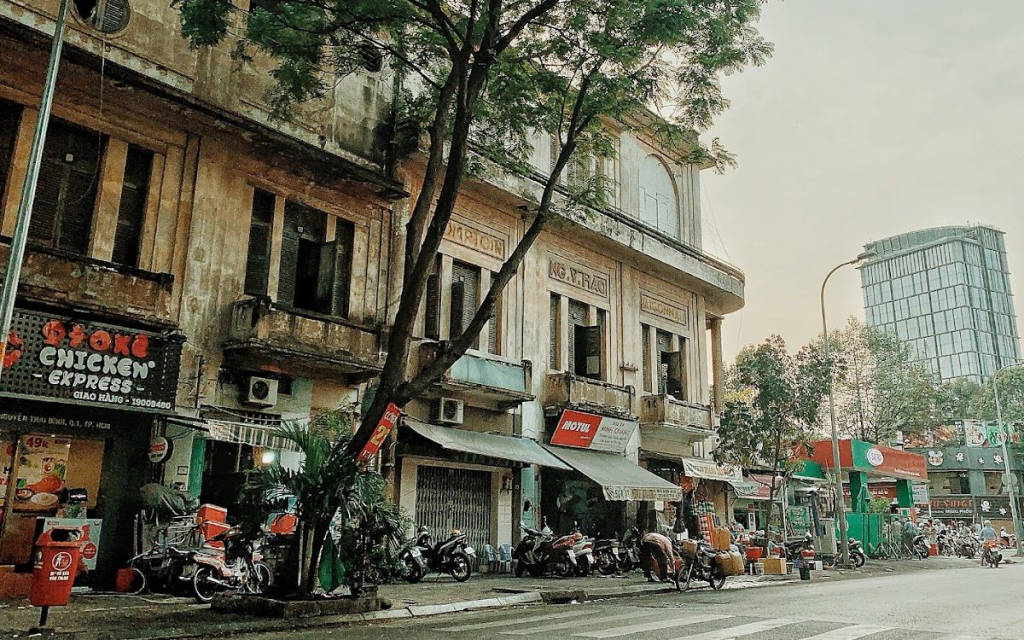
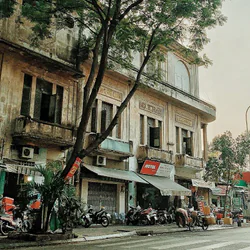
Giữa nhịp sống sôi động của Sài Gòn ngày nay, tòa nhà Nguyễn Văn Hảo đứng vững như một chứng nhân trầm mặc, kể lại câu chuyện về một doanh nhân tài hoa và thời kỳ vàng son của thành phố hoa lệ. Tọa lạc tại vị trí đắc địa, giao thoa giữa bốn con đường sầm uất: Trần Hưng Đạo, Ký Con, Yersin, và Lê Thị Hồng Gấm, tòa nhà này không chỉ là biểu tượng của kiến trúc mà còn chứa đựng những ký ức vàng son về một thời kỳ sôi động của thành phố.
Vị trí và vai trò đặc biệt
Nằm giữa trung tâm Quận 1, Nguyễn Văn Hảo Building nổi bật với vị trí chiến lược, cách không xa những điểm tham quan quen thuộc như chợ Bến Thành và Công viên 23 Tháng 9. Tòa nhà như một nhân chứng thầm lặng, ghi dấu sự phát triển từ một Sài Gòn cổ kính đến thành phố hiện đại bậc nhất Việt Nam.
Không chỉ là công trình kiến trúc, nơi đây còn gắn liền với cuộc đời của một trong những doanh nhân nổi tiếng và có tầm nhìn xa rộng trong lịch sử Sài Gòn – ông Nguyễn Văn Hảo.
Chân dung ông Nguyễn Văn Hảo
Ông Nguyễn Văn Hảo (1890–1971) là một doanh nhân tài ba, sinh ra tại Trà Vinh trong một gia đình nông dân. Là con thứ ba của người vợ thứ ba trong một gia đình đông con, ông lớn lên giữa ruộng đồng mà không hề nghĩ đến việc rời quê.
Cuộc đời ông rẽ sang hướng mới khi người anh cùng cha khác mẹ, ông Nguyễn Văn Kiệu – chủ một tiệm phụ tùng ô tô tại Sài Gòn, nhận thấy sự lanh lợi, thông minh của ông và đưa ông lên phụ giúp buôn bán. Nhờ sự nhạy bén, ông Hảo không chỉ nhanh chóng nắm vững kỹ thuật mà còn học hỏi bí quyết kinh doanh.
Năm 1929, sau nhiều năm tích lũy kinh nghiệm và vốn liếng, ông mở cửa hàng buôn bán phụ tùng ô tô tại số 21-23 đường Galliéni (nay là Trần Hưng Đạo).
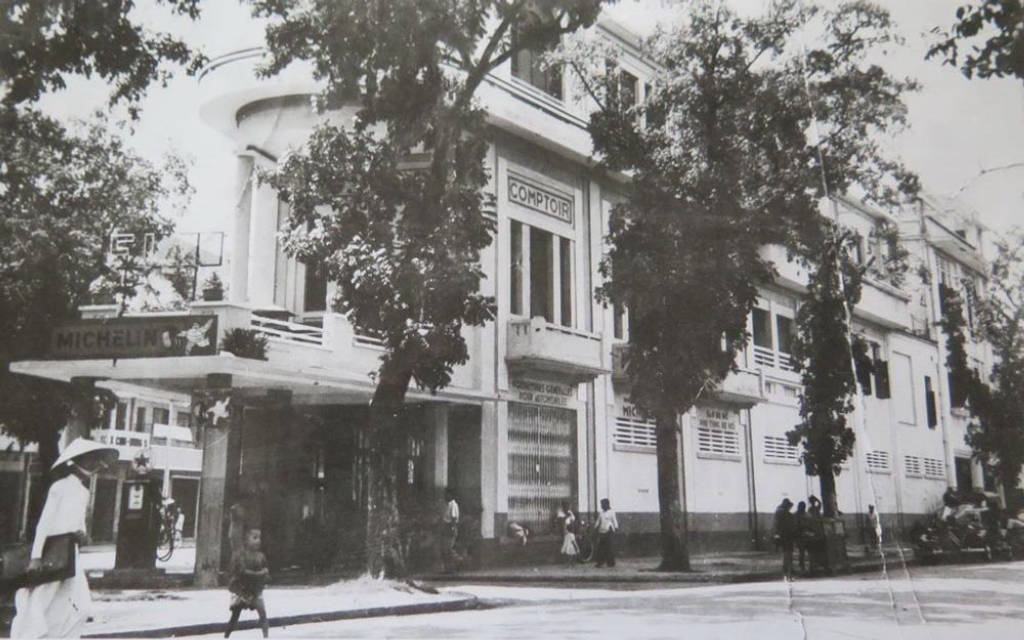
Không chỉ kinh doanh phụ tùng, ông còn lấn sân sang lĩnh vực xăng dầu. Ông Hảo còn làm đại diện vỏ ruột xe hơi của Hãng Michelin (Pháp) – một thương hiệu được ưa chuộng và rất thịnh hành ở Sài Gòn thời gian đó. Cái hay của ông Hảo là dù kinh doanh mặt hàng xe hơi dành cho dân có tiền nhưng ông không bao giờ phân biệt sự sang hèn của khách. Nhờ vậy, ông nhanh chóng trở thành một trong những doanh nhân giàu có và có tầm ảnh hưởng lớn ở miền Nam thời bấy giờ.
Thành công về mặt kinh tế, ông Hảo còn được nhớ đến nhờ tấm lòng nhân ái. Ông xây dựng rạp Nguyễn Văn Hảo (sau này đổi tên thành rạp Công Nhân), nơi được xem là “thánh đường” của nghệ thuật cải lương. Ông cũng xây dựng chùa Ông Hảo (hay Hảo Tâm Tự) ở Trà Vinh để phục vụ cộng đồng.
Quá trình xây dựng Nguyễn Văn Hảo Building
Năm 1933, ông Nguyễn Văn Hảo mua lại khu đất rộng gần 800 m² nằm ở vị trí “kim cương” bốn mặt tiền tại Quận 1. Tòa nhà được xây dựng theo phong cách kiến trúc Art Deco – một trào lưu kiến trúc phổ biến trong thập niên 1930–1950, thể hiện sự kết hợp giữa cổ điển và hiện đại, sang trọng và tối giản.
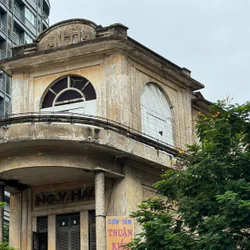
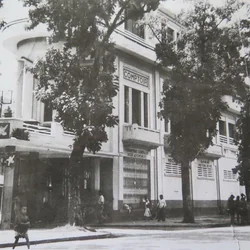
Công trình hoàn thành vào năm 1937, nổi bật với thiết kế giống một con tàu, mũi tàu hướng về phía đường Trần Hưng Đạo. Kiến trúc này không chỉ độc đáo mà còn tượng trưng cho ý chí vươn lên mạnh mẽ của ông Hảo – người tiên phong trong nhiều lĩnh vực kinh doanh thời bấy giờ.
Kiến trúc độc đáo của tòa nhà
Nguyễn Văn Hảo Building là một minh chứng hoàn hảo cho phong cách Art Deco với:
1. Hình khối mạnh mẽ, tối giản: Tòa nhà nổi bật với các đường nét gãy gọn và khối hình học đơn giản, toát lên vẻ sang trọng và hiện đại.
2. Các mảng kính lớn: Mang lại ánh sáng tự nhiên và tạo cảm giác thoáng đãng.
3. Mặt tiền khắc dòng chữ “NG.V.HAO”: Đây là dấu ấn cá nhân của ông Hảo, thể hiện niềm tự hào và trách nhiệm của người chủ nhân đối với công trình này.
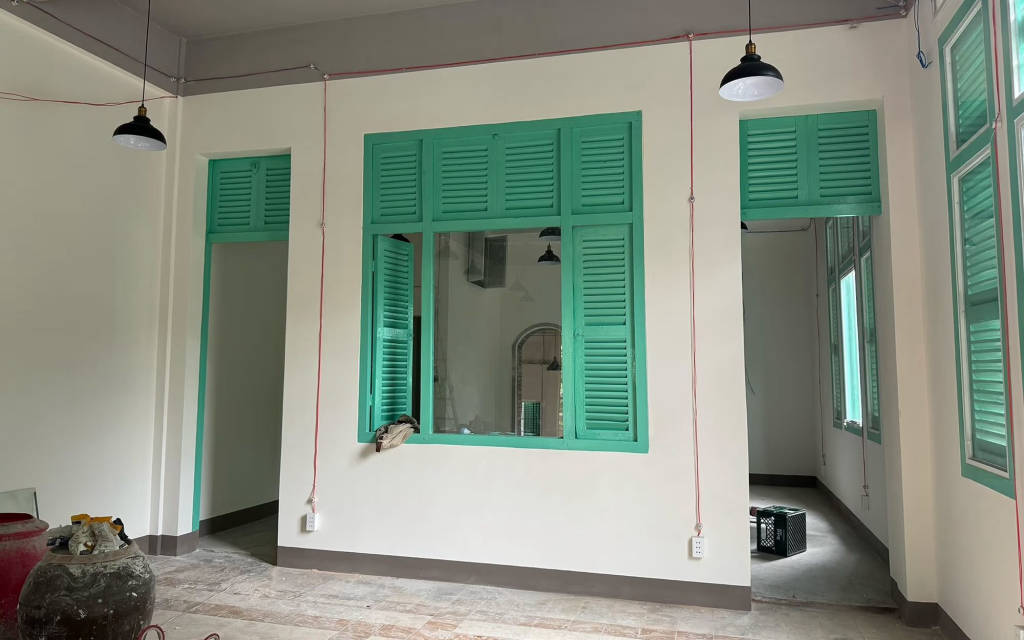
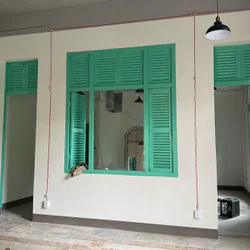
4. Chi tiết nội thất: Ban đầu, bên trong tòa nhà được trang trí với sàn lát đá cẩm thạch, đèn chùm pha lê, và cầu thang gỗ uốn lượn. Tầng thượng từng được sử dụng để ông Hảo ngắm chim – một sở thích đặc biệt của ông.
Ngoài ra, thang máy từng được lắp đặt để phục vụ việc di chuyển lên tầng thượng, thể hiện sự xa hoa và hiện đại của tòa nhà vào thời điểm đó.
Câu chuyện lịch sử thú vị
Tòa nhà không chỉ là nơi ông Hảo sinh sống mà còn là một phần quan trọng trong đời sống kinh tế và văn hóa của Sài Gòn. Ông là một trong những thương gia người Việt giàu có nhất ở Sài Gòn từ thời Pháp thuộc cho đến những năm 1975. Tuy nhiên từ sau năm 1975, con cháu của ông bị lâm vào hoàn cảnh rất khốn khó do sự biến đổi của thời cuộc. Hiện nay, phần dưới của biệt thự được nhà nước quản lý và cho thuê, trong khi tầng trên vẫn thuộc quyền sở hữu của con cháu ông Hảo.
Một chi tiết thú vị là thang máy trong tòa nhà đã bị tháo dỡ vào năm 1966 khi ông Hảo về quê ở ẩn, vì con cháu cho rằng không cần thiết giữ lại.
Giá trị văn hóa và lịch sử
Toà nhà Nguyễn Văn Hảo không chỉ là một công trình kiến trúc mà còn mang giá trị lịch sử sâu sắc. Nó là biểu tượng của tinh thần khởi nghiệp, sự sáng tạo và tầm nhìn chiến lược của ông Nguyễn Văn Hảo. Đồng thời, đây cũng là một trong những địa điểm phản ánh sự giao thoa văn hóa Đông – Tây trong thời kỳ thuộc địa.
Tòa nhà gắn bó với cuộc sống của nhiều thế hệ người dân Sài Gòn, từ những năm tháng vàng son của cải lương tại rạp Nguyễn Văn Hảo cho đến hiện tại, khi công trình trở thành một phần ký ức không thể phai mờ của thành phố.
Kết luận
Thưa quý vị, toà nhà Nguyễn Văn Hảo không chỉ là một tòa nhà, đây là một trang sử sống, kể về cuộc đời của một người con tài hoa, giàu ý chí vươn lên và hết lòng cống hiến cho cộng đồng. Đến đây, quý vị không chỉ cảm nhận được vẻ đẹp kiến trúc mà còn được sống lại những ký ức về một thời kỳ đầy hoài niệm của Sài Gòn.
Hãy để mỗi bước chân tại toà nhà Nguyễn Văn Hảo là một hành trình trở về với quá khứ, nơi những câu chuyện không chỉ được nghe mà còn được cảm nhận.
Trải nghiệm khi đến toà nhà Nguyễn Văn Hảo
Quý khách có thể:
1. Tản bộ quanh tòa nhà để chiêm ngưỡng kiến trúc Art Deco độc đáo.
2. Chụp ảnh tại góc mũi tàu – một trong những điểm đặc biệt nhất của công trình.
3. Khám phá các địa điểm lân cận: Chợ Bến Thành, Công viên 23 Tháng 9, hoặc rạp Công Nhân để hiểu thêm về vai trò của ông Nguyễn Văn Hảo trong việc phát triển văn hóa cải lương.