


Xem tất cả kết quả cho ""

 Ngày bất kỳ
  Tiếng Việt
 English
 한국어
한국어 日本語
日本語 简体中文
简体中文 Français
 Deutsch
 Español
 Italiano
 Русский


 Đăng nhập cho Doanh nghiệp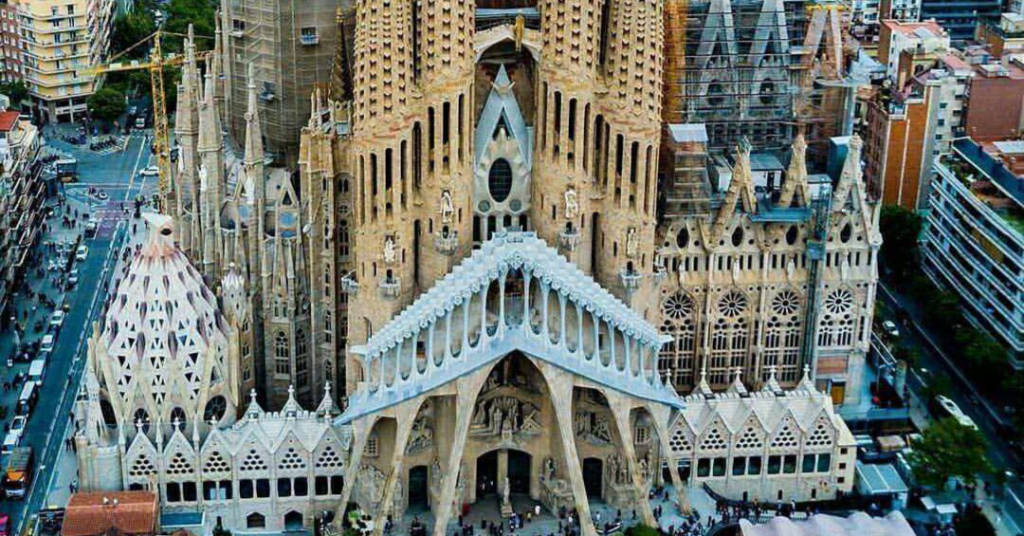
Thánh đường Sagrada Familia
 Plaça Sagrada Família, Barcelona, Tây Ban Nha
Sagrada Familia là một vương cung thánh đường nổi tiếng nằm ở Barcelona, Tây Ban Nha, được thiết kế bởi kiến trúc sư nổi tiếng người Catalan Antoni Gaudí
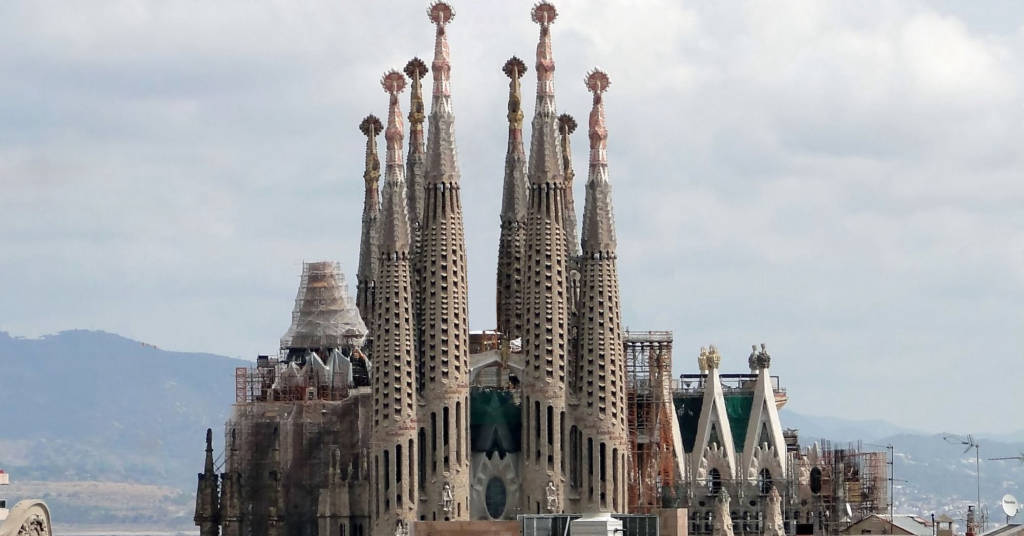
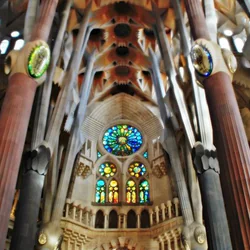
Việc xây dựng Sagrada Familia bắt đầu vào năm 1882, và mặc dù Gaudí đã cống hiến phần đời còn lại của mình cho dự án, nhưng nó vẫn chưa hoàn thành cho đến ngày nay. Mặc dù vậy, vương cung thánh đường được coi là một kiệt tác của Gaudí và là biểu tượng của kiến trúc hiện đại xứ Catalan. Thiết kế độc đáo và dễ nhận biết của nhà thờ có sự kết hợp giữa phong cách Gothic và Tân nghệ thuật, kết hợp các chi tiết phức tạp và hình thức hữu cơ lấy cảm hứng từ thiên nhiên.
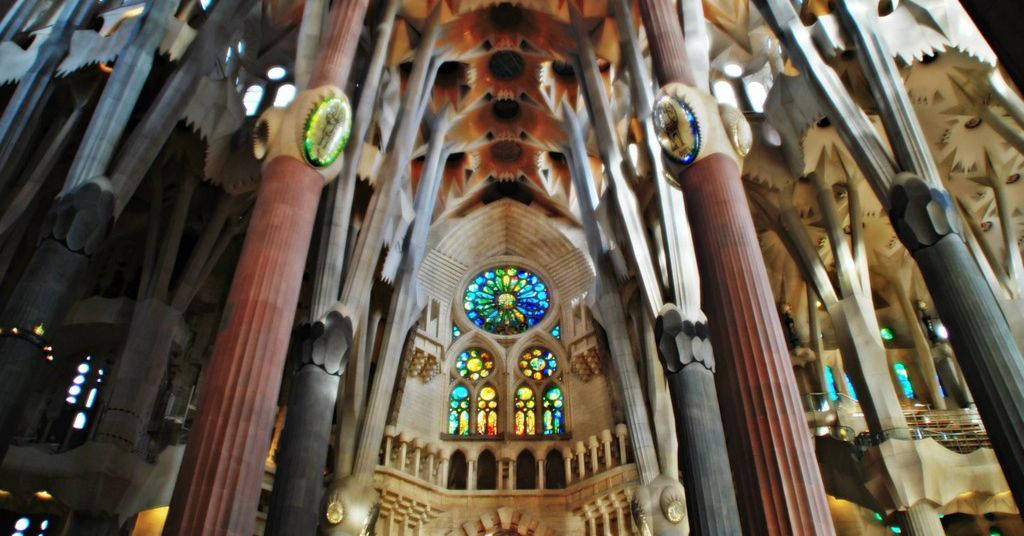
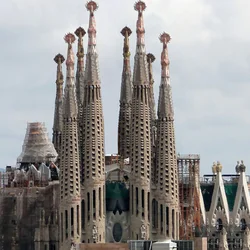
Sagrada Familia được biết đến với những tòa tháp nổi bật, với tổng cộng 18 tòa tháp được lên kế hoạch, mỗi tòa tượng trưng cho những khía cạnh khác nhau trong cuộc đời của Chúa Giê-su Christ và các thánh. Nhà thờ cũng có gian giữa lớn ở trung tâm, với mái vòm, cửa sổ kính màu và các tác phẩm điêu khắc và chạm khắc phức tạp.
Ngoài ý nghĩa kiến trúc, Sagrada Familia còn là một địa điểm tôn giáo quan trọng và là nơi thờ cúng của cộng đồng Công giáo. Đây là một điểm đến hành hương lớn, thu hút du khách từ khắp nơi trên thế giới đến để chiêm ngưỡng vẻ đẹp và ý nghĩa tâm linh của nó.
Du khách đến Sagrada Familia có thể tham gia một chuyến tham quan có hướng dẫn đến vương cung thánh đường và tìm hiểu về lịch sử, kiến trúc và biểu tượng của nó. Họ cũng có thể leo lên đỉnh của một trong những tòa tháp để ngắm nhìn toàn cảnh Barcelona, hoặc tham dự thánh lễ và trải nghiệm bầu không khí thiêng liêng của nhà thờ.
Tóm lại, Sagrada Familia là điểm đến không thể bỏ qua cho bất kỳ ai quan tâm đến kiến trúc và lịch sử tôn giáo. Thiết kế độc đáo, ý nghĩa văn hóa và tầm quan trọng tinh thần khiến nó trở thành biểu tượng của di sản văn hóa phong phú của Barcelona và là minh chứng cho thiên tài của Antoni Gaudí. Cho dù bạn là người địa phương hay du khách, chuyến viếng thăm Sagrada Familia là một trải nghiệm đáng nhớ mang đến cái nhìn sâu sắc về lịch sử và văn hóa của thành phố.