


Xem tất cả kết quả cho ""

 Ngày bất kỳ
  Tiếng Việt
 English
 日本語
日本語 한국어
한국어 简体中文
简体中文 Français
 Deutsch
 Español
 Italiano
 Русский


 Đăng nhập cho Doanh nghiệp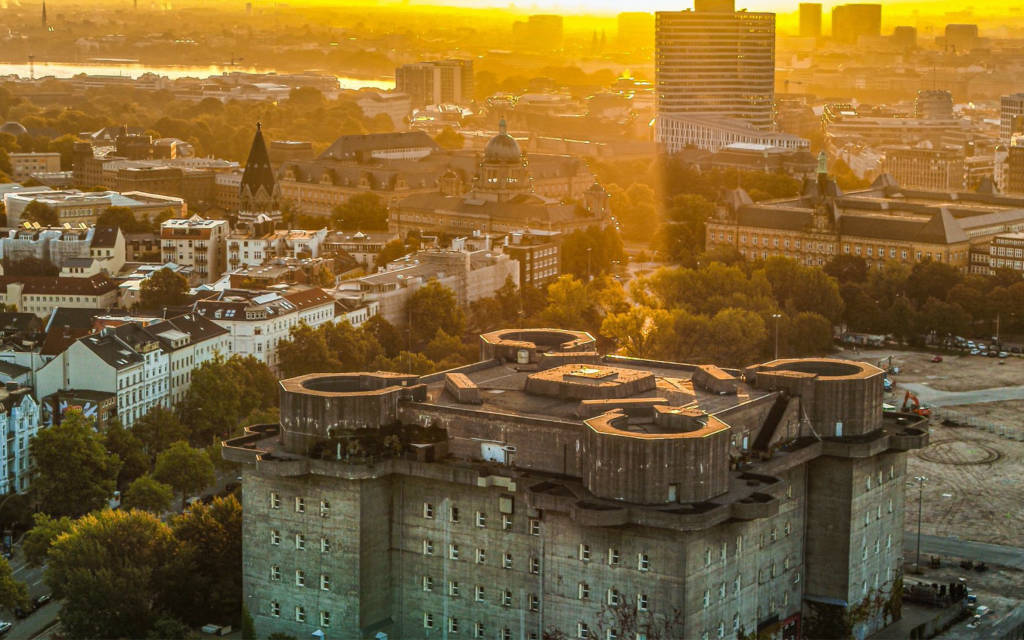
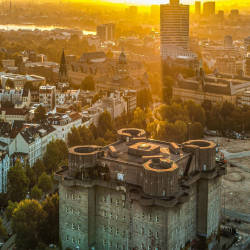
St. Pauli Bunker (St. Pauli Bunker)
 Feldstraße, 20359 Hamburg, Germany
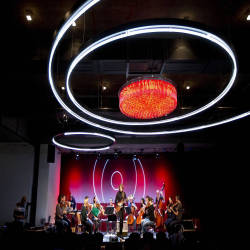
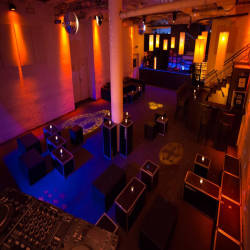
“Once an anti-aircraft bunker during World War II, today, St. Pauli Bunker is no longer just a reminder of a dark chapter of Germany's history, it has been restored for many modern purposes as a nesting place. hosts a live music venue, concert hall, hotel and a memorial to the victims of the Nazi rule.”
Built in 1942 by oppressed workers, the bunker was originally intended to be used primarily for air defense during World War II. The National Socialist regime also used specific fortresses as a propaganda tool to demonstrate its own strength, and at the same time to prevent the populace from becoming war-weary.
In response to the Allied Forces' air raids on Berlin in 1940, the Nazi regime issued an immediate decree for the construction of air raid shelters in cities throughout the Third Reich. National Socialist. Hamburg, a central location for the U-Boot (submarine) and oil industries, were seen as obvious targets. At the end of World War II, Hamburg had no less than 1,051 bunkers, more than any other German city.
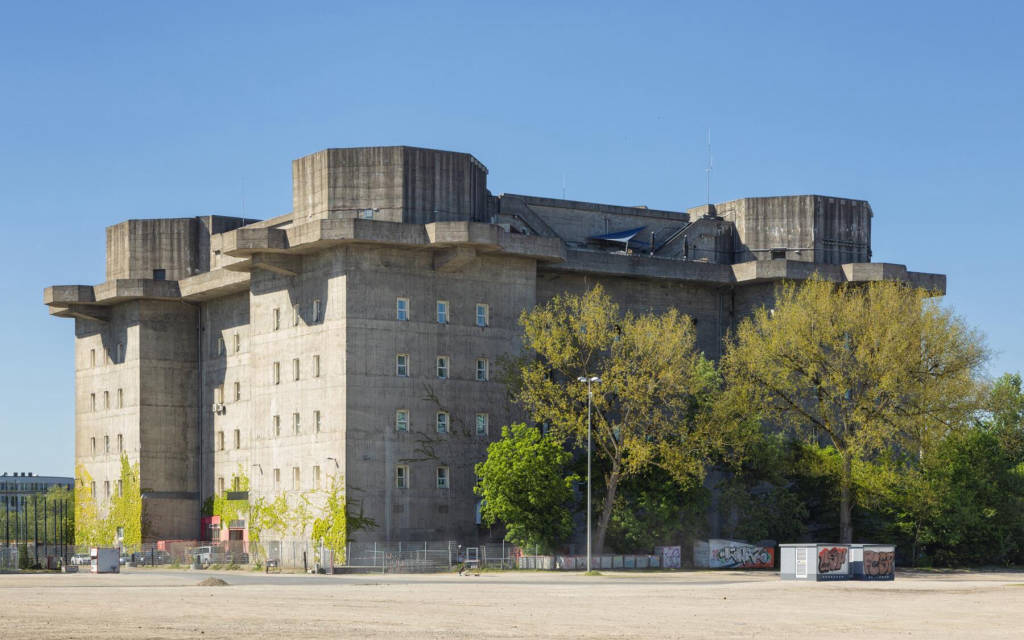
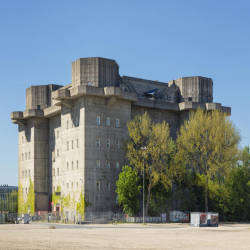
The bunker at Feldstrasse, originally called Flakturm IV (meaning "Flak Tower IV"), is one of the largest ever built, measuring 75x75 meters wide, 35 meters high, and 3" thick walls. ,5 meters. It is designed to accommodate 18,000 people and has a particularly wide entrance for women with baby strollers and children. During the air raids on Hamburg in the summer of 1943, no less than 25,000 men sought shelter in the bunker and were well protected by its thick walls, even when directly targeted by bombs. However, Allied forces neutralized the bunker's primary military purpose of firing rockets and bombing by launching strips of tin foil to interfere with the bunker's radio.
After the war, the plan to destroy the bunker was abandoned, because even if successful, the required amount of explosives would probably destroy the surrounding residential areas along with the bunker. Since then, the structure has been used for various civilian purposes. In 1950, the public broadcaster NWDR broadcast the first television images in Germany from the bunker.
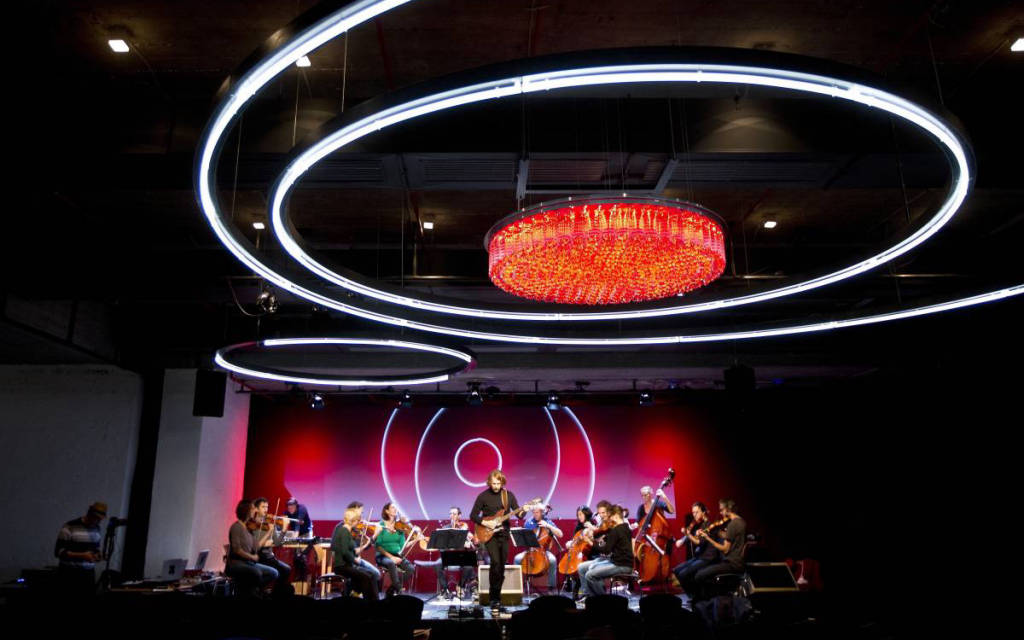
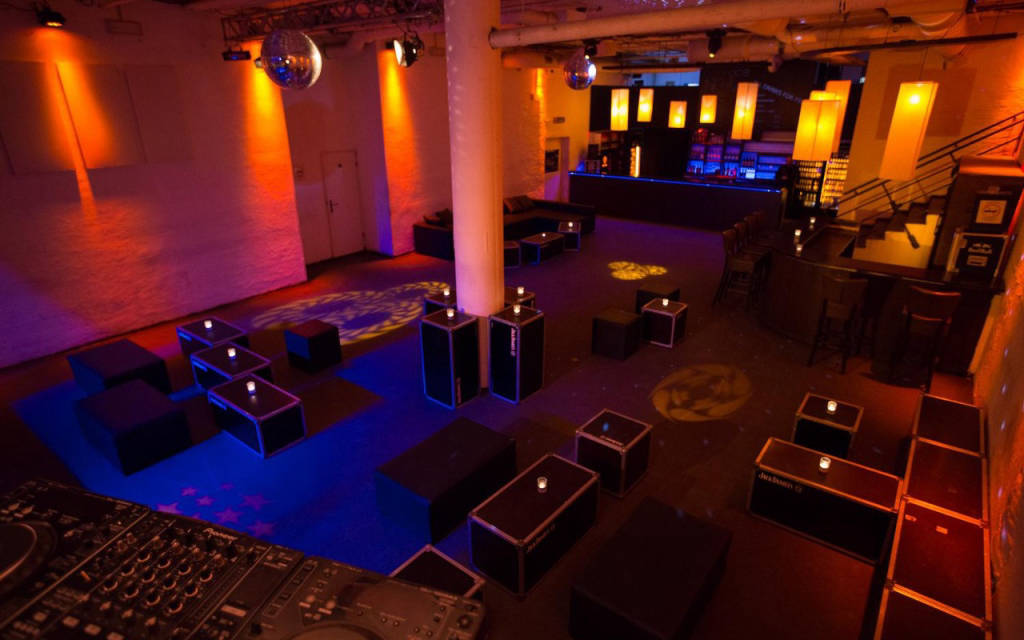
Today, the Bunker's impenetrable walls make it a perfect location for loud-sounding events. The Uebel & Gefährlich nightclub on the top floor is a popular destination for electronic music lovers, and on the ground floor is a large music store. A prestigious pop school as well as a number of artists, actors and musicians have also used offices in the building.
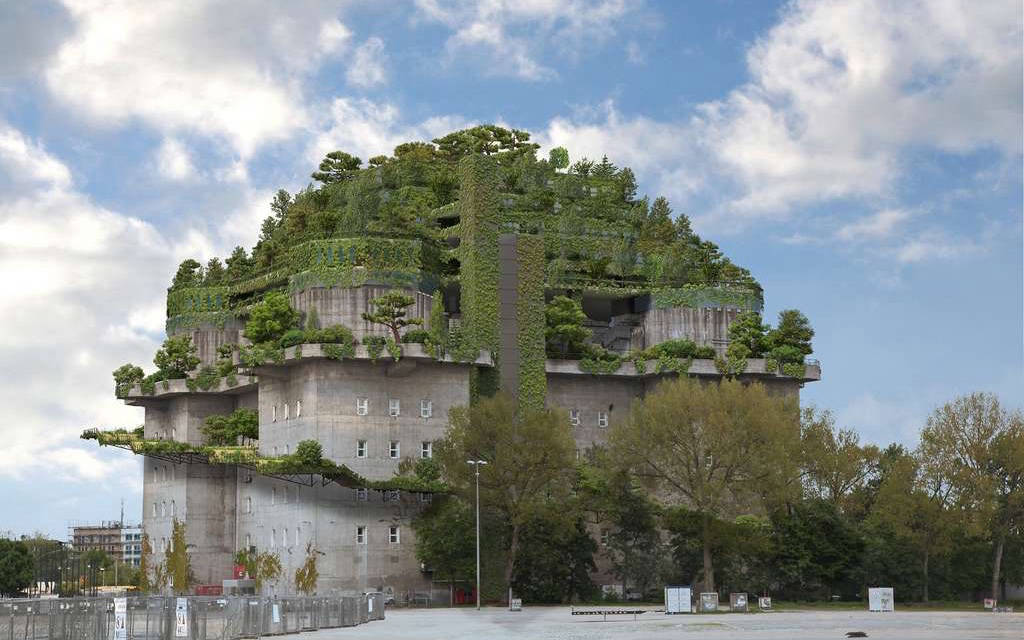
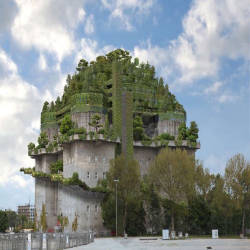
The new plans for the bunker are as bold as the green garden on top of it: with Project Hilldegarden, residents of St. Pauli collaborated with architects to design a large city park extending from the U3-station's Feldstraße. The park will span 8,250 square metres, with plenty of space for urban gardening, venues and cafes – all coming with stunning views of Hamburg.
Location: Feldstrasse, 20359 Hamburg