


 Tiếng Việt
 English
 한국어
한국어 日本語简体中文
 Français
 Deutsch
 Español
 Italiano
 Русский


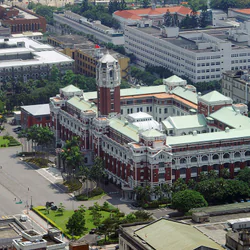
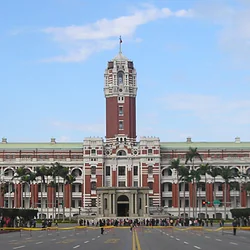
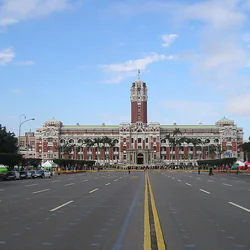
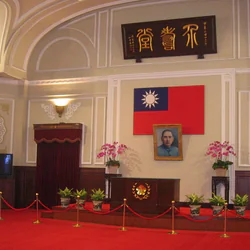
Phủ Tổng Thống (Presidential Office Building)
 No. 122, Section 1, Chongqing South Road, Zhongzheng District, Taipei City, Taiwan 100
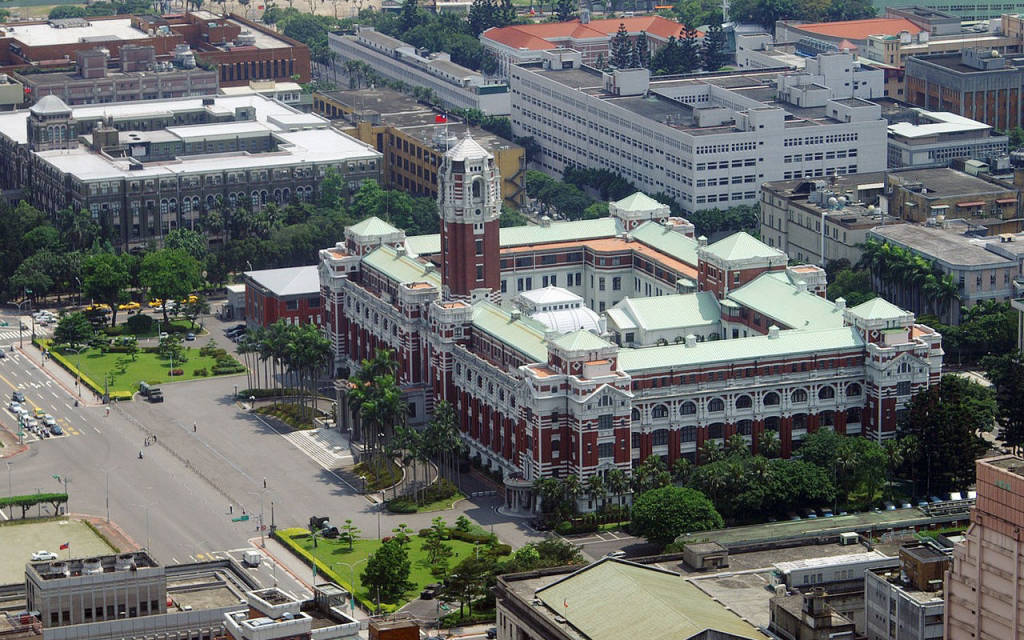
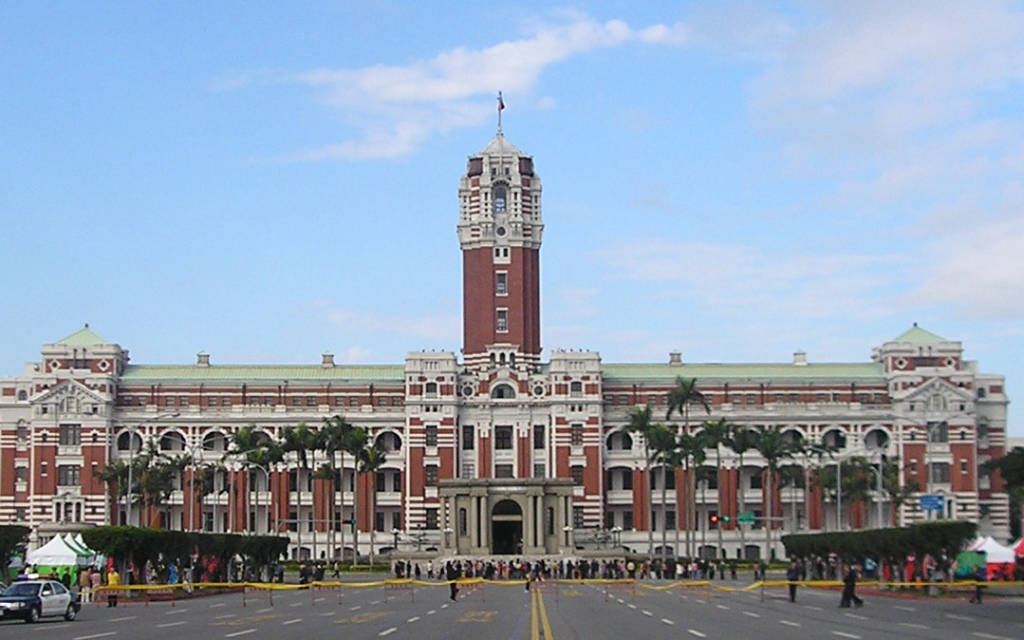
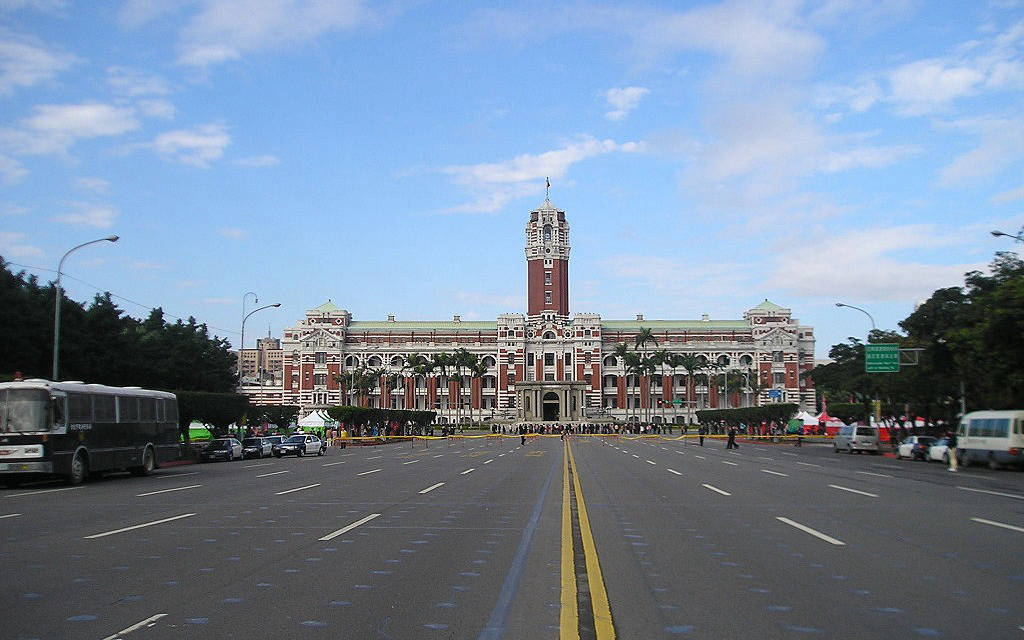
Phủ Tổng Thống là tòa nhà văn phòng của Tổng Thống Trung Hoa Dân Quốc, đảm trách việc hành chính sự vụ của Tổng thống và phó Tổng Thống. Nơi đây là đầu não chính trị, tập trung quyền lực cao nhất của bộ máy chính quyền Đài Loan. Phủ Tổng Thống mở cửa đón khách du lịch vào tham quan một số nơi trong hệ thống tòa nhà. Với nét kiến trúc độc đáo, tòa nhà là một trong những điểm tham quan nổi tiếng của Đài Bắc, thu hút khách du lịch khắp nơi trên thế giới.
Khi hiến pháp Trung Hoa Dân Quốc được ban hành vào năm 1947, phủ Thống Thống được thành lập nhằm phục vụ, hỗ trợ cho Tổng Thống và Phó Tổng Thống. Ban đầu, trụ sở được đặt tại Nam Kinh. Dinh Tổng Thống hiện nay được xây dựng theo thiết kế của kiến trúc sư Uheiji Nagano trong suốt thời kỳ Đài Loan bị kiểm soát bởi người Nhật (1895–1945). Về sau, khi sức ảnh hưởng của tại Đại Lục gần như không còn, chính quyền Trung Hoa Dân Quốc quyết định di dời các cơ quan chính trị về Đài Loan, trong đó có phủ Tổng Thống, được xây dựng vào tháng 6 năm 1912 và hoàn tất vào đầu năm 1919. Từng là tòa nhà cao nhất của Đài Loan, nơi đây chính là trụ sở chính của các cơ quan hỗ trợ cho Tổng Thống và phó Tổng Thống Trung Hoa Dân Quốc.
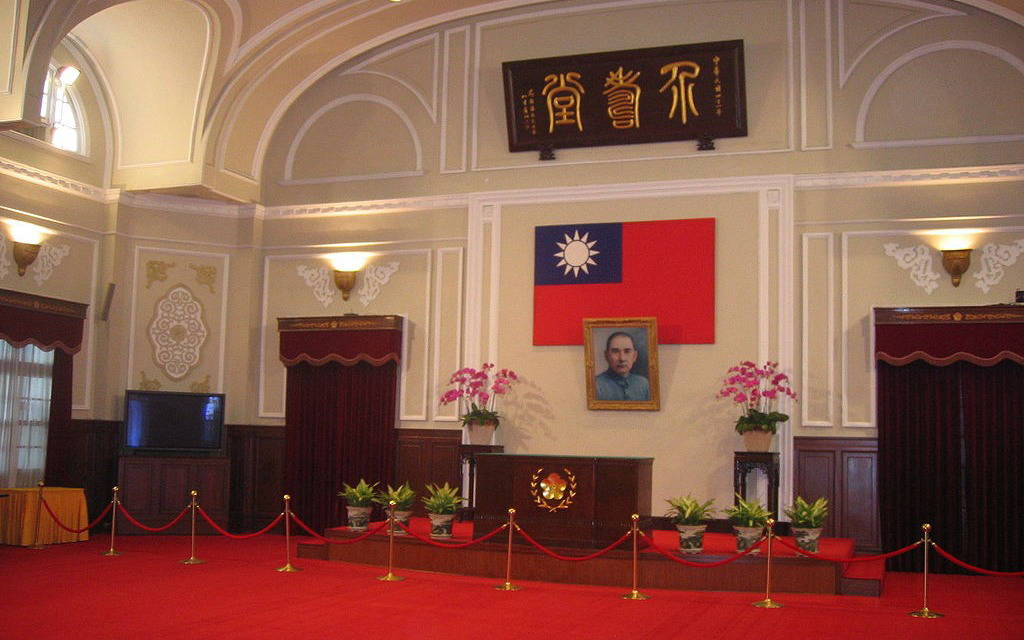
Đây là một công trình kiến trúc độc đáo với phong cách kết hợp giữa các yếu tố kiến trúc truyền thống Châu Âu như Baroque, Neoclassical, và Renaissance. Tổng kinh phí xây dựng ước tính gần 2,8 triệu Yên Nhật. Tòa nhà bao gồm 4 tầng trệt và một tầng hầm, với sức chứa tối đa 2,000 người. Có tổng cộng hơn 300 phòng được thiết kế tinh tế, mỗi phòng có một chức năng riêng, ngoài ra bên trong khuôn viên của dinh Tổng thống có nhiều sảnh rộng và khu vườn thoáng đãng. Bước vào sảnh đầu tiên, du khách sẽ thấy một bức ảnh lớn của Tổng Thống và phó Tổng Thống trên phông nền núi Ngọc Bích- được mệnh danh là “nóc nhà” của Đài Loan. Hướng dẫn viên của phú tổng thống sẽ đưa du khách tham quan các khu vực chính, giúp du khách hiểu thêm về lịch sử và kiến trúc của tòa nhà. Đây là một cơ hội quý báu để bạn có một cái nhìn tổng quát nhất về hệ thống chính trị và các đời tổng thống của quốc đảo Đài Loan cũng như quá trình phát triển kinh tế-xã hội. Tưởng Giới Thạch sau khi thất thế ở Trung Quốc Đại Lục, ông quay về lại Đài Loan sinh sống những vẫn muốn trở lại Bắc Kinh để giành lại chính quyền cũ. Sau khi ông qua đời, con trai của Tưởng Giới Thạch đã nối nghiệp cha trở thành vị Tổng Thống thứ Hai của Đài Loan, ông không tập trung vào việc giành lại quyền lực tại Trung Quốc Đại Lục như cha mình mà chú tâm vào phát triển cơ sở hạ tầng, kinh tế của Đài Loan. Ông cho xây dựng con đường cao tốc đầu tiên từ Bắc Đảo tới Nam Đảo và có những cải cách kinh tế đưa quốc đảo ngày càng phát triển. Đến đây, khách sẽ được lắng nghe những chia sẻ đáng tự hào về các đời Tổng Thống đã góp phần đưa Đài Loan phát triển hưng thịnh.
Phủ Tổng Thống mở cửa đón khách tham quan vào các buổi sáng từ 09.00AM đến 11.30AM các ngày trong tuần từ thứ Hai đến thứ Sáu, Thứ Bảy và Chủ Nhật đóng cửa, miễn phí tham quan, du khách chỉ cần trình hộ chiếu cho nhân viên an ninh. Mỗi tháng sẽ có một ngày “full house open”, phủ Tổng Thống mở cửa nguyên ngày và có cả hướng dẫn viên nhưng phải đặt lịch trước.